Unlocking the Secrets: A Look Inside a Masonic Lodge
For centuries, the doors of Masonic Lodges have been a source of intense curiosity for the outside world. Veiled in an aura of mystique and tradition, these buildings are often seen as silent keepers of ancient secrets. But what truly lies beyond the threshold? What is the purpose of their unique and symbolic architecture? The answer is both simpler and more profound than most imagine.
The term Lodge itself has a dual meaning. It refers to the group of men who gather, the Brethren, as well as the physical space where they meet. To understand Freemasonry, one must first understand the environment designed to teach its most important lessons. This space is not merely a meeting hall; it is a meticulously crafted symbolic universe, a classroom for the soul where every object and orientation holds a deeper significance. A Masonic Lodge is the heart of the fraternity, the sacred ground where individuals embark on a shared journey of moral and spiritual development.
This article will serve as your guide, pulling back the curtain to explore the interior of a typical Lodge room. We will walk through its layout, examine its key features, and decode the rich symbolism embedded in its very foundation. Prepare to step inside and see the world through the eyes of a Mason, where every element is a lesson waiting to be learned.

What is the first impression upon entering?
Before one even steps into the main Lodge room, the experience begins. The entrance is guarded, both literally and symbolically. Outside the door sits an officer known as the Tyler, whose duty is to ensure that only those qualified are allowed to enter, protecting the sanctity and privacy of the meeting. This act reinforces the idea that entry into the Craft is a privilege, not a right, and that the lessons within are to be respected.
The inner door itself represents a significant transition. Crossing this threshold means leaving the profane world behind and entering a space dedicated to contemplation, brotherhood, and the pursuit of light. It is a mental and spiritual shift, preparing the mind for the work ahead. This initial experience sets a tone of reverence and seriousness that permeates every aspect of the Lodge.
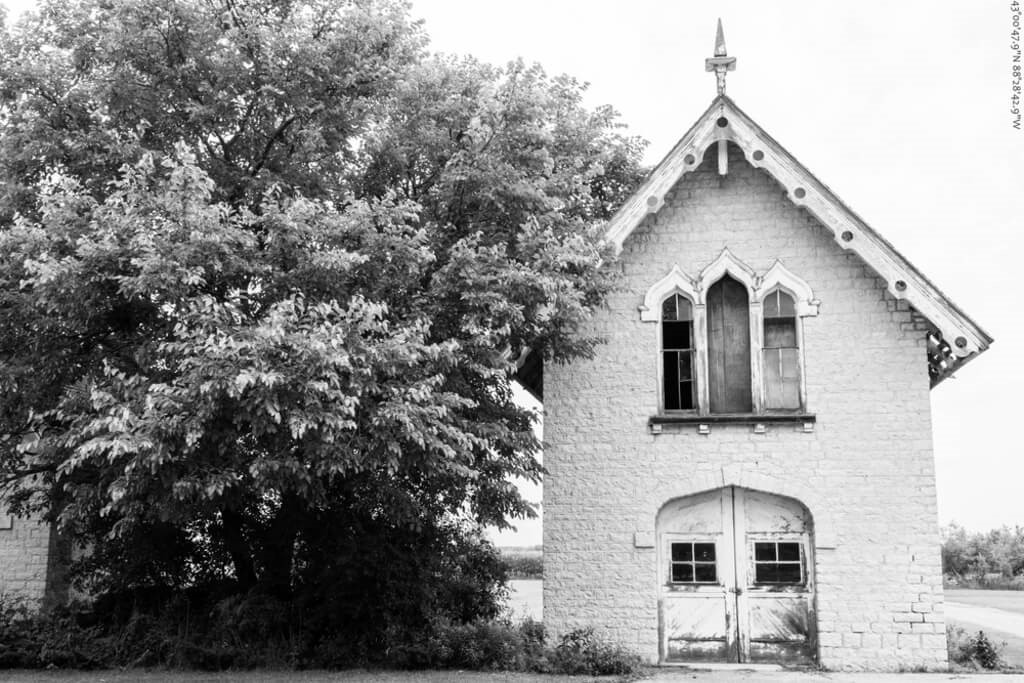
What does the main Lodge room look like?
Upon entering the Lodge room, often called the ‘Lodge proper’, the first thing one notices is its distinct shape and layout. The room is typically an oblong square, a rectangle that is longer than it is wide. This shape is symbolic, representing the world, and its orientation is almost always from East to West. The ceiling is often painted deep blue and adorned with stars, representing the celestial canopy or the heavens, reminding members that they work under the watchful eye of the Great Architect of the Universe.
A striking feature on the floor is the mosaic pavement, a pattern of black and white checkered tiles. This represents the duality of human existence: light and darkness, good and evil, joy and sorrow. It serves as a constant reminder of the complex path we walk in life, a path of opposites that requires balance and integrity. Walking upon this pavement, Masons are reminded to maintain their moral footing amidst the trials of life. For those curious about the visual splendor, it is possible to visualize the intricate details through photographs of various historic and modern Lodge rooms.

Why is the Lodge oriented from East to West?
The specific orientation of the Lodge room is fundamental to its symbolism. Just as the sun rises in the East to bring light and life to the day, the East in a Masonic Lodge represents the source of light, knowledge, and enlightenment. The West symbolizes the end of the day, a place of completion and reflection. This layout mirrors the path of the sun and, by extension, the path of a man’s life and a Mason’s journey through the Craft.
This journey is one of progressing from a state of relative darkness or ignorance toward greater light and wisdom. The candidate for the degrees of Freemasonry begins his symbolic journey in the West and moves toward the East, seeking illumination. This physical movement within the Lodge room is a powerful allegory for the internal, spiritual progress that Freemasonry aims to inspire in its members. It is a constant, physical reminder of the primary goal: the pursuit of more light.

What are the key pieces of furniture and their meanings?
The Lodge room is furnished with specific items, each holding a deep symbolic purpose. These are not mere decorations but are integral ‘working tools’ of the Masonic educational system. They are placed in precise locations to create a balanced and harmonious environment for ritual and instruction.

Where do the leaders sit?

Three principal officers govern the Lodge, and their stations are located in the East, West, and South. The highest-ranking officer, the Worshipful Master, is seated in the East, the symbolic source of light. He presides over the meetings and is responsible for the overall governance and instruction of the Lodge. His position in the East reinforces his role as the ‘light’ of the Lodge.
The Senior Warden is seated in the West, symbolizing the setting sun. He assists the Worshipful Master and is responsible for the Brethren when the Lodge is at ‘labor’. The Junior Warden is in the South, marking the position of the sun at midday. His duty is to oversee the Brethren when the Lodge is at ‘refreshment’ or rest. A complete understanding of the roles and responsibilities of the officers in a Masonic Lodge reveals a complex system of leadership and mentorship designed to ensure the smooth operation and harmony of the group.

What is the Altar in the center?
At the very center of the Lodge room stands the Altar. This is the most important piece of furniture, the focal point around which all Masonic work revolves. It is a symbol of faith and our connection to a higher power. Upon the Altar rests what are known as the Three Great Lights of Masonry.
The first Great Light is the Volume of the Sacred Law (VSL). In most Lodges in the English-speaking world, this is the Holy Bible, but it can be the sacred text of any faith represented by the Lodge’s members, such as the Quran or the Torah. The VSL provides the moral and spiritual guidance upon which a Mason’s obligations are taken. Also on the Altar are the Square and Compasses, the universal symbols of Freemasonry. The Square symbolizes morality and virtue, while the Compasses symbolize the importance of circumscribing one’s passions and keeping desires within due bounds.

What are the three pillars?
Prominently displayed within the Lodge are three pillars, typically arranged around the center of the room. These are not structural supports for the building but are symbolic pillars that are said to support the Lodge itself. They represent Wisdom, Strength, and Beauty. The pillar of Wisdom is associated with the Worshipful Master in the East, Strength with the Senior Warden in the West, and Beauty with the Junior Warden in the South.
These pillars serve as a constant reminder of the qualities necessary to build any great and important undertaking, including the building of one’s own character. Wisdom is needed to contrive the plan, Strength to support the structure, and Beauty to adorn the final product. They are often depicted in the three classical orders of architecture: Ionic for Wisdom, Doric for Strength, and Corinthian for Beauty, adding another layer of classical symbolism to the room.
