A Traveler’s Guide to Freemasonry: Exploring Global Grand Lodges and Rites
Freemasonry, often shrouded in mystery, is not a single, monolithic organization. It is a vibrant, global fraternity with a rich and complex tapestry of traditions, practices, and governing bodies. From a bustling city in North America to a quiet town in the European countryside, the Square and Compasses can be found, symbolizing a brotherhood that transcends borders.
At the heart of this global structure is the concept of a Grand Lodge. Every regular Masonic Lodge in the world operates under the jurisdiction of a sovereign Freemason Grand Lodge, which serves as the ultimate authority for its designated territory. This decentralized system is key to understanding the Craft’s worldwide diversity.
This guide will illuminate the fascinating landscape of global Freemasonry. We will explore the role of Grand Lodges, delve into the major branches and Rites, and take a tour of Masonic traditions across continents. For the curious seeker, this is a map to a world of profound history and symbolism.

What Is a Grand Lodge?
A Grand Lodge is the independent and sovereign governing body of Freemasonry within a specific geographical area, such as a state, province, or an entire country. It holds the authority to charter new subordinate Lodges, known as ‘Blue Lodges’ or ‘Craft Lodges’, where the core tenets of Freemasonry are practiced.
Think of it as a national or state-level headquarters. Each Grand Lodge establishes its own constitution, by-laws, and rituals, which must adhere to certain ancient landmarks and principles to be considered ‘regular’ by other Grand Lodges. This concept of regularity and mutual recognition is the invisible thread that connects the worldwide fraternity.
The modern Grand Lodge system traces its origins to 1717 in London, when four existing Lodges came together to form the Grand Lodge of London and Westminster. This act created a new model of governance that would eventually spread across the globe, shaping the Craft as we know it today.

Why Are There Different Masonic Traditions?
As Freemasonry expanded from its British origins, it adapted to new cultures and philosophical currents. This evolution led to a significant divergence in the 19th century, creating two primary branches of Freemasonry that persist today: Regular and Continental.
This schism primarily revolves around a few key principles, which dictate how different Grand Lodges operate and whether they formally recognize one another. Understanding this distinction is crucial to grasping the complexities of the global Masonic family.

What Defines Regular Freemasonry?
Regular Freemasonry, often associated with the Anglo-American tradition, is the most widespread form. Its core principles are derived from the United Grand Lodge of England (UGLE), which is considered the ‘mother’ Grand Lodge by many.
The key requirements for regularity include an undeviating belief in a Supreme Being, the presence of a Volume of the Sacred Law (like the Bible, Torah, or Quran) on the Lodge’s altar, and a strict prohibition on discussing politics or religion within the Lodge. This branch of Freemasonry is exclusively for men.

What Is Continental or Liberal Freemasonry?
Continental Freemasonry, also known as Liberal or adogmatic Freemasonry, is most prominent in continental Europe and Latin America. Its most famous proponent is the Grand Orient de France. This tradition champions a different approach to Masonic philosophy.
In 1877, the Grand Orient de France removed the requirement for its members to believe in a Supreme Being, instead embracing the concept of absolute freedom of conscience. Many Continental jurisdictions also permit political discussions within the Lodge and have opened their doors to women, either in their own Lodges or in co-ed Lodges. These adaptations show how Freemasonry spreads globally by reflecting the cultural values of its environment.

How Does Freemasonry Differ by Continent?
Freemasonry’s global journey has resulted in a fascinating mosaic of practices. While the core symbols and moral lessons may be similar, their expression can vary significantly from one part of the world to another.

What Is Freemasonry Like in Europe?
Europe, the cradle of modern Freemasonry, hosts some of the oldest and most diverse Masonic traditions.
In the United Kingdom, the United Grand Lodge of England, the Grand Lodge of Scotland, and the Grand Lodge of Ireland govern the Craft with a style that has deeply influenced Freemasonry across the Commonwealth and the United States. Their practices are considered a benchmark for Regular Freemasonry.
France presents a more complex picture. It is the home of both the regular Grande Longe Nationale Française (GLNF) and the liberal Grand Orient de France (GOdF). This duality means a visitor might find two very different types of Freemasonry operating in the same city.
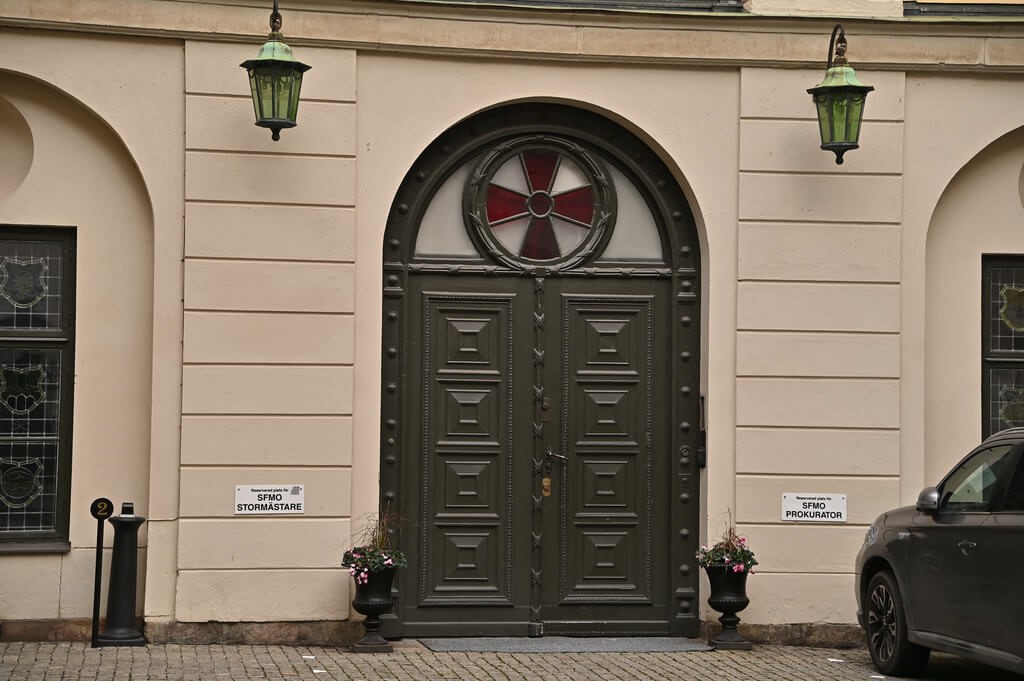
In Scandinavia, the dominant form is the Swedish Rite, a unique system of ten degrees that is explicitly Christian in its character. This contrasts sharply with the more inclusive religious approach found in Anglo-American Freemasonry.

How Did Freemasonry Develop in the Americas?
Freemasonry arrived in the Americas with early colonists and played a notable role in the formation of new nations. The structure here is distinct from that of Europe.
In the United States, Freemasonry is governed at the state level. There is no single National Grand Lodge; instead, each state has its own sovereign Grand Lodge. These bodies cooperate and meet through organizations like the US Conference of Grand Masters. A historically vital and parallel branch is Prince Hall Freemasonry, founded in 1784 by Prince Hall for African American men who were denied entry into the colonial Lodges of the time.
Canada follows a similar model, with a Grand Lodge for each province. The traditions are closely aligned with those of the United Kingdom and the United States, forming a cornerstone of North American Regular Freemasonry.

Latin America is a melting pot of Masonic influence. The region has a strong presence of both Regular and Continental traditions, and historically, Freemasonry was deeply intertwined with independence movements and liberal politics.
