Unveiling the Structure of the Masonic Brotherhood
Freemasonry, an ancient and honorable fraternity, often appears to the outside world as a monolithic, mysterious entity. Its enduring presence in towns and cities across the globe, marked by the iconic square and compasses, sparks curiosity and speculation. Yet, behind this veil of mystique lies a remarkably organized and decentralized structure, a global brotherhood built upon a local foundation. Understanding this framework is the first step to truly comprehending what Freemasonry is, and what it is not.
This organization is not a corporation with a global CEO, nor is it a religion with a single high priest. It is a unique system, a network of individual men and Lodges bound together by shared traditions, landmarks, and a profound commitment to mutual support and self-improvement. The structure is designed to foster both intimate local community and a sense of universal fraternity, a system that has proven resilient and effective for centuries.

What is the basic unit of Freemasonry?
The fundamental unit of Freemasonry is the local Lodge, often called a "Blue Lodge" or "Craft Lodge." This is the cornerstone of the entire Masonic experience, the place where an individual first becomes a Mason and where he will typically spend the majority of his Masonic life. Think of it as the local chapter or parish of the fraternity.
Every Mason in the world belongs to a specific Lodge. It is within the walls of this Lodge that meetings are held, new members are initiated, and the core lessons of Freemasonry are taught through a series of three symbolic degrees, known as Entered Apprentice, Fellowcraft, and Master Mason. The Blue Lodge is the foundation upon which all of Freemasonry is built, and no Mason can progress to other Masonic bodies without first being a member in good standing of a Blue Lodge.

What happens inside a Masonic Lodge?
Inside a Lodge, members conduct business, perform ritualistic degree ceremonies, and engage in fellowship. The activities are a blend of formal procedure, philosophical education, and social bonding, creating a multifaceted experience for its members.
A typical meeting, often called a "stated communication," will involve an opening ceremony, the reading of minutes from the previous meeting, voting on financial matters, and discussing charitable initiatives. The heart of Masonic practice, however, lies in its degree rituals. These are allegorical plays in which the candidate is the central character, learning moral and ethical lessons through symbolism and storytelling. Following the formal meeting, Masons often gather for a meal, a time for simple conversation and strengthening the bonds of brotherhood.

Who are the officers of a Lodge?
A Masonic Lodge is led by a set of elected and appointed officers, with the most senior being the Worshipful Master. These officers are responsible for the administrative and ritualistic functions of the Lodge for a set term, typically one year.
The Worshipful Master acts as the president and chief ritualist of the Lodge. He is assisted by the Senior Warden and Junior Warden, who are akin to vice presidents and are in line to potentially lead the Lodge in the future. Other key officers include the Treasurer, who manages the finances, and the Secretary, who handles records and communication. Deacons and Stewards assist in the ritual and floor work, while the Tyler stands guard outside the door, ensuring the privacy of the meeting.

How are Masonic Lodges governed?
Masonic Lodges within a specific geographic area, like a state, province, or country, are governed by a Grand Lodge. A Grand Lodge is the sovereign and independent administrative body for all the Blue Lodges operating within its defined territory, known as its jurisdiction.
This structure means that the Grand Lodge of New York, for example, has absolute authority over the Lodges in New York, but it has no say in the affairs of Lodges in California or England. Each Grand Lodge is autonomous. This federalist-style system allows Masonic practices to adapt to local cultures and laws while maintaining a core set of universal principles.

What is the role of a Grand Lodge?
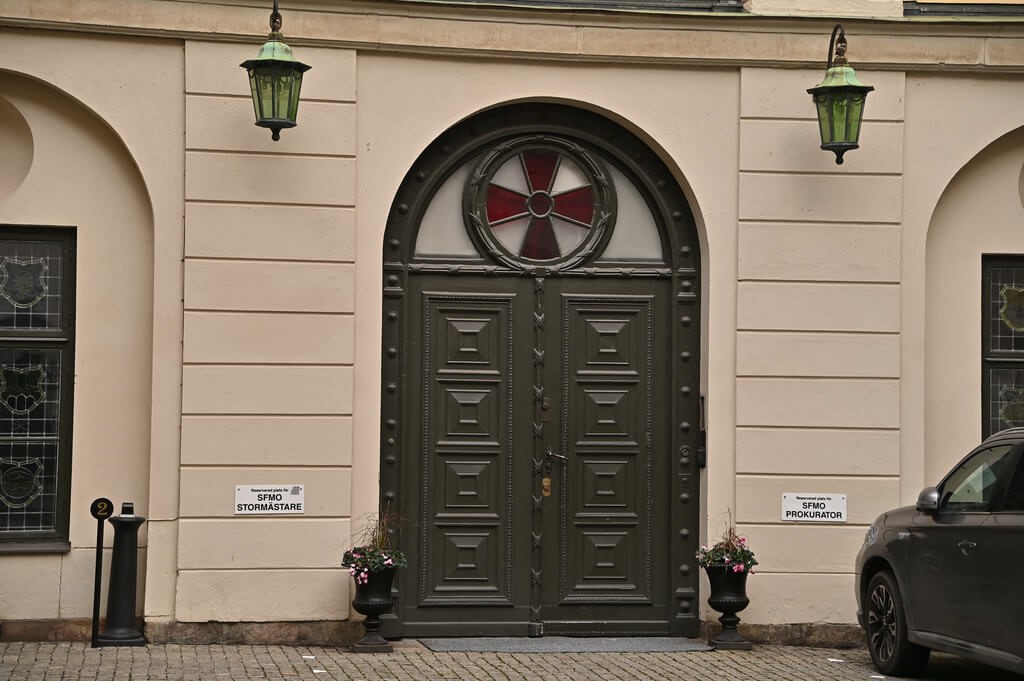
A Grand Lodge charters new Lodges, establishes the rules and regulations for its jurisdiction, and serves as the final authority on Masonic law. Its primary purpose is to ensure regularity, consistency, and harmony among the Lodges under its care.
The leader of a Grand Lodge is the Grand Master, who is elected by representatives from all the Lodges in the jurisdiction. The Grand Lodge sets the standard for ritual, defines the qualifications for membership, and handles disciplinary matters. It also often coordinates large-scale charitable programs and serves as the public face of Freemasonry within its territory.

Are all Grand Lodges connected?
No, there is no single, worldwide governing body for Freemasonry. Instead, the global Masonic community is a network of independent Grand Lodges that choose to be in "amity," or mutual recognition, with one another.
For one Grand Lodge to recognize another, it must be satisfied that the other adheres to certain core principles, known as the "ancient landmarks." These typically include a belief in a Supreme Being, the use of the Volume of the Sacred Law (like the Bible, Torah, or Quran) in the Lodge, and a prohibition on the discussion of politics and religion within the Lodge. This system of recognition allows a Mason from a Lodge in Ohio to visit a recognized Lodge in Japan and be welcomed as a Brother.

What are the main branches of Freemasonry?
After completing the three degrees of the Blue Lodge, a Master Mason can choose to join additional Masonic organizations to further his education. The two most prominent and widely recognized systems of additional degrees are the York Rite and the Scottish Rite.
It is a common misconception that these are "higher" ranks. They are not. The rank of Master Mason is the highest and final degree in all of Freemasonry. These additional bodies are considered appendant or concordant, meaning they are optional paths for further learning that build upon the foundation of the Blue Lodge.

What is the York Rite?
The York Rite is a series of degrees that expand upon the allegories and historical narratives introduced in the Blue Lodge. It is often described as being more Judeo-Christian in its symbolism and focuses on themes from the Old Testament and the history of the Knights Templar.
The York Rite is structured into three distinct bodies. The first is the Royal Arch Chapter, which confers degrees related to the recovery of lost knowledge from King Solomon’s Temple. The second is the Cryptic Council, whose degrees delve into the preservation of that knowledge. The final body is the Knights Templar Commandery, which confers chivalric orders based on the traditions of the medieval crusading knights.