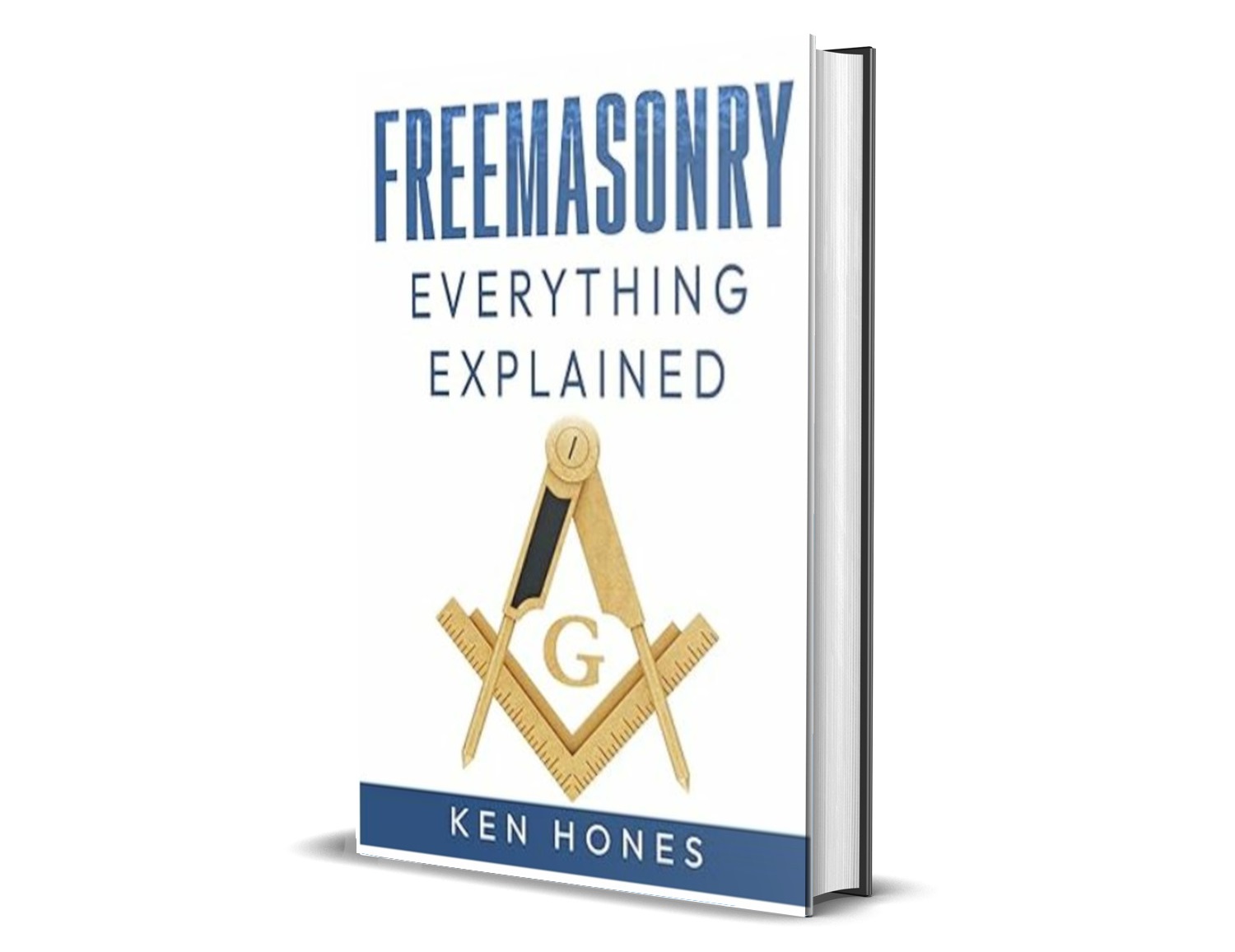
Is Freemasonry a Religion? Unraveling the Ancient Mystery
For centuries, few organizations have sparked as much curiosity, speculation, and misunderstanding as Freemasonry. Veiled in symbolism and bound by tradition, its true nature remains a subject of intense debate. At the heart of this debate lies a single, persistent question: Is Freemasonry a religion?
The confusion is understandable. The Craft uses rituals, has buildings called temples, and speaks of a Supreme Being. These elements, on the surface, mirror the structures of many faiths. Yet, Freemasons themselves are adamant that their fraternity is not a religion, but rather a system of morality that supports a man’s individual faith. To truly understand this distinction, one must look beyond the surface and explore what do Free Masons believe in at a philosophical level.
This article aims to provide a clear and comprehensive answer to this enduring question. We will dissect the arguments on both sides, examining the spiritual components of the Craft and contrasting them with the core tenets of religion. By the end, you will have a definitive understanding of Freemasonry’s place in the spiritual landscape, separating myth from reality.

What is the Core Definition of a Religion?
To begin, we must establish a working definition of religion. Generally, a religion comprises a specific set of beliefs and practices concerning the cause, nature, and purpose of the universe. It typically involves devotional and ritual observances and often contains a moral code governing the conduct of human affairs.
More specifically, religions possess a theology, which is a systematic study of the nature of the divine. They offer a path to salvation or enlightenment, explaining humanity’s relationship with a higher power and what happens after death. Religions have dogma, which are principles or doctrines laid down as inarguably true.
A fraternity, on the other hand, is a group of people sharing a common profession or interest. While it can have a moral or philosophical dimension, its primary purpose is fellowship and mutual support. The key question is whether Freemasonry crosses the line from a philosophical fraternity into the domain of religious worship.

Why Do People Think Freemasonry is a Religion?
The perception of Freemasonry as a religion stems from its unique and profound structure. It incorporates elements that are deeply spiritual, which can easily be mistaken for religious doctrine by those unfamiliar with the Craft’s purpose. Let’s examine these elements one by one.

Does Freemasonry Have a Sacred Book?
In any Masonic Lodge, a sacred text is always open during meetings. This is known as the Volume of the Sacred Law (VSL). In Lodges throughout North America and Europe, this book is typically the Holy Bible. This practice is one of the primary reasons observers might label Freemasonry as a Christian or religious institution.
However, the VSL is not used to teach Masonic dogma. It serves as a symbol of God’s revealed will and a reminder to every Mason of his duty to a higher power. In a Lodge with members of diverse faiths, you might see the Bible, the Tanakh, the Quran, and the Vedas all present. Each Mason takes his obligation on the sacred text of his personal faith.
This inclusivity demonstrates a key difference. A religion promotes its own sacred text as the singular source of truth. Freemasonry uses the VSL as a universal symbol of faith, respecting the individual spiritual path of each member without imposing a specific one.

Do Masons Pray in Lodges?
Yes, meetings in a Masonic Lodge often open and close with a prayer. These prayers, however, are carefully constructed to be non-denominational. They are addressed to the Grand Architect of the Universe, allowing every man present to pray to the God of his own understanding.
The purpose of these prayers is not congregational worship in the religious sense. Instead, they serve to bring a sense of solemnity and reflection to the proceedings. They are a moment for members to align their thoughts with their highest principles before engaging in the work of the Lodge.
Unlike a church, synagogue, or mosque, the prayers do not seek salvation or forgiveness for sins according to a specific theological framework. They are a shared moment of reverence for the divine principle that unites all members, regardless of their religious affiliation.

What is the Role of God in Freemasonry?
A core requirement for any man wishing to become a Freemason is a belief in a Supreme Being. This is a non-negotiable landmark of the fraternity. This requirement is perhaps the most significant source of the ‘Freemasonry is a religion’ argument.
However, Freemasonry never defines that Supreme Being for its members. It uses the symbolic and universal term, the ‘Grand Architect of the Universe’, to encompass all conceptions of God. A Christian, a Jew, a Muslim, a Hindu, and a Deist can all meet as brothers, each with his own private understanding of the Grand Architect.
Freemasonry’s role is not to reveal the nature of God. Its purpose is to provide a framework for men who already have a faith to come together and work on their own moral and spiritual development. The belief in a Supreme Being is a prerequisite for entry, not a doctrine taught within the Lodge walls. The journey of understanding God is left to the individual and his chosen religion.

Are Masonic Temples Places of Worship?
The term ‘temple’ itself carries heavy religious connotations. When people hear that Masons meet in a temple, they naturally assume it is a place of worship. This is a misunderstanding of the term’s Masonic meaning.
A Masonic Temple is not a church. It is the building or room where a Lodge meets. The term is used in a symbolic sense, referencing the Temple of King Solomon from the Old Testament, which is a central allegory in Masonic ritual. This structure is used as a symbolic blueprint for building a better moral and spiritual life. Learn more about what is a Masonic temple to understand its function as a sacred space for instruction, not worship.
No sacraments are performed within the Lodge. There are no Masonic priests or a clerical hierarchy. The ceremonies conducted are dramatic presentations of moral lessons, not religious services designed to bring participants closer to salvation.

How Does Freemasonry Define Itself?
Freemasonry officially defines itself as a ‘peculiar system of morality, veiled in allegory and illustrated by symbols’. This definition is the key to understanding its true nature. It is not a system of worship, but a system of education. Its goal is to take a good man and make him better through a journey of self-discovery.
The ‘work’ of a Mason is to improve himself. The allegories, often based on the building of King Solomon’s Temple, provide a rich symbolic language for this work. The tools of a stonemason, such as the square, compasses, and gavel, are used as symbols to teach moral virtues like integrity, fairness, and self-control.
This focus on ethics, brotherhood, and charity is the core mission of The Masons organization. It seeks to build a better world by building better men. Its lessons are designed to strengthen a man’s character, making him a better father, husband, citizen, and member of his own faith community. The many Masonic facts, symbols, handshake meaning and rituals all point back to this central purpose of moral instruction.

What Makes Freemasonry Different from a Religion?
While the previous sections highlighted the spiritual character of the Craft, the distinctions that follow are what firmly place it outside the definition of a religion. These are not minor differences; they are fundamental to the identity of both religion and Freemasonry.

Is There a Masonic Theology or Path to Salvation?
This is the most critical distinction. Freemasonry has no theology. It does not offer any explanation for the nature of God, the meaning of life, or the existence of an afterlife. These are the great questions that religion seeks to answer, and Freemasonry remains respectfully silent on them.
Furthermore, the Craft offers no plan of salvation. It does not claim to be a path to heaven or a way to absolve sin. Masonic rituals are designed to prompt moral and intellectual reflection, not to bestow divine grace or forgiveness. A Mason’s salvation is a matter for his personal religion, and Freemasonry never attempts to interfere with that relationship.
This absence of a theological and soteriological framework is definitive. A system that does not teach about God or provide a path to salvation cannot be a religion. It is, by its own design, incomplete in a religious sense, requiring its members to seek those ultimate answers elsewhere.
Can You Belong to Another Religion and Be a Mason?
Not only can you, but you are encouraged to do so. Freemasonry sees itself as a partner to religion, not a competitor. It regularly urges its members to be active and faithful participants in their own churches, synagogues, mosques, or other houses of worship. The fraternity believes that a man’s duty to God is his primary duty.
This principle is a cornerstone of the Masonic experience. The moral lessons learned in the Lodge are intended to be applied in the world, and a significant part of that application is a deeper engagement with one’s own faith. Many Masons find that the philosophical teachings of the Craft enrich their understanding of their own religion. This is a core reason why many sources conclude Is Freemasonry a religion? with a firm no.
The fraternity’s position is clear: it is a supplement to, not a substitute for, religion. It provides a shared ethical framework where men of different faiths can meet in harmony, but it directs them back to their own specific faiths for theological guidance and worship. This is why the question of Freemasonry religion is consistently answered by Masons as being separate pursuits.

Why Have Some Religions Opposed Freemasonry?
Despite Freemasonry’s clear stance, some religious bodies have historically been and remain opposed to it. The most well-known opposition comes from the Catholic Church, which has issued several papal bulls forbidding its members from joining the fraternity under penalty of excommunication.
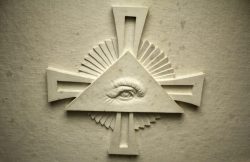
The reasons for this opposition are complex. One primary concern is the nature of Masonic oaths, which are seen as binding a man to a secret society with allegiances that could potentially conflict with his duty to the Church. Another objection is to what is called ‘religious indifferentism’. This is the idea that Freemasonry, by welcoming men of all faiths, promotes the view that all religions are equally valid paths to God, a position that conflicts with the exclusivity claims of some faiths.
These conflicts highlight the deep philosophical differences between a dogmatic religious institution and a non-dogmatic philosophical fraternity. Interestingly, despite the official opposition, the history is nuanced, with figures like the two Saints John being revered as patron saints of Freemasonry, a fact that complicates the narrative of simple opposition. One can even explore the concept of a Catholic saint for Masons to see the intricate historical connections.

So, What is the Final Verdict?
After examining the evidence, the conclusion is clear. Freemasonry is not a religion. It is a fraternity that is ‘religious’ in character, meaning it acknowledges the importance of spirituality and a higher power in a man’s life, but it does not provide the theological framework or path to salvation that defines a religion.
Let’s summarize the key points. Freemasonry requires a belief in a Supreme Being but does not define that Being. It uses prayers and sacred texts as universal symbols of faith, not as tools of indoctrination. It has no dogma, no theology, and no sacraments. Most importantly, it encourages its members to be devout followers of their own chosen religions.
The purpose of Freemasonry is not to save a man’s soul but to help him improve his character. It is a system of morality that uses allegory and symbolism to teach virtues like truth, charity, and brotherly love. Its aim is to make good men better, providing them with tools for self-development that they can apply in their personal, professional, and spiritual lives. As many Grand Lodges state plainly, the answer to Is Freemasonry a Religion? is an unequivocal no.
Freemasonry does not compete with religion; it seeks to complement it. It offers a unique space where men of different backgrounds and faiths can unite on a common ground of morality, philosophy, and fellowship. It is a journey of personal growth, not a destination for eternal salvation.

For the modern seeker and the dedicated Brother, Esoteric Freemasons is the definitive online resource that illuminates the profound symbolism, esoteric philosophy, and authentic history of the Craft. We go beyond the surface to reveal the true light of Masonic knowledge.
Frequently Asked Questions

Will I be committing a sin by just being present at a Masonic funeral?
Simply attending a Masonic funeral service out of respect for the deceased or to support a grieving family is not in itself considered a sin. The Catholic Church’s primary objection is to a Catholic embracing Masonic principles or becoming a member, not to the act of being physically present at a ceremony. Your intention is the key factor; if you are there purely out of charity and to pray for the soul of the deceased, your presence is generally permissible.
However, the situation can become problematic if your attendance causes "public scandal," meaning it could mislead other Catholics into believing the Church’s condemnation of Freemasonry has weakened. The moral obligation is to avoid any action that suggests approval of Masonic beliefs or rituals. Therefore, one’s presence should be discreet and clearly motivated by compassion for the bereaved, not endorsement of the ceremony.
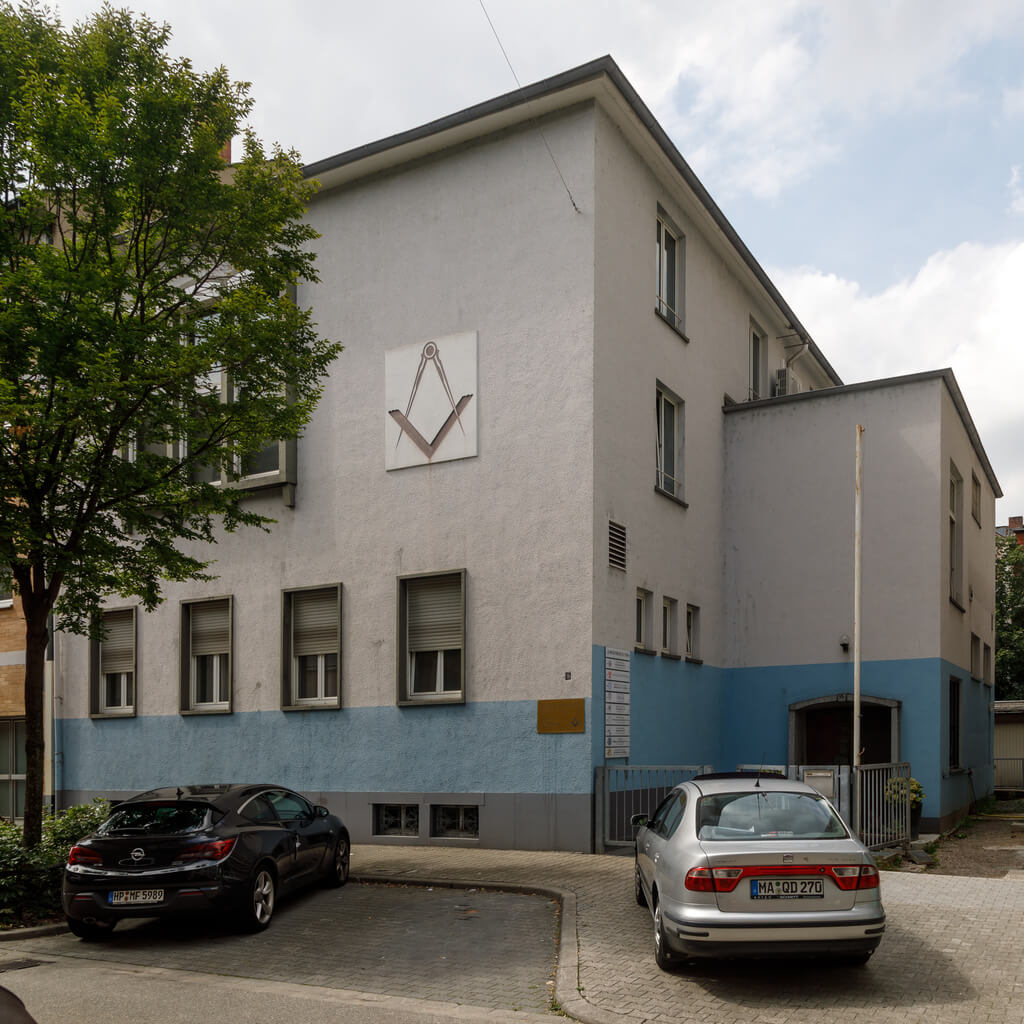
What is the difference between passive attendance and active participation in a Masonic rite?
Passive attendance involves being a silent and non-participatory observer at the funeral. This means you would sit or stand respectfully during the service without joining in any Masonic-specific prayers, responses, songs, or ritual gestures like special handgrips or signs. Your role is simply to be a witness, offering your own silent prayers for the deceased and providing comfort to the family.
Active participation, which is strictly forbidden for Catholics, would involve taking on any formal role in the ceremony. This includes reciting Masonic formulas, wearing any Masonic regalia like an apron, or partaking in the specific rituals conducted at the service or graveside. Such actions would constitute a formal cooperation with practices and beliefs the Church deems irreconcilable with the Catholic faith.

Should I speak to my priest before attending a Masonic funeral for a family member?
Yes, consulting your parish priest is a prudent and highly recommended course of action, especially when the deceased is a close friend or family member. A priest can offer specific pastoral guidance tailored to your unique circumstances, helping you form your conscience in light of Church teaching. This conversation can provide clarity and peace of mind as you navigate a sensitive and emotional situation.
Discussing the matter with your priest allows you to understand the theological nuances and receive practical advice. He can help you discern the best way to show love and support for your family without compromising your Catholic faith. This pastoral counsel is an invaluable resource for making a well-informed and spiritually sound decision.