The Unseen Engine: Unlocking the Power of Masonic Ritual, Allegory, and Ceremony
To the outside world, Freemasonry is often shrouded in an aura of mystery. Its traditions, passed down through centuries, are conducted behind the closed doors of a lodge. At the very heart of this ancient and honorable fraternity lies its most defining characteristic: ritual. This is not empty pageantry or the rote recitation of old words. It is a powerful and sophisticated educational system designed for personal growth.
The Masonic journey is a structured progression, a path of self-discovery that begins the moment a candidate first enters the lodge. This initial experience, the freemason first degree ritual, sets the stage for everything that follows. It uses a unique combination of allegory and ceremony to introduce foundational principles, encouraging a man to contemplate his place in the universe and his duties to his fellow man.
This method is what makes Freemasonry distinct. Instead of handing a new member a textbook of rules, it invites him to participate in a series of allegorical plays. Within these ceremonies, profound moral and philosophical lessons are embedded, waiting to be uncovered by the thoughtful and contemplative mind. The ritual is the engine that drives the entire Masonic experience.

Why Does Freemasonry Rely So Heavily on Ritual?
At its core, ritual provides a framework for a shared experience. It creates a common language and a universal bond that connects Masons across the globe, regardless of their country, religion, or background. When a Mason from Texas visits a lodge in Tokyo, he can understand and participate in the ceremony because the essential structure is the same.
This shared practice builds a deep sense of community and brotherhood. The repetition of the ritual is not meant to be monotonous but meditative. Each time a Mason participates, he has the opportunity to discover new layers of meaning in the symbols and allegories presented.
More importantly, Freemasonry defines itself as a ‘peculiar system of morality, veiled in allegory and illustrated by symbols’. The ritual is the vehicle for this system. It is a carefully constructed method of teaching that engages the mind, the emotions, and the senses, making the lessons far more impactful than a simple lecture.

What is Masonic Allegory and How Does It Work?
An allegory is a story or image that can be interpreted to reveal a hidden meaning, typically a moral or spiritual one. Freemasonry’s central allegory is based on the building of a great structure: King Solomon’s Temple. This grand project serves as a rich and complex metaphor for the building of a man’s character.
In this allegorical framework, a new Mason is represented as a rough ashlar, a raw, uncut stone taken from the quarry. The purpose of his Masonic journey is to learn how to use the symbolic tools of a stonemason to smooth and perfect that stone, transforming it into a perfect ashlar fit for use in the temple.
The tools themselves are symbols. The square teaches morality, the compasses teach us to circumscribe our desires and keep our passions in check, and the common gavel represents the force of conscience needed to chip away our vices. Every element of the allegory has a purpose, guiding a man on his path to becoming a better version of himself.

How Does Ceremony Transform Abstract Ideas into Lived Experience?
If allegory is the story, then ceremony is the act of bringing that story to life. It is the choreographed movement, the spoken words, and the physical environment that turn abstract concepts into a tangible, memorable experience. The ceremony ensures that the candidate is not a passive observer but an active participant in his own education.
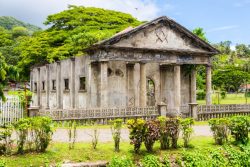
Think of the difference between reading about courage and being placed in a situation that requires you to demonstrate it. The latter is far more powerful. Masonic ceremony works in the same way. It uses the layout of the lodge room, the positions of the officers, and the candidate’s own movements to reinforce the lessons of the allegory.
This immersive approach engages all the senses and creates strong emotional and psychological connections to the principles being taught. The lessons are not just learned intellectually; they are felt. This is why a man who has been a Mason for fifty years can still find new meaning in the ceremonies he first experienced as a young man.

What Role Do Lodge Officers Play in the Ceremony?
The execution of a Masonic ceremony is a collaborative effort, with various officers holding specific responsibilities. Each role is essential to the seamless unfolding of the ritual drama. The officers act as guides and instructors for the candidate, their words and actions conveying different aspects of the Masonic allegory.
Central to this process is the leader of the lodge. The responsibility for conducting the ceremony with precision and dignity falls upon the Worshipful Master, who acts as the primary teacher. His skillful delivery of the ritual’s lectures and charges ensures that the lessons are communicated effectively and that the candidate’s experience is both meaningful and profound.

What Are the Core Lessons Taught Through Masonic Ritual?
The primary journey in Freemasonry unfolds across three degrees, often called the Blue Lodge degrees. Each degree represents a stage in a man’s personal and spiritual development, using the allegory of the temple builders to mark this progress.
The First Degree, or Entered Apprentice, is focused on beginnings. It is a degree of purification, of seeking light in a world of intellectual and spiritual darkness. The candidate is taught the importance of truth, charity, and the necessity of a belief in a Supreme Being as a foundation for a moral life.
The Second Degree, or Fellow Craft, represents the stage of intellectual growth and labor. This part of the ritual emphasizes the importance of education, particularly the study of the seven liberal arts and sciences. It encourages a Mason to expand his knowledge and use reason to understand the world around him.
The Third Degree, or Master Mason, is the culmination of the Blue Lodge journey. It confronts the candidate with the profound lessons of mortality, fidelity, and the hope of immortality. It teaches that while our physical lives are finite, a life lived with integrity and honor leaves a lasting legacy. It is through this progressive system that the true purpose and power of Freemasonry is gradually unveiled to the seeker.

Is Masonic Ritual Like a Theatrical Play?
On the surface, there are certainly theatrical elements. There is a script, which is the text of the ritual itself. There are costumes, in the form of aprons and other regalia. There are defined roles for the officers and a designated space, the lodge room, that serves as a stage.
Because of these elements, it is sometimes said that Masonic ritual takes the stage to convey its message. However, there is a fundamental difference. In a play, the audience is separate from the action, observing for entertainment or enlightenment. In a Masonic degree, the candidate is the central character.
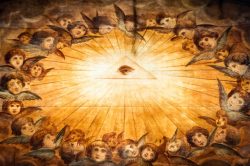
The entire ceremony is for his benefit. The drama unfolds around him and because of him. The objective is not entertainment but internal transformation. This participatory nature is the key to why Masonic ritual has been such an effective educational tool for centuries. It moves the lessons from the head to the heart.