Freemasonry Around the World: A Guide to Global Grand Lodges and Rites
To the uninitiated, Freemasonry can seem like a single, monolithic global entity. The reality is far more intricate and fascinating. The fraternity is a vibrant tapestry woven from countless individual threads, each representing a local lodge, a unique rite, and a sovereign governing body. Understanding this structure is the first step to truly appreciating the Craft’s worldwide reach and its enduring appeal.
The entire system of Masonic organization hinges on one central concept: the Grand Lodge. These are the supreme authorities of Freemasonry within a specific geographical territory, known as a jurisdiction. A jurisdiction could be a country, a state, or a province. It is this framework that allows Freemasonry to be simultaneously a global brotherhood and a deeply local experience.
Every Mason begins his journey in a particular lodge, chartered by and working under the authority of a specific Freemason Grand Lodge. This governing body sets the rules, preserves the traditions, and ensures that the ancient landmarks of the fraternity are upheld within its borders. This guide will explore that very structure, demystifying the world of Grand Lodges, rites, and the concept of Masonic recognition.

What Exactly is a Grand Lodge?
Think of a Grand Lodge as the administrative and spiritual heart of Freemasonry for its defined region. It is an independent and sovereign body, meaning no higher Masonic authority exists above it. Each Grand Lodge is responsible for governing the ‘Blue Lodges’ or ‘Craft Lodges’ within its jurisdiction, which are the local lodges where the first three degrees of Masonry are conferred.
The functions of a Grand Lodge are manifold. It issues charters, which are official documents that grant a new lodge the permission to meet and operate. It also publishes a Book of Constitutions, which outlines the laws, regulations, and principles all Masons and lodges under its purview must follow. This ensures consistency and preserves the integrity of the Craft.
At the head of each Grand Lodge is a Grand Master, who is typically elected to serve a term. He is the highest-ranking Masonic officer in that jurisdiction, acting as its chief executive and official representative. The Grand Lodge is also composed of other Grand Officers and representatives from each of the constituent lodges, forming a kind of Masonic parliament.

How is ‘Regularity’ Determined in Freemasonry?
To understand the global Masonic landscape, one must grasp the concept of ‘regularity’ and ‘recognition’. Regularity refers to a set of standards that a Grand Lodge must meet to be considered part of the mainstream, traditional fraternity. These standards, often called the ‘Ancient Landmarks’, are the foundational principles of the Craft.
While no universally agreed-upon list exists, the most widely accepted principles for regularity stem from the United Grand Lodge of England (UGLE), formed in 1717 and considered the world’s premier Grand Lodge. These tenets include an undogmatic belief in a Supreme Being, the presence of a Volume of the Sacred Law (like the Bible, Torah, or Quran) on the lodge’s altar, and the prohibition of discussing politics and religion within the lodge.
Another key principle of regularity is that lodges must be composed solely of men. When a Grand Lodge adheres to these standards, other regular Grand Lodges may choose to extend ‘recognition’. This is a formal acknowledgement that establishes a fraternal relationship, permitting members from each jurisdiction to visit each other’s lodges. It is a system of mutual, sovereign consent, creating a vast, interconnected network of regular Freemasonry around the globe.

What Are the Major Branches of Global Freemasonry?
The Masonic world is broadly divided into two major philosophical branches, a division that arose from differing interpretations of the core principles. This schism primarily centers on the concept of regularity and the strictness with which the landmarks are applied. Understanding this distinction is key to navigating the international Masonic community.

What Defines Anglo-American or ‘Regular’ Freemasonry?
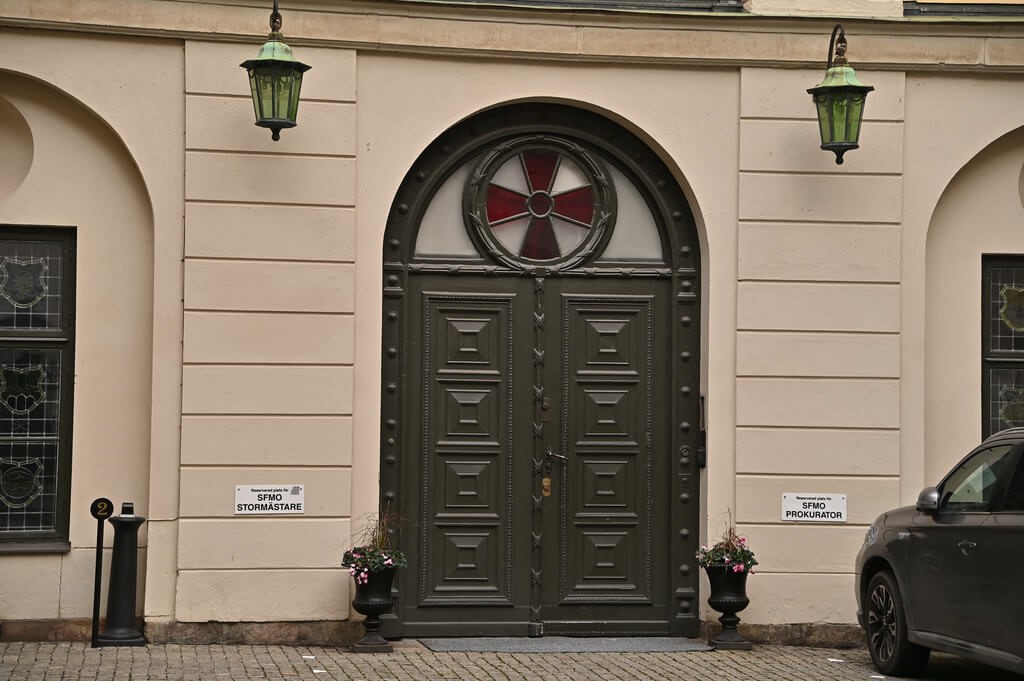
This is the largest and most widespread branch of Freemasonry. It includes the United Grand Lodge of England, the Grand Lodges of Ireland and Scotland, and the vast majority of Grand Lodges in North America, Australia, and many parts of Europe, Asia, and Africa. These Grand Lodges all adhere to the core principles of regularity, including the mandatory belief in a Supreme Being.
Within the United States, this network is robust and collaborative. Organizations like The United States Conference of Grand Masters exist to foster communication and cooperation among the sovereign Grand Lodges of the nation, though it holds no authority over them. This branch also includes Prince Hall Freemasonry, a historically African American branch of the fraternity that is now recognized by and in amity with a majority of US Grand Lodges.
This tradition represents what most people visualize when they think of the fraternity, and its long and storied past is deeply intertwined with world history. For those seeking a deeper dive into its origins and evolution, exploring the broader history of Freemasonry provides extensive context on its development and global impact.

What is Continental or ‘Liberal’ Freemasonry?
This branch of Freemasonry is most prominent in continental Europe and Latin America. Its most well-known exemplar is the Grand Orient de France (GOdF). The primary distinction arose in 1877 when the GOdF removed the requirement for its members to believe in a Supreme Being, instead embracing a principle of absolute freedom of conscience.
Due to this departure from a core landmark, the UGLE and other regular Grand Lodges withdrew their recognition of the GOdF, creating a major schism in the Masonic world that persists to this day. Continental Freemasonry is often described as ‘liberal’ or ‘adogmatic’. Many, but not all, of these jurisdictions also admit women and permit the discussion of social and political topics in their lodges.
It is important to note that these two branches, regular and liberal, generally do not have formal relations. This means that a Mason initiated in a regular lodge in Ohio, for example, would not be permitted to visit a lodge under the Grand Orient de France, and vice versa. They are considered two separate, parallel Masonic traditions.

How Do Masonic Rites Differ Around the World?
Beyond the structure of Grand Lodges, the global fraternity is further enriched by a variety of Masonic Rites. A Rite is a specific series of degrees that a Master Mason can choose to join to continue his Masonic education. The first three degrees, known as the Blue Lodge or Craft Masonry, are the foundation and are common to all regular Masons worldwide.
After becoming a Master Mason, an individual may choose to explore appendant bodies, which confer additional degrees and lessons. These bodies are organized into larger systems called Rites. While the moral and philosophical lessons are universal, the stories, symbols, and ceremonies used to teach them can vary significantly from one Rite to another.
Each system offers a unique path of further enlightenment, building upon the symbolic foundation of the first three degrees. The choice to join an appendant body is personal and is not required to be considered a full-fledged Mason. However, exploring these Rites reveals the incredible depth and diversity of Masonic thought and its many [unique Freemason rituals](https://esotericfreemasons.com/what-is-freemasonry/freemason-rituals/).

What Are the Most Common Rites?
While dozens of Rites have existed throughout history, two are by far the most prevalent and widely recognized in the Masonic world today. They offer different structures and thematic focuses, but both are dedicated to expanding upon the teachings of the Blue Lodge.