Unlocking the Door: A Look Inside a Masonic Lodge
For centuries, the Masonic Lodge has been a subject of intense curiosity and speculation. Shrouded in an aura of mystique, these buildings are often prominent yet private landmarks in towns and cities across the globe. Many people walk past them daily, wondering what secrets are kept within their walls and what purpose they serve in the modern world.
The term ‘Lodge’ itself has a dual meaning for a Freemason. It refers to the group of men who gather together as a chartered body of the fraternity. More commonly, however, it refers to the physical building or room where they meet. To truly understand Freemasonry, one must look past the myths and explore what is actually inside a Masonic Lodge, for it is here that the core tenets of the Craft are taught and experienced.
Stepping into a Masonic Lodge is to step into a world rich with symbolism and allegory. It is not a place of clandestine plotting, but a sanctuary for moral and philosophical education. The entire environment is designed to be a teaching tool, using space, furniture, and symbols to impart profound lessons about life, virtue, and one’s relationship with the divine and with humanity.

What is the Primary Purpose of a Masonic Lodge?
A Masonic Lodge serves as the fundamental unit of Freemasonry. It is a sacred space dedicated to the pursuit of self-improvement guided by the principles of Brotherly Love, Relief, and Truth. Here, men from all walks of life meet on equal footing, setting aside the distinctions of wealth, religion, or social status that might divide them in the outside world.
The purpose is not religious worship, though discussions are spiritual and philosophical in nature. Instead, it is a place for character building. Through shared rituals and symbolic instruction, members are encouraged to become better individuals: better fathers, husbands, sons, and citizens. The Lodge provides a structured environment for this journey of personal growth and mutual support.

What Does the Outside of a Masonic Lodge Look Like?
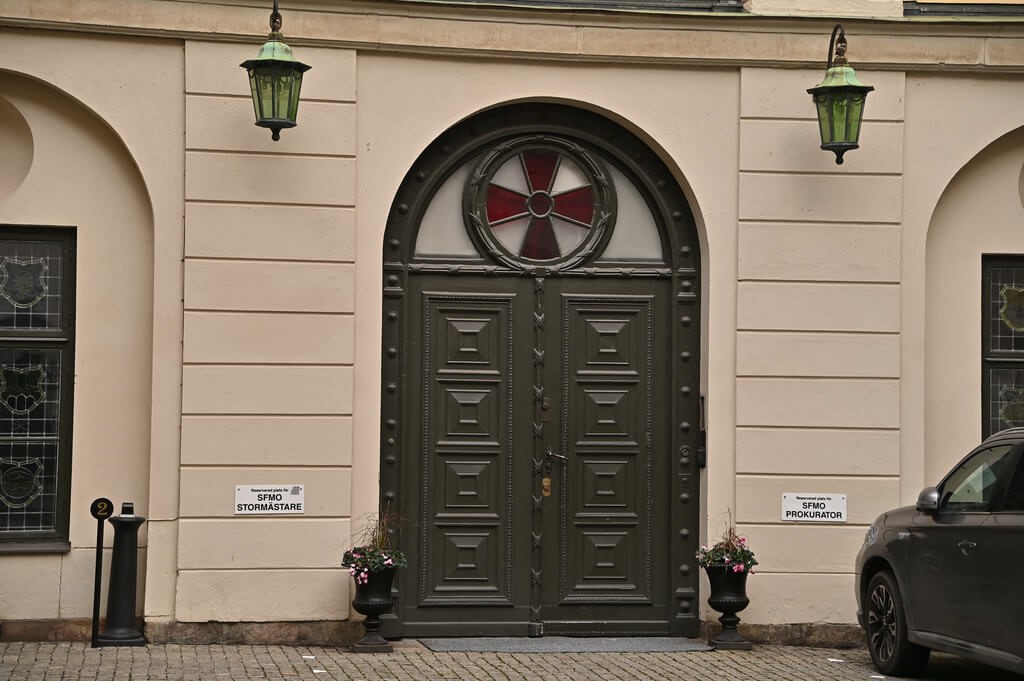
The exterior of a Masonic Lodge, often called a Masonic Temple or Hall, can vary dramatically. Some are grand, imposing structures with neoclassical columns and intricate stonework, clearly announcing their purpose. Others are surprisingly modest, sometimes occupying a floor in a commercial building or a simple, unassuming hall with little to distinguish it from its neighbors.
Regardless of its architectural style, you will almost certainly find one iconic symbol: the Square and Compasses. This emblem, often accompanied by the letter ‘G’, is the universal sign of Freemasonry. The Square represents morality and fairness, while the Compasses symbolize the importance of circumscribing one’s passions and keeping desires within due bounds. It is a public declaration of the values being cultivated within.

What Will You Find in the Main Lodge Room?
The heart of any Masonic building is the Lodge room itself. This is where all formal ceremonies and meetings take place. The room is a microcosm of the world, meticulously arranged to serve as a symbolic stage for the moral dramas of the Masonic degrees. While variations exist between jurisdictions, several key features are nearly universal.

Why is the Lodge Room Oriented East to West?
Upon entering a Lodge room, one of the first things a discerning observer might notice is its specific orientation. The room is laid out on an East-West axis, mirroring the path of the sun. This is deeply symbolic. The sun rises in the East to open and govern the day, and it sets in the West to close it. This celestial journey represents the path of human life and a Mason’s own journey from ignorance, represented by the darkness of the West, toward enlightenment, symbolized by the light of the East.
The Master of the Lodge, the presiding officer, is always seated in the East, which is the most honored position in the room. This placement reinforces his role as a source of knowledge and guidance for the Brethren, just as the sun illuminates the world. This orientation turns the room into a living allegory for personal and spiritual progress.

What is the Significance of the Black and White Floor?
One of the most striking features of a Lodge room is the mosaic pavement, a floor of alternating black and white tiles. This checkered pattern represents the duality of human existence. It symbolizes the light and shadow, joy and sorrow, good and evil that are constant parts of our lives. It serves as a powerful reminder to every Mason of the need to navigate this complex terrain with integrity and moral fortitude.
Walking upon this floor, a Mason is reminded that life is a mixture of opposing forces. The goal is not to exist only in the light or to deny the darkness, but to find balance and to maintain a righteous path through the inevitable challenges and triumphs of life. It is a foundational symbol upon which all other lessons are built.

What are the Three Great Lights of Masonry?
At the very center of the Lodge, typically upon an altar, rest the Three Great Lights of Freemasonry. These are the Volume of the Sacred Law, the Square, and the Compasses. The Volume of the Sacred Law is the most important of these. While often the King James Bible in lodges in the English-speaking world, it can be the holy book of any faith, such as the Quran, Torah, or Vedas, depending on the beliefs of the Lodge’s members.
The Volume of the Sacred Law represents humanity’s acknowledged duty to a higher power and provides the moral and spiritual guidance for a Mason’s life. The Square is a tool for teaching morality and the importance of acting with fairness and virtue toward all. The Compasses teach a Mason to circumscribe his desires and keep his passions in check, promoting self-control and discipline.

What is the Altar in the Center?
The altar is the central focal point of the Lodge room. It is not an altar for sacrifice or worship in a religious sense, but rather a pedestal for the Three Great Lights. It is considered the most sacred and important piece of furniture in the Lodge. All Masonic business is conducted around it, and it is where candidates take their solemn obligations during initiation ceremonies.
Its central location signifies that the principles represented by the Great Lights—faith, morality, and discipline—are at the very heart of Freemasonry. Everything a Mason does within the Lodge symbolically revolves around these core tenets. The altar serves as a constant physical reminder of the fraternity’s moral and spiritual foundation.

Who Sits in the Three Principal Chairs?
Three principal officers govern a Masonic Lodge, and each occupies a specific station within the room. The Worshipful Master sits in the East, representing wisdom. He is responsible for governing the Lodge and for the content of its meetings. His position in the East, the source of light, symbolizes his role in illuminating the minds of t