Is Freemasonry a Religion? Unveiling the Truth Behind the Temple Doors
It is one of the most persistent questions surrounding the ancient and honorable fraternity of Freemasonry. Is it a secret society? Is it a pathway to power? But most enduringly, people ask if Freemasonry is a religion. The symbols, the use of a sacred altar, and the requirement of a belief in a higher power all contribute to this widespread confusion. The answer, however, is a clear and resounding no. Freemasonry is not a religion, nor is it a substitute for one.
While it is a fraternal organization that is spiritual in nature, it does not possess the core tenets of a religious system. It has no specific dogma, no path to salvation, and no clergy. To truly grasp why this distinction is so vital, one must look closely at the foundational principles of the Craft. A deeper understanding begins when you explore what do free masons believe in and how those beliefs shape their identity as a fraternity, not a church.
This article will delve into the heart of this question. We will dissect the elements of Freemasonry that appear religious, contrast them with the defining characteristics of organized faith, and clarify the fraternity’s true purpose. By examining the evidence, we can separate myth from reality and provide a definitive answer to this long-standing debate.

What Defines a Religion?
Before we can analyze Freemasonry, we must first establish a working definition of religion. Generally, a religion includes a specific set of beliefs concerning the cause, nature, and purpose of the universe. This often involves the worship of a superhuman controlling power, typically a personal God or gods.
Religions provide their followers with a moral code, rituals, and a theological framework that explains humanity’s place in the cosmos. They offer a path to salvation or spiritual enlightenment, an afterlife, and a system of worship led by a designated clergy such as priests, imams, or rabbis. These components are fundamental to a system of faith. Without them, an organization is something else entirely.

Why Do Some People Think Freemasonry is a Religion?
The confusion is understandable. From an outsider’s perspective, Freemasonry possesses several attributes that mirror religious practice. These superficial similarities, often amplified by fictional portrayals and historical critiques, have created a powerful and lasting misconception. Let’s examine these points of confusion one by one.

Does Freemasonry Have Rituals and Ceremonies?
Yes, Freemasonry is a ritualistic organization. Its ceremonies, known as degrees, are allegorical plays that use symbolism to teach moral and ethical lessons. These rituals are central to the Masonic experience, marking a member’s progression and imparting the fraternity’s core values of brotherly love, relief, and truth.
However, these rituals are not acts of worship. They are dramatic presentations designed for moral instruction and self-improvement. While they are serious and solemn occasions, their purpose is to make good men better, not to provide a means of communing with a deity or securing salvation. The focus is on earthly character, not heavenly reward.

Do Masons Use a Holy Book?
In every Masonic lodge, a holy book is open upon the central altar during meetings. This book is referred to as the Volume of the Sacred Law. For lodges in the United States and Europe, this is typically the Holy Bible. This practice is one of the biggest sources of confusion for the general public.
The key distinction is how the book is used. In a religious service, a holy text is read for doctrinal instruction and divine law. In a Masonic lodge, the Volume of the Sacred Law serves as a symbol of man’s revealed will of God and a reminder to each Mason of his personal duty to a higher power. A Christian Mason will take his obligations on the Bible, a Jewish Mason on the Tanakh, and a Muslim Mason on the Quran. It represents the divine in a universal sense, not a specific creed.

Is Belief in God a Masonic Requirement?

To become a Freemason, a candidate must profess a belief in a Supreme Being. This is a non-negotiable landmark of the fraternity. This requirement is not intended to be a religious test but rather to ensure that every member has a moral anchor and acknowledges a power greater than himself. Atheists are not permitted to join because the entire moral framework of Masonry is built upon this foundational belief.
This requirement, however, is purposefully non-denominational. Freemasonry does not care what you call that Supreme Being or how you worship. It is a personal matter for each Mason. This inclusive approach is fundamentally different from a religion, which by its nature promotes a specific understanding and worship of God.

How is Freemasonry Different From a Religion?
While the similarities can be misleading, the differences are what truly define Freemasonry’s identity. The fraternity deliberately avoids the essential components that constitute a religion. Its purpose is to unite men of different faiths, not to create a new one.
This separation is a point of pride and a critical aspect of its global appeal. Many official sources are clear on this distinction, emphasizing that the fraternity is a system of morality, not a religion. For an official perspective, many Grand Lodges offer clear explanations, as seen in this general FAQ about Freemasonry and religion. This official stance underscores the core identity of the Craft.

Does Freemasonry Have a Specific Theology?
No. Freemasonry has no unique theological doctrine. It offers no explanation for the nature of God, the story of creation, or the concept of an afterlife. These are the domains of a man’s individual faith, and the lodge room is a place where these topics are not debated.
This is why men from virtually every major religion can meet together in harmony within a lodge. A Christian, a Jew, and a Muslim can all share the title of Brother without compromising their personal beliefs. A religion, by contrast, is defined by its specific theology. Freemasonry’s strength lies in its lack of one.

Does Freemasonry Offer a Path to Salvation?
Absolutely not. Freemasonry does not claim to have a plan for eternal salvation. It provides no sacraments, no redemptive acts, and no promise of a specific afterlife. The lessons of Freemasonry are designed to improve a man’s character and his conduct in this life.
While Masons are encouraged to be faithful to their personal religious convictions, the fraternity itself offers no such path. Its focus is on morality, ethics, and personal development on Earth. The question of salvation is left to the individual and his chosen house of worship.

Are There Masonic Priests or Clergy?
Freemasonry has no clergy. The officers of a lodge, including the Worshipful Master who presides over it, are elected members of the fraternity. They are teachers and administrators, not priests or ministers. They lead rituals and manage the lodge’s affairs, but they do not claim any special spiritual authority.
This lack of a priestly class is a fundamental difference between Freemasonry and religion. There is no one in Masonry who can forgive sins, interpret holy scripture for the group, or act as an intermediary between a member and God. The relationship with the Supreme Being remains a personal one for every Mason.

What is the Great Architect of the Universe?

To bridge the gap between men of different faiths, Freemasonry uses the term ‘Great Architect of the Universe’. This is a universal title for the Supreme Being, allowing every Mason to refer to God in a way that aligns with his own personal beliefs. For a Christian, the Great Architect is the Holy Trinity. For a Jew, it is Adonai. For a Muslim, it is Allah.
This term is not an attempt to create a new, singular Masonic god. It is an inclusive piece of terminology that respects the diverse faiths of its members. Misinterpretations have led to some strange theories, such as the idea of a trinity of Masonic gods, but these are based on a misunderstanding of Masonic symbolism and allegory, not on actual Masonic teaching.
The non-denominational approach extends through all degrees of Masonry. Even in advanced bodies, the core principle remains. Questions often arise about higher degrees, with some asking who is the god of the 33rd degree Mason, but the answer is the same. The god of a 33rd degree Mason is the same god he worshipped before he ever joined the fraternity. The title Great Architect of the Universe remains a symbol of that personal faith.

How Do Official Masonic Sources Address This Question?
Masonic organizations and scholars consistently and publicly state that Freemasonry is not a religion. They see the distinction as crucial to their identity. They describe the Craft as a ‘system of morality, veiled in allegory and illustrated by symbols’. Its purpose is to provide a space for personal growth and brotherhood.
Many Masonic writers and jurisdictions have published essays and documents to clarify this point. These resources are meant to educate both members and the public, dispelling the myths that have clung to the fraternity for centuries. The view from within is unambiguous, as many Masons themselves will attest that Freemasonry is not a religion but a beautiful system of morality. The consensus is clear: Masonry supports religion but never seeks to supplant it.
Other researchers have also explored this topic from a more neutral, academic standpoint. Their conclusions often align with the fraternity’s own statements, analyzing the structure and function of the organization. Many outside observers also conclude that while it has religious elements, a full analysis shows that is Freemasonry a religion is a question with a negative answer when compared to established definitions. It simply does not meet the criteria.

Where Can I Learn More About Masonic Beliefs?
The enduring mystique of Freemasonry has led to a vast body of literature, ranging from scholarly analysis to sensationalist fiction. For those seeking a genuine understanding, it is crucial to consult reliable sources that separate fact from fantasy. The history and philosophy of the Craft are complex and rewarding subjects for those willing to look beyond the surface.
For a broad overview of its history, structure, and relationship with various world religions, the entry for Freemasonry on Wikipedia provides a well-sourced starting point. It offers a neutral look at the fraternity’s origins and its evolution over the centuries, touching upon many of the controversies and points of interest.
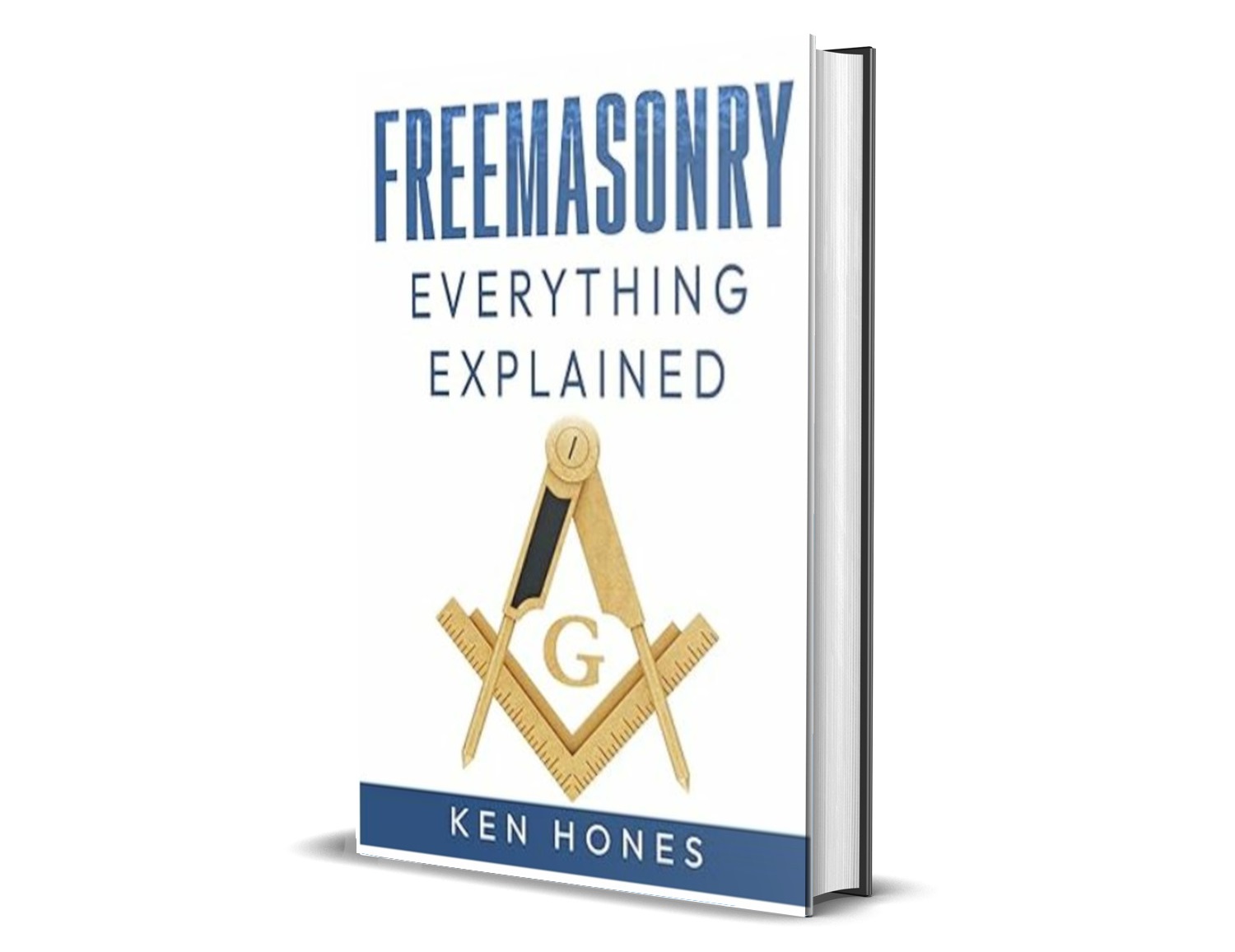
For those who wish to delve deeper into the philosophical and symbolic aspects of the Craft, a wealth of knowledge can be found in print. There are countless books about Masons written by both members and academic researchers. These works explore the rich tapestry of Masonic thought, from its ethical teachings to its esoteric underpinnings, providing a much clearer picture than any conspiracy theory ever could.
In conclusion, the evidence is overwhelming. Freemasonry is not a religion. It is a secular, fraternal organization that uses the language and symbols of architecture and morality to build better men. It requires a belief in a Supreme Being to establish a universal moral foundation, but it demands no specific religious creed. It offers moral instruction through ritual, not a path to salvation. It is governed by elected officers, not a divinely appointed clergy.
Freemasonry is a friend to religion, a partner in the project of building a better world through the improvement of individual character. It encourages its members to be active in their respective faiths, believing that a man’s spiritual life is essential to his overall well-being. The lodge does not replace the church, synagogue, or mosque; it complements it. The truth behind the temple doors is not a new religion, but a timeless method for self-discovery and brotherhood.
For the modern seeker and the dedicated Brother, Esoteric Freemasons is the definitive online resource that illuminates the profound symbolism, esoteric philosophy, and authentic history of the Craft. We go beyond the surface to reveal the true light of Masonic knowledge.
Frequently Asked Questions

Has the Church’s position on Freemasonry ever softened over time?
While there have been periods of confusion, the Catholic Church’s core judgment that Freemasonry is incompatible with the faith has remained firm and unchanged. The 1917 Code of Canon Law explicitly named the Masons and imposed automatic excommunication on any Catholic who joined. When the revised 1983 Code of Canon Law was released, it did not explicitly name the Masons, leading some to incorrectly believe the ban had been lifted.
To eliminate this confusion, the Vatican’s Congregation for the Doctrine of the Faith issued a declaration just before the 1983 Code took effect. This declaration affirmed that the Church’s negative judgment remains unchanged because Masonic principles are irreconcilable with Church doctrine. Therefore, Catholics who enroll in Masonic associations are in a state of grave sin and may not receive Holy Communion.

What specific Masonic beliefs or practices conflict with Catholic doctrine?
One of the primary conflicts lies in the nature of Masonic oaths and the concept of secrecy. The elaborate and binding oaths, often sworn on a Bible and invoking God’s name for fraternal secrets and allegiances, are seen by the Church as a grave misuse of a sacred act. This binding secrecy can also create a conflict of conscience, potentially placing a Mason’s loyalty to the lodge above their duties to their faith, family, or country.
Furthermore, the Church fundamentally objects to the religious indifferentism inherent in Masonic philosophy. Freemasonry unites members under a vague, deistic concept of a "Great Architect of the Universe," treating all religions as equally valid paths to enlightenment. This directly contradicts the Catholic teaching that Jesus Christ and His Church are the unique and necessary path to salvation, making the Masonic worldview irreconcilable with core Catholic dogma.


If Freemasonry isn’t a religion, why does the Church treat it like a competing faith?
While Freemasonry asserts it is a "system of morality" rather than a religion, the Church views its structure and practices as having a religious character. Masonic lodges utilize elements like altars, ritual prayers, sacred books, and teachings about a Supreme Being and the afterlife, which constitute a form of naturalistic religion. This framework offers a parallel spiritual and moral path that operates entirely outside of divine revelation as understood by the Church.
This alternative spiritual system is problematic because it promotes a philosophy that is incompatible with Catholicism. By proposing a universal brotherhood that transcends specific religious doctrines, it relativizes the unique truth claims of the Catholic faith. Consequently, the Church does not see it as a simple civic club but as a powerful philosophical system with its own rites and worldview that directly challenge and undermine fundamental Catholic teachings.