Decoding the Masonic Brotherhood: A Guide for the Curious
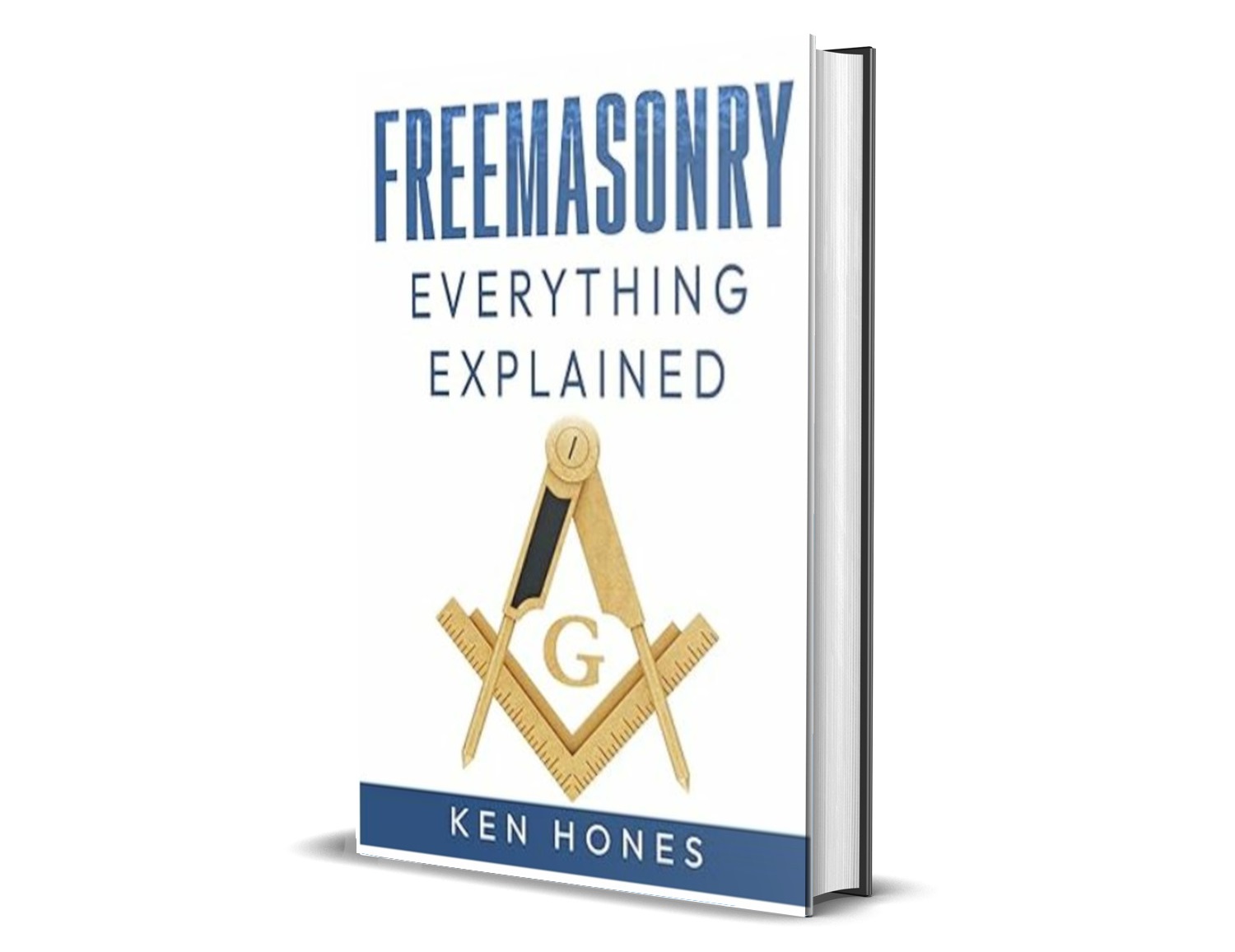
What is this ancient and mysterious organization known as Freemasonry? You have likely seen its primary symbol, the Square and Compasses, on buildings, rings, or car emblems. It sparks curiosity, whispers of secrets, and conjures images of historical figures meeting in candlelit rooms. But behind the veil of speculation lies a rich and enduring tradition dedicated to something surprisingly simple, yet profound, making good men better.
This is not a secret society plotting in the shadows. It is a fraternal order, the oldest and largest in the world, with a singular focus on moral and spiritual development. It uses the timeless tools and allegories of ancient stonemasons not to build cathedrals of stone, but to build temples of character within each of its members. This is the story of the Freemason fraternal organization, a journey from the guilds of the Middle Ages to the challenges of the modern world.

What is Freemasonry at its Core?
At its heart, Freemasonry is a voluntary, fraternal organization that provides a structured system for moral instruction and self-improvement. Its members are taught its principles, which are referred to as the "tenets," through a series of ritual dramas that use the symbolism and tools of stonemasonry to impart valuable life lessons.
The entire philosophy of the Craft can be distilled into three great principles: Brotherly Love, Relief, and Truth. Brotherly Love is the practice of tolerance and respect for the opinions of others, and behaving with kindness and understanding toward all of humanity. It is the bond that unites men of diverse backgrounds into a single, cohesive family.
Relief is the Masonic duty to care for the community and for fellow members and their families in times of need. This principle manifests as vast charitable efforts, from local food drives and scholarships to the operation of major philanthropic enterprises like children’s hospitals and medical research facilities. It is charity in its purest, most active form.
Truth is the highest aim, representing the quest for knowledge and understanding, both of the world and of oneself. Masons are encouraged to pursue truth through reason, study, and introspection, living a life of integrity and purpose. It is a lifelong journey toward becoming a more virtuous and enlightened individual.
Where Did Freemasonry Come From?
The history of Freemasonry is a fascinating evolution from a practical trade guild into a philosophical society. Its roots are firmly planted in the soil of medieval Europe, among the skilled craftsmen who built the magnificent cathedrals and castles that still stand today.

Did it really begin with stonemasons?
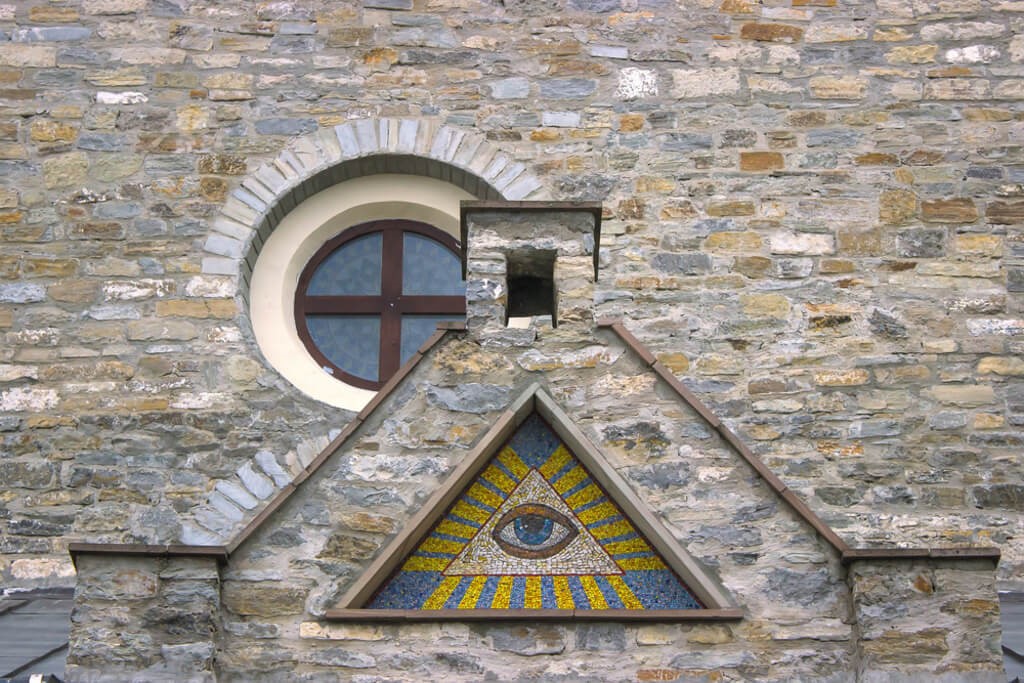
Yes, the direct lineage of Freemasonry traces back to the operative stonemason guilds of the Middle Ages. These were not just laborers, they were highly skilled architects, engineers, and artists who possessed coveted knowledge of geometry and construction. To protect their trade secrets and ensure quality work, they formed lodges, which served as both workshops and meeting places.
Within these lodges, masons shared their knowledge and regulated their craft. They developed secret modes of recognition, such as specific words and handshakes, to prove their qualifications and rank as they traveled from one construction site to another. This system ensured that a master mason from one project could be recognized and paid appropriately at another, safeguarding their livelihood and the integrity of their profession.

When did modern Freemasonry start?
Modern, or "speculative," Freemasonry as we know it today was officially born on June 24, 1717. On that day, four lodges in London, England, met at the Goose and Gridiron Alehouse and joined together to form the first Grand Lodge of England. This event marked the formal transition from an operative craft to a speculative one.

By the early 18th century, the great era of cathedral building was waning, and stonemason lodges began accepting men who were not actual stonemasons. These "accepted" or "speculative" Masons were gentlemen, thinkers, and men of influence who were drawn to the moral philosophy and harmonious fellowship of the lodges. They adopted the tools and symbols of the operative masons, reinterpreting them as guides for personal character building, a practice that defines the fraternity to this day.

What Do Masons Actually Do in a Lodge?
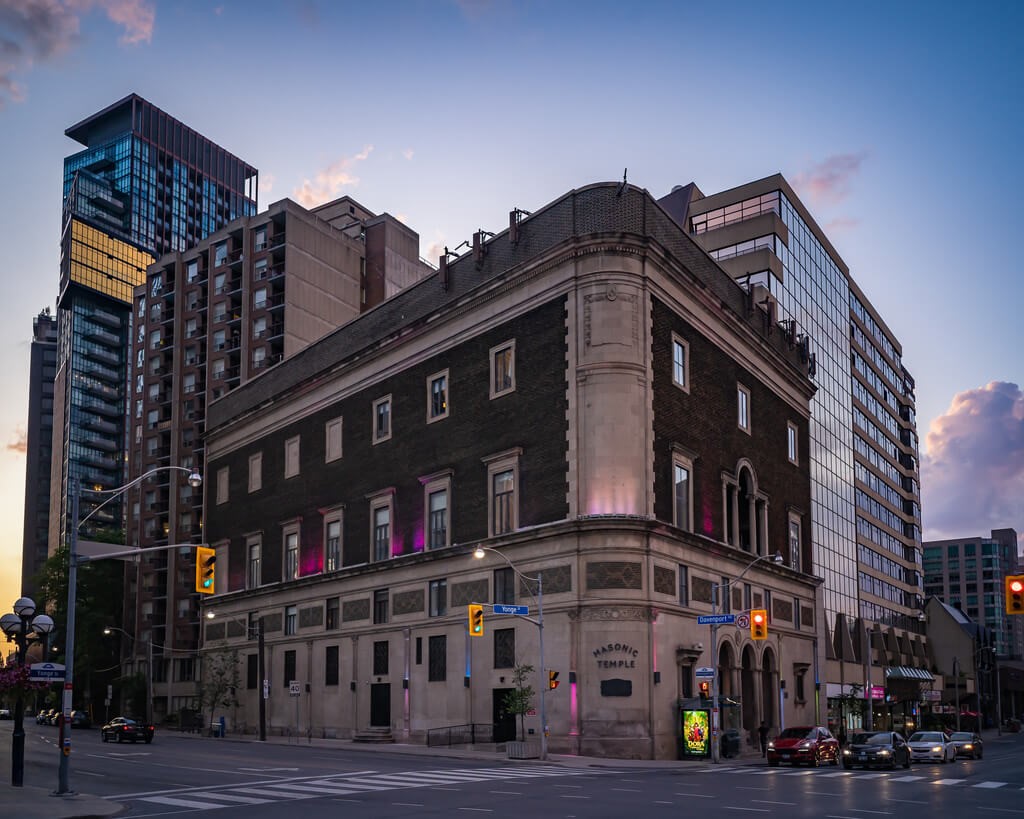
A Masonic lodge is the fundamental unit of Freemasonry, and its meetings are the cornerstone of the Masonic experience. Far from the sensationalized depictions in popular culture, lodge activities are structured, meaningful, and centered on brotherhood, business, and education.

What happens during a Masonic meeting?
A typical Masonic meeting, often called a "stated communication," involves a combination of ritual, business, and fellowship. Meetings are opened and closed with a formal, non-denominational ceremony that reminds members of their shared values and duties. The main part of the meeting is dedicated to the lodge’s business, which includes reading minutes, voting on financial matters, planning charitable activities, and discussing community events.
Following the business portion, there may be an educational presentation on a point of Masonic history, philosophy, or symbolism. The meeting concludes with a closing ritual, and members often gather for a meal afterward. This social time, known as the "festive board," is crucial for strengthening the bonds of friendship and brotherhood that are central to the Masonic experience.

What are the Masonic degrees?
The foundational Masonic experience is conveyed through a series of three symbolic degrees: Entered Apprentice, Fellowcraft, and Master Mason. These degrees are not ranks to be achieved, but rather stages in a continuous journey of personal development, presented through allegorical plays or ceremonies.
The Entered Apprentice degree is the first step, representing a candidate’s symbolic birth into the Masonic world. Its lessons focus on the basics of morality, the importance of learning, and the need for faith and trust. It is a time for introspection and beginning the work of chipping away one’s own imperfections.
The Fellowcraft degree represents the stage of manhood and intellectual growth. Its teachings emphasize the importance of education, the pursuit of knowledge through the liberal arts and sciences, and the application of those lessons in one’s work and life. It encourages a Mason to become a more productive and informed member of society.
The Master Mason degree is the culmination of this initial journey, dealing with the themes of maturity, wisdom, and the confrontation of mortality. It teaches powerful lessons about integrity, loyalty, and the importance of living a virtuous life that leaves a positive legacy. Upon completing this degree, a man is considered a full member of the fraternity, with all the rights and responsibilities that entails.
Why is there so much symbolism?
Freemasonry uses symbolism, primarily derived from the tools of stonemasonry, as its primary method of teaching. This approach is based on the idea that abstract moral concepts are more easily understood and remembered when they are connected to tangible objects and allegorical stories.
Each symbol has a specific moral application. The square, for instance, teaches Masons to "square their actions" with the principles of virtue and morality. The compasses remind them to "circumscribe their desires" and keep their passions within due bounds. The plumb rule represents uprightness of character, while the level signifies the fundamental equality of all men. This rich symbolic language provides a universal framework for self-reflection and moral guidance.

Who Can Become a Freemason?

Freemasonry is an inclusive fraternity, but it does have a set of core requirements for membership that have remained consistent for centuries. These standards are designed to ensure that new members are prepared to embrace the fraternity’s values and contribute positively to the lodge environment.

What are the main requirements for joining?
To be eligible to join a mainstream Masonic lodge, a candidate must meet several key criteria. First, he must be a man of lawful age, which is typically 18 or 21 depending on the specific jurisdiction. Second, he must be a man of good moral character and reputation in his community, a requirement often verified through references and a background check.
Most importantly, a candidate must express a belief in a Supreme Being. Freemasonry is not dogmatic and does not require adherence to any particular religion, but it does require this foundational belief as a basis for the moral and spiritual lessons it teaches. Finally, a man must join of his own free will and accord, without being coerced or motivated by personal gain. The phrase often used is "to be one, ask one," meaning the individual must initiate the process himself.

Is Freemasonry a religion?
No, Freemasonry is not a religion, and it is not a substitute for religion. While it requires a belief in a Supreme Being and its ceremonies are of a spiritual nature, it does not have a specific theology, creed, or holy book of its own. It does not offer a path to salvation or dictate how a member should worship.
Instead, Freemasonry is a place where men from different faiths, Christian, Jewish, Muslim, and others, can come together in a spirit of harmony and brotherhood. Religious and political discussions are strictly forbidden within the lodge to maintain this peaceful environment. A Mason’s religious duties are considered a private matter between him and his Creator, and he is encouraged to be active in the faith of his choice.

Are women and people of all races welcome?
Traditional, or mainstream, Freemasonry is a fraternity for men. However, there are many related organizations within the wider Masonic family that are open to women. The most prominent of these is the Order of the Eastern Star, which is open to Master Masons and their female relatives. There are also separate and independent Masonic bodies, often called "Co-Masonic," that admit both men and women.
Regarding race, the principles of Freemasonry are fundamentally inclusive. The tenet of Brotherly Love teaches that all men are equal, regardless of race, creed, or station in life. While there were periods in history where some lodges practiced racial discrimination, contrary to Masonic ideals, modern mainstream Grand Lodges are open to men of all races and ethnicities, and they actively condemn racism as being wholly incompatible with the teachings of the Craft.

Why is Freemasonry Considered a Secret Society?
The label "secret society" has followed Freemasonry for centuries, fueling endless speculation and conspiracy. The reality, however, is far less mysterious. Freemasonry is more accurately described as a ‘society with secrets’ rather than a secret society.

What are the “Masonic secrets”?
The true secrets of Freemasonry are few and are primarily concerned with its traditional modes of recognition. These are the specific signs, tokens, and words, essentially the handshakes and passwords, that allow one Mason to recognize another. These customs are a legacy from the operative era, when they served a practical purpose in identifying a man’s qualifications as a stonemason.
Today, these "secrets" are maintained as a matter of tradition and to preserve the unique experience of the degree ceremonies for new candidates. The broader aims, principles, locations of lodges, and identities of its members are all public knowledge. Freemasonry’s constitution and rules are widely available, and it is not hiding its existence or its purpose, which is to promote morality, charity, and brotherhood.

What about the conspiracy theories?
The conspiracy theories surrounding Freemasonry are largely the product of historical prejudice, misunderstanding, and a natural human tendency to be suspicious of any private group. For centuries, anti-Masonic writers have misinterpreted its symbols and allegories, attributing sinister motives where none exist.
Theories claiming that Masons control world governments or are plotting a "New World Order" fundamentally misunderstand the nature of the organization. Freemasonry is not a monolithic entity with a single political agenda. It is a decentralized collection of independent Grand Lodges, each governing itself. While many influential leaders throughout history have been Masons, they acted as individuals, not as agents of a Masonic conspiracy. The Craft’s focus remains steadfastly on improving the individual man, not on exercising worldly power.

What is the Role of Freemasonry Today?
In a world that is increasingly digital, polarized, and disconnected, Freemasonry offers a unique and valuable space for men seeking connection, purpose, and personal growth. Its principles are as relevant today as they were three hundred years ago.

How do Masons contribute to the community?
Freemasons are deeply committed to philanthropy and community service, fulfilling their tenet of Relief. The scale of Masonic charity is immense. In North America alone, Masonic organizations contribute millions of dollars every single day to a wide range of causes.
This charity takes many forms. It includes the world-renowned Shriners Hospitals for Children, which provide expert medical care to children regardless of their family’s ability to pay. It also includes the Scottish Rite’s support for childhood language disorder clinics, as well as countless local scholarships, blood drives, and support for public schools and community initiatives organized by individual lodges.

What does Freemasonry offer a modern man?
For the modern man, Freemasonry provides a rare opportunity for genuine, face-to-face fellowship. In an age of social media and fleeting digital interactions, the lodge offers a stable community where men from all walks of life, different professions, and diverse backgrounds can connect on a deeply personal level, united by shared values rather than divided by politics or religion.

It offers a structured path for self-improvement, a "moral compass" to navigate the complexities of life. It provides mentorship, leadership training, and public speaking experience in a supportive environment. Above all, it offers a quiet haven from the noise of the outside world, a place to reflect on one’s character, purpose, and legacy, and to become a better man, husband, father, and citizen.
Frequently Asked Questions

How much does it cost to be a Freemason?
The cost of being a Freemason is quite modest. There is typically a one-time initiation fee for the three degrees, which covers the cost of materials and administrative work. After that, members pay annual dues to their lodge, which are used to cover the lodge’s operating expenses, building maintenance, and contributions to the Grand Lodge.

Do you have to be invited to join?
No, you do not have to be invited. In fact, a core tradition is that a man must seek out Freemasonry on his own initiative. This ensures that he is joining for the right reasons and of his own free will. The best way to start the process is to find a local lodge and express your interest.

Are the Shriners and Scottish Rite part of Freemasonry?
Yes, they are part of the wider Masonic family. The Scottish Rite and the York Rite are appendant bodies that a man can join after he has become a Master Mason. They offer further degrees that expand upon the lessons of the first three. The Shriners International is also a Masonic appendant body, focused primarily on philanthropy, and membership is open to Master Masons.

Why is the letter “G” in the Masonic symbol?
The letter "G" suspended in the center of the Square and Compasses has multiple layers of meaning. For many Masons, it stands for God, or the Grand Architect of the Universe, reminding them that a belief in a Supreme Being is central to their practice. It also stands for Geometry, which was the mathematical science most revered by the ancient stonemasons and is seen as a symbol for the order and design of the cosmos.
The journey into Freemasonry is a journey into yourself. It is a path of light, symbolism, and profound self-discovery. But this path is not always clearly marked in a world of misinformation and fleeting attention. The true meanings can remain hidden, just below the surface.
For the modern seeker desiring clarity and the dedicated Brother seeking deeper wisdom, Esoteric Freemasons is the definitive online resource. We exist to illuminate the profound symbolism, esoteric philosophy, and authentic history of the Craft. We are committed to providing the scholarship and insight necessary to transform Masonic information into genuine knowledge.
Go beyond the surface. Discover the Light.