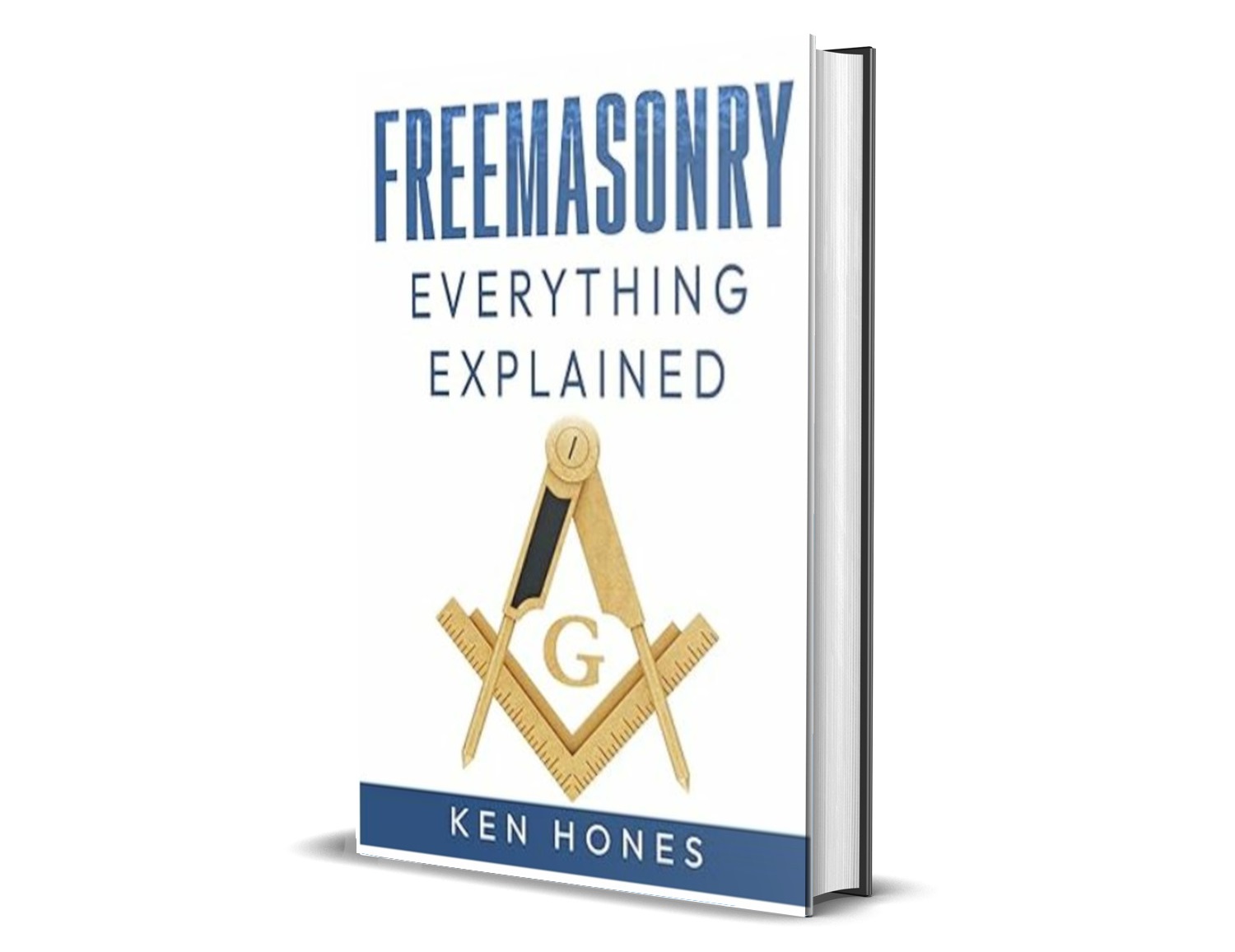
The Hidden Architects: Famous Freemasons Who Built Our World
From the halls of power to the frontiers of science, a common thread connects some of history’s most influential figures. This thread is not one of conspiracy, but of fraternity. It is the ancient and honorable society of Freemasonry, a brotherhood dedicated to self-improvement, moral integrity, and service to humanity. While often shrouded in mystery, its impact on the world stage is undeniable, carried out by men who took its lessons to heart.
The story of Freemasonry’s influence is told through the lives of its members. These were not men who simply attended meetings; they were individuals who integrated the Craft’s principles of liberty, equality, and charity into their life’s work. They were presidents, philosophers, artists, and innovators who saw in Masonry a blueprint for a better world and a better self.
Understanding this history reveals a fascinating perspective on how our modern world was shaped. The list of famous Freemasons reads like a who’s who of world history, a testament to the enduring appeal of its teachings. These men, the hidden architects of society, used the tools of Masonry not on stone, but on the very fabric of civilization.

What Are the Core Principles That Attracted These Historical Figures?
Why did so many great minds find a home within the Masonic lodge? The answer lies in the core tenets of the Craft, which resonated deeply with the spirit of the Enlightenment and the quest for human progress. Freemasonry is not a religion, but it is a system of morality veiled in allegory and illustrated by symbols.
At its heart, Freemasonry champions the idea of making good men better. It encourages its members to practice brotherly love, relief, and truth. Brotherly love speaks to tolerance and respect for all, regardless of background or belief. Relief is the Masonic term for charity, the duty to care for those in need. Truth represents the pursuit of knowledge and moral rectitude.
This framework of self-governance and personal responsibility was revolutionary. In a world often defined by rigid social hierarchies and religious dogma, the lodge offered a space where men could meet on the level. Here, a commoner and a nobleman could be equals, united in a shared journey of intellectual and spiritual growth. It was this promise of a universal brotherhood based on merit and virtue that drew in the leaders and thinkers who would go on to change the world.
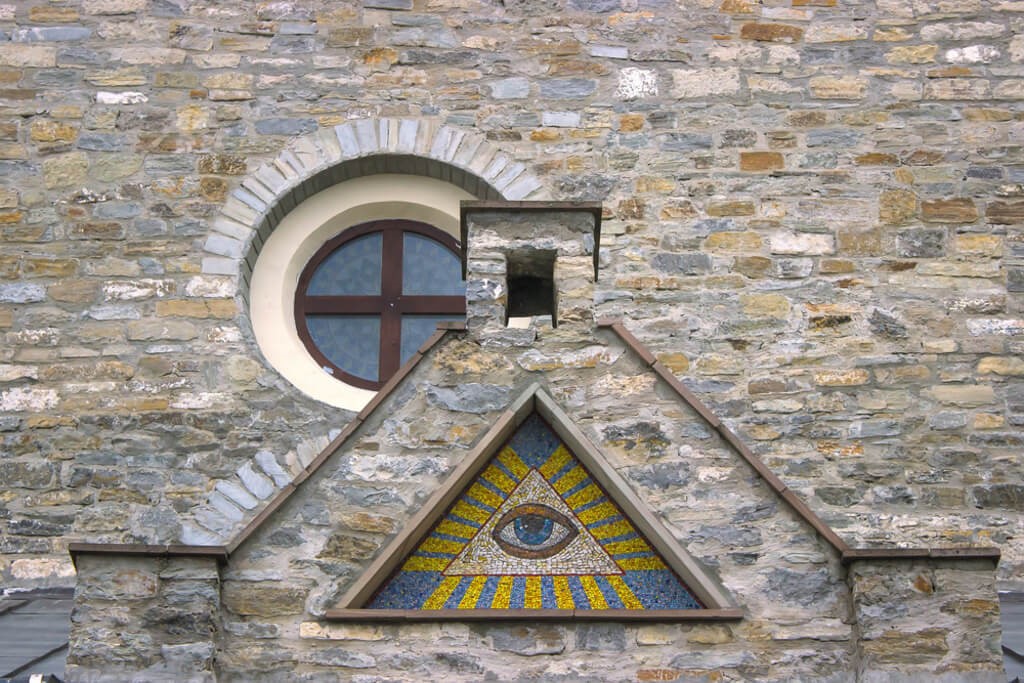
Who Were the Founding Fathers That Were Freemasons?
The birth of the United States is inextricably linked with the principles and members of Freemasonry. The ideals of liberty, individual rights, and government by the people echoed the teachings discussed within colonial lodges. A remarkable number of the nation’s founders were members of the Craft.
Their involvement was not a coincidence. The Masonic emphasis on reason, democratic governance within the lodge, and moral character provided a philosophical foundation for the American experiment. These men were not just building a new nation; they were attempting to build a more perfect union, guided by the light they found in Masonry.

Was George Washington a Dedicated Mason?
Indeed, George Washington’s connection to Freemasonry was profound and lifelong. He was initiated as an Entered Apprentice in the Lodge at Fredericksburg, Virginia, in 1752. He remained an active and proud member throughout his life, eventually becoming the Master of Alexandria Lodge No. 22.
Washington’s Masonic values are evident in his leadership. His commitment to religious freedom, his belief in a government of laws, and his humble refusal to become a king all reflect Masonic virtues. He famously used a Masonic Bible to take his presidential oath of office and presided, in full Masonic regalia, over the cornerstone-laying ceremony for the U.S. Capitol building. For Washington, Masonry was a source of moral strength and a guide for virtuous conduct in both private and public life.

How Did Benjamin Franklin Embody Masonic Ideals?

Benjamin Franklin was the quintessential Enlightenment man, and his Masonic career was as distinguished as his public one. He joined St. John’s Lodge in Philadelphia in 1731 and quickly rose to become Grand Master of Pennsylvania. He even printed the first Masonic book in the Americas, a reprint of Anderson’s Constitutions.
Franklin’s Masonic spirit was evident in his diplomatic work. While serving as the American ambassador to France, he became the venerated Master of the influential Nine Sisters Lodge in Paris. This lodge was a hub for intellectuals and free-thinkers, including Voltaire. Franklin used his Masonic connections to build relationships and gain crucial support for the American Revolution, demonstrating the Craft’s power to unite men across national boundaries for a common cause.

Were Other Signers of the Declaration of Independence Masons?
The Masonic influence on the American Revolution extends far beyond Washington and Franklin. It is believed that at least nine signers of the Declaration of Independence were Freemasons, including the famous patriot Paul Revere and the first to sign, John Hancock. Many of Washington’s generals in the Continental Army were also his Masonic brethren.
This shared bond created a network of trust and a common philosophical language among the revolutionaries. They were united not just in their desire for independence, but in their commitment to building a society based on liberty and justice. The vast number of Freemason members famous for their role in America’s founding highlights the deep connection between the Craft and the nation’s birth.

Did Freemasonry’s Influence Extend to European Politics and Arts?
The Craft’s appeal was not limited to the American colonies. Across the Atlantic, Freemasonry flourished, attracting monarchs, artists, and philosophers who also sought to apply its principles of enlightenment and brotherhood. European lodges became centers of intellectual ferment and artistic innovation.
From the courts of kings to the concert halls of Vienna, Masonic ideals helped shape a new vision for society. It fostered an environment where new ideas about governance, human rights, and the nature of art could be explored freely. A look at the roster of famous Freemasons throughout history shows a truly international and cross-disciplinary movement.

Which European Monarchs and Leaders Joined the Craft?
While Masonry is often associated with republican ideals, it also attracted royalty. King Frederick the Great of Prussia was a devoted Mason who protected the Craft and wrote music for its ceremonies. In England, the royal family has a long and storied history with Freemasonry, with figures like King Edward VII and King George VI serving as Grand Masters.
These leaders were drawn to Masonry’s emphasis on duty, order, and charity. Their participation helped legitimize the fraternity and demonstrated that its principles were compatible with various forms of government. The United Grand Lodge of England proudly lists many such figures, showcasing a tradition of noble patronage. For a more comprehensive look, many resources like this famous Masons guide offer detailed accounts of their involvement.

How Did Freemasonry Shape Music and Literature?
The influence of Freemasonry on the arts is perhaps most beautifully expressed in the work of Wolfgang Amadeus Mozart. A passionate Mason, Mozart composed numerous pieces for lodge ceremonies. His famous opera, ‘The Magic Flute’, is a masterful allegory of the Masonic journey from darkness to light, filled with symbolism that would be immediately recognizable to a fellow Brother.
Literary giants were also members of the Craft. The German poet Johann Wolfgang von Goethe and the Scottish national poet Robert Burns both found inspiration in Masonic themes. Later, Rudyard Kipling would weave Masonic ideas of law, order, and brotherhood into his stories. The rich world of Masonic symbolism, which can be explored through resources like a Masonic emblem chart, provided a deep well of inspiration for these creative minds.

What About Freemasons in Other Fields of Achievement?

The reach of Freemasonry extends well beyond politics and the arts, touching nearly every field of human endeavor. The fraternity’s principles of inquiry, integrity, and improving the world have inspired pioneers in science, business, and exploration.
This demonstrates that the lessons of the Craft are not abstract ideals but practical tools for living a productive and meaningful life. The call to build a better world has been answered by Masons in laboratories, on expeditions to new frontiers, and in the boardrooms of major corporations.

Were There Famous Masons in Science and Exploration?
Yes, the spirit of discovery that drives science and exploration aligns closely with the Masonic quest for more light or knowledge. Sir Alexander Fleming, the man who discovered penicillin and revolutionized medicine, was an active Freemason. His work has saved countless lives, a profound act of relief in the Masonic sense.
The final frontier was also reached by a Brother. Edwin ‘Buzz’ Aldrin, the second man to walk on the moon, was a member of Clear Lake Lodge No. 1417 in Texas. He even carried a special deputation from the Grand Master of Texas to claim Masonic territorial jurisdiction for the Moon. This act symbolized the extension of Masonic ideals to new horizons. The United Grand Lodge of England also recognizes many such pioneers among its notable members.

Did Freemasonry Influence Business and Philanthropy?
The Masonic principle of charity, or relief, has been a driving force for many members in the world of business. Henry Ford, the innovator of the assembly line, was a Freemason. While a complex figure, his work transformed industry and transportation.
A more direct example is Dave Thomas, the founder of the Wendy’s fast-food chain. A 33rd degree Scottish Rite Mason, Thomas was a tireless advocate for adoption, creating the Dave Thomas Foundation for Adoption. His immense philanthropic work, driven by a desire to give children a better life, is a perfect example of Masonic charity in action.

Can You Be Both Catholic and a Freemason?
This question touches upon a complex and often misunderstood aspect of Masonic history. Historically, the relationship between the Catholic Church and Freemasonry has been one of conflict. Beginning in 1738, a series of papal bulls were issued condemning Freemasonry and forbidding Catholics from joining under penalty of excommunication.
The Church’s objections were based on concerns about Masonic secrecy, the taking of oaths, and a perceived religious indifferentism that placed all faiths on an equal footing. Despite this official prohibition, history shows a number of individuals who identified as both. The story of these famous Catholic Freemasons is a nuanced one, often involving men who saw no conflict between their faith and the moral teachings of the Craft. Today, the Church’s position remains unchanged, but the historical intersection is a subject of great interest.

Are There Still Famous Freemasons Today?
Freemasonry is not merely a historical artifact; it is a vibrant, living tradition that continues to attract men from all walks of life, including those in the public eye. While the discretion inherent in the fraternity means many members do not publicize their affiliation, Masonry’s presence in modern society remains strong.
From the world of sports to entertainment, men continue to join the Craft for the same reasons as the historical figures who came before them: for fellowship, for self-improvement, and for an opportunity to be part of something larger than themselves. There are many well-known celebrities who are Freemasons, carrying the torch of the fraternity into the 21st century. The enduring legacy of Freemasonry is seen not just in the history books, but in the good works of its members today.

The story of the world is interwoven with the story of Freemasonry. It is a tale of individuals who, inspired by timeless principles, sought to build a better world. From the founding of nations to the creation of immortal art, their legacy is all around us, a quiet testament to the enduring power of brotherly love, relief, and truth.
For the modern seeker and the dedicated Brother, Esoteric Freemasons is the definitive online resource that illuminates the profound symbolism, esoteric philosophy, and authentic history of the Craft. We go beyond the surface to reveal the true light of Masonic knowledge.
Frequently Asked Questions

Did Freemasonry operate as a secret cabal to control global politics through these leaders?
While the presence of numerous world leaders within Freemasonry has fueled conspiracy theories, there is no credible evidence of a coordinated global plot controlled by the fraternity. Masonic lodges operate under independent, regional Grand Lodges, lacking a single international governing body to direct political action. The connections between these leaders were based on shared philosophical values rather than a top-down command structure for a secret agenda.
Instead of a cabal, Freemasonry provided a private network where influential men could foster relationships built on trust and a common moral framework. This environment encouraged discussions on leadership, civic duty, and personal integrity, which members were expected to apply in their public lives. The influence was therefore indirect, shaping the character of the leader rather than dictating specific political policies.

How did Masonic values actually translate into the leadership styles of these figures?
Masonic principles like liberty, equality, religious tolerance, and rationalism were cornerstones of the Enlightenment, an era that produced many Freemason leaders like George Washington and Benjamin Franklin. These values directly informed their revolutionary ideals and are visibly woven into foundational documents like the U.S. Constitution. Their leadership style often reflected a commitment to building a society based on merit and civic virtue, key tenets learned within the lodge.
For later leaders such as Winston Churchill and Franklin D. Roosevelt, Masonic virtues like fortitude, relief for the distressed, and truth likely reinforced their resolve during times of global crisis. The fraternity’s emphasis on personal responsibility and duty to one’s country provided a moral compass that guided their decision-making. This influence manifested as a deep-seated commitment to democratic principles and social welfare, rather than as an explicit "Masonic" policy.


What was the primary appeal of Freemasonry for so many powerful historical figures?
For many world leaders, Freemasonry offered a rare space of genuine equality and private contemplation away from the rigid hierarchies of public life. Within the lodge, a president or king could meet with men from other walks of life as a "brother" on the level, engaging in philosophical discourse and moral self-improvement. This unique environment provided a valuable sanctuary for personal growth and candid conversation that was otherwise unavailable to them.
Beyond the personal appeal, the fraternity provided a powerful and trustworthy international network that transcended national, religious, and political divides. This network was invaluable for diplomacy and building alliances based on a shared ethical code and mutual obligation. For ambitious and forward-thinking leaders, joining such a well-established and principled organization was a logical step for both personal development and strategic networking.