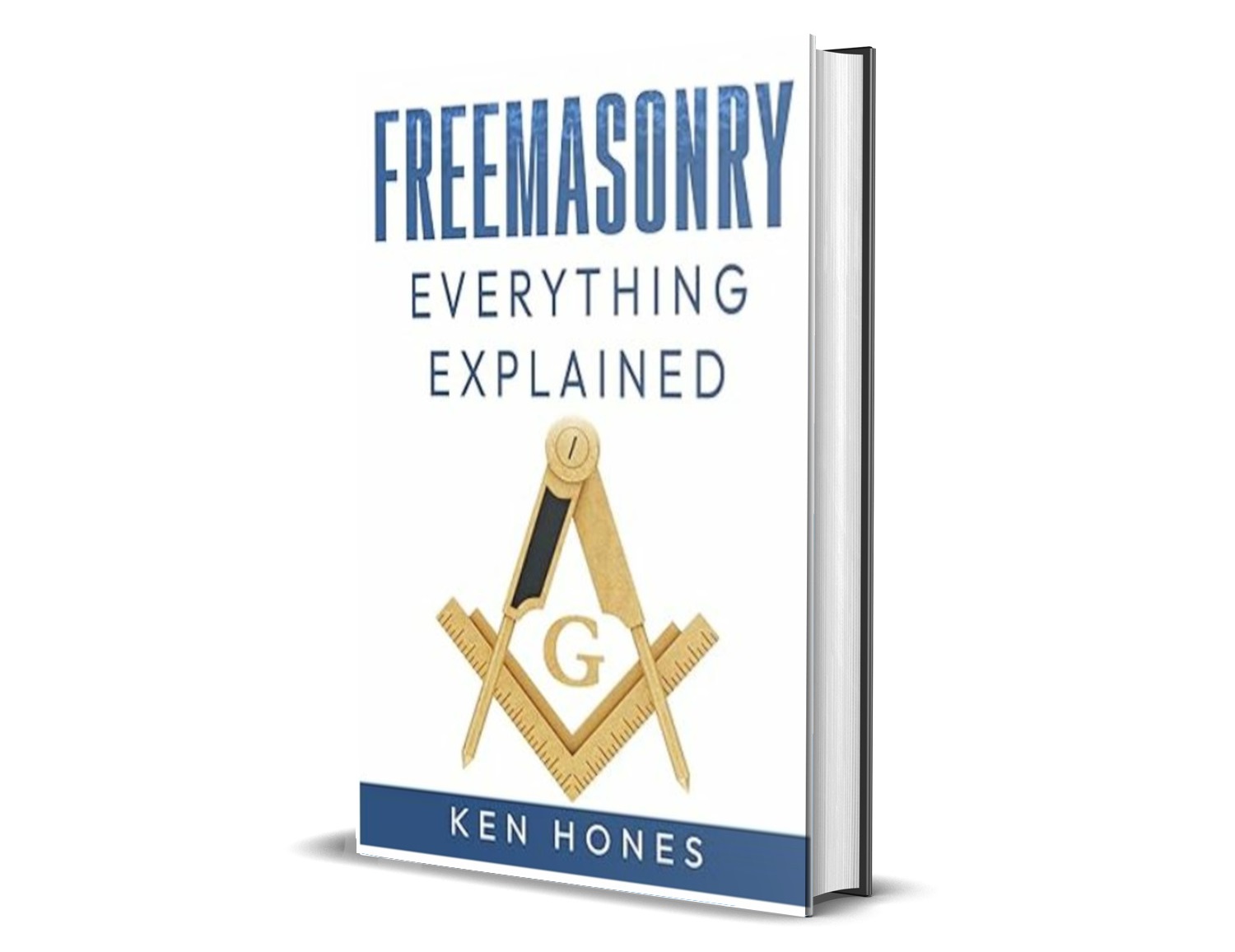
Unlocking the Code: The Transformative Power of Masonic Ritual
For centuries, Freemasonry has captivated the imagination, often shrouded in an aura of mystery and secrecy. Many outsiders picture clandestine meetings and cryptic handshakes, but the reality is far more profound. The heart of the Masonic experience is not about hiding secrets from the world, but about revealing timeless truths to its members through a unique and powerful system of education. This system is built upon the pillars of ritual, allegory, and ceremony.
These are not empty traditions or archaic formalities. They are the very tools Freemasonry uses to build better men. Through participation in these structured dramas, a Mason is guided on a journey of self-discovery, moral reflection, and personal growth. The entire framework is designed to make abstract virtues like truth, integrity, and charity tangible and unforgettable.
This journey of enlightenment begins from the very first step a candidate takes into the lodge. The intricate and symbolic nature of the Freemason first degree ritual sets the stage for a lifetime of learning, laying a foundation of moral philosophy that is expanded upon in subsequent degrees. It is here that the power of ceremony truly begins to unfold.

What Exactly is Masonic Ritual?
At its core, a ritual is a prescribed series of actions and words performed in a set order. Humans have used rituals for millennia to mark important occasions, pass on knowledge, and create a sense of shared identity. Masonic ritual is a specialized form of this ancient practice. It is not a passive lecture where members simply listen; it is a participatory play in which every member has a role.
Imagine being an actor in a drama that has been performed for centuries. The words you speak and the actions you perform are the same ones spoken and performed by countless men before you. This creates a powerful connection to the past and a sense of belonging to an unbroken chain of tradition.
The rituals are essentially morality plays that use symbolism to communicate complex ideas. Instead of simply being told to be a good person, a Mason experiences a symbolic journey that illustrates the challenges and rewards of living a virtuous life. This method engages the memory, the emotions, and the intellect, making the lessons far more impactful than a simple textbook reading.
This immersive approach ensures that the teachings of the Craft are not just understood intellectually but are felt on a deeper, more personal level. It is a system designed for transformation, not just information.

Why Does Freemasonry Rely on Allegory?
If ritual is the ‘how’ of Masonic teaching, then allegory is the ‘what’. An allegory is a story that can be interpreted to reveal a hidden meaning, typically a moral one. Freemasonry’s central allegory is the building of King Solomon’s Temple, a grand project described in the Old Testament. Masons do not study this story for its historical or architectural accuracy.
Instead, the building of this magnificent structure serves as a grand metaphor for the building of a man’s character. Each Mason is taught to view himself as a living stone, to be shaped and perfected for a place in a spiritual temple, a ‘house not made with hands, eternal in the heavens’. This overarching narrative provides a rich framework for moral instruction.
Within this allegory, the tools of the ancient stonemasons are given profound symbolic meanings. The common gavel represents the force of conscience, used to chip away the vices and superfluities of life. The 24-inch gauge symbolizes the 24 hours of the day, to be divided between service to God, work, and refreshment. The square teaches morality, the level equality, and the plumb rule rectitude of conduct.

This use of allegory makes abstract concepts concrete. It is one thing to talk about ‘integrity’; it is another to hold a symbolic tool that represents it and to be taught its meaning within a larger story. This method bypasses purely intellectual understanding and embeds the lessons deep within the psyche. It transforms philosophical concepts into lived experiences, which is the essence of Masonic ritual. The story becomes a personal map for navigating one’s own moral and spiritual development.

How Does Ceremony Create a Unique Environment?
The ceremony is the formal and dignified atmosphere in which Masonic rituals are conducted. It is the element that elevates the experience from a simple meeting to something significant and memorable. The specific layout of the lodge room, the formal opening and closing procedures, and the wearing of regalia like the Masonic apron all contribute to this unique environment.
This ceremonial aspect serves a critical psychological purpose. It creates a clear distinction between the outside world with its distractions and pressures, and the inner world of the lodge. When a Mason enters a lodge meeting, he is stepping into a space dedicated to contemplation, brotherhood, and self-improvement. This shift in environment helps to focus the mind and open it to the lessons being presented.
The formality of the proceedings also instills a sense of respect and seriousness. The structured nature of the ceremony ensures that every meeting is orderly and dignified, reinforcing the importance of the work being done. It is a shared experience that binds the members together, creating a sense of unity and shared purpose. Everyone, from the newest member to the Master of the lodge, participates in the same ceremony, reinforcing the Masonic principle of equality.
This carefully constructed environment is a key part of what makes the ritual so effective. It is a vessel designed to hold and amplify the teachings of the Craft. By engaging in these time-honored ceremonies, members find a space for introspection and connection, tapping into the power of ritual in self-development. The ceremony is not just for show; it is a functional part of the Masonic educational system.

What Are the Psychological Benefits of Ritual?
Beyond the philosophical teachings, the consistent practice of Masonic ritual offers tangible psychological benefits. The human brain is wired to respond to patterns, repetition, and symbolic action. Masonic rituals leverage these neurological tendencies to foster personal growth and strengthen community bonds.
One of the primary benefits is improved memory and learning. Rituals engage multiple senses: sight, sound, and touch. Members see the symbols, hear the words, and perform the actions. This multi-sensory engagement creates stronger neural pathways, making the moral and philosophical lessons more likely to be retained and recalled than if they were simply read in a book.
Furthermore, participating in a shared ritual fosters a deep emotional connection and a powerful sense of group identity. Undergoing these unique experiences together creates a bond of trust and mutual respect among Brethren. This shared journey builds a supportive community where men feel safe to explore their own character and strive for self-improvement. This is a core part of the true purpose and power of Freemasonry.
On a personal level, the repetitive nature of ritual can be a form of active meditation. It requires focus and presence, quieting the mental chatter of daily life and allowing for deeper introspection. The structured progression through the degrees provides a clear path for development, offering a sense of accomplishment and encouraging a lifelong commitment to personal betterment. The rituals become a reliable framework for checking in with one’s own moral compass.

How Do Rituals Guide a Mason Through Life and Death?
Masonic ritual is not a one-time event but a continuous journey that unfolds over a Mason’s lifetime. The Craft is structured into a series of degrees, each with its own unique ritual, allegory, and set of lessons. This progressive system acts as a roadmap for a man’s journey through life.

The journey begins with the three foundational degrees of Blue Lodge Masonry: Entered Apprentice, Fellow Craft, and Master Mason. Each degree builds upon the last, exploring themes of youth, manhood, and age; of learning, labor, and wisdom. For example, the first degree Masonic ritual experience focuses on birth, or the beginning of one’s Masonic life, teaching lessons of trust, charity, and the importance of seeking light.
For those who wish to continue their education, there are appendant bodies like the Scottish Rite and the York Rite. These offer further degrees that expand upon the symbolism and philosophy of the first three. The lessons become more complex, delving deeper into philosophy, history, and the nature of man. The ultimate goal is not the attainment of a high number but the continual pursuit of knowledge, a journey that can lead a dedicated individual down the path to becoming a 33rd degree Freemason.
The lessons learned within the lodge are meant to be applied outside of it, guiding a Mason’s conduct in his family, his work, and his community. The ritual is a rehearsal for life. And when a Mason’s life comes to an end, the Craft provides a final ceremony to honor his memory and comfort his loved ones. The ritual of a Masonic funeral is a poignant and powerful tribute, celebrating a Brother’s life and reaffirming the bonds of fraternity even in the face of death.

Is It Myth, Magic, or Something Else Entirely?
Given its ancient symbolism, dramatic ceremonies, and allegorical storytelling, it is understandable why some might mistake Masonic ritual for a form of religious worship or even magic. However, this is a fundamental misunderstanding of its purpose. Freemasonry is not a religion, nor does it seek to be a substitute for one. It requires each member to believe in a Supreme Being, but it does not prescribe any particular theology.
The rituals are not prayers or magical incantations designed to manipulate supernatural forces. They are educational tools. The ‘magic’ of Masonic ritual lies not in the supernatural but in its profound psychological and emotional impact. It is the ‘magic’ of self-transformation, of a man gaining a deeper understanding of himself and his place in the universe.
Freemasonry uses the language of myth and symbol because these are universal languages that speak directly to the human heart and mind. Throughout history, great truths have been conveyed through stories, from ancient myths to religious parables. The Craft follows in this tradition, using the allegorical tale of the Temple to explore timeless questions of morality, purpose, and the human condition.
It is best understood as a philosophical and educational system that uses dramatic ritual to teach its lessons. It is a system that blends myth and meaning to inspire its members to live better lives. The focus is always on personal growth, moral virtue, and charitable action in the real world.
Conclusion: The power of Masonic ritual, therefore, is not found in any hidden secret or ancient mystery. Its power lies in its brilliant and time-tested methodology. By combining participatory ritual, profound allegory, and dignified ceremony, Freemasonry creates an unparalleled environment for personal and moral development.
It is a system that transforms abstract virtues into tangible experiences, connects men to a long and honorable tradition, and builds a worldwide community dedicated to mutual support and self-improvement. The rituals are the code, and unlocking that code reveals a clear path to becoming a better man, not for the sake of the lodge, but for the sake of oneself, one’s family, and the world.
Frequently Asked Questions

Why is there such a strong emphasis on specific clothing and uniformity in Masonic rituals?
The use of specific ritual clothing, most notably the Masonic apron, serves as a great equalizer among members. It visually strips away the distinctions of wealth, rank, or profession from the outside world, placing all Masons on the same level within the lodge. This uniformity reinforces the core principle of brotherhood and ensures that every man is judged by his character and actions rather than his societal standing.
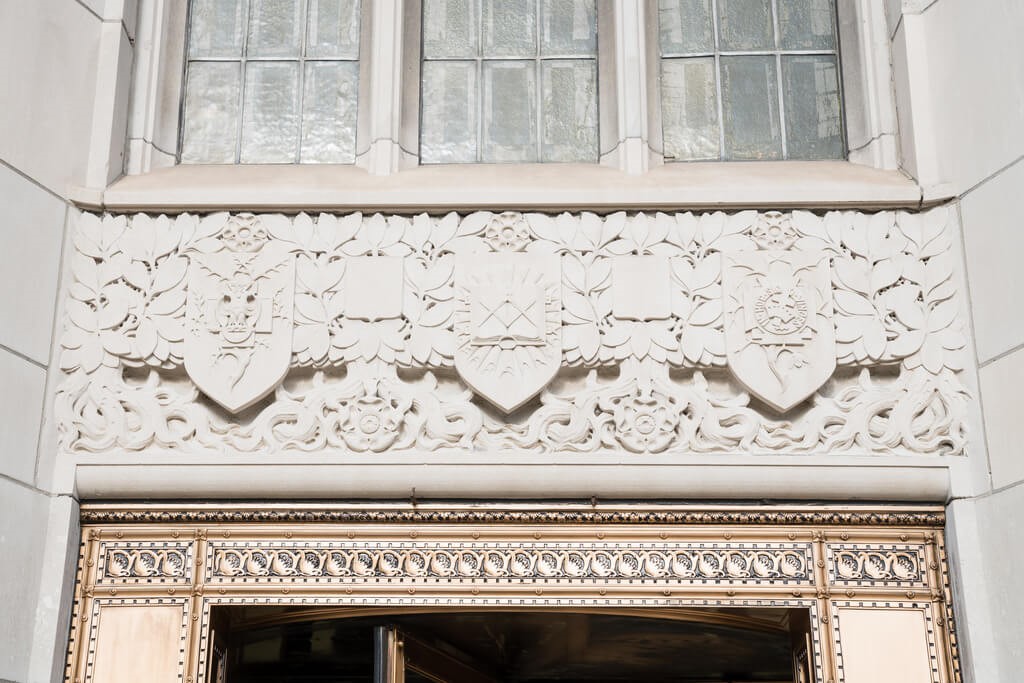
Furthermore, each piece of regalia is a tangible symbol meant to teach and remind members of the fraternity’s moral and philosophical lessons. The clothing is not merely a costume but an integral part of the Masonic educational system, with every element carrying a specific meaning related to virtue and self-improvement. This shared symbolic language creates a focused and reverent atmosphere essential for ritual work.

Does a Mason’s ritual clothing change as they advance through different degrees?
Yes, a Mason’s regalia evolves significantly to reflect his progress through the degrees of the fraternity. An Entered Apprentice, in the first degree, wears a simple, unadorned white lambskin apron, symbolizing purity and a new beginning. As he advances to the Fellowcraft and Master Mason degrees, his apron becomes more ornate, often incorporating blue rosettes and lining to signify his increased knowledge and responsibilities.
This progression continues for those who join appendant or concordant bodies, such as the York Rite or Scottish Rite. These advanced paths feature entirely new sets of aprons, collars, sashes, and jewels, each with unique symbolism tied to the specific lessons of that degree. The changing regalia provides a visual representation of a Mason’s journey and commitment to further light and learning.

Is the symbolism in Masonic clothing consistent across all lodges worldwide?
While the foundational symbolism of key items is remarkably consistent, there are notable variations in the design and style of Masonic clothing across different Grand Lodge jurisdictions. The white apron as the "badge of a Mason" is a near-universal concept, symbolizing innocence and the honorable nature of the craft. However, the specific decorations, colors, and forms for higher degrees can differ significantly between countries or even states.
These regional differences reflect the rich, diverse history and cultural adaptations of Freemasonry as it spread globally. For instance, the design of a Master Mason’s apron under the United Grand Lodge of England may vary from one used in a lodge under the Grand Orient of France or a U.S. Grand Lodge. Despite these aesthetic variations, the core moral and ethical lessons that the regalia is meant to impart remain the central, unifying theme.
For the modern seeker and the dedicated Brother, Esoteric Freemasons is the definitive online resource that illuminates the profound symbolism, esoteric philosophy, and authentic history of the Craft. We go beyond the surface to reveal the true light of Masonic knowledge.