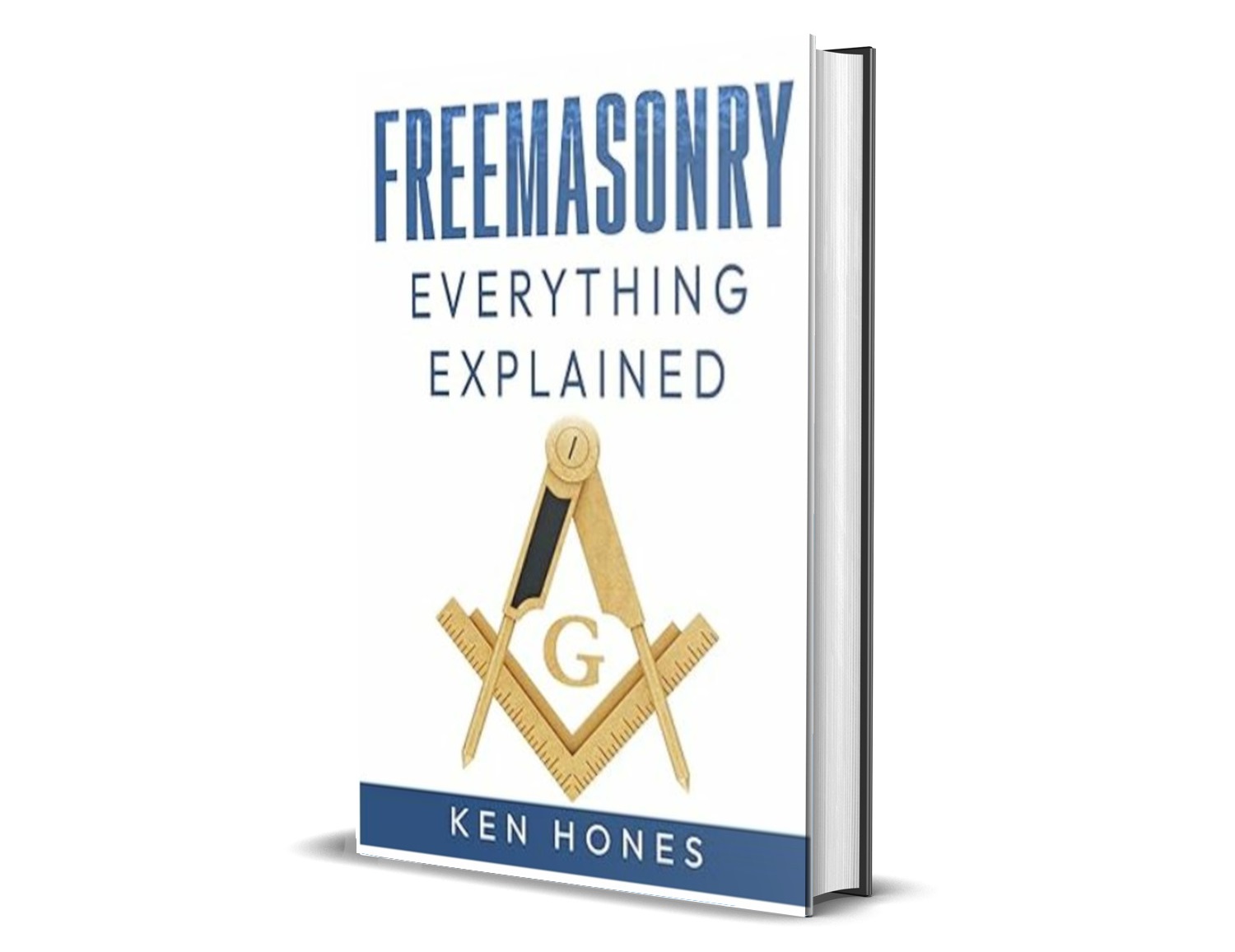
Beyond Borders: How Masonic Universality Connects the World
Imagine a bond that stretches across oceans and continents, connecting individuals from vastly different cultures, languages, and backgrounds. This is not a futuristic ideal but a foundational principle of one of the world’s oldest fraternities. This principle is known as Masonic Universality, a concept that suggests the core tenets of Freemasonry are accessible and relevant to good men everywhere, regardless of their station in life or the nation they call home.
At its heart, this universality is built upon a shared journey of moral and intellectual development. It posits that despite our superficial differences, a common thread of human experience and aspiration unites us all. The structure that facilitates this global connection is the Mason fraternity, a unique brotherhood dedicated to the principles of Brotherly Love, Relief, and Truth. These are not just words but the very pillars upon which this worldwide edifice is constructed.
The idea is profound: a man from Tokyo can walk into a Masonic Lodge in Toronto and, without speaking the same language, be recognized and welcomed as a Brother. This is possible because Freemasonry communicates through a system of allegory and symbolism, creating a shared understanding that transcends spoken words. It is this unique quality that transforms a collection of local lodges into a truly global phenomenon.

What Does Masonic Universality Truly Mean?
To a newcomer, the term might conjure images of a single, monolithic organization with a centralized command. The reality is more nuanced and far more interesting. Masonic Universality does not imply a single governing body for the entire world. In fact, Freemasonry is administered by a tapestry of independent Grand Lodges, each sovereign within its own geographical jurisdiction.
Instead, universality refers to a common heritage and a shared set of fundamental principles. These are often called the ‘landmarks’ of the Craft, unchangeable tenets that define the Masonic experience. While the exact list of landmarks can be a subject of scholarly debate, they generally include core beliefs like a required faith in a Supreme Being, the use of a Volume of the Sacred Law as a centerpiece in the Lodge, and the allegorical teaching of morality through symbolic degrees.
This framework allows for cultural diversity while maintaining philosophical consistency. A Lodge in India might conduct its ceremonies with a local flair that differs from a Lodge in Scotland, but the essential moral lessons and the symbolic journey of the candidate remain strikingly similar. It is a system of unity in diversity, a shared path walked by men in different lands, all seeking to improve themselves and the world around them.

How Can a Private Society Be Universal?
One of the most common questions revolves around the apparent paradox of a ‘secretive’ society claiming to be universal. How can something that is private and reserved for its members also be for all of humanity? The answer lies in distinguishing between what is secret and what is private. Freemasonry is not a secret society; it is a society with secrets.
Its existence is public, its members are often known in their communities, and its charitable works are widely reported. The ‘secrets’ of Freemasonry are largely the modes of recognition by which one Mason can know another, along with the specific allegorical details of its ritualistic dramas. These are the private tools used to teach its universal lessons.
The philosophy of Freemasonry, however, is anything but secret. The virtues it promotes – integrity, honesty, compassion, tolerance, and the pursuit of knowledge – are universal human values. The fraternity simply provides a unique and structured environment for its members to explore and practice these virtues. The universality of the Craft is found in its message, not in its methods of recognition.

What Are the Foundations of This Universal Connection?
The strength of Masonic universality rests on several key pillars that ensure a consistent experience for its members across the globe. These elements work in concert to create a language and a culture that are instantly recognizable to any initiated member, forming the bedrock of the global brotherhood.

Is It About a Shared Language?
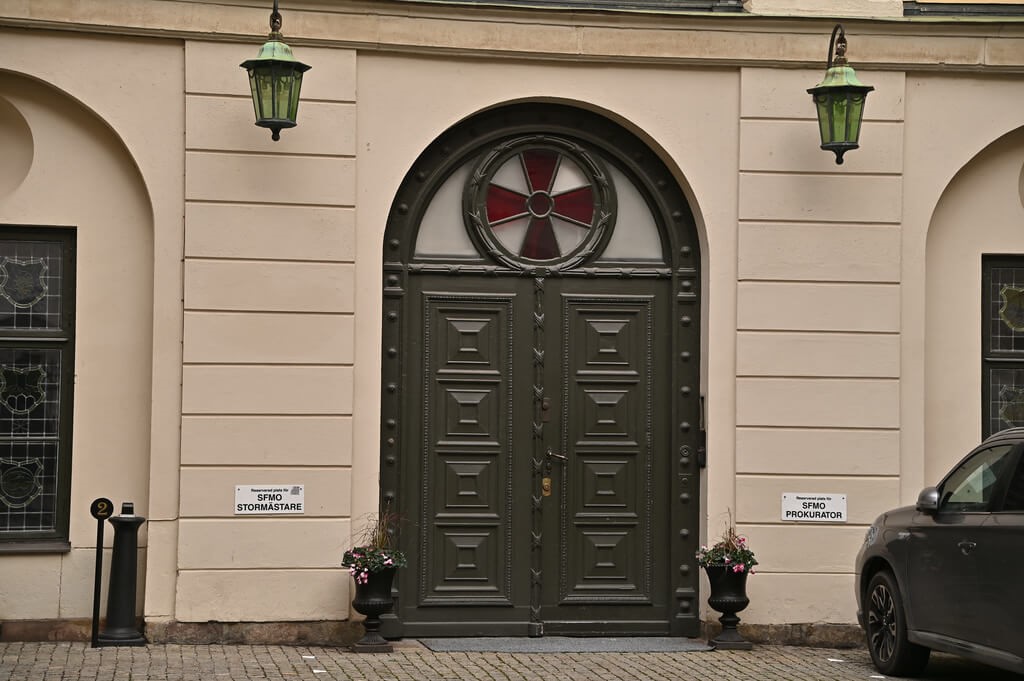
While Masons around the world speak countless languages, they share a powerful, non-verbal form of communication: the language of symbolism. The Square and Compasses, the Level and the Plumb, the All-Seeing Eye – these are not mere decorations. Each symbol is imbued with deep moral and philosophical meaning, serving as a constant reminder of the lessons taught within the Lodge.
This symbolic vocabulary is a cornerstone of universality. A Mason learns to ‘read’ these symbols, and their meaning remains constant whether he is in a Lodge in Brazil or Belgium. This shared understanding creates an immediate point of connection, allowing two Brothers who have never met to engage in a meaningful dialogue without uttering a single word. The symbols are the great communicators, conveying complex ideas about morality, our relationship with the divine, and our duty to one another.

Does Religion Play a Role?
Freemasonry is not a religion, nor is it a substitute for one. It is, however, a spiritual pursuit that requires its members to profess a belief in a Supreme Being. This is perhaps one of the most brilliant aspects of its universal design. The Craft does not dictate the specific nature of that Supreme Being, referring to this entity by the non-denominational title, the ‘Great Architect of the Universe’.
This inclusive approach allows men of different faiths – Christians, Jews, Muslims, Hindus, and others – to meet in harmony. In a Masonic Lodge, the holy book of the predominant faith of the members, known as the Volume of the Sacred Law, is always open during meetings. This practice of universality and tolerance is central to the Masonic spirit, creating a space where discussions of sectarian religion and politics are forbidden, ensuring that the Lodge remains a place of peace and concord.

What About Ritual and Ceremony?
The ritualistic ceremonies, or ‘degrees’, are the primary method through which Masonic teachings are imparted. These are allegorical plays in which the candidate is the central character, undertaking a symbolic journey of self-discovery. While there are variations in ritual between different jurisdictions, such as the famous York and Scottish Rites, the core narrative and moral teachings are remarkably consistent worldwide.
The journey from an Entered Apprentice to a Master Mason follows a universal template. This shared experience is a powerful bonding agent. A Mason from the United States can discuss the lessons of the second degree with a Mason from South Africa and find that they have walked the same essential path. This common journey solidifies the mason fraternity meaning as a lived, shared experience rather than just an abstract concept. It’s a key reason why discussions about the fraternity are so active online, with many seeking to understand these connections on platforms like Reddit, where personal experiences are often shared and debated by a global community of members exploring the freemasonry fraternity reddit has to offer.

How Does a Mason Experience This Universality in Practice?
The theoretical principles of universality are put to the test when a Mason travels. It is here, in the practical application of the Craft’s teachings, that the true power of the global brotherhood is revealed. This is not just a philosophical idea but a tangible reality for millions of members.

Can a Mason Visit Any Lodge in the World?
One of the greatest privileges afforded to a Master Mason is the ‘right to travel’. This means that a member in good standing from a recognized Grand Lodge can typically request to visit a Lodge in another city, state, or even country. Upon arriving at a foreign Lodge, the visitor must prove himself to be a Mason through the private modes of recognition he learned in his degrees.
These methods are the universal ‘passport’ of the fraternity. They are the means by which the Lodge guards its doors and ensures that only those entitled to be present are admitted. The system of passwords and other signs is a crucial element of the Masonic experience, and understanding the proper use of a freemason master mason password or sign is a test of one’s initiation. The profound consistency of these recognition methods is a testament to the idea that there are signs of universality that bind the Craft together across all legitimate jurisdictions.
Once proven, the visitor is typically welcomed with open arms. He can witness a ceremony, share a meal, and enjoy the fellowship of men he has never met, yet with whom he shares an immediate and profound connection. This act of visiting is the ultimate expression of Masonic universality, demonstrating that the bonds of brotherhood are not limited by geography.

What Are Some Real-World Examples?

Consider a businessman on a trip to a foreign city where he knows no one. Feeling isolated, he looks up the local Masonic Lodge. After making contact and proving his credentials, he is invited to their meeting. He walks into a room of strangers but is greeted as a long-lost friend. He finds men who share his values, who offer him hospitality, and who provide him with a sense of belonging far from home.
This story repeats itself thousands of times every year around the world. It is the practical, human side of this grand principle. This network provides not just social outlets but genuine support. The very existence of this global network reinforces the core idea of masonic universality, transforming it from a mere philosophical concept into a living, breathing support system for its members, wherever their travels may take them.

Are There Challenges to Masonic Universality?
While the ideal of universality is powerful, its implementation is not without complexities and challenges. The Masonic world is not a perfect utopia, and historical and philosophical disagreements have created divisions that persist to this day. Acknowledging these challenges is crucial for a complete understanding of the topic.
The most significant challenge is the issue of ‘recognition’. For a Mason from one Grand Lodge to visit a Lodge under another, their respective Grand Lodges must formally recognize each other as legitimate. This recognition is based on adherence to the foundational landmarks mentioned earlier.
Historically, a major schism occurred in the 19th century, primarily between the ‘regular’ Freemasonry, as typified by the United Grand Lodge of England, and the ‘continental’ or ‘liberal’ Freemasonry, exemplified by the Grand Orient de France. The primary points of contention were the French body’s decision to remove the requirement for a belief in a Supreme Being and the mandatory presence of the Volume of the Sacred Law in the Lodge. This led to a break in relations that, for the most part, continues today. As a result, a Mason from a ‘regular’ Lodge in the US would not be able to visit a ‘liberal’ Lodge in France, and vice versa. This highlights the ongoing quest for a universal masonry that can bridge these historical divides.

Why Does Masonic Universality Matter Today?
In an age marked by globalization and yet plagued by cultural, political, and religious division, the principle of Masonic Universality is more relevant than ever. It offers a working model of how individuals with diverse beliefs and backgrounds can come together on common ground, focusing on what unites them rather than what divides them.
It champions a message of tolerance and respect. By bringing men of different faiths and cultures into a single room and calling them ‘Brother’, Freemasonry teaches a powerful lesson in human understanding. It encourages its members to look past external labels and see the shared humanity within.
This universal brotherhood provides a space for civil discourse and personal growth, fostering a sense of global citizenship. It reminds its members that their obligations to morality and charity do not end at their nation’s borders. In a fractured world, the quiet, steady work of building bridges of understanding, one man and one Lodge at a time, is a noble and necessary pursuit.
Ultimately, Masonic Universality is a testament to the enduring power of shared ideals. It is the belief that through a common commitment to self-improvement, truth, and fellowship, we can create a network of goodwill that spans the entire globe, making the world a more connected and compassionate place.
Frequently Asked Questions

Are there legal restrictions on using the Mason fraternity logo?
The primary Masonic symbol, the Square and Compasses, is widely considered to be in the public domain, meaning it is not trademarked by a single, universal Masonic authority. This allows for its broad use in historical, educational, and artistic contexts. However, specific Grand Lodges or appendant bodies may have trademarked their particular versions of the logo, especially those including their name or other unique design elements.

While legal use may often be permissible, using the emblem for commercial purposes without a genuine connection to the fraternity is generally considered disrespectful. Masons view the logo as a sacred representation of their moral and philosophical teachings. Therefore, its use should always be approached with a high degree of respect for the organization and its members.

Why is the letter ‘G’ not always present in the center of the Square and Compasses?
The letter ‘G’ is a prominent feature in many depictions of the Masonic emblem, especially in lodges following the Anglo-American tradition. It typically represents God, the Grand Architect of the Universe, and can also stand for Geometry, a cornerstone of Masonic learning. Its inclusion is largely a matter of jurisdictional custom and the specific rituals practiced in that region.
In some Masonic jurisdictions, particularly in Continental Europe, the ‘G’ is often omitted from the logo. This is not due to a lack of belief but rather a different symbolic tradition that may use other emblems, such as a blazing star, to represent the same divine concepts. The presence or absence of the ‘G’ is one of the key visual distinctions between different grand constitutional branches of Freemasonry.

How is the main Masonic logo different from symbols of related groups like the Shriners?
The Square and Compasses is the universal emblem for "Blue Lodge" or Craft Masonry, which is the foundation of the entire fraternity. To join any appendant body, such as the Shriners or the Scottish Rite, a man must first be a Master Mason. These appendant bodies are extensions of Freemasonry and have their own distinct logos to represent their specific themes and missions.
For instance, the Shriners International logo features a scimitar, a crescent moon, and a sphinx head, reflecting its fun-loving, pseudo-Arabian theme and philanthropic focus on children’s hospitals. Similarly, the Scottish Rite’s most recognized symbol is the double-headed eagle, representing its series of advanced degrees. These unique emblems exist alongside the Square and Compasses to signify membership in those specific Masonic-affiliated organizations.
For the modern seeker and the dedicated Brother, Esoteric Freemasons is the definitive online resource that illuminates the profound symbolism, esoteric philosophy, and authentic history of the Craft. We go beyond the surface to reveal the true light of Masonic knowledge.