Beyond the Handshake: Exploring Masonic Philosophy and Esoteric Truths
Veiled in centuries of mystery and speculation, Freemasonry has long captured the public imagination. It is often seen as a secret society, a clandestine club of influential men. While it is a private fraternity, its true purpose is far more profound and accessible than many realize. At its heart, Freemasonry is not about secrets, but about a shared journey toward self-knowledge and moral improvement.
The Craft, as it is often called, is a beautiful and intricate system of morality, veiled in allegory and illustrated by symbols. It is a school of thought, a unique educational method that uses the language of architecture and the tools of ancient stonemasons to build not cathedrals of stone, but temples of character within each of its members. The rich tapestry of Masonic philosophy invites a man to embark on a personal quest, to turn inward and explore the deepest questions of existence, ethics, and his place in the universe.
This journey is often described as a progression from darkness to Light. This is not a literal, physical transition, but a powerful metaphor for moving from a state of ignorance to one of enlightenment. It is the pursuit of truth, reason, and a greater understanding of the divine spark that resides within all of humanity. It is a philosophy lived, not just studied.

What Is Freemasonry at Its Core?
At its most fundamental level, Freemasonry is a structured system for personal development. It offers a framework for men to become better versions of themselves: better fathers, husbands, sons, and citizens. It achieves this through a series of dramatic presentations and allegorical stories that are rooted in the legend of the building of King Solomon’s Temple.
This grand allegory serves as the central metaphor for the Craft. Just as the ancient stonemasons worked to shape rough stones into perfect blocks for the construction of a magnificent temple, a Freemason works to shape his own character. He strives to chip away at his vices and polish his virtues, transforming his inner self from a rough, unhewn stone into a ‘perfect ashlar’ fit for a spiritual house.
The tools of the stonemason are the primary symbols used to teach these lessons. The 24-inch gauge represents the division of the day into periods of work, rest, and service. The common gavel symbolizes the force of conscience, used to divest the heart of vice. Each tool has a moral application, constantly reminding a Mason of his duties and aspirations.

How Does Freemasonry Teach Its Philosophy?
Freemasonry’s teachings are imparted through a sequence of degrees, each a formal and ritualistic step in a member’s journey. The foundational system, known as the Blue Lodge, consists of three degrees: Entered Apprentice, Fellow Craft, and Master Mason. Each degree represents a stage of human development and provides a new set of lessons and symbols to contemplate.
The Entered Apprentice degree focuses on beginnings, purification, and the first steps out of ignorance. The Fellow Craft degree emphasizes education and the cultivation of the intellect through the study of the liberal arts and sciences. The Master Mason degree confronts the themes of mortality, fidelity, and the hope of resurrection, completing the primary allegorical narrative of the Craft.
This process is experiential. A man does not simply read about Masonic philosophy; he lives it through the rituals. The ceremonies are designed to make a deep and lasting impression on the mind and heart, encouraging introspection and contemplation long after the lodge meeting has concluded. It is a philosophy that unfolds over a lifetime of participation and reflection.

What Are the Esoteric Roots of Masonic Thought?
While modern Freemasonry was formally established in 18th-century London, its philosophical underpinnings draw from a much older and deeper well of wisdom. The Craft is a confluence of many streams of Western esotericism, blending elements from various traditions without being dogmatically tied to any single one. These ancient systems provide a richer context for the symbols and allegories used in Masonic ritual.

Thinkers and historians have traced philosophical parallels to Gnosticism, which emphasizes personal spiritual knowledge or ‘gnosis’ over orthodox teachings. There are also clear resonances with Neoplatonism, a school of thought that posits a single source of all existence from which the cosmos emanates. These traditions share a common thread with Freemasonry: the idea that the individual can achieve a closer union with the divine through internal work and contemplation.
Perhaps the most significant influences come from Hermeticism and the Kabbalah. These traditions offer complex symbolic systems for understanding the nature of God, the universe, and humanity’s role within it. They are not taught directly in the lodge but their spirit infuses Masonic symbolism, offering deeper layers of meaning for the curious and dedicated seeker. A deeper look into the Theocratic Philosophy of Freemasonry reveals some of these older, intertwined ideas about the divine and the state.

Is Hermeticism a Key Influence?
The ancient tradition of Hermeticism, attributed to the legendary figure Hermes Trismegistus, offers a philosophical key to unlocking many Masonic concepts. Its most famous axiom, ‘As Above, So Below’, is central to understanding the Masonic worldview. This principle suggests that the microcosm, man, is a reflection of the macrocosm, the universe.
By studying the order and harmony of the heavens and the natural world, a Mason can learn how to bring order and harmony to his own life. The Masonic concept of the Great Architect of the Universe is a non-denominational term for this supreme, organizing principle. The goal of a Mason is to act as a junior architect, building his own life in alignment with the divine blueprint of the cosmos.
This alignment is not a passive act. It requires conscious effort, study, and the application of philosophical principles to daily life. It is about creating a resonant sympathy between one’s inner world and the greater reality. For those wishing to explore this further, there are many excellent examinations of The Philosophy of Freemasonry that delve into these connections.

What Role Does Symbolism Play in Masonic Philosophy?
Symbolism is the universal language of Freemasonry. It allows men from different cultures, religions, and backgrounds to communicate profound truths without the limitations of ordinary speech. Every object, gesture, and story within a Masonic lodge is a symbol, pointing toward a deeper moral or philosophical concept.
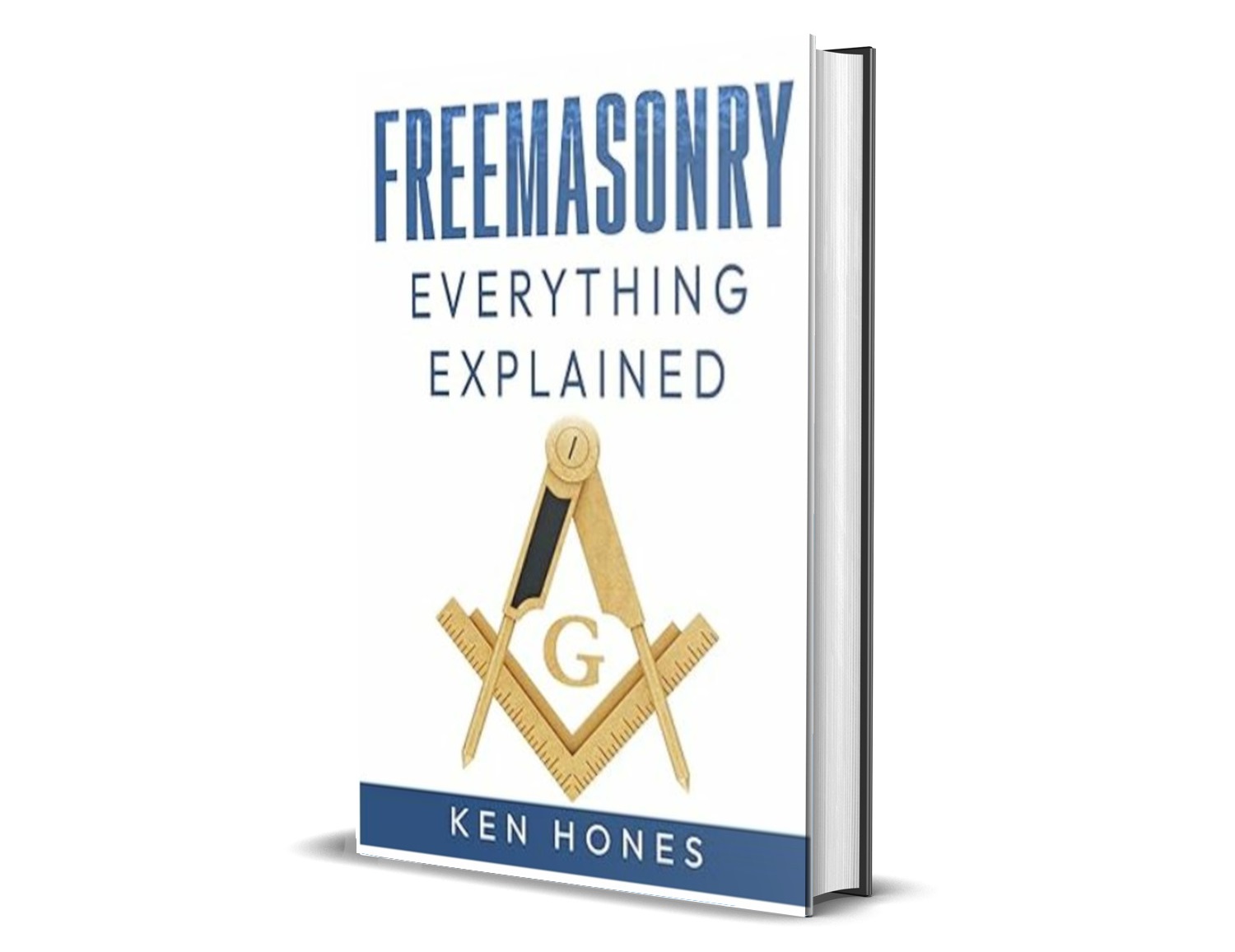
The most recognizable symbol, the Square and Compasses, represents the interplay between the material and the spiritual. The Square is a tool for testing right angles and creating true surfaces, symbolizing morality and our conduct in earthly life. The Compasses, used to draw circles, symbolize the spiritual realm and the boundless nature of the divine. Together, they remind a Mason to circumscribe his passions and square his actions.
This commitment to morality is a cornerstone of the Craft, shaping the core Masonic ideals of brotherhood, relief, and truth. Other key symbols include the rough and perfect ashlars, mentioned earlier, which represent our untutored and perfected states. The letter ‘G’ suspended in the East of the lodge has multiple meanings, commonly referring to Geometry, the basis of architecture, and to God, the Great Architect. Understanding these layers of meaning is central to grasping the core values of Freemasons, which are taught and reinforced through this symbolic language.

How Does the Concept of ‘Light’ Guide a Mason?
The pursuit of ‘Light’ is the central driving force in a Mason’s journey. When a candidate first enters the lodge, he is in a state of symbolic darkness, representing ignorance. His initiation is a quest to emerge from this darkness and be brought to Masonic Light.
This Light is not a simple concept. It is a multi-faceted symbol representing truth, knowledge, reason, wisdom, and spiritual illumination. It is the intellectual light of the Enlightenment, which championed reason and science, as well as the inner light of spiritual awakening found in many mystical traditions. It is the ultimate goal of the Masonic path.

The journey toward Light is a gradual process. Each degree reveals more Light, providing the Mason with new tools for understanding himself and the world. The process is never truly complete; a Mason is expected to be a lifelong learner, continually seeking more Light to better guide his path. This lifelong quest is a fascinating aspect of the philosophy of Freemasonry and its enduring appeal.

How Does Masonic Philosophy Apply to Modern Life?
In a world that is often chaotic and divisive, the philosophy of Freemasonry offers a timeless and relevant guide for living a meaningful life. Its principles are not abstract theories but practical tools for navigating the complexities of the 21st century. The lessons of the lodge are meant to be carried out into the world.
The emphasis on self-improvement encourages a man to be in a constant state of becoming. The focus on truth and reason provides a defense against misinformation and prejudice. The duty of charity is not just about financial giving but about showing compassion and tolerance for all people, regardless of their station or beliefs. A broad look at the history of freemasonry shows a consistent effort to promote these virtues across different eras.
Ultimately, the allegory of building Solomon’s Temple is about building a better society. By working on themselves, Freemasons aim to become better building blocks for their communities. They strive to spread the principles of brotherly love, relief, and truth, thereby making the world a more harmonious and enlightened place, one person at a time.

Is Freemasonry a Religion?
This is one of the most persistent and important questions about the Craft. The answer is unequivocally no. Freemasonry is not a religion, nor is it a substitute for one. It does not have its own theology, creed, or sacraments. It offers no path to salvation.
However, it is a spiritual pursuit. A primary requirement for membership is a belief in a Supreme Being, however a man may conceive of that power. This requirement ensures that members share a common ground of reverence and accountability to something greater than themselves. The term Great Architect of the Universe is used specifically to allow men of different faiths to meet in harmony without doctrinal conflict.
Freemasonry encourages each member to be active in his own faith and to explore his own spiritual path more deeply. The lodge is a place where men of Christian, Jewish, Muslim, and other faiths can come together as brothers, united by their shared commitment to moral principles and a belief in a higher power. It supplements, rather than supplants, a man’s personal religious convictions.

What About Appendant Bodies?
The journey of a Master Mason does not have to end in the Blue Lodge. For those who wish to explore deeper aspects of Masonic philosophy and symbolism, there are numerous ‘appendant’ or ‘concordant’ bodies that offer further degrees and lessons. These organizations are extensions of Freemasonry, each with its own unique focus and rituals.
The two most prominent systems in the United States are the Scottish Rite and the York Rite. The Scottish Rite expands upon the lessons of the Blue Lodge through a series of 29 additional degrees. The York Rite consists of several distinct bodies, including the Royal Arch and Knights Templar, which explore different aspects of the Masonic legend.
There are also many other affiliated organizations, such as the Shrine, which is focused on philanthropy, and bodies that welcome the participation of a Mason’s family members. A well-known example is the Order of the Eastern Star, a fraternal organization open to both Master Masons and their female relatives. Each Eastern Star Masonic Lodge has its own unique character while sharing a common foundation of charity, truth, and loving kindness.
In conclusion, the philosophy of Freemasonry is a deep and rewarding path of self-discovery. It is an ancient yet living tradition that uses the timeless tools of allegory and symbolism to guide men in the noble pursuit of Light. It is not about guarding secrets from the world, but about cultivating the wisdom within oneself. It is a journey to build a better man, and in doing so, to help build a better world.
Frequently Asked Questions

How do the personal character traits of a Freemason affect their life outside of the lodge?
The principles that define a Freemason’s character are intended to be practiced in every aspect of his life, not just within the lodge. Virtues such as integrity, honesty, and compassion guide his conduct as a family man, an employee, and a citizen. This translates into a commitment to being a more dependable partner, a more ethical professional, and a more active and constructive member of his community.
Furthermore, the Masonic emphasis on self-improvement and truth encourages a man to be more patient, tolerant, and thoughtful in all his interactions. This journey of personal growth means he consistently strives to live up to his obligations to others with honor and reliability. Ultimately, the goal is for his character to positively influence his relationships and his environment far beyond the fraternity itself.

Is there a conflict between a Freemason’s duty to his brothers and his obligations to society?
A Freemason is explicitly taught that his duties to his family, his faith, and his country are paramount and are never to be compromised. The character traits promoted by the fraternity, such as morality and lawfulness, are designed to reinforce and strengthen these civic and personal responsibilities. Masonic teachings aim to make a man a better citizen, not to create a conflict with his societal obligations.
The principle of "Brotherly Love" and "Relief" does not mean a Mason must shield another from the consequences of illegal or immoral acts. Rather, it means offering support, guidance, and charity to help a brother live an honorable life that is in harmony with the law and beneficial to society. A Mason’s duty is to help his brother uphold his character, not abandon it.

How does Freemasonry help a man develop a better character if he is already a good person?
Freemasonry operates on the principle of "making good men better," providing a structured environment for intentional self-reflection and improvement. Through its use of allegory and symbolism, it presents moral lessons that encourage a man to examine his own life and consciously work on refining his virtues. It is not a system for fixing bad men, but a pathway for good men to become more deliberate in their pursuit of excellence.

This journey is undertaken within a community of like-minded individuals who are all committed to the same high standards of conduct. This fellowship creates a unique atmosphere of accountability and mutual encouragement, where men can discuss moral challenges and support one another’s growth. Being surrounded by peers dedicated to integrity reinforces a man’s own commitment to becoming a more wise, compassionate, and honorable person.
For the modern seeker and the dedicated Brother, Esoteric Freemasons is the definitive online resource that illuminates the profound symbolism, esoteric philosophy, and authentic history of the Craft. We go beyond the surface to reveal the true light of Masonic knowledge.