Secret Society or Society with Secrets: Unmasking the Great Divide
The phrase ‘secret society’ conjures images of smoke-filled rooms, clandestine handshakes, and shadowy figures plotting to control the world. From Hollywood blockbusters to late-night documentaries, our culture is saturated with tales of hidden organizations wielding immense power. But this popular depiction often blurs a crucial distinction, one that separates genuine conspiracy from profound tradition. The truth is, not all groups with secrets are ‘secret societies’.
This brings us to a fundamental question: what is the real difference between a secret society and a society with secrets? The answer lies not in the existence of secrets themselves, but in the purpose and transparency of the organization. A true secret society conceals its very existence, its membership, and its ultimate aims. A society with secrets, however, operates openly. Its existence is public knowledge, its meeting places are often clearly marked, and its general purpose is well-understood, even if its internal ceremonies and teachings are kept private.
Freemasonry stands as a classic example of a society with secrets. Masonic lodges are visible in towns and cities worldwide, and many members are open about their affiliation. The mystique surrounding the fraternity comes from its private rituals and allegorical lessons, which are reserved for its initiates. To truly grasp this concept, one must look beyond the sensationalism and explore the true nature of Masonic secrets, which are designed not for world domination, but for moral and spiritual instruction.

What Truly Defines a Secret Society?
When we talk about a genuine secret society, we are referring to an organization that prioritizes concealment above all else. Its primary characteristic is that its existence is meant to be unknown to the general public. If its existence is known, its membership list, internal structure, and ultimate objectives remain deeply hidden. The secrecy is a shield for its activities, which are often political, subversive, or outside the established norms of the society in which it operates.
Historically, groups like the Carbonari in 19th-century Italy or the original Bavarian Illuminati fit this mold. These were organizations formed with specific political goals, aiming to overthrow existing power structures. Their secrecy was a matter of survival. Members who were discovered could face imprisonment or death. Their entire operational model depended on no one knowing who they were or what they were planning.
This model is far removed from a local fraternal order or a college fraternity with a few private traditions. The key elements are intent and total concealment. A secret society’s purpose is often tied to achieving a specific, tangible outcome in the outside world, an outcome that requires its actions to be hidden from scrutiny. Their privacy is not about personal growth but about strategic advantage and protection from opposition. The drama and danger associated with these groups are what make them such a compelling subject in fiction and lore.
How is a Society with Secrets Different?
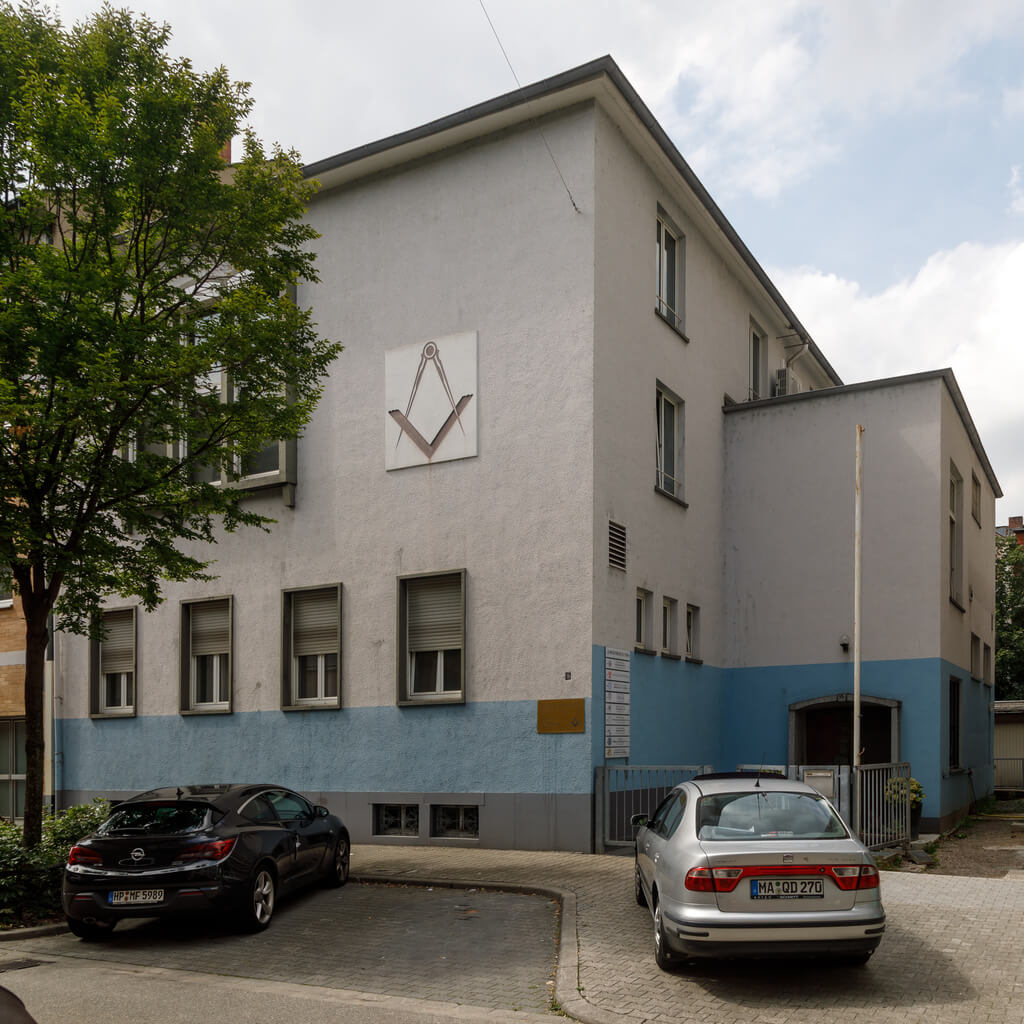
In stark contrast, a society with secrets does not hide its existence. Think of Freemasonry, the Odd Fellows, or many other fraternal orders. These groups have a public face. They own property, are listed in directories, and often participate in community events and charitable work. Their members do not live in fear of being identified; in fact, many are proud of their affiliation.
The ‘secrets’ in such a society are not about plotting against the government or manipulating financial markets. Instead, they pertain to the internal workings of the group. These secrets typically include modes of recognition, like specific handshakes or words, and the symbolic rituals and allegorical plays that are used to teach moral and philosophical lessons to their members. The privacy surrounding these elements serves a distinct purpose.
It creates a unique and shared experience for initiates, fostering a strong sense of brotherhood and belonging. It also ensures that the lessons are revealed in a structured, progressive manner, allowing each member to interpret the symbolism for themselves without preconceived notions. The secrecy is about preserving the integrity and impact of the educational and developmental journey, not about concealing a nefarious agenda from the public. The mystery is a tool for teaching, not a cloak for conspiracy.

Why Do These Societies Have Secrets Anyway?
The persistence of secrets within these public-facing organizations can seem puzzling in our hyper-transparent world. Why maintain these traditions of privacy? The reasons are deeply rooted in human psychology and the purpose of the fraternity itself. Firstly, shared secrets create a powerful bond. The experience of going through an initiation and being entrusted with private knowledge forges a common identity and a sense of mutual trust among members.

This shared knowledge is often transmitted through complex allegories and symbols. For instance, many of the teachings are embedded in a unique Masonic code that encourages members to think symbolically and look for deeper meanings in their lives. This symbolic language is a core part of the educational system, designed to make good men better by prompting introspection and contemplation on principles of morality, truth, and justice.
Furthermore, these secrets are a way of preserving tradition. The rituals and ceremonies practiced today connect current members to a long line of predecessors stretching back centuries. This historical continuity provides a sense of stability and permanence. The methods of communication, which might include things like a special Freemason letter code, are not meant to deceive outsiders but to reinforce the shared context and history among initiates. Secrecy, in this context, is about reverence for a time-honored process of self-discovery.

Do All Secretive Groups Have Sinister Motives?
The conflation of ‘secretive’ with ‘sinister’ is a common but misleading assumption. The human imagination is naturally drawn to the unknown, and it is easy to project our fears onto what we cannot see. The narrative of the evil, world-controlling cabal is a powerful and enduring trope, reflected in many popular quotes about secret societies that emphasize their perceived danger and influence.
However, the reality is far more nuanced. The motives of a group define its character, not its level of privacy. A group like the Freemasons, for example, is founded on principles of charity, civic duty, and personal improvement. Its private aspects are designed to support these goals, not to undermine society. This stands in direct opposition to a terrorist cell or a destructive cult, which also operates in secret but does so to cause harm, exert undue control over its members, and avoid accountability.
It is crucial to evaluate a group based on its actions and stated principles rather than its private customs. Does the group contribute positively to the community? Does it promote ethical behavior among its members? Is membership voluntary and can members leave freely? The answers to these questions provide a much clearer picture of a group’s nature than the mere existence of a secret handshake or a private ceremony. The spectrum of secretive groups is vast, ranging from the entirely benign to the truly malevolent.

How Do These Groups Maintain Their Privacy?
For a society with secrets, maintaining the privacy of its internal traditions is a matter of discipline and structure. This is not achieved through threats or intimidation, but through a shared respect for the institution and the experience it provides. The primary mechanism is the use of ritual. The ceremonies themselves often contain promises or obligations where the candidate agrees to keep the proceedings confidential.
This promise is not taken lightly. It is seen as a test of one’s character and integrity. The structure of the meetings themselves reinforces this privacy. For example, the formal Masonic lodge opening and closing procedures are specific, deliberate acts that symbolically separate the space and time of the meeting from the outside world. This creates a ’tiled’ or sealed environment where members can speak and act freely within the context of their ritual work.
Beyond oaths and formal procedures, privacy is maintained by a culture of discretion. Members learn that the value of the lessons is diminished if they are casually discussed with non-members, as it strips them of their symbolic context and personal impact. The modes of recognition are used to discreetly identify fellow members, not to flaunt a secret status. Ultimately, the privacy is upheld by a collective understanding that what happens within the lodge is a shared, personal journey for its members, and that its sanctity is worth preserving.

Are There Still Secret Societies Today?
In an age of constant surveillance and digital footprints, the idea of a truly secret society seems almost impossible. Yet, the allure of secrecy persists, and groups continue to operate outside the public eye. While it’s difficult to speak definitively about what is truly hidden, we can look at the landscape of known groups that maintain high levels of privacy. There are many secret societies you might not know existed, ranging from exclusive university clubs to esoteric orders.
The digital age has been a double-edged sword for these organizations. On one hand, the internet makes it easier for investigators and the curious public to uncover information and expose hidden networks. On the other hand, it also provides powerful tools for encrypted communication and anonymous organization, allowing modern groups to coordinate across the globe with a level of security unimaginable to their historical predecessors. Some of the oldest secret societies have adapted, while new, digitally native groups have emerged.

This continued fascination is also reflected in our entertainment. The concept is so powerful that it has inspired countless books, films, and even games. The narrative of uncovering clues and joining a hidden order is a compelling fantasy, as seen in things like a popular hidden mystery game where players become part of a fictional, magical order. This reflects our deep-seated curiosity about what lies beneath the surface of everyday life and whether there are hidden truths waiting to be discovered.

Why Does the Distinction Matter?
Understanding the difference between a secret society and a society with secrets is more than just a semantic exercise. It is essential for clear thinking and for fairly evaluating the organizations that exist in our world. Labeling a group like the Freemasons a ‘secret society’ lumps them in with subversive, clandestine organizations and fuels unfounded conspiracy theories. It misrepresents their purpose and maligns the character of their members.
This distinction encourages us to look beyond sensationalism and engage in critical thinking. It prompts us to ask more precise questions. Instead of asking if a group is ‘secret’, we should ask: What is the purpose of its privacy? Does the group operate openly in society? What are its stated goals and values? Are its activities aligned with those values? This approach allows for a more accurate and fair assessment.
Ultimately, a society with secrets uses privacy to protect the integrity of its teachings and foster a unique environment for personal growth and fellowship among its members. A secret society uses secrecy to shield its existence and actions from the world, often to pursue an agenda that would not withstand public scrutiny. Recognizing this fundamental divide allows us to appreciate the rich traditions of fraternal orders while remaining vigilant against genuinely harmful organizations. It is the difference between a path of enlightenment and a cloak of conspiracy.

The Enduring Appeal of the Unknown
The human psyche has an innate fascination with the unknown. We are natural explorers and puzzle-solvers. The idea that there is more to the world than meets the eye is a powerful and attractive concept. This is why both secret societies and societies with secrets continue to captivate our imagination. They represent a world beyond the mundane, a realm of hidden knowledge, special camaraderie, and profound purpose.
For some, this appeal leads them down the rabbit hole of conspiracy theories, where every shadow holds a plotter and every symbol is evidence of a hidden agenda. For others, it sparks a genuine quest for knowledge and self-improvement. It can lead an individual to seek out a society with secrets, like Freemasonry, not to learn how to control the world, but to learn how to better understand themselves and their place within it.
This desire for deeper meaning is a timeless human pursuit. Fraternal orders with private traditions provide a structured path for that journey. They offer a space where life’s biggest questions can be explored through shared ritual and ancient symbolism. They transform the ‘secret’ from something to be feared into a key that unlocks a door to greater understanding. The allure is not in the secrecy itself, but in what that secrecy protects: a transformative and enlightening experience.
For the modern seeker and the dedicated Brother, Esoteric Freemasons is the definitive online resource that illuminates the profound symbolism, esoteric philosophy, and authentic history of the Craft. We go beyond the surface to reveal the true light of Masonic knowledge.
Frequently Asked Questions

Why is there so much secrecy surrounding the Masonic First Degree words?
The secrecy surrounding Masonic words is a foundational method for teaching fidelity and honor, rather than a means to conceal nefarious activities. By entrusting a new candidate with specific words, the fraternity is testing his integrity and ability to keep a solemn promise. This first lesson in confidentiality is crucial, as it demonstrates that the individual is worthy of the greater trust and knowledge that will be shared in subsequent degrees.
Furthermore, this tradition of secrecy preserves the unique impact and personal significance of the initiation ceremony for every new member. It ensures that future candidates can experience the ritual with a fresh perspective, allowing its symbolic lessons to unfold as intended. This shared, protected knowledge also forges a powerful and immediate bond among members, serving as a key to mutual recognition and brotherhood.

How do the First Degree words connect to the moral lessons of an Entered Apprentice?
The words of the First Degree are not merely passwords but are deeply symbolic tools that connect directly to the degree’s central theme of seeking "light," or knowledge. They represent the first intellectual and moral implements given to a new Mason to begin constructing his character. The careful and precise manner in which these words are communicated reinforces the Masonic virtues of careful thought, discipline, and truthfulness.
Each word serves as a mnemonic device, helping the Entered Apprentice remember the specific obligations he has undertaken and the core principles of the fraternity. They are intrinsically linked to the allegorical journey from darkness to light, symbolizing the initial steps toward enlightenment and self-improvement. In this way, the words become a constant reminder of the moral framework he is meant to build upon throughout his Masonic journey.
Are the Masonic First Degree words universal across all Grand Lodges?
While the fundamental principles and symbolic meanings of the First Degree are largely universal, the exact ritualistic words can have slight variations between different Masonic jurisdictions. Each Grand Lodge is a sovereign authority, meaning it governs the specific ritual practiced within its lodges. These minor differences often stem from historical traditions and the evolution of the ritual in different geographic regions.
Despite these subtle variations in phrasing, the core modes of recognition are consistent enough to be mutually understood across the globe. This allows a Mason from one Grand Lodge jurisdiction to prove his standing and be welcomed as a brother in another. This elegant balance between jurisdictional autonomy and universal brotherhood is a hallmark of the worldwide Masonic fraternity.