Unveiling the Veil: The Real Difference Between Secret Societies and Societies with Secrets
The allure of the unknown is a powerful human motivator. Whispers of clandestine meetings, ancient rituals, and hidden knowledge have captivated our imagination for centuries. This fascination often centers on the idea of the secret society, a shadowy organization operating behind the scenes. Yet, a crucial distinction is often lost in popular culture: the difference between a true secret society and what is more accurately termed a society with secrets.
Freemasonry, perhaps one of the most famous and misunderstood organizations in the world, sits at the heart of this debate. Is it a cabal bent on global influence, or something else entirely? The answer lies in understanding that not all that is private is sinister. The fraternity operates on a foundation of tradition and symbolism, guarding knowledge not to control the world, but to enrich the lives of its members. The true nature of Masonic secrets is less about conspiracy and more about a shared journey of personal enlightenment.
To truly grasp this concept, we must first dismantle the monolithic idea of the secret society and examine its components. By peeling back layers of myth and misconception, we can see these organizations, particularly Freemasonry, in a clearer and more accurate light. This is not a defense but an exploration of a fundamental difference in purpose, structure, and intent that separates private fraternity from hidden conspiracy.

What Truly Defines a Secret Society?
A genuine secret society operates almost entirely in the shadows. Its primary characteristic is concealment. The very existence of the group might be a secret, its membership list is unknown to the public, and its ultimate goals are deliberately obscured from outsiders. Think of historical examples often cited in lore, like the original Bavarian Illuminati, which actively sought to infiltrate and influence state powers from behind a veil of complete anonymity.
The structure of such a society is designed for subterfuge. Meetings are held in undisclosed locations, communication is deeply encrypted, and members may not even know the identities of their higher-ups. Their purpose is often political, revolutionary, or subversive, requiring secrecy for survival and the successful execution of their agenda. They are, by their very nature, hidden from public view and accountability.
This model thrives on being invisible. If the public knows who the members are, where they meet, and what they generally stand for, it ceases to be a secret society in the truest sense. Its power is derived directly from its invisibility and the inability of outsiders to scrutinize its actions. This is the paradigm that fuels conspiracy theories and captures the imagination, but it represents only one very specific type of organization.

How is a Society with Secrets Different?
In stark contrast stands the society with secrets. This type of organization is not hidden at all. Its existence is public knowledge. It often has publicly listed headquarters or meeting places, and its membership, while not always broadcast, is not typically a matter of deep concealment. Many members are open about their affiliation.
The ‘secrets’ in this context do not pertain to a hidden agenda against the public good. Instead, they relate to internal matters, much like a family has private jokes and stories or a corporation has proprietary trade secrets. These secrets are the rituals, symbols, and modes of recognition that are meaningful only to the initiated. They serve to create a unique bond among members and to convey the society’s core teachings through allegory and ceremony.
Their purpose is not subversive but constructive. These societies, such as collegiate fraternities, sororities, and guilds, focus on fellowship, personal development, and charity. The privacy of their ceremonies is not to hide a nefarious plot but to preserve the unique and impactful experience for new members. It creates a shared, distinct identity and reinforces the group’s values and lessons in a memorable way.

So, Where Does Freemasonry Fit In?
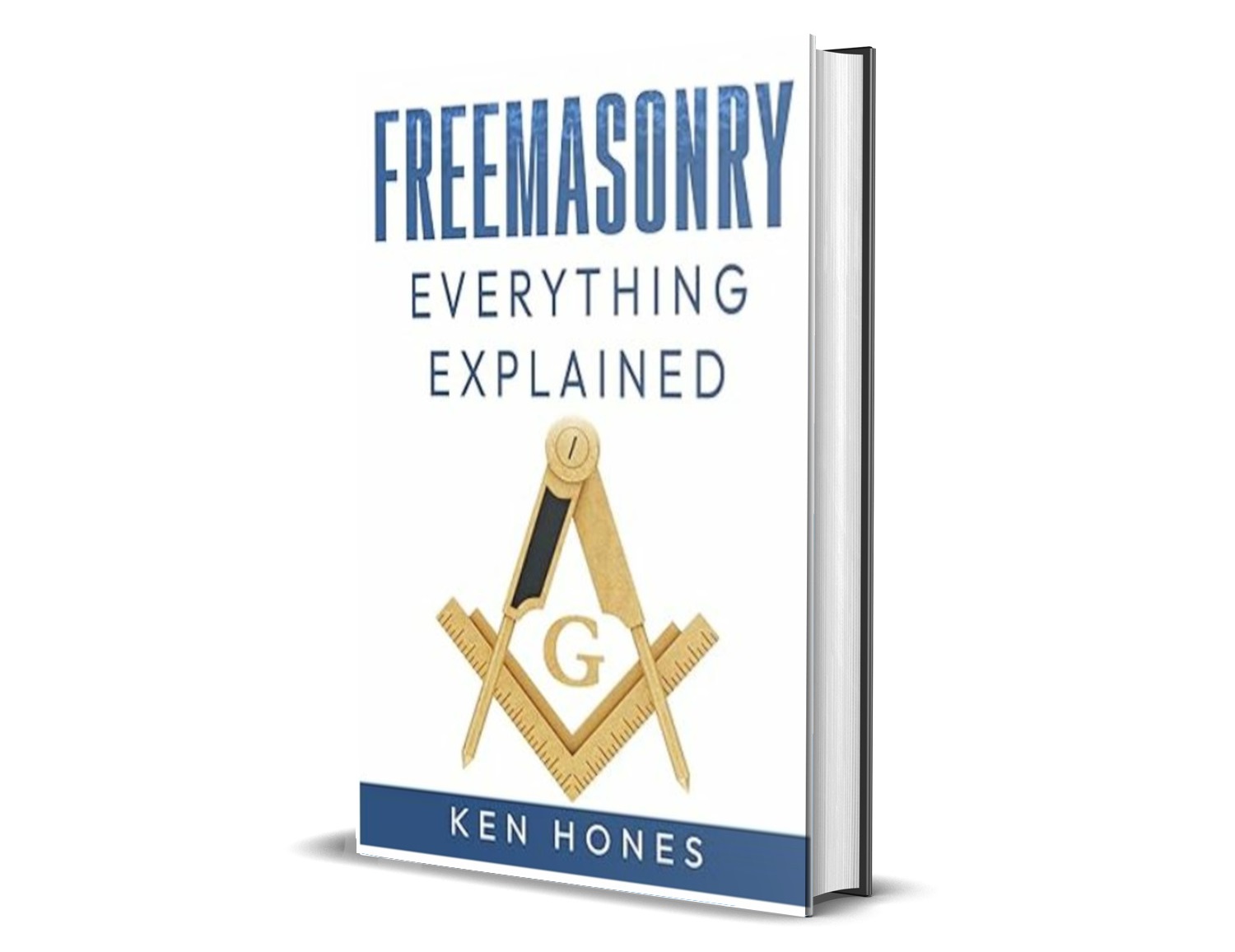
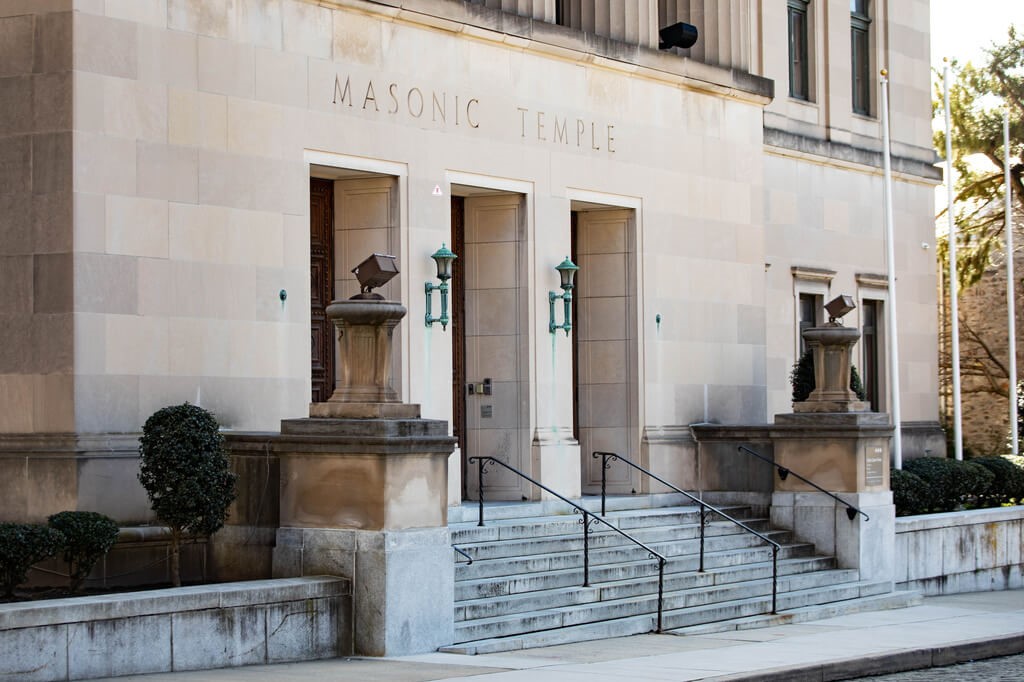
When we place Freemasonry under this lens, its classification becomes much clearer. Masonic Lodges are not hidden buildings; they are often prominent structures in towns and cities worldwide, frequently marked with the iconic Square and Compasses. Many Masons are public figures, and membership is not a state secret. The organization engages in vast amounts of publicly documented charity work and community support.

This public-facing nature directly contradicts the fundamental definition of a secret society. However, the debate continues, and some sources argue that Freemasonry is a secret society based on its private rituals and oaths of secrecy. This perspective often focuses on the exclusionary nature of the guarded knowledge without fully considering its purpose. The argument hinges on whether any level of organizational privacy automatically qualifies a group as ‘secret’.
Yet, the evidence points overwhelmingly toward Freemasonry being a society with secrets. Its purpose is not the overthrow of governments but the moral and spiritual improvement of its members, described as ‘making good men better’. The secrets are a method of instruction and a means of fostering brotherhood, not a shield for plotting. The distinction is about intent. Secrecy for conspiracy is one thing; privacy for fraternity and personal growth is another entirely.

What Kind of Secrets Do Masons Keep?
The secrets of Freemasonry are, for the most part, ceremonial. They primarily consist of the specific details of the rituals performed during degree conferrals. These include symbolic allegories, dramatic presentations of moral lessons, and what are known as modes of recognition. These modes are the famous ‘secret’ handshakes, specific words, and their accompanying signs.
These elements are not passwords to global power but are simply methods for Masons to recognize one another as members of the fraternity. For example, understanding the word of an Entered Apprentice Mason is a way for one member to verify another has undergone the same initiatory experience, creating an instant bond of shared understanding and trust. It is a tradition that binds the fraternity together across geographic and cultural divides.
Furthermore, some Masonic teachings have historically been preserved and transmitted through unique forms of writing. The use of a Masonic cipher code was another method to ensure that ritualistic work and symbolic teachings remained within the fraternity. This was not to encrypt plans for world events, but to safeguard the allegorical lessons that are meant to be revealed and contemplated gradually as a member progresses through the degrees. The ‘secret’ is the personal interpretation and impact of these symbols, a journey unique to each Mason.

Are There Other Societies Like This?
Throughout history, humanity has organized itself into groups with varying levels of privacy. The impulse to form exclusive fraternities for mutual aid, shared knowledge, or spiritual practice is not unique to Freemasonry. For a deeper academic look, one can see the general definition of a secret society covers a wide range of groups with diverse motivations, from political to religious to criminal.
Many of these organizations fall into the category of societies with secrets. Ancient mystery schools, such as the Eleusinian Mysteries of Greece, had public festivals but reserved their core rites and teachings for initiates. Medieval guilds protected the ‘mysteries’ of their craft, which were essentially trade secrets and techniques, through a system of apprenticeship and sworn secrecy.
Even today, we see echoes of this structure in various fraternal orders and clubs. The modern world is filled with groups that have private traditions. And while they may not have the same historical depth as Freemasonry, secret societies you didn’t know existed continue to form, each with its own private culture. The concept is also a massive trope in entertainment, where the idea of hidden knowledge and powerful groups is a constant source of drama, as seen in popular fiction and even gaming lore found on a wiki for The Secret Society. This blend of fact and fiction often confuses our understanding of real-world organizations.

Why is Freemasonry So Publicly Visible Then?
One of the most compelling arguments against Freemasonry being a true secret society is its sheer visibility. You do not have to look hard to find Masons. They are your neighbors, coworkers, and community leaders. Throughout history, the fraternity has included a vast number of prominent individuals who were open about their membership.
The list of influential Masons is long and distinguished, including presidents, scientists, artists, and philosophers. The highest echelons of the Scottish Rite, for instance, have included many famous 33rd Degree Masons whose affiliation was public knowledge. This openness is fundamentally incompatible with the operational model of a truly secret organization, which relies on the anonymity of its members to function.

Moreover, Masonic Lodges and their appendant bodies are deeply involved in their communities. They sponsor scholarships, run children’s hospitals, support blood drives, and engage in countless other philanthropic endeavors. These are not the actions of a group hiding its intentions. Rather, they are the outward expression of the fraternity’s core tenets: brotherly love, relief, and truth. The public good they do is a testament to their stated, not hidden, purpose.

If Not for Power, What is the Purpose of Masonic Secrecy?
If the secrets are not about a global conspiracy, then what purpose do they serve? The answer is twofold, focusing on the bonds of fellowship and the method of moral instruction. The privacy of the Masonic ritual is a tool designed to achieve the fraternity’s stated goals.

Does Secrecy Foster a Deeper Bond?
Yes, absolutely. Sharing a unique and private experience is one of the most effective ways to build trust and camaraderie. When a candidate goes through a Masonic degree, he shares that moment with the other members present. It is an experience that cannot be fully explained to an outsider, creating an immediate and lasting connection among those who have participated.
This shared secret knowledge, whether it is a symbolic word or a particular handshake, acts as a key. It unlocks a sense of belonging and mutual obligation. It assures a Mason that he is among brothers who have made the same commitments and are dedicated to the same principles of integrity, honesty, and mutual support. It transforms a group of strangers into a true fraternity.

Is Secrecy a Tool for Moral Instruction?
This is perhaps the most important function of Masonic secrecy. Freemasonry teaches its philosophical and ethical lessons through allegory and symbolism. The ‘secrets’ are the symbols and allegorical stories themselves. Their meanings are not handed to a new member in a textbook; they are designed to be contemplated and understood over time.
The gradual process of initiation, moving from one degree to the next, is a journey of discovery. Each step reveals new symbols and new lessons, building upon the last. By keeping the nature of these future lessons private, the fraternity ensures that each candidate experiences them with an open mind, allowing the moral teachings to have a profound and personal impact. The secret, therefore, is not the information itself, but the transformative experience of uncovering it for oneself.
In the end, the distinction is critical. A secret society hides its very being to pursue an unknown agenda. A society with secrets, like Freemasonry, operates openly while reserving its unique traditions for its members to foster brotherhood and teach timeless moral lessons. The veil of secrecy is not a cloak for conspiracy, but a canvas upon which lessons of virtue and fidelity are painted for those who choose to seek them.
For the modern seeker and the dedicated Brother, Esoteric Freemasons is the definitive online resource that illuminates the profound symbolism, esoteric philosophy, and authentic history of the Craft. We go beyond the surface to reveal the true light of Masonic knowledge.
Frequently Asked Questions

What happens if a Mason forgets the Fellowcraft password?
Should a Fellowcraft Mason forget the password, he is not harshly punished or permanently barred from his lodge. The Masonic system has procedures in place for this common human error, emphasizing brotherhood over rigid adherence. He would typically be examined by the Tyler (the lodge’s outer guard) or a committee of brothers who would use other modes of recognition to verify his standing and allow him entry.
This situation serves as a practical lesson in diligence, a core tenet of the Fellowcraft degree itself. Forgetting the password reinforces the importance of preparation and the continuous study of Masonic teachings. It is a gentle reminder that the privileges of Freemasonry are earned through active participation and a commitment to retaining the knowledge imparted in the degrees.
Are the Masonic passwords, including the Fellowcraft’s, truly secret in the modern era?
In the age of the internet, the specific words used as Masonic passwords can often be found in historical exposures and online forums. However, the true secrecy lies not in the word itself, but in the shared, personal experience of receiving it within the solemn context of the degree ceremony. Knowing a word from a website is fundamentally different from earning the right to use it through ritual and initiation.
For a Mason, guarding the password is a matter of personal honor, integrity, and a promise made to his brethren. The word’s value comes from its proper use as a tool of recognition among those who share a common bond and understanding. Without the correct context, grips, and signs that accompany it, the password is just a word stripped of its Masonic significance and power.

How does the Fellowcraft password relate to the overall theme of the second degree?
The Fellowcraft degree is symbolically focused on the value of education, intellectual labor, and the pursuit of hidden knowledge, as represented by the study of the seven liberal arts and sciences. The password, which is derived from a biblical story emphasizing discernment and correct pronunciation, directly supports this central theme. It acts as a symbolic test, demonstrating that the bearer has received proper instruction and can apply it correctly.
Furthermore, the story behind the password highlights the severe consequences of ignorance and imposture, reinforcing the degree’s lesson that true mastery cannot be faked. It teaches the Fellowcraft that the path to Masonic light requires genuine effort and a solid educational foundation to distinguish truth from error. In this way, the password is not merely a key for entry but a constant, symbolic reminder of the importance of learning.