Living the Craft: How Masonic Principles Can Build a Better Life
Freemasonry is often shrouded in mystery, viewed by the public as a secret society with ancient rituals and hidden agendas. While it is an institution with a rich history and private ceremonies, its core purpose is far from mysterious. It is a beautiful system of morality, veiled in allegory and illustrated by symbols. The true work of a Mason is not confined to the lodge room; it begins when he steps back into the world.
The fraternity is, at its heart, a practical philosophy for living. It provides its members with a set of tools, not made of steel and stone, but of principle and virtue. These tools are designed to help good men become better, to chip away at their own imperfections, and to build a more just and compassionate life. The lessons learned within the lodge are a blueprint for conduct in your family, your career, and your community.
This journey of self-improvement is central to the Masonic experience. It is about taking abstract virtues and making them concrete through daily action. By understanding what Freemasonry teaches, an individual can learn to live with greater integrity, purpose, and harmony. The craft is not about what you do in a lodge; it is about the man you become because of it.

What Are the Core Principles of Freemasonry?
Before we can apply Masonic teachings, we must understand their foundation. The entire structure of the craft rests upon three great pillars: Brotherly Love, Relief, and Truth. These are not merely suggestions but the essential duties a Mason owes to himself, his brethren, and all of humanity.
Brotherly Love is the principle of tolerance and respect. It instructs a Mason to regard the entire human species as one family and to practice kindness and understanding towards all, regardless of their background, beliefs, or station in life. It is about seeing the good in others and offering support without judgment.
Relief is the practical application of Brotherly Love. It compels a Mason to aid and assist those in distress, not just his fellow Masons but anyone in need. This relief is not purely financial; it extends to emotional comfort, compassionate listening, and offering a helping hand to ease the burdens of another.
Truth is the final and paramount tenet. It represents a divine attribute and the ultimate pursuit of a Mason’s life. This is not just about simple honesty in your dealings but a dedication to seeking knowledge, dispelling ignorance, and living an authentic life guided by reason and morality.

How Can the Plumb, Square, and Level Guide Your Daily Actions?
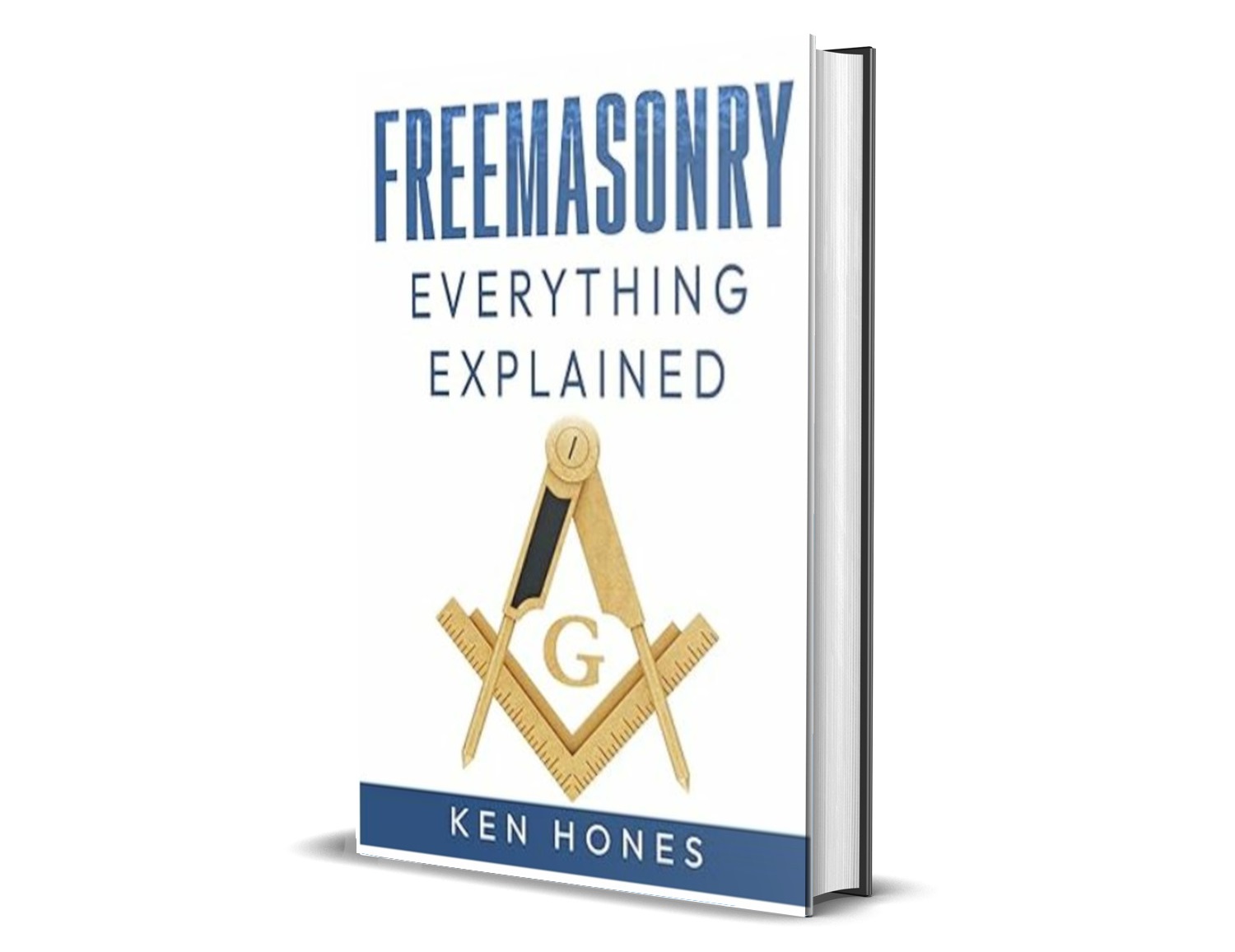
Among the most iconic symbols in Freemasonry are the working tools of a stonemason. The Plumb, Square, and Level are presented to a Mason to teach him specific moral lessons. These are not just abstract symbols; they are practical guides for everyday conduct, helping to translate grand principles into tangible actions.
These tools remind a Mason that his character is a structure he is building every day. Each decision, each interaction, is another stone laid. By using these symbolic instruments, he ensures his life’s work is strong, true, and built upon a solid foundation.

What Does the Plumb Teach Us About Integrity?
The plumb-rule is a tool used by builders to ensure their walls are perfectly vertical. In Freemasonry, it symbolizes uprightness of character. To walk uprightly before God and man means to live a life of integrity, honesty, and moral rectitude. The plumb is a constant reminder to be true to your principles, even when no one is watching.

In daily life, applying the plumb means conducting your business with unwavering honesty. It means fulfilling your promises and being a person of your word. It is about making decisions that align with your moral compass, ensuring that your inner values are reflected in your outward actions. A man guided by the plumb does not sway with popular opinion or compromise his ethics for personal gain.

How Does the Square Shape Our Morality?
The square is used to test the accuracy of angles and to ensure that a stone is cut perfectly. Symbolically, it is the emblem of virtue. Masons are taught to square their actions by the square of virtue with all mankind. This means measuring every action against the high standards of morality and justice.
Applying the square in your life means treating every person with fairness and equity. It is about regulating your behavior and harmonizing your passions. When you face a difficult decision, the square encourages you to consider if your choice is fair to all involved. It guides you to act with reason rather than prejudice, ensuring your conduct is reliable and just. This aligns with the deeper exploration into what is Freemasonry and what do freemasons believe, as these beliefs are the bedrock of such moral actions.

Why is the Level a Symbol of Equality?
The level is a tool for ascertaining a horizontal plane. For a Mason, it is a potent symbol of equality. It reminds him that all men are created equal and share the same journey from birth to death, regardless of wealth, power, or status. It teaches humility and the importance of seeing every person as a brother on the same level.
In your daily interactions, the level encourages you to treat the CEO and the janitor with the same degree of respect and courtesy. It is a powerful antidote to pride and arrogance. It prompts you to listen to different perspectives, to value the contributions of others, and to build relationships based on mutual respect rather than social hierarchy. Living by the level means recognizing the inherent worth in every individual.

How Does Freemasonry Encourage Self-Improvement?
A central allegory in Freemasonry is that of the stonemason building King Solomon’s Temple. Each Mason is taught to view himself as a stone for that spiritual building. This powerful metaphor frames self-improvement not as a casual hobby but as a sacred duty. The goal is to transform oneself from a raw, imperfect state into a being fit for a higher purpose.
This transformation is a lifelong process. It requires dedication, education, and the consistent application of Masonic tools and principles. The journey of personal growth is at the very core of being a Mason, as the fraternity’s primary aim is to help its members continually refine their character.

What is the Symbolism of the Rough and Perfect Ashlars?
In the lodge, two symbolic stones are always present: the Rough Ashlar and the Perfect Ashlar. The Rough Ashlar is a stone as taken from the quarry, in its natural and unrefined state. It represents man in his ignorance, unpolished by discipline or education. It is a symbol of our inherent imperfections, our vices, and our untamed passions.
The Perfect Ashlar is a stone that has been squared, smoothed, and perfected by the hands of the skilled craftsman. It represents the state of perfection we strive to achieve through a virtuous life, the pursuit of knowledge, and the subjugation of our baser instincts. The journey from the rough to the perfect ashlar is the story of a Mason’s life: a continuous effort to improve himself in mind and spirit.

How Do Masons Use the Working Tools for Self-Development?
Beyond the Plumb, Square, and Level, other tools provide further instruction. The Common Gavel is said to be used to break off the rough and superfluous corners of the Rough Ashlar. Symbolically, it represents the force of conscience, which should be used to divest our hearts of vice and impurity.

Similarly, the Chisel represents the power of education and perseverance. While the Gavel is a blunt instrument for removing major flaws, the Chisel allows for finer, more detailed work. It shows how discipline, study, and a commitment to lifelong learning can shape us into more sophisticated and enlightened individuals. The process of using these tools is deeply personal, and understanding what Freemasonry means to me is a unique discovery for each member on his path.

What Role Does Truth Play in a Mason’s Life?
In Masonic philosophy, Truth is the ultimate object of our quest. It is described as a divine attribute and the foundation of every virtue. This pursuit goes far beyond mere factual accuracy; it is a deep-seated commitment to seeking wisdom, living authentically, and gaining a more profound understanding of oneself, the universe, and the Great Architect.
The search for Truth encourages intellectual curiosity and a respect for reason. Freemasonry flourished during the Age of Enlightenment, and its teachings reflect a profound belief in the power of knowledge to liberate the human spirit from the darkness of ignorance and superstition. It is a philosophy that champions open inquiry and personal discovery.
Living a life dedicated to Truth means being honest with yourself about your own faults and striving to correct them. It means communicating with others in a sincere and straightforward manner. It involves a commitment to lifelong learning, reading, and contemplating the world’s great philosophical and spiritual questions. This commitment to reason and evidence-based understanding is one reason why many external sources, like academic and science publications, have sought to understand the organization’s history and influence, as seen in resources from platforms like LiveScience.

How are Brotherly Love and Relief Practiced Outside the Lodge?
The principles of Brotherly Love and Relief are the most outward-facing of Masonic virtues. They are the primary ways in which the fraternity’s moral teachings translate into positive action in the world. They are not meant to be confined to interactions between Masons but are to be extended to all of humanity.
These principles form the social conscience of Freemasonry. They demand that a member look beyond his own needs and consider his responsibilities to his community and to the world at large. They are the engine of Masonic charity and the source of its reputation for benevolence.

What Does Brotherly Love Truly Mean?
Brotherly Love in the Masonic sense is a radical form of empathy and tolerance. It asks a Mason to put himself in the place of another, to feel their joys and sorrows, and to act with compassion. It is the practice of seeing past differences in race, religion, or creed and recognizing a common humanity.
In daily life, this means being a good neighbor and a loyal friend. It means listening patiently when someone needs to talk and offering encouragement when they are down. It is about celebrating the successes of others and avoiding envy or malice. Practicing Brotherly Love means actively contributing to a more tolerant and harmonious society, one small act of kindness at a time. This is a foundational element, and for anyone considering the fraternity, it is important to understand what you need to know about these core commitments.

How is Relief More Than Just Charity?
While Freemasonry is known for its significant charitable giving, the principle of Relief is much broader. It is a personal duty to relieve the distressed. This can take many forms, from donating to a food bank to helping a neighbor with their yard work. It is about being attentive to the needs of those around you and acting to alleviate their burdens.
Relief also extends to emotional and mental support. It means offering a shoulder to cry on, providing wise counsel when asked, and maintaining the confidences of a friend in trouble. It is a proactive principle, encouraging a Mason not to wait until he is asked for help but to seek out opportunities to serve others. This commitment to care is a cornerstone of the Masonic way of life.
Does Freemasonry Extend Beyond Men’s Groups?
Historically, regular Freemasonry, as descended from the operative stonemason guilds of Europe, has been an organization for men. This tradition is maintained by the vast majority of Grand Lodges around the world. However, the Masonic family is much broader and more diverse than many people realize.
Over the centuries, a variety of appendant and concordant bodies have emerged, all connected to the principles of Freemasonry. These include organizations that welcome both men and women, or are exclusively for women. Groups like the Order of the Eastern Star and the Order of the Amaranth have long provided a space for women to engage with Masonic values and charitable work. Furthermore, there are entire systems of Co-Freemasonry and female Masonic groups that operate independently, offering women a path to initiation and Masonic light.

How Does One Begin This Journey of Self-Betterment?
The principles of Freemasonry are not exclusive secrets. They are universal truths about morality, integrity, and compassion that have been taught by philosophers and sages for millennia. The Craft’s unique contribution is its powerful symbolic method for teaching these truths and motivating men to live by them.
You do not need to be a Mason to live by the plumb, square, and level. You can begin today by making a conscious choice to act with greater integrity, to treat others with fairness and equality, and to commit yourself to lifelong learning and self-improvement. The teachings of the Craft offer a time-tested blueprint for anyone seeking to build a better, more meaningful life.
By exploring these ideas, you are taking the first step on a path of personal growth. The journey is a rewarding one, leading to a deeper understanding of yourself and your place in the world. For those who wish to learn more about its structure and purpose, many resources offer a clear view of what is Freemasonry and its role in society.
The true secret of Freemasonry is that its lessons are meant to be lived. They are a call to action, a challenge to take the raw material of your character and, with patience and diligence, shape it into a work of art.

Frequently Asked Questions

What is the typical time commitment for a member of a Masonic Lodge?
The time commitment for a Freemason can vary, but the foundational requirement is quite manageable for most. Typically, a lodge holds one or two "stated meetings" per month, which are the primary business meetings that members are expected to attend. Beyond these regular gatherings, there may be additional meetings for rehearsing ritual or conferring degrees upon new members.
However, a member’s level of involvement is largely a personal choice based on their interests and availability. Many Masons choose to join committees, participate in charitable events, or attend social functions, which adds to their time commitment. The fraternity encourages a healthy balance, emphasizing that a Mason’s obligations to his family and profession always come first.

Is Freemasonry a religion, and can I join if I already have a religious affiliation?
Freemasonry is not a religion, but it does require each of its members to profess a belief in a Supreme Being. This requirement is a cornerstone of the fraternity, as Masonic teachings are built upon a foundation of morality and personal accountability under the watch of a higher power. However, Masonry does not prescribe any specific theology or offer a path to salvation, leaving those matters to a member’s individual faith.
Because it is a fraternity rather than a religious institution, men from virtually all faiths are welcome to join, and many active Masons are also devout members of their own churches, synagogues, or mosques. In fact, Freemasonry encourages its members to be active in their personal faith. To preserve harmony, discussions of specific religious dogma are not permitted within the lodge, ensuring a welcoming environment for all.

Why is there so much secrecy surrounding Freemasonry, and what can I share with my family?
Freemasonry is more accurately described as a society with secrets rather than a secret society. Its existence is public, and Masons are proud to identify themselves, with lodge buildings often being prominent landmarks in their communities. The "secrets" of Masonry pertain to the traditional modes of recognition—the grips and words—and the allegorical lessons taught during private degree ceremonies.
A Mason is free and encouraged to share most aspects of his Masonic journey with his family and friends. This includes discussing the fraternity’s commitment to charity, its focus on self-improvement and morality, and the strong bonds of brotherhood he enjoys. The only elements he is sworn to keep private are the specific rituals, which helps preserve the unique and impactful experience for every man who joins.
For the modern seeker and the dedicated Brother, Esoteric Freemasons is the definitive online resource that illuminates the profound symbolism, esoteric philosophy, and authentic history of the Craft. We go beyond the surface to reveal the true light of Masonic knowledge.