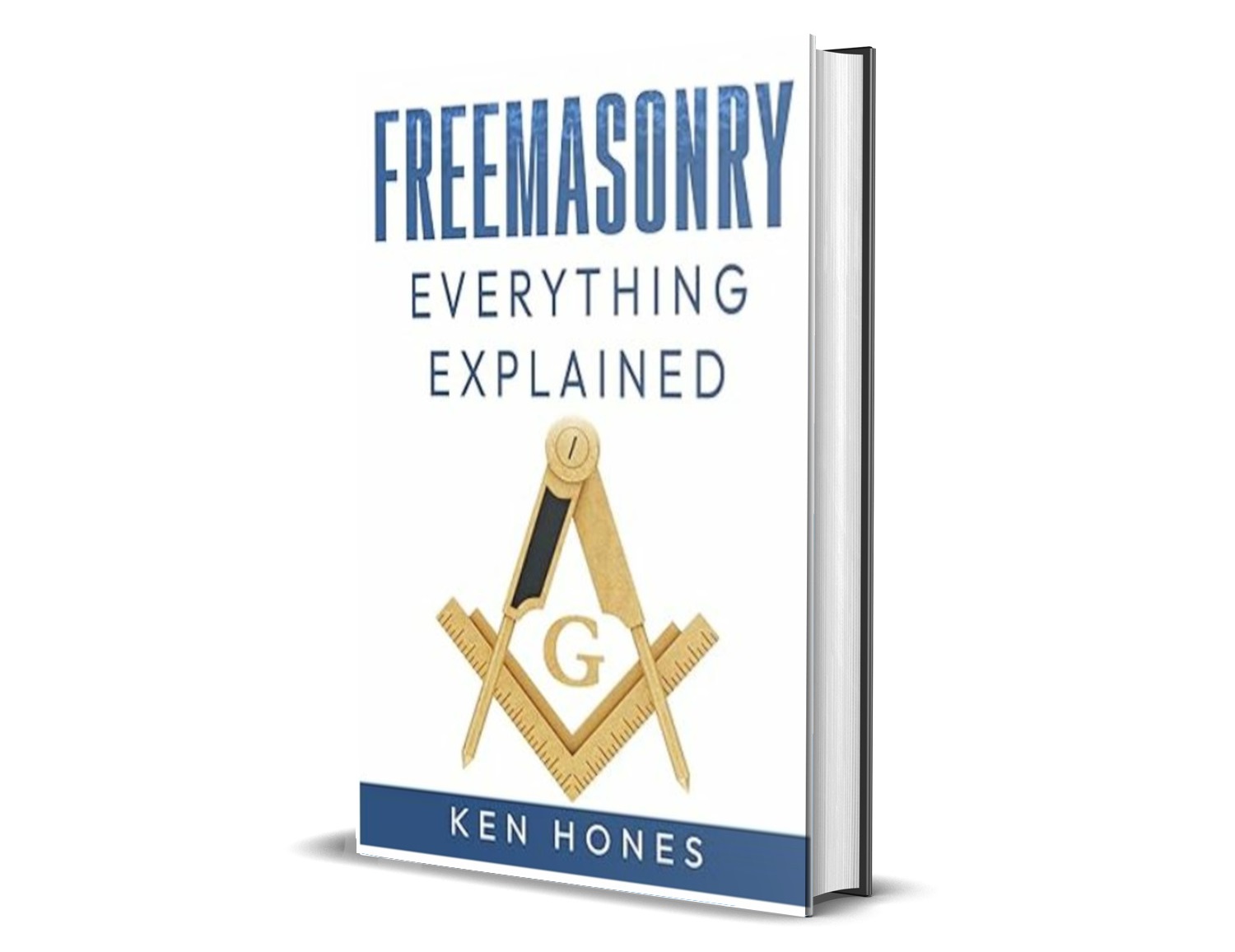
The Heart of the Craft: Unveiling the Vast World of Masonic Charity
When people think of Freemasonry, their minds often drift to images of secret handshakes, ancient symbols, and mysterious meetings held behind closed doors. While the Craft is indeed rich with history and symbolism, its most profound secret is perhaps the one hidden in plain sight: its unwavering commitment to philanthropy.
At its core, Freemasonry is a system of morality, veiled in allegory and illustrated by symbols. A central tenet of this moral system is the practice of relief for those in distress. This is not a peripheral activity but a foundational pillar of the institution. The extensive work in Masonic charity represents the tangible application of the fraternity’s highest ideals, turning philosophical lessons into real-world impact that touches millions of lives.
This commitment to helping others is a defining characteristic of a Mason. It is a duty that extends from a Brother in need to the community at large, and even to the world. Understanding this philanthropic impulse is key to understanding the true nature of Freemasonry itself.

What Are the Core Principles of Masonic Philanthropy?
Freemasonry teaches its members to be guided by three great principles: Brotherly Love, Relief, and Truth. While all are interconnected, Relief is the principle that most directly translates into charitable action. It is the tangible expression of Brotherly Love.
Relief, in a Masonic context, means alleviating the suffering and hardship of others. This begins with a solemn obligation to care for fellow Masons and their families. If a Brother falls on hard times, loses a job, or faces a health crisis, his Lodge and the wider fraternity are there to provide support, both financial and emotional.
But this obligation does not stop at the Lodge door. Masons are taught that charity should be as extensive as humanity itself. This inspires a broader philanthropic mission to serve the community without regard to creed, color, or status. The goal is to make the world a better place by practicing compassion in a direct and meaningful way.

How Did Masonic Charity Begin?
The roots of Masonic charity are as old as the fraternity itself. In the 17th and 18th centuries, when operative stonemason guilds evolved into speculative Masonic Lodges, the tradition of mutual aid continued. Early Lodges maintained a ‘charity box’ to collect funds for members who were sick, injured, or unable to work, as well as for their widows and orphans.
This informal system soon grew into a more organized structure. As Freemasonry expanded, so did the scale of its charitable ambitions. In the 18th century, Grand Lodges began establishing formal charities. The first of these were often schools dedicated to educating the children of Masons who had died or could no longer provide for them.
Soon after, homes for elderly Masons and their widows were established, providing a safe and dignified retirement for those who had dedicated their lives to the Craft and their communities. These early institutions laid the groundwork for the vast and diverse charitable network that exists today, demonstrating a long and unbroken history of organized giving.

What Does Masonic Charity Look Like Today?
Modern Masonic philanthropy is a massive, multi-faceted enterprise that operates on every level, from the local Lodge to international foundations. It has evolved from simple mutual aid into a sophisticated global network of giving that addresses a wide array of societal needs.

How Do Local Lodges Contribute?

The heart of Masonic charity still beats strongest at the local level. Individual Lodges are deeply embedded in their communities and are often the first to identify and respond to local needs. Their contributions are personal, direct, and incredibly varied.
A local Lodge might sponsor a youth sports team, providing uniforms and equipment. They frequently host blood drives, pancake breakfasts, or fish fries to raise money for local food banks or women’s shelters. Many Lodges offer annual scholarships to graduating high school students, investing in the future of their communities.
This grassroots activity is vital. It ensures that Masonic charity remains connected to the people it serves, allowing Masons to see the immediate and positive results of their efforts. It is community service at its most fundamental level.

What About Grand Lodge and National Efforts?
While local Lodges handle immediate community needs, state-level Grand Lodges and national Masonic bodies coordinate larger-scale projects. These organizations pool resources from thousands of members to fund major initiatives that a single Lodge could not support on its own. The collective power of Freemasons charity allows for a much broader and more significant impact.
These larger bodies operate extensive programs focused on specific areas like education, healthcare, and elder care. They manage Masonic homes, fund medical research, and run statewide literacy programs. A prime example of this organized approach is the work done by a Masonic Charity Foundation, which acts as a central body for directing philanthropic funds where they are most needed.
These foundations professionalize the act of giving. They employ experts in nonprofit management and grantmaking to ensure that members’ contributions are used effectively and efficiently, maximizing the positive impact on society.

What Are Some Major Areas of Masonic Charitable Focus?
Masonic charity is diverse, but several key areas consistently receive significant support. This focus allows the fraternity to develop deep expertise and make a lasting difference in specific fields of human need.

Do Masons Support Healthcare and Medical Research?
Yes, and it is one of the most well-known areas of Masonic philanthropy. The most famous example is the Shriners Hospitals for Children, an international network of 22 hospitals founded by the Shriners, a Masonic appendant body. These hospitals provide expert pediatric care for complex conditions, completely free of charge to patients and their families.
Beyond the Shriners, Masonic organizations are major funders of medical research. Grand Lodges and Masonic foundations donate millions of dollars annually to find cures and treatments for devastating illnesses. Significant funds have been directed toward research into cancer, heart disease, Alzheimer’s, and childhood language disorders like dyslexia.

How Does Masonic Charity Support Education?
From its earliest days, Freemasonry has been a champion of education and enlightenment. This is reflected in its charitable focus on learning. The most common form of educational support is scholarships. Masonic Lodges, Grand Lodges, and appendant bodies give away millions of dollars in scholarships each year to students at all levels of education.

Beyond scholarships, Masons are deeply involved in promoting literacy. Many jurisdictions run programs that provide books to schoolchildren or support adult literacy centers. The ‘Masonic Model Student’ and ‘Student of the Year’ programs recognize young people for their academic achievement and community involvement, encouraging the values of good citizenship.

What Is the Role of Masonic Homes and Elder Care?
Continuing the tradition of ‘taking care of our own’, the Masonic fraternity operates a large network of retirement communities, assisted living facilities, and skilled nursing centers. These Masonic homes were originally established for elderly Masons and their spouses, providing them with high-quality care in a supportive, fraternal environment.
Many of these facilities have since opened their doors to the general public, becoming valuable community assets. They often offer a continuum of care, allowing residents to age in place with dignity. These homes represent a physical embodiment of the Masonic promise to provide relief and support throughout a person’s entire life.

Do Masons Help During Disasters?
When disaster strikes, Masonic organizations are often among the first to respond. Grand Lodges have disaster relief funds that can be deployed quickly to provide aid after hurricanes, tornadoes, floods, wildfires, or earthquakes. This support can take many forms.
It may involve direct financial assistance to those who have lost their homes. It can also mean mobilizing volunteers to help with cleanup and rebuilding efforts. Masonic Lodges often serve as collection points for food, water, and supplies, or as temporary shelters for displaced families. This rapid response capability demonstrates the fraternity’s agility and commitment to providing immediate relief when it is needed most.

How Is Masonic Charity Funded and Managed?
The vast philanthropic network of Freemasonry is funded almost entirely by its own members and through prudent financial stewardship. The primary source of funding is the generosity of individual Masons, who contribute through their annual dues, personal donations, and participation in fundraising events.
Many Masons also choose to leave a legacy of giving through bequests in their wills. Organizations exist to facilitate this process, ensuring that a Brother’s final wishes to support the Craft’s charitable work are honored. The philosophical drive for this giving is a core part of Masonic teaching, reminding members that while many virtues are important, the greatest of these is charity. This idea is beautifully captured in the well-known Masonic essay, ‘And The Greatest Of These Is Charity‘.
These funds are managed by charitable foundations with boards of trustees, who are tasked with overseeing the investments and grantmaking processes. Transparency and accountability are paramount. For instance, a major body like the Masonic Charitable Foundation (MCF) in the United Kingdom provides clear avenues for people to get in touch with them for help or information; you can easily find ways to contact us on their website.
To further this transparency, these organizations publish detailed reports on their activities. Seeing a document like the 2023-24 impact report allows donors and the public to see exactly how funds are being used and the tangible difference they are making. Legacy giving is also a significant component, with partnerships that help individuals include charitable donations in their estate planning, such as the relationship between The Goodwill Partnership and MCF.

What Is the Relationship Between Freemasonry and Other Beliefs on Charity?
Freemasonry is not a religion, nor is it a substitute for one. It is a fraternity that requires each member to profess a belief in a Supreme Being, but it does not prescribe any particular theology. Its moral teachings, including the emphasis on charity, are therefore presented as universal principles of human conduct, not religious doctrines.

This can sometimes lead to misunderstandings. For example, the historic and complex relationship between the fraternity and the Catholic Church is a topic of frequent discussion. Exploring the details of what is freemasonry catholic views reveals differences in philosophy, yet the fundamental human value of charity is a bridge.
The Masonic approach to charity is intentionally inclusive. It is an act of humanism, grounded in the belief that we have a moral duty to help our fellow human beings, regardless of their faith or background. In this, Masonic charity finds common cause with the charitable missions of nearly every major religion and secular philosophy in the world. It is a shared value that unites people in the noble work of improving the human condition.
Charity is more than just a byproduct of Freemasonry; it is the fraternity’s purpose made manifest. It is the work that gives life to its lessons and meaning to its symbols. From a local Lodge helping a single family to an international foundation curing disease, the spirit of Masonic philanthropy is a powerful force for good in the world. It is, and always has been, the true heart of the Craft.
Frequently Asked Questions

What if my work or travel schedule makes it difficult to attend weekly meetings?
Rotary International recognizes that professionals have demanding schedules, and individual clubs have adopted more flexible attendance policies. While the goal is active engagement, this no longer strictly means physical presence at every single meeting. Many clubs now offer alternative ways to meet participation requirements, such as attending a committee meeting, working on a service project, or even participating in an online meeting or forum.
You should discuss your specific scheduling concerns with the membership chair of the club you wish to join. They can explain their club’s specific policies, which might include making up a missed meeting by attending one at another Rotary club anywhere in the world. The focus has shifted from rigid rules to meaningful participation that works for both the member and the club.
Can I join a specific Rotary club if my professional classification is already filled?
The professional classification system is a core tradition in Rotary, designed to ensure a diverse mix of community leaders and prevent any single profession from dominating a club. While historically this meant only one active member per specific business or profession, this rule has also become more flexible in modern Rotary. Some clubs may have openings for more nuanced classifications, or the existing member in your field may have senior status, which opens their spot.

Don’t let this rule discourage you from reaching out to your preferred club. The club’s leadership can clarify their current membership roster and classification availability. If that specific club truly cannot accommodate you, they will almost certainly be able to connect you with another nearby club that would be thrilled to welcome someone with your professional background.

Do I have to be invited to join, or can I express interest on my own?
While official membership is granted through an invitation from a club member, you absolutely do not need to wait passively to be discovered. Rotary clubs are actively seeking passionate and service-oriented individuals, and they welcome prospective members who take the initiative to inquire. Expressing your interest is the first step in the process and demonstrates your genuine desire to be part of the organization.
The best way to start is by visiting the website of a local club or using the Club Finder tool on the main Rotary International website. From there, you can contact the club’s membership chair and ask to attend a meeting as a guest. This allows you to meet the members and learn about the club’s culture, and it gives them a chance to get to know you before a member formally sponsors your application.
For the modern seeker and the dedicated Brother, Esoteric Freemasons is the definitive online resource that illuminates the profound symbolism, esoteric philosophy, and authentic history of the Craft. We go beyond the surface to reveal the true light of Masonic knowledge.