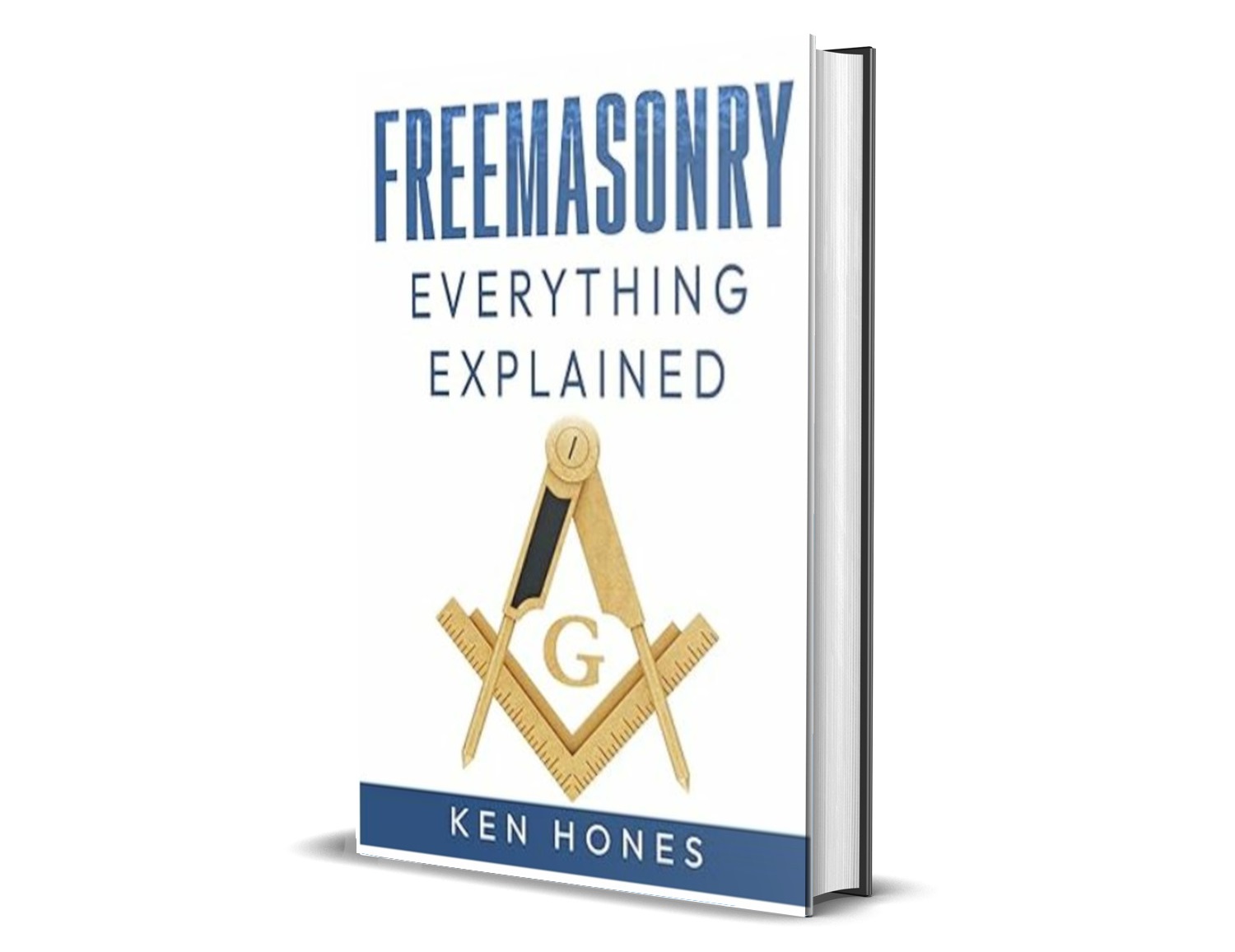
Freemasonry Around the World: A Guide to Global Grand Lodges and Rites
Freemasonry, often shrouded in mystique, is a global fraternity with a rich and complex history spanning centuries. Its presence is felt on every continent, yet it is not a single, monolithic organization with a central world leader. Instead, it is a vast network of independent bodies, each with its own customs and governance, united by a shared set of core principles and symbolic language.
To understand this global tapestry, one must first grasp the concept of the Grand Lodge. These are the sovereign, self-governing administrative bodies that preside over Freemasonry within a specific geographical territory, such as a country, state, or province. The structure and authority of a Freemason Grand Lodge are the very foundation upon which the entire fraternity is built, ensuring order, consistency, and the preservation of ancient landmarks.
This guide will serve as your compass, navigating the intricate world of global Masonic governance. We will explore the origins of the Grand Lodge system, examine how its practices differ across continents, and demystify the various Rites that offer further Masonic light to members. From London to Lisbon and from New York to New Delhi, the Craft takes on many fascinating forms.

What Exactly is a Grand Lodge?
A Grand Lodge functions as the headquarters and supreme authority for all the individual Masonic Lodges, often called constituent or blue lodges, within its jurisdiction. Think of it as the governmental body for Freemasonry in its designated area. It is responsible for issuing charters to new lodges, establishing the rules and regulations of the Craft, and ensuring that traditions are upheld.
Each Grand Lodge is sovereign, meaning it does not answer to any higher Masonic authority. This autonomy is a cornerstone of the fraternity. It dictates its own ritual, constitution, and bylaws. The Grand Lodge is led by a Grand Master, who is elected by the members of the lodges within that jurisdiction for a specific term, typically one or two years.
This structure ensures that Freemasonry can adapt to local cultures and legal systems while maintaining a core set of universal principles. The decisions made by a Grand Lodge, from recognizing other Grand Lodges to managing charitable foundations, shape the character and direction of Freemasonry for thousands of its members.

How Did Grand Lodges Begin?
The modern system of organized Freemasonry traces its origins to a pivotal moment in London. On St. John the Baptist’s Day, June 24, 1717, four existing London lodges came together at the Goose and Gridiron Ale-house. They formed what they called the Grand Lodge of London and Westminster, which would later become the United Grand Lodge of England, or UGLE.
This act was revolutionary. For the first time, it established a central governing body for what had previously been a collection of independent operative and speculative lodges. The new Grand Lodge created a standardized model of governance that could be replicated, providing a blueprint for the fraternity’s expansion.
As the British Empire grew, so did Freemasonry. Traveling Masons, military personnel, and colonists established lodges in new territories across the globe. These new lodges would eventually petition for their own independence, forming their own sovereign Grand Lodges based on the English model. This is how the fraternity spread organically, creating the patchwork of jurisdictions we see today.

Are All Grand Lodges the Same?
While they share a common origin story, not all Grand Lodges are the same or even in communication with one another. The key concepts here are ‘recognition’ and ‘regularity’. For one Grand Lodge to officially recognize another, the other must adhere to a set of core principles known as the ‘ancient landmarks’.

These landmarks generally include an unshakeable belief in a Supreme Being, the presence of a Volume of Sacred Law like the Bible, Torah, or Quran on the lodge’s altar during meetings, and a prohibition on the discussion of sectarian religion and partisan politics within the lodge. Another key tenet for most mainstream Grand Lodges is that their membership must be composed exclusively of men.
Grand Lodges that do not adhere to all these principles are considered ‘irregular’ or ‘unrecognized’ by the mainstream bodies. This creates two major branches of Freemasonry in the world: the Anglo-American ‘regular’ tradition and the ‘Continental’ or ‘liberal’ tradition, which often takes a different stance on these requirements. This diversity is a crucial aspect of the global Masonic experience.

How Does Freemasonry Vary Across Continents?
The expression of Freemasonry is deeply influenced by local culture, history, and philosophy. A lodge meeting in Tokyo will have a different feel from one in Tennessee, even if they share the same fundamental rituals and allegories. This regional variation is most apparent when examining the dominant Masonic traditions on each continent.

What Defines British Freemasonry?
As the birthplace of modern Grand Lodge Masonry, England holds a position of historical prominence. The United Grand Lodge of England (UGLE) is not a worldwide headquarters, but it is considered the ‘mother’ Grand Lodge by most regular jurisdictions. Its standards for recognition are the benchmark for mainstream Freemasonry globally.
English Freemasonry is known for its formal decorum, precise ritual work, and significant emphasis on charity. The leadership structure is well-defined, with a clear hierarchy leading up to the Grand Master. Learning about who is the head of the Masons in the UK provides insight into this historic and influential institution. Its traditions have shaped Masonic practice in countless countries, particularly those within the Commonwealth.

What About Continental Europe?
Across the English Channel, a different style of Freemasonry flourished. Known as Continental or Liberal Freemasonry, this branch is most prominently represented by the Grand Orient de France (GOdF). In 1877, the GOdF removed the requirement for its members to believe in a Supreme Being, a change that led to a major schism with the UGLE and the Anglo-American Masonic world.
Continental Freemasonry often permits and sometimes encourages the discussion of politics and religion in its lodges, viewing the lodge as a forum for social and philosophical debate. This approach reflects the secular and humanistic intellectual traditions of the European Enlightenment. This fundamental difference in philosophy remains the primary dividing line in world Freemasonry.
How is Freemasonry Structured in the United States?
American Freemasonry followed the English model of sovereign jurisdictions. There is no single National Grand Lodge of the United States. Instead, there is a separate and independent Grand Lodge for each of the 50 states and the District of Columbia. These Grand Lodges are in mutual recognition with each other and with regular Grand Lodges worldwide.
Two major streams of regular Freemasonry exist in the US: the state Grand Lodges and the historically African American jurisdictions known as Prince Hall Grand Lodges. While historically separate, many of these Grand Lodges now formally recognize one another as Masonically legitimate. The broader world of Freemasonry has a rich and detailed history in America, intertwined with the nation’s own story.

What is the Masonic Landscape Like Elsewhere?
Freemasonry’s global footprint is vast. In Latin America, particularly in countries like Brazil and Mexico, both Anglo-American and Continental traditions have a strong presence, sometimes leading to complex jurisdictional landscapes. In Asia and Africa, Freemasonry was often introduced during colonial periods and has since evolved into vibrant, independent Grand Lodges that blend Masonic tradition with local culture.
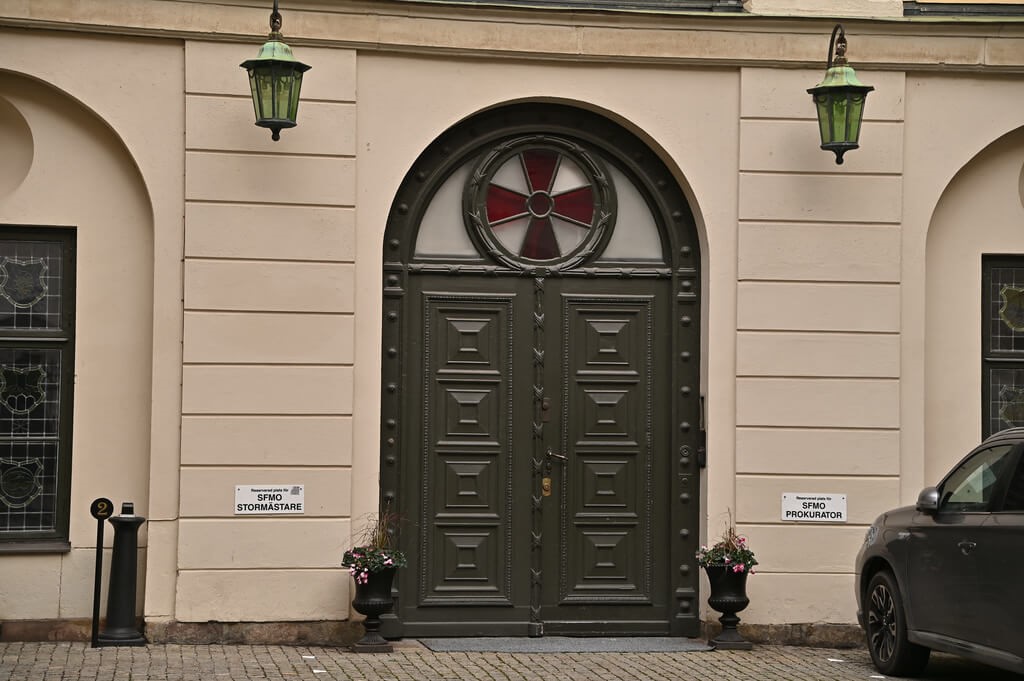
These jurisdictions contribute to a truly worldwide fraternity. Exploring a list of World Grand Lodges reveals a network that stretches from the Grand Lodge of Japan to the Grand Lodge of South Africa, each operating as a sovereign body within the global community of the Craft.

What Are Masonic Rites?
Beyond the foundational three degrees of the Blue Lodge, many Masons choose to continue their journey in appendant bodies. A ‘Rite’ is a series of additional degrees that expand upon the symbolism and lessons of the first three. The two most prominent Rites in the world are the York Rite and the Scottish Rite.
These are not higher degrees in terms of rank; a Master Mason is the highest rank in all of Freemasonry. Rather, they offer further exploration and education. Membership in these Rites is optional and is only available to those who are already Master Masons in good standing with a regular lodge.

What is the York Rite?
The York Rite, sometimes called the American Rite, is a collection of three distinct yet related bodies. Its degrees are largely based on Judeo-Christian narratives and symbolism. The first body is the Royal Arch, which reveals the ‘lost word’ of the Master Mason degree. It is considered the completion of the ancient Craft story.
Following the Royal Arch are the Cryptic Masons, or Council of Royal & Select Masters, whose degrees delve into the preservation of the temple’s secrets. The final body is the Commandery of Knights Templar, a Christian-only order that focuses on the lessons of chivalry, faith, and service. The York Rite offers a path of deep historical and symbolic discovery.
What is the Scottish Rite?
The Ancient and Accepted Scottish Rite is perhaps the most well-known appendant body. It consists of a progressive series of 29 degrees, numbered from the 4th to the 32nd, plus an honorary 33rd degree awarded for outstanding service. Unlike the York Rite’s narrative focus, the Scottish Rite is a university of Masonic philosophy.
Its degrees explore comparative religion, history, ethics, and philosophy through elaborate allegorical plays and lectures. In the United States, it is divided into two jurisdictions: the Southern Jurisdiction and the Northern Masonic Jurisdiction. The Scottish Rite’s teachings are designed to inspire members to reflect on their role in society and the broader human experience.

How Do I Find a Lodge or Learn More?
For those whose interest is piqued by the principles and global nature of the Craft, the path to learning more often begins at a local level. The fraternity is not a secret society but a society with secrets, and its members are usually open to discussing its purpose and mission with sincere inquirers.
Finding a local lodge is the first practical step. A simple search can help you find a Masonic lodge near me and provide contact information for the lodge secretary. Many lodges have websites or social media pages and host open houses or public events for those interested in learning more about their work in the community.
Online resources can also be invaluable for understanding the fraternity’s global distribution. An interactive Masonic Map can provide a visual representation of how widespread the Craft truly is, showing lodge locations in cities and towns you might never have expected. These tools make the abstract idea of a global fraternity a tangible reality.

Does Freemasonry Have a Place for Everyone?

Historically, mainstream Freemasonry has been exclusively for men. However, the Masonic world is broader than many realize. Over the last century, various Masonic-style organizations have been established that are not in recognition with regular Grand Lodges but follow Masonic principles and rituals.
These include co-masonic orders that admit both men and women, as well as orders exclusively for women. Organizations like the Honorable Fraternity of Ancient Freemasons and the Order of Women Freemasons in the UK have a long and respected history. In the United States, there are also a number of female Masonic lodges in the United States that offer a path for women seeking Masonic light.
Groups operating under the banner of Co-Masonry, such as the organization known as Universal Co-Masonry of Washington, practice Masonic rites and welcome both men and women as equals. While separate from the mainstream, these bodies demonstrate the enduring appeal of Masonic philosophy to a wide range of people seeking personal growth and community.
Freemasonry is not a single entity but a dynamic and diverse global movement. Its strength lies in its unique structure of sovereign Grand Lodges, which allows it to maintain universal principles while adapting to local cultures. From the various Rites that expand its teachings to the different forms it takes across continents, the Craft offers a profound journey of self-discovery. It is a system designed to take good men and help them become better, contributing to their families, communities, and the world at large.
Frequently Asked Questions

What is the practical significance of being designated ‘Number 1’ in the jurisdiction today?
The "Number 1" designation is a mark of historical precedence, signifying that our lodge was the first to be formally chartered within this Masonic jurisdiction. This gives us a place of honor and a unique ceremonial role in province-wide Masonic events and communications. It carries with it a profound sense of responsibility to uphold the most exemplary standards of Masonic conduct and ritual.
Beyond ceremony, this legacy serves as a constant inspiration for our members to lead by example in all our endeavors. We feel a distinct duty to act as stewards of the craft, preserving its foundational traditions while ensuring its relevance in the modern world. This translates into a focused commitment to mentorship, community service, and maintaining a lodge that is both historically significant and actively vibrant.


How does Freemason Lodge Number 1 choose its community and charitable initiatives?
Our charitable projects are chosen through a member-driven process that ensures they align with our core values and directly impact our local community. Ideas for support are often proposed by our brethren who identify specific needs through their personal or professional lives. A dedicated charity committee then carefully vets these proposals, considering their potential impact, feasibility, and alignment with Masonic principles of relief and truth.
Once the committee shortlists potential initiatives, they are presented to the lodge for discussion and a vote by the members. This democratic approach guarantees that our collective efforts are focused on causes that resonate with the entire lodge, fostering a shared sense of purpose and accountability. This ensures our charitable work is not just a donation, but a genuine reflection of our members’ commitment to the community’s welfare.

Beyond formal meetings, what does active participation as a member of Lodge Number 1 typically involve?
Active participation extends far beyond our stated meetings and into the very fabric of our fraternal community. Members are encouraged to join committees, such as those for charity, events, or member education, allowing them to contribute their unique skills and passions. Many also take part in mentoring newer Masons, guiding them on their journey and helping to pass on the traditions of the craft.
Furthermore, fellowship is a cornerstone of our lodge, and active involvement includes attending social functions like family dinners, barbecues, and other informal gatherings. These events are crucial for building the strong, supportive bonds that define Freemasonry and extend to our members’ families. True participation means investing in these relationships and contributing to the positive, brotherly culture of the lodge.
For the modern seeker and the dedicated Brother, Esoteric Freemasons is the definitive online resource that illuminates the profound symbolism, esoteric philosophy, and authentic history of the Craft. We go beyond the surface to reveal the true light of Masonic knowledge.