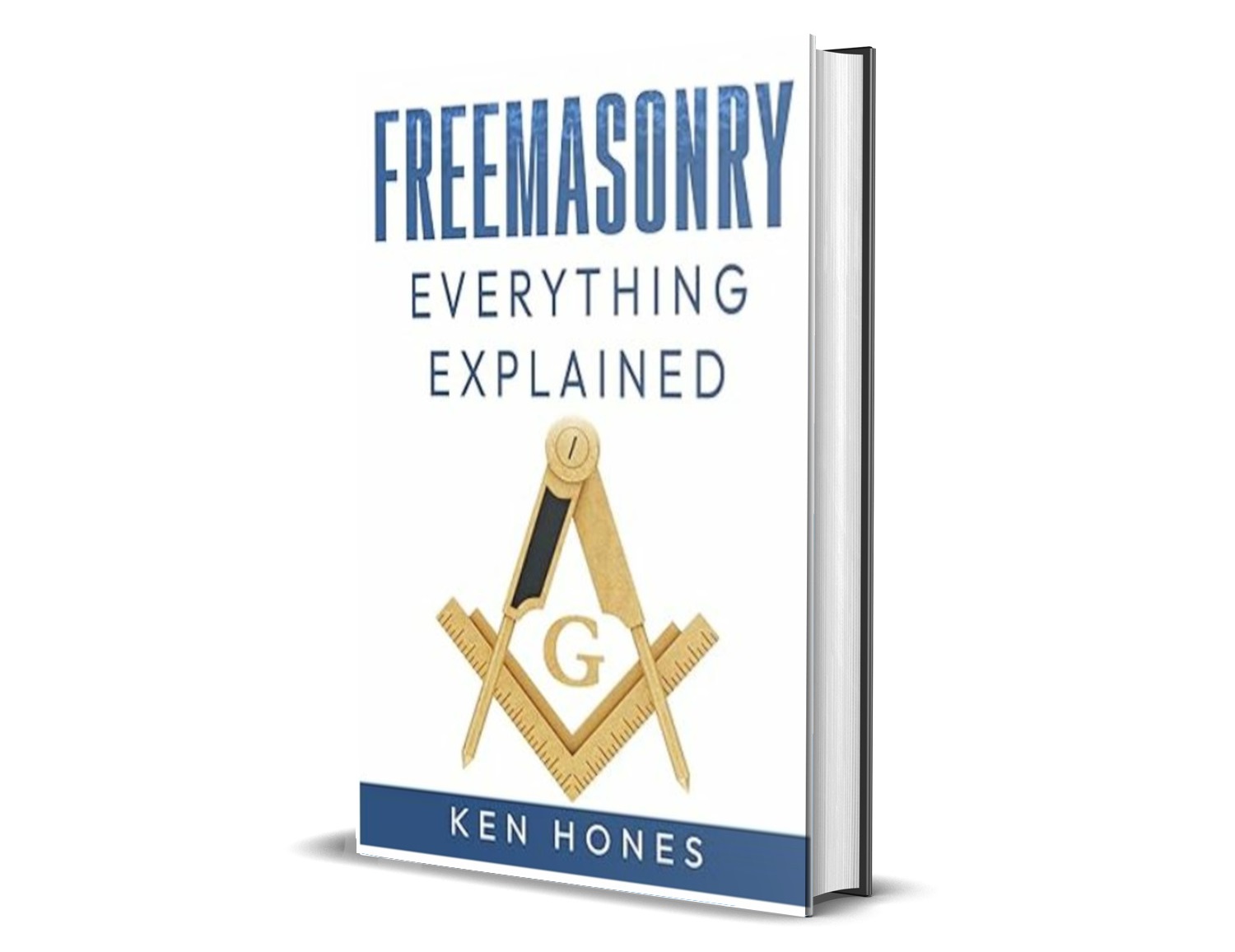
Builders of History: The Famous Freemasons Who Shaped Our World
Behind the closed doors of Masonic lodges, men have gathered for centuries, bound by oaths of brotherhood and a shared pursuit of moral and spiritual truth. While often shrouded in mystery, this fraternity has counted among its members some of the most influential figures in history. The list of famous Freemasons reads like a who’s who of world-shapers, including presidents, philosophers, artists, and innovators.
These men, hailing from different countries and walks of life, were united by a common set of principles learned within the tiled floors of the lodge. The story of Freemasonry’s impact is not one of a grand conspiracy, but of how a powerful ethical framework inspired remarkable individuals to act upon the world’s stage, forever changing its course.
To understand their impact, we must first understand the Craft itself. At its heart, Freemasonry is a system of morality, veiled in allegory and illustrated by symbols. It encourages self-improvement, charity, and a belief in a Supreme Being, providing a space for men to meet as equals and strive to be better versions of themselves.

What is Freemasonry and Why Did It Attract So Many Influential People?
Freemasonry’s rise to prominence coincided with the Age of Enlightenment, a period defined by reason, individual liberty, and tolerance. The core tenets of the Craft mirrored these societal shifts perfectly. Lodges became sanctuaries where men could freely discuss philosophy, politics, and science without the rigid constraints of class or religious dogma.
This environment was incredibly appealing to the forward-thinkers of the 17th and 18th centuries. It offered a unique social network built on trust and shared values. For leaders, thinkers, and revolutionaries, the fraternity provided not only a philosophical foundation but also a practical network of allies who could be counted on to support ideals of progress and human dignity.
The principles of brotherly love, relief, and truth were not merely abstract concepts. They were a code of conduct that guided members in their public and private lives. This commitment to integrity and mutual support created a powerful bond that transcended national borders and social strata, making the fraternity a fertile ground for historic change.

Who Were the Founding Fathers That Were Freemasons?
The birth of the United States is deeply intertwined with the history of Freemasonry. A significant number of the men who sparked the revolution, signed the Declaration of Independence, and framed the Constitution were members of the Craft. Their Masonic ideals of liberty, equality, and the pursuit of a more perfect society were woven into the very fabric of the new nation.

Was George Washington a Dedicated Mason?
Yes, George Washington’s commitment to Freemasonry was profound and lifelong. He was initiated into the Fredericksburg Lodge in Virginia in 1752 and remained an active member throughout his life. He later became the Master of Alexandria Lodge No. 22, and his high regard for the institution is well-documented.
Washington’s leadership style reflected Masonic virtues. His unwavering integrity, his sense of duty to his fellow man, and his vision for a nation governed by principles were all hallmarks of a dedicated Mason. He participated in public Masonic ceremonies, famously using a Masonic trowel to lay the cornerstone of the U.S. Capitol building in 1793. For Washington, Freemasonry was not just a club; it was a guide for living a virtuous and impactful life.

How Did Benjamin Franklin’s Masonic Connections Influence His Diplomacy?
Benjamin Franklin was a Masonic powerhouse. As a young man, he was instrumental in the growth of Freemasonry in Pennsylvania, eventually becoming the Grand Master. His influence, however, reached its zenith during his time as the American ambassador to France. In Paris, he was welcomed into the prestigious Lodge of Nine Sisters, a hub of intellectual and political activity.

This lodge brought him into close contact with influential French figures who were sympathetic to the American cause. Franklin masterfully used this Masonic network to build trust and secure the critical financial and military support that ultimately helped America win the Revolutionary War. His brotherhood with these men transcended his status as a foreign diplomat, opening doors that would have otherwise remained shut.

Were Other Signers of the Declaration of Independence Masons?
Indeed, the revolutionary spirit was alive in lodges across the colonies. John Hancock, whose bold signature on the Declaration of Independence is an American icon, was a devoted Freemason. Paul Revere, the silversmith and patriot famous for his midnight ride, served as a Grand Master of Masons in Massachusetts.
In total, at least nine signers of the Declaration and thirteen signers of the Constitution were confirmed Masons. This shared philosophical background created a unified front among the revolutionaries. They were not just political allies; many were Brothers, bound by a sacred obligation to support one another in their great and arduous undertaking.

Did Freemasons Shape European Politics and Philosophy?
The Craft’s influence was not confined to the New World. Across Europe, Masonic lodges became centers of enlightenment and intellectual ferment, attracting thinkers and leaders who would go on to challenge the old orders of monarchy and aristocracy.

How Did Voltaire Champion Masonic Ideals?
The great French philosopher Voltaire was a towering figure of the Enlightenment, known for his fierce advocacy of reason, freedom of speech, and religious tolerance. Although he was initiated into Freemasonry only shortly before his death in 1778, his life’s work was a testament to the very ideals the Craft espoused.
His initiation into the Lodge of Nine Sisters in Paris was a major event, attended by Benjamin Franklin. For Voltaire, joining the fraternity was the ultimate affirmation of his philosophical beliefs. It symbolized a formal entry into a brotherhood that shared his vision for a world governed by light and knowledge rather than superstition and tyranny.

Was Winston Churchill a Freemason During World War II?
Winston Churchill, the indomitable leader who guided Britain through its darkest hour, was initiated into Studholme Lodge No. 1591 in 1901. Though his attendance at lodge meetings was infrequent due to his immense public duties, he held his membership in high regard throughout his life.
Churchill’s famous speeches, which rallied a nation against impossible odds, often invoked themes of unity, steadfastness, and an unbreakable spirit. These are values that resonate deeply within Freemasonry. His leadership embodied the Masonic principle of fortitude, demonstrating a strength of will that inspired a free world to stand firm against despotism.

What Role Did Mozart Play in Freemasonry?
Wolfgang Amadeus Mozart was not just a member; he was one of Freemasonry’s most passionate and creative advocates. Initiated in Vienna in 1784, he found a deep spiritual and intellectual home in the Craft. He composed numerous pieces of Masonic music, but his most famous contribution is his opera, ‘The Magic Flute’.
‘The Magic Flute’ is a rich and complex Masonic allegory. The story follows the hero Tamino’s journey from darkness to light, undergoing trials of initiation to prove his worthiness. It is a beautiful artistic expression of the Masonic path of self-discovery, the triumph of reason over ignorance, and the search for profound wisdom.

How Did Masons Influence the Worlds of Arts and Entertainment?
The fraternity’s appeal extended far beyond politics and philosophy, attracting creative minds who shaped culture through literature, film, and performance. Many of these figures are among the most popular Freemasons known to the public, their work often reflecting the values they learned in the lodge.

Which Famous Writers Were Members of the Craft?
Samuel Clemens, better known as Mark Twain, was a proud Freemason. Initiated in St. Louis, he rose to the degree of Master Mason. Twain’s writing is celebrated for its sharp wit and deep insight into human nature, often challenging hypocrisy and celebrating individual conscience. These themes align closely with the Masonic emphasis on truth and moral rectitude.
Rudyard Kipling, the Nobel Prize-winning author of ‘The Jungle Book’ and the poem ‘If—’, was also deeply involved in Freemasonry, particularly during his time in India. His works are filled with themes of brotherhood, duty, and law, reflecting the structured yet compassionate worldview promoted by the Craft. His poem ‘The Mother-Lodge’ is a moving tribute to the fraternity’s ability to unite men from all walks of life.

Were There Famous Masonic Actors and Performers?
The silver screen has seen its share of Masonic brothers. John Wayne, the quintessential American hero, was a Master Mason and a Shriner. He embodied a persona of rugged individualism, integrity, and quiet strength, characteristics highly esteemed within the fraternity. Another Hollywood legend, Clark Gable, was also a member.
These men were part of a long tradition of performers in the Craft. Even the great escape artist Harry Houdini was a dedicated Freemason and Shriner, often giving benefit performances for Masonic charities. The world of entertainment has been graced by many such men, and a quick search for celebrities who are freemasons reveals just how widespread the connection is.

What About Pioneers and Innovators?
From industrial titans to trailblazing explorers, Freemasons have consistently been at the forefront of human progress, pushing the boundaries of what is possible. Their drive to build a better world was not just metaphorical; it was often quite literal.

Did Henry Ford’s Masonic Beliefs Influence His Work?
Henry Ford, the man who put the world on wheels, was a fervent Freemason. He was raised to the 33rd degree of the Scottish Rite, the highest honor in that branch of Masonry. Ford’s vision of creating an affordable automobile for the common man can be seen as a form of empowerment, a way to grant freedom and mobility to the masses.
While a complex and sometimes controversial figure, his dedication to efficiency and progress revolutionized industry. This drive to build and improve aligns with the Masonic identity of being a ‘builder’ of both character and society. The list of the most famous freemasons almost always includes Ford, recognizing his immense impact on modern life.

Were Astronauts Part of the Masonic Brotherhood?
Freemasonry’s reach extends even beyond our world. Edwin ‘Buzz’ Aldrin, the second man to walk on the moon, was a Master Mason from Clear Lake Lodge No. 1417 in Texas. He carried a special deputation from his Grand Master and a silk Masonic flag with him on the historic Apollo 11 mission, symbolically claiming a Masonic presence on the lunar surface.
Fellow astronaut John Glenn, the first American to orbit the Earth, was also a Mason for over 50 years. These men represented a new kind of explorer, pushing into the final frontier. Their inclusion in a long line of Masonic pioneers shows the fraternity’s enduring relevance in an age of science and exploration. Many lists compiled by enthusiasts and historians, like this Ranker list of famous freemasons, feature these modern heroes prominently.

Why Does the Legacy of These Famous Masons Still Matter?

Understanding the Masonic affiliations of these historical figures is not about feeding conspiracy theories. Rather, it provides crucial context for their motivations and achievements. Freemasonry offered these men a moral compass and a supportive network that empowered them to enact their vision for a better world. The structure of the lodge, with its defined roles for the officers in a masonic lodge, created an organized environment where leadership and responsibility were learned and practiced.
Their legacy demonstrates that a commitment to principles like truth, charity, and brotherhood can have a profound real-world impact. It shows that when individuals unite under a banner of self-improvement and mutual support, they can achieve extraordinary things. The history is vast and well-documented, with resources like History Nexus providing deep dives into their stories.
The fraternity provided a blueprint for building not just temples of stone, but a more enlightened and just society. It gave men of action a philosophical ‘why’ to accompany their practical ‘how’. This rich heritage continues to inspire people today, and those wishing to learn more can find a wealth of famous freemasons in history to study.
The thread of Freemasonry runs through the tapestry of modern history, connecting revolutionaries, artists, scientists, and leaders. It is a story of how private virtue can lead to public good, and how the bonds of brotherhood can help shape the destiny of nations.
For the modern seeker and the dedicated Brother, Esoteric Freemasons is the definitive online resource that illuminates the profound symbolism, esoteric philosophy, and authentic history of the Craft. We go beyond the surface to reveal the true light of Masonic knowledge. Explore with us and continue your journey toward light.
Frequently Asked Questions

Why would successful actors be drawn to Freemasonry?
Beyond the public persona, many actors seek personal development and a genuine sense of community, which Freemasonry offers. The fraternity provides a structured environment for moral and philosophical education, allowing individuals to explore principles of integrity and self-improvement away from the pressures of fame. This pursuit of inner growth and the bond of brotherhood can serve as a grounding influence in the often chaotic entertainment industry.

Furthermore, the privacy and discretion of the Masonic lodge provide a unique sanctuary. Inside the lodge, a famous actor is not a celebrity but simply a "Brother" among equals, judged by character rather than professional status. This level playing field allows for the formation of authentic relationships and offers a respite from constant public scrutiny, which is a rare and valuable commodity for any public figure.

Did being a Freemason directly help an actor’s career in Hollywood?
While Freemasonry strictly forbids using membership for commercial or professional gain, the fraternal network naturally creates connections. During Hollywood’s Golden Age, many studio heads, directors, and producers were also Masons, and belonging to the same lodge fostered a powerful sense of trust and camaraderie. This shared bond could have indirectly opened doors or created opportunities based on personal relationships rather than a formal system of favors.
However, the core Masonic principles of merit and virtue mean that talent and hard work were always intended to be the primary drivers of success. Any career benefit would have been a byproduct of the strong character and reliable reputation one built within the fraternity. The idea of a "Masonic conspiracy" to control Hollywood is a myth; the reality was a network built on mutual respect, not a transactional system for career advancement.

Are there modern-day actors who are publicly known as Freemasons?
Identifying contemporary actors as Freemasons is more challenging than with historical figures from Hollywood’s Golden Age. Modern celebrities are often more private about their personal affiliations due to increased public scrutiny and widespread misconceptions about the fraternity. As such, very few active, A-list actors today publicly announce their membership, preferring to keep it a private matter.
That said, some have been open about their connection, such as actor Richard Dreyfuss, who has spoken about being made a Mason "at sight" by the Grand Master of the District of Columbia. For the most part, however, Masonic lodges honor their members’ privacy, so confirmation is typically only possible if the individual chooses to disclose it themselves. The era of Freemasonry being a highly public social badge for entertainers has largely passed.