A Complete History of Freemasonry: From Ancient Guilds to Modern Lodges
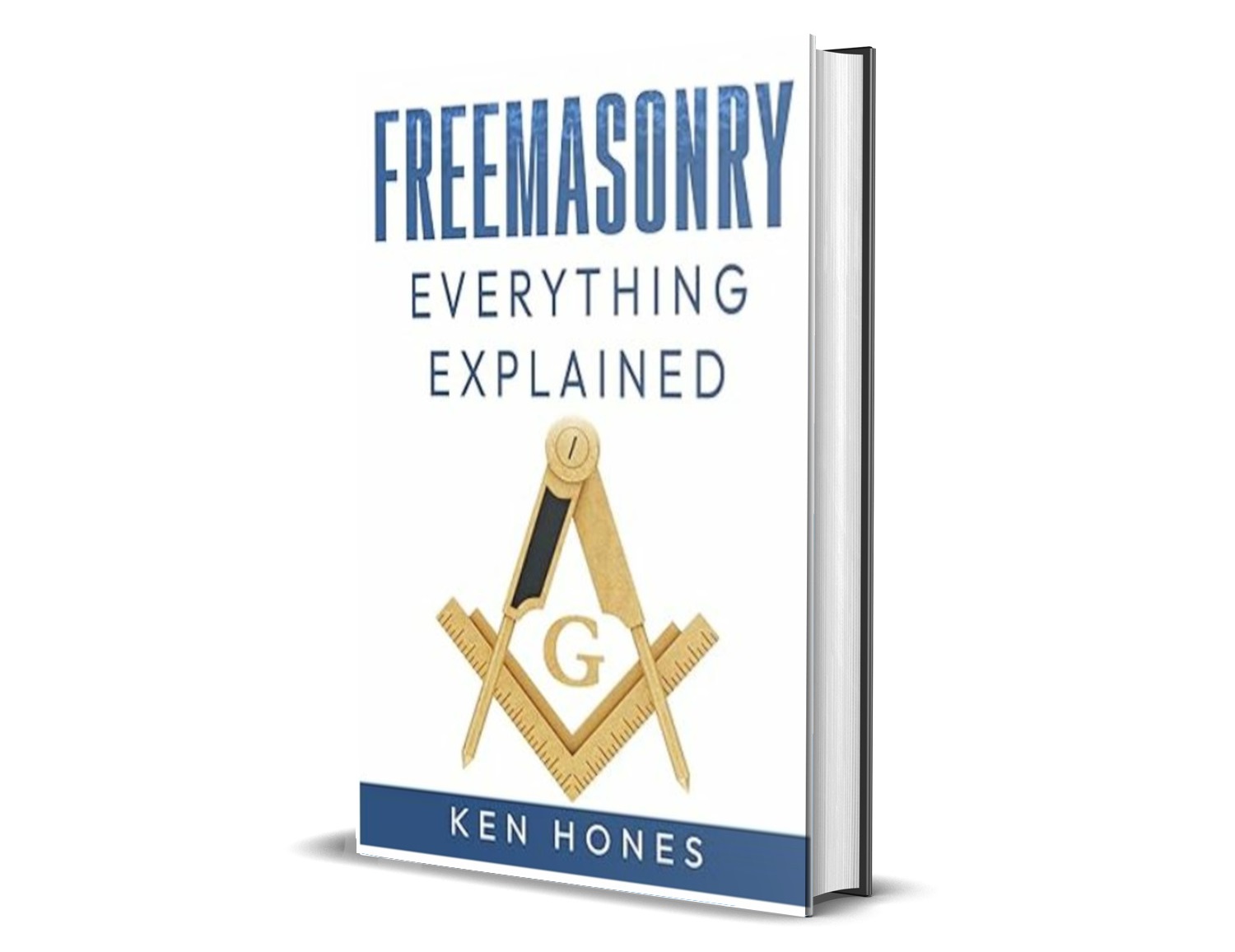
Freemasonry, a fraternity shrouded in symbolism and mystique, has captivated the imagination of the world for centuries. Its iconic square and compasses symbol is recognized globally, yet its true nature often remains misunderstood, veiled by tales of secret handshakes and clandestine meetings. But beyond the speculation lies a profound tradition dedicated to the principles of brotherly love, relief, and truth. This journey into its past is not just an academic exercise; it is an exploration of an institution that has mirrored and influenced Western civilization.
To truly understand the Craft, one must delve into its origins, tracing its path from the dusty quarries of medieval Europe to the polished floors of contemporary lodges. The story is a fascinating tapestry woven with threads of operative craftsmanship, esoteric philosophy, and the progressive ideals of the Enlightenment. Unraveling the rich history of the Craft reveals how a practical guild of builders transformed into a speculative society of men dedicated to building better versions of themselves.
The evolution of Freemasonry is a testament to its enduring relevance. It adapted through ages of immense social, political, and technological change, all while holding fast to its foundational tenets. This exploration will guide you through its mythical beginnings, its documented formation, its global expansion, and its place in the modern world, offering a clear and comprehensive view of this remarkable fraternity.

What Are the Mythical Origins of Freemasonry?
Before we step into recorded history, we must first visit the allegorical foundations of the Craft. Freemasonry’s moral and philosophical lessons are wrapped in stories that, while not historically verifiable, are rich with symbolic meaning. The most central of these legends is the building of King Solomon’s Temple in Jerusalem, as described in the Old Testament.
The story revolves around the master architect and builder, Hiram Abiff, who was commissioned by King Solomon to oversee the temple’s construction. Hiram was said to possess divine knowledge of geometry and building, which he used to guide the thousands of craftsmen. This narrative, particularly the events surrounding Hiram’s fate, forms the central allegory of the Master Mason degree, teaching powerful lessons about fidelity, integrity, and the triumph of the human spirit over adversity.
Other legends connect Freemasonry to even more ancient sources. Some trace its lineage back to the mystery schools of ancient Egypt, Greece, and Rome, where philosophers like Pythagoras taught geometry and morality as interconnected disciplines. Others suggest a link to the Knights Templar, the medieval military order of warrior monks. The theory posits that after their persecution in the 14th century, the surviving Templars went underground, preserving their knowledge within the secretive guilds of stonemasons. While these connections are symbolic rather than factual, they enrich the fraternity’s cultural and philosophical landscape.

Where Did Operative Masonry Truly Begin?
Moving from the realm of allegory to the pages of history, the verifiable roots of Freemasonry are found in the operative stonemason guilds of the Middle Ages. From the 10th century onwards, Europe experienced a boom in the construction of magnificent Gothic cathedrals, castles, and public buildings. This monumental work required a highly skilled and organized workforce of masons.
These were the ‘operative’ Masons, men who physically worked with stone. They formed guilds to protect the secrets of their craft, regulate their trade, and provide mutual aid. A young man would enter a guild as an apprentice, learning the trade over many years. Once his skills were proven, he would become a ‘Fellow of the Craft’, free to travel and work on projects across the country. The most skilled would eventually become Master Masons, responsible for designing structures and managing the worksite.
To maintain their standards and recognize one another, these traveling masons developed private modes of recognition, including specific words and grips. They held their meetings in temporary lodges, simple structures built adjacent to the construction site. It was here that they would not only discuss work but also transmit the moral and geometric principles of their art.
The earliest documented evidence of these organizations comes from what are known as the ‘Old Charges’ or ‘Gothic Constitutions’. Manuscripts like the Regius Poem, dated to around 1390, and the Cooke Manuscript, from about 1410, lay out a legendary history of the craft and a code of conduct for its members. These documents are the direct ancestors of the constitutions that govern modern Freemasonry, providing a tangible link to its operative past.

How Did Freemasonry Evolve from Operative to Speculative?

The transition from operative to ‘speculative’ Freemasonry was a gradual process that unfolded over the 16th and 17th centuries. As the era of grand cathedral building waned, the operative guilds began to decline. To bolster their membership and finances, many lodges started admitting men who were not stonemasons by trade. These individuals were known as ‘accepted’ or ‘gentlemen’ Masons.
These new members were not interested in learning how to hew stone; they were drawn to the moral philosophy, symbolism, and fellowship of the lodges. They saw the tools of the stonemason, like the square, level, and plumb rule, not as instruments for building physical structures, but as powerful symbols for building a more virtuous and upright life. The square came to represent morality, the level equality, and the plumb rule integrity. The central question many ask is when did Freemasonry start in this new, philosophical form.
One of the most famous records of this transition comes from the diary of the antiquarian Elias Ashmole, who noted his initiation into a lodge in Warrington, England, in 1646. Ashmole was a respected scholar, not a stonemason, and his initiation signifies that lodges were increasingly becoming societies for philosophical inquiry and self-improvement. By the end of the 17th century, many lodges in England and Scotland consisted predominantly, if not entirely, of speculative members.
This period marked a fundamental shift in the fraternity’s purpose. The focus moved from the external work of constructing buildings to the internal work of character development. The ‘secrets’ were no longer about the practical techniques of architecture but about the timeless principles of morality and ethics, communicated through allegory and ritual. Pinpointing the exact moment when Freemasonry started as a purely speculative society is a subject of much study, but this era of transformation was undeniably its crucible.

What Was the Significance of the Grand Lodge Era?
The birth of modern, organized Freemasonry can be traced to a specific date and place: June 24, 1717, at the Goose and Gridiron Alehouse in London. On that day, four existing London lodges came together to form the world’s first Grand Lodge. This event was a watershed moment that transformed Freemasonry from a loose collection of independent lodges into a structured and governed institution.
The establishment of the Grand Lodge of England provided a central authority that could standardize rituals, issue charters to new lodges, and promote the fraternity’s growth. It marked the definitive victory of speculative Masonry over its operative origins. The first Grand Master, Anthony Sayer, was elected, and a new era of administrative oversight and expansion began.
In 1723, under the direction of Grand Master John Theophilus Desaguliers, a scientist and colleague of Isaac Newton, the Reverend James Anderson was commissioned to write a new set of constitutions. Anderson’s ‘The Constitutions of the Free-Masons’ codified the fraternity’s history, laws, and principles. It established a framework for Masonic governance and behavior that remains influential to this day. It famously charged Masons to be peaceful subjects and to adhere to the religion in which all men agree, leaving their particular opinions to themselves, a radical concept of religious tolerance for the time.
This new, organized model proved incredibly successful. Freemasonry spread rapidly throughout Great Britain, Europe, and the American colonies. The official history from the Masonic Grand Lodge of England documents this period of explosive growth, which saw the Craft become a prominent feature of the Enlightenment. This expansion is also reflected in the development of local lodge histories across the country and, eventually, the world.

How Did Masonic Ritual and Philosophy Develop?
With the establishment of the Grand Lodge, Masonic ritual became more formalized. The system of three degrees, or stages of initiation, became the standard for all lodges. These degrees, Entered Apprentice, Fellow Craft, and Master Mason, represent a symbolic progression of a man’s journey from ignorance to enlightenment. Each degree uses allegory and symbolism to impart specific moral and philosophical lessons.
The Entered Apprentice degree focuses on the basics of morality and the need for a solid foundation in life. The Fellow Craft degree encourages the pursuit of knowledge, particularly through the study of the seven liberal arts and sciences. The Master Mason degree is the culmination of the journey, confronting the candidate with the concept of mortality and teaching profound lessons about fidelity and the immortality of the soul through the allegory of Hiram Abiff.

The Freemason initiation ceremony in the UK is a direct descendant of these evolving rituals, a carefully choreographed drama designed to make a lasting impression on the candidate. The symbolism is layered and deep, with every object in the lodge room and every tool presented to the candidate carrying a specific meaning related to self-improvement.
This period also saw a flourishing of Masonic intellectualism. Writers and scholars began to explore the deeper esoteric and philosophical dimensions of the Craft. They wrote extensively on its symbolism, history, and connection to ancient wisdom traditions. This vast body of work, captured in publications and classic Masonic library collections, helped shape Freemasonry into a true system of moral science, veiled in allegory and illustrated by symbols.

What Challenges Has Freemasonry Faced?
Despite its noble aims, Freemasonry’s history has not been without significant challenges and opposition. Its private nature and symbolic secrets have often been misinterpreted, leading to suspicion and hostility. Throughout its existence, the fraternity has been the target of condemnation from both political and religious authorities.
In the 19th century, the United States saw the rise of a powerful Anti-Masonic Party, fueled by the mysterious disappearance of William Morgan, an author who threatened to expose the fraternity’s secrets. This event sparked widespread public distrust and political backlash that nearly crippled American Freemasonry for a generation. Similarly, the Catholic Church has issued numerous papal bulls condemning the fraternity, viewing its principles of religious tolerance and its non-dogmatic nature as a form of indifferentism.
Perhaps the most brutal opposition came from the totalitarian regimes of the 20th century. Both Nazi Germany and Fascist Italy suppressed Freemasonry, seeing its internationalist character and its emphasis on individual liberty and rational thought as a direct threat to their ideologies. Masons were arrested, their lodges were destroyed, and many were sent to concentration camps. Communist regimes in the Soviet Union and elsewhere also outlawed the fraternity for similar reasons.
Even in modern democracies, Freemasonry has had to contend with public perception issues, often being portrayed in popular culture as a shadowy cabal controlling world events. This has led to ongoing debates and even recent news coverage about its role in modern society, prompting many Masonic organizations to adopt a policy of greater openness and public engagement to demystify their purpose and activities.

What is Freemasonry’s Role in the Modern World?
Today, Freemasonry continues to be a vibrant and active global fraternity, with millions of members worldwide. It has evolved significantly, especially in its approach to public perception. Many Grand Lodges have moved from being ‘secret societies’ to being ‘societies with secrets’, making a clear distinction between the privacy of their ceremonies and a commitment to public transparency about their values and charitable work.
In the 21st century, the core mission of Freemasonry remains unchanged: to take good men and make them better. It provides a unique space in a hyper-connected, yet often isolating, world for men to forge deep friendships, engage in meaningful self-reflection, and support one another in their personal and professional lives. The emphasis on charity remains a cornerstone, with Masonic organizations donating vast sums to a wide range of philanthropic causes every year.
The fraternity’s timeless lessons about integrity, equality, and service are arguably more relevant than ever. In an age of division and rapid change, the principles of brotherly love, relief, and truth offer an enduring moral compass. Freemasonry continues to attract men from all walks of life who are seeking personal growth, genuine community, and a structured path to becoming more thoughtful, engaged, and honorable members of society.
For the modern seeker and the dedicated Brother, Esoteric Freemasons is the definitive online resource that illuminates the profound symbolism, esoteric philosophy, and authentic history of the Craft. We go beyond the surface to reveal the true light of Masonic knowledge.
Frequently Asked Questions

How did guilds of working stonemasons evolve into the philosophical society of Freemasonry we know today?

The transition from operative to speculative Masonry was a gradual evolution that took place primarily in the 16th and 17th centuries. As the great cathedral-building era waned, lodges of working stonemasons began accepting non-masons, or "accepted" members, into their ranks. These new members were often educated gentlemen and freethinkers, drawn to the lodges’ moral teachings, secret knowledge, and structured fellowship.
This influx of non-operative members fundamentally shifted the focus of the lodges from the practical craft of building to the philosophical exploration of morality and self-improvement. The tools and rules of stonemasonry were reinterpreted as symbolic guides for living an upright life, with the square representing morality and the compasses representing self-restraint. This change cemented the fraternity’s transformation from a trade guild into a system of morality veiled in allegory.

Is there any real evidence linking Freemasonry to the Knights Templar or ancient builders?
While these stories are popular, there is no verifiable historical evidence to support a direct organizational lineage from the Knights Templar or the builders of King Solomon’s Temple. Historians view the fraternity’s origins in the stonemason guilds of the late Middle Ages as the most credible starting point. The dramatic tales of ancient connections are largely considered foundational myths or allegories.
These legends serve a symbolic, not a historical, purpose within Freemasonry, providing a rich allegorical framework for its moral and ethical lessons. For example, some higher Masonic degrees adopted themes from the Knights Templar in the 18th century, but this was a creative addition long after the original Templar order was dissolved. These stories are meant to inspire members rather than document a factual history.

Why was the year 1717 so important for the development of Freemasonry?
The year 1717 marks a pivotal turning point because it was when four lodges in London met to establish the first Grand Lodge of England. This act is widely considered the birth of modern, organized Freemasonry as we know it today. Before this, lodges operated as independent, localized groups with no central authority or standardized practices.
The formation of the Grand Lodge created a governing body that could issue charters for new lodges and begin to regularize rituals and procedures. This provided the essential structure and administrative framework that allowed Freemasonry to grow from a collection of disparate clubs into a cohesive, international fraternity. This unification ensured its long-term survival and facilitated its rapid expansion throughout Europe and the American colonies.