The Philosophy of Freemasonry: Esoteric Traditions and the Pursuit of Light
To the uninitiated, Freemasonry is often shrouded in mystery, perceived as a secret society with arcane handshakes and clandestine meetings. While it is an ancient and private fraternity, its true secret is not a password or a grip, but a profound system of moral and spiritual development. At its heart lies a rich and complex philosophical tradition dedicated to the pursuit of self-knowledge, virtue, and what Masons call ‘Light’.
This journey of discovery is not about uncovering a hidden treasure map or a global conspiracy. Instead, it is an internal pilgrimage, a structured path for making good men better. The genuine Masonic philosophy is a beautiful tapestry woven from threads of classical philosophy, ancient mystery schools, and esoteric wisdom. It uses the language of symbolism and allegory to teach timeless truths about ethics, mortality, and one’s place in the universe.
Understanding this philosophy requires looking beyond the surface-level activities of charity and fellowship, as noble as they are. It demands a willingness to engage with allegory, to contemplate symbols, and to embark on a personal quest for enlightenment. It is a system designed to provoke thought, not to provide dogma, encouraging each member to find their own answers to life’s most profound questions.

What Lies Beyond the Lodge Doors?
Many people’s perception of Freemasonry is shaped by popular culture, which often paints an incomplete or sensationalized picture. The reality is both simpler and more profound. A Masonic lodge is a space where men from all walks of life meet as equals, putting aside the social, religious, and political distinctions that divide them in the outside world.
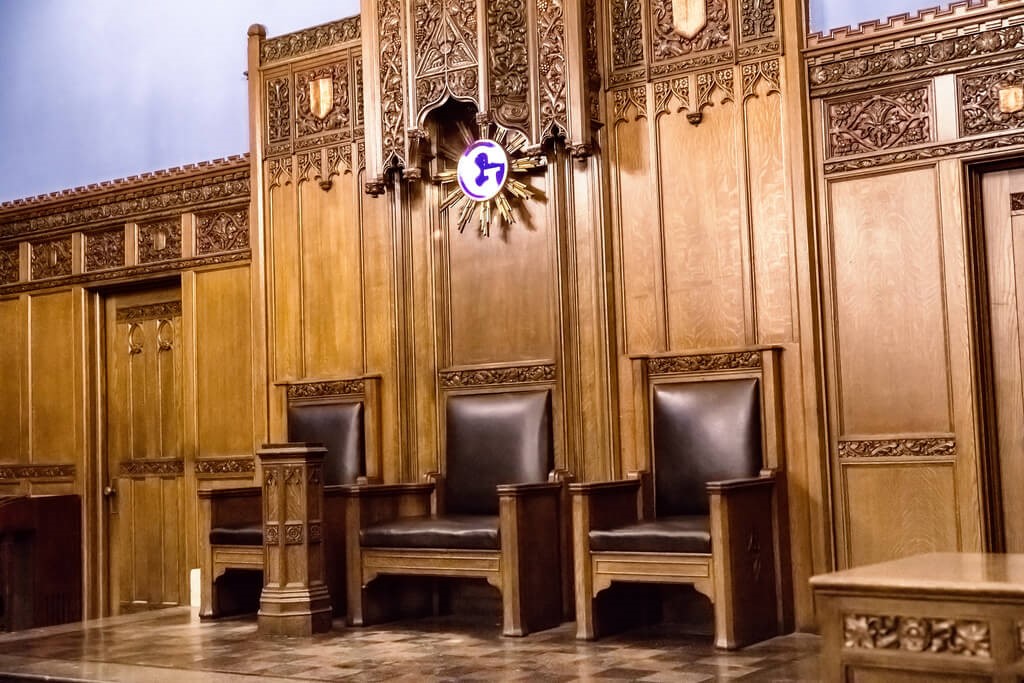
Beyond the handshakes and rituals is a structured educational environment. The lodge room itself is a symbolic representation of the universe, and every tool, furnishing, and action within it carries a deep moral and philosophical lesson. It is a laboratory for the soul, where a man can learn to build his own character with the same precision a stonemason builds a cathedral.
This work is fundamentally esoteric, meaning it is concerned with the inner, spiritual development of the individual. While the exoteric, or outer, aspects of Freemasonry include its charitable work and social functions, the esoteric core is the true engine of the Craft. It is this pursuit of inner light that has drawn seekers and thinkers to its doors for centuries.

Is Freemasonry a Religion or a Philosophy?
This is one of the most common and important questions asked about the Craft. The answer is clear: Freemasonry is not a religion. It does not offer a specific theology, a plan for salvation, or its own deity. In fact, a prerequisite for membership is a belief in a Supreme Being, however an individual conceives of that power. This requirement ensures that all members share a common ground of reverence and moral accountability.
Freemasonry is more accurately described as a philosophical system that supports and complements a member’s own religious faith. It is a ‘system of morality, veiled in allegory and illustrated by symbols’. It provides a framework for ethical living and self-improvement, using the language and tools of the medieval stonemason as its primary allegory.
The Craft does not tell a man what to believe. Instead, it provides him with tools for contemplation and self-examination. The goal is to chip away the vices and superfluities of one’s own character, much like a stonemason carves a rough stone, or ashlar, into a perfect cube fit for the temple. This process is a philosophical one, focused on action, virtue, and understanding in this life.
This focus on a system of living is key to understanding what is the philosophy of the Masons. It is not abstract speculation but a practical application of ethics and morality to daily life. It is a quest to build a ‘spiritual temple’ in one’s own heart, a structure built on a foundation of integrity, compassion, and truth.

How Do Symbols and Allegory Teach Masonic Truths?
Humanity has always used symbols to convey complex ideas that words alone cannot capture. Freemasonry has perfected this method, creating a rich symbolic language that operates on multiple levels of meaning. These symbols are not arbitrary; they are drawn from architecture, geometry, and nature, each one a key to unlocking a deeper aspect of the Masonic philosophy.
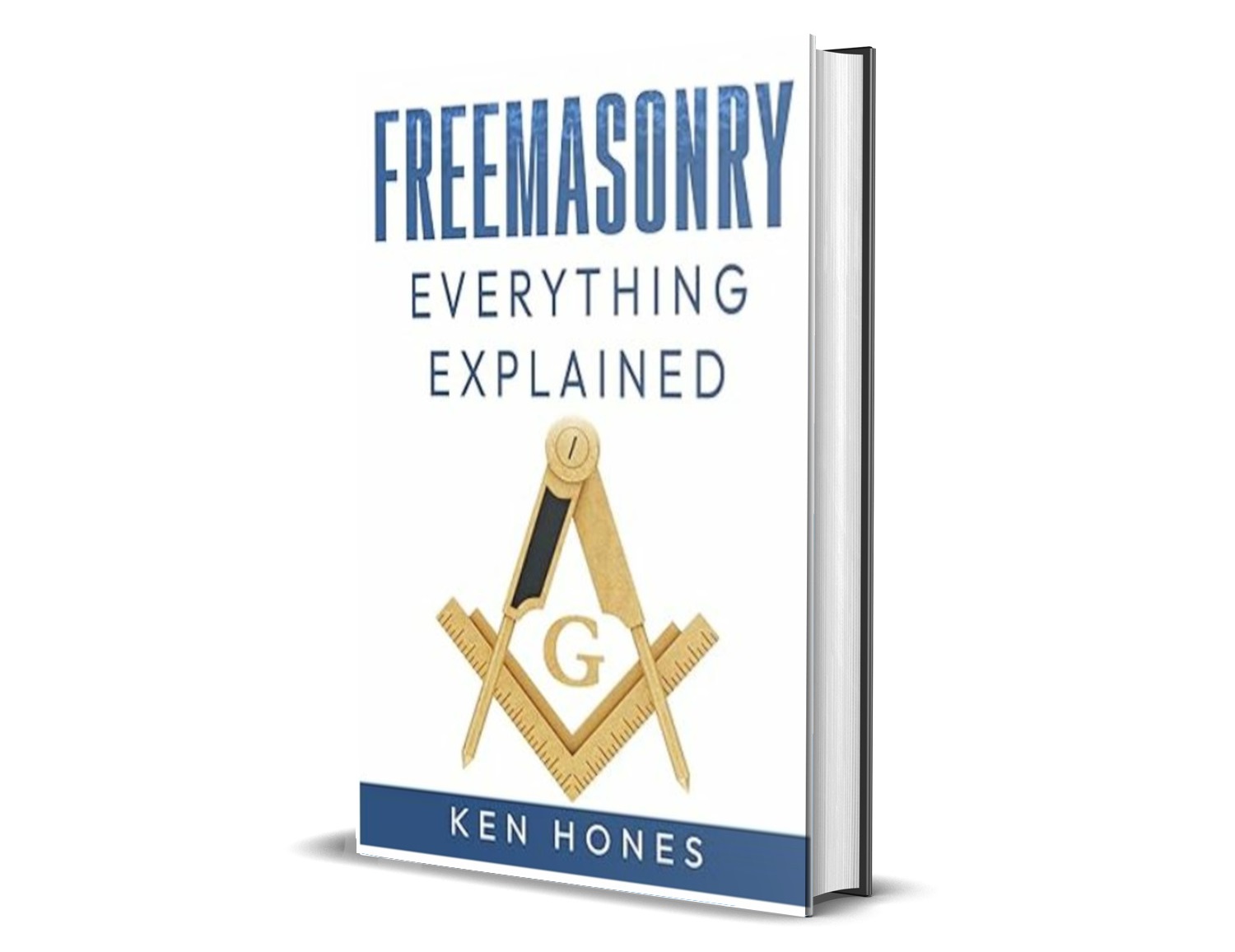
Perhaps the most famous symbol is the Square and Compasses. To the public, it is simply the emblem of the fraternity. To a Mason, it is a constant reminder of how to live. The square represents morality and the need to ‘square’ one’s actions with all mankind. The compasses represent the need to ‘circumscribe’ one’s desires and passions, keeping them within due bounds. Together, they symbolize the balance between our earthly duties and our spiritual aspirations.
Another powerful allegory is that of the Rough and Perfect Ashlars. The Rough Ashlar is a stone as taken from the quarry, uneven and unpolished. It represents man in his natural state, ignorant and uncultivated. The Perfect Ashlar is a stone that has been shaped and smoothed by the master craftsman, ready to be a part of the temple. It represents man as he can become through education, discipline, and the pursuit of virtue.
These symbols are not just intellectual curiosities; they are working tools. They are meant to be applied. By internalizing these lessons, a Mason learns to live by Freemasonry’s core values of Brotherly Love, Relief, and Truth. These are not just words but guiding principles for interaction with all of humanity.

What Is the Masonic Journey of Degrees?
The philosophical instruction of Freemasonry is not delivered all at once. It is revealed progressively through a series of allegorical plays or ceremonies known as degrees. The foundational body of Freemasonry, known as the Blue Lodge or Craft Lodge, confers three degrees: Entered Apprentice, Fellowcraft, and Master Mason.

The First Step: Entered Apprentice
The Entered Apprentice degree represents birth or the beginning of the Masonic journey. The candidate is presented as being in a state of darkness, symbolic of ignorance, and seeks to be brought to light, or knowledge. This degree focuses on the basics of self-control, secrecy, and the need for a moral foundation. It lays the groundwork for all future instruction.

The Second Stage: Fellowcraft
The Fellowcraft degree represents manhood and the development of the intellect. It shifts the focus from the moral to the intellectual, encouraging the study of the liberal arts and sciences. The candidate is symbolically paid his wages, not in coin but in knowledge, and is encouraged to expand his understanding of the world and his place in it. This stage involves a deeper commitment, as seen in the 2nd degree Masonic obligation, which reinforces the principles of the Craft.

The Culmination: Master Mason
The Master Mason degree is the culmination of ancient Craft Masonry. It represents maturity, wisdom, and the confrontation with mortality. Its central allegory is a profound lesson in fidelity, faith, and the assurance of life after death. This degree completes the symbolic building of the individual, making him a ‘master’ of his own spiritual temple, and imparts the most important philosophical lessons of the Blue Lodge.

Where Do Masonic Esoteric Traditions Originate?
Freemasonry did not spring from a vacuum. Its philosophical system is a confluence of many historical streams of thought. While its direct organizational lineage traces back to the operative stonemason guilds of the Middle Ages, its speculative and esoteric elements have much deeper roots.
Many scholars see parallels between Masonic symbolism and the practices of ancient mystery schools in Egypt, Greece, and Rome. These schools used initiatory rites and symbolic dramas to guide initiates toward spiritual transformation and enlightenment, a model clearly reflected in Masonic degree work.

During the Renaissance and the Enlightenment, there was a great revival of interest in classical philosophy and esoteric systems. Thinkers rediscovered the works of Hermeticism, Neoplatonism, and the Kabbalah. These traditions, with their focus on sacred geometry, alchemy as a metaphor for self-transformation, and the search for hidden knowledge, profoundly influenced the development of speculative Freemasonry.
The connections between early Freemasonry and other esoteric movements are well-documented. For instance, many see a clear philosophical link in the rites and mysteries of related traditions like Rosicrucianism, which also used symbolism and allegory to teach a path of spiritual development. Early Masonic writers and thinkers were often steeped in these traditions, weaving their concepts into the fabric of the Craft. This historical context is vital for understanding what some have called the theocratic philosophy of Freemasonry, which connects Masonic principles to a universal divine order.

How Does Freemasonry Define ‘Light’?
The concept of ‘Light’ is arguably the single most important theme in Masonic philosophy. From the moment a candidate first enters the lodge, his stated goal is the reception of light. But this is not a literal, physical light. It is a powerful and multi-layered metaphor for the ultimate goals of the Masonic journey.
At its most basic level, Light represents knowledge and reason, the antithesis of the darkness of ignorance and superstition. The Fellowcraft degree’s emphasis on the liberal arts and sciences is a direct manifestation of this aspect of Light. It is the illumination of the mind, freeing it from prejudice and error.
On a deeper level, Light represents moral and spiritual truth. It is the discovery of the divine spark within oneself and the understanding of universal principles of right and wrong. It is the ability to see things as they truly are, unclouded by ego, passion, or fear. This is the Light that guides a Mason to ‘walk in the light’ and act with integrity and virtue.
Ultimately, Masonic Light symbolizes ultimate reality or supreme enlightenment. It is the connection to the Grand Architect of the Universe and the understanding of one’s own immortal nature. This is not a destination one arrives at, but a perpetual pursuit, a constant turning toward the source of all truth. For those interested in a deeper exploration of its philosophy, understanding this central metaphor is essential. It ties together both the ethics and philosophy of Freemasonry into a single, cohesive quest.

Why Is This Ancient Philosophy Relevant Today?
In a world that is often fragmented, fast-paced, and materialistic, an ancient system of self-improvement might seem anachronistic. Yet, the philosophy of Freemasonry is arguably more relevant now than ever before. It offers a timeless antidote to many of the challenges of modern life.
It provides a space for genuine human connection, bringing men together based on character rather than status. In an age of digital isolation, the lodge offers real brotherhood and a supportive community. It champions the idea of lifelong learning and intellectual curiosity, encouraging men to look beyond their professional silos and engage with the great ideas of history, science, and art.
Most importantly, it offers a proven path for moral and ethical development. Masonic philosophy is not about escaping the world but about learning to live in it more effectively and honorably. It teaches self-discipline, integrity, tolerance, and compassion—virtues that are essential for a healthy society and a meaningful life.
Freemasonry’s pursuit of Light is a quest for meaning that transcends any single culture or era. It reminds us that the most important work we can do is on ourselves, and that by improving ourselves, we contribute to the improvement of the world around us. This ancient craft continues to be a beacon for those seeking to build a better life, not of stone and mortar, but of wisdom and virtue.
Frequently Asked Questions

Do you have to be religious to embrace Masonic values?
While Freemasonry requires its members to believe in a Supreme Being, it is not a religion and does not promote one faith over another. Masonic values are moral and ethical principles, such as integrity and compassion, designed to complement a man’s personal spiritual beliefs, not replace them. They provide a common ground for individuals from diverse religious backgrounds to unite in a shared purpose of self-improvement.
The focus is on building personal character and strengthening the community through a universal ethical framework. Masonic teachings encourage a member to be steadfast in their own faith and to respect the beliefs of others. In this way, the values foster tolerance and understanding, creating a space where morality can be discussed and practiced outside the context of specific religious dogma.
Are Masonic values exclusively for men?
The core Masonic values of Brotherly Love, Relief, and Truth are universal human principles that are not exclusive to any gender. Ideals like integrity, charity, personal responsibility, and respect for others are beneficial for anyone to practice in their daily lives. These tenets represent a timeless guide for ethical conduct that can strengthen individuals, families, and entire communities.
Although membership in a traditional Masonic lodge is for men, the fraternity encourages its members to live by and share these values with everyone in their lives. Furthermore, many related organizations and concordant bodies, such as the Order of the Eastern Star, welcome women and share a similar commitment to charity, self-improvement, and community service. These groups provide an avenue for women to engage with a similar ethical and philanthropic foundation.

How do Masons practice values like ‘Relief’ and ‘Truth’ in the modern world?
In a contemporary context, the value of ‘Relief’ is practiced through both organized philanthropy and personal acts of support. This includes everything from large-scale charitable work like funding hospitals and scholarship programs to offering direct assistance and mentorship to a fellow Mason or their family in a time of need. The principle is about actively working to alleviate suffering and providing a reliable support system within the community.
Practicing ‘Truth’ today translates to a steadfast commitment to personal integrity, honesty in all dealings, and a continuous pursuit of knowledge. For a modern Mason, this means being dependable in business, keeping one’s promises, and actively engaging in self-improvement through education and introspection. This value serves as the essential foundation upon which trust and genuine brotherly love are built.

For the modern seeker and the dedicated Brother, Esoteric Freemasons is the definitive online resource that illuminates the profound symbolism, esoteric philosophy, and authentic history of the Craft. We go beyond the surface to reveal the true light of Masonic knowledge.