Freemasonry Around the World: A Guide to Global Grand Lodges and Rites
From the bustling cities of Europe to the quiet towns of the American Midwest, and across continents from Africa to Asia, one of the world’s oldest and most enigmatic fraternities continues to thrive. Freemasonry, often called the Craft, is a global phenomenon, yet it is not a single, monolithic organization. Instead, it is a vibrant tapestry of independent, sovereign bodies bound by shared principles of brotherly love, relief, and truth.
At the heart of this structure is the concept of a Grand Lodge. A Grand Lodge is the governing body of Freemasonry within a specific geographical area, typically a country, state, or province. It has the sole authority to charter and oversee individual lodges, known as Blue Lodges or Craft Lodges, within its jurisdiction. Understanding the role of a Freemason Grand Lodge is the first step to comprehending the fraternity’s global organization.
This guide will take you on a journey across the globe, exploring the origins, diversity, and unifying principles of Freemasonry. We will delve into the different Rites, the concept of Masonic ‘regularity’, and the unique character of Grand Lodges in various parts of the world. For the curious seeker, this is an introduction to a worldwide brotherhood dedicated to making good men better.

How Did Freemasonry Begin in England?
The story of modern, organized Freemasonry begins on a summer’s day in 1717. On St. John the Baptist’s Day, four existing lodges in London gathered at the Goose and Gridiron Alehouse. There, they made a historic decision to form a governing body to unite and regulate their activities. This new entity was the Grand Lodge of London and Westminster, which would later become the United Grand Lodge of England, or UGLE.
This act marked a pivotal shift from operative Masonry, which involved guilds of literal stonemasons, to speculative Masonry. The new fraternity adopted the tools and allegories of the stonemason’s craft as symbols for moral and spiritual development. The focus moved from building physical cathedrals to building one’s character. It was a system of morality, veiled in allegory and illustrated by symbols, designed for personal growth and community betterment.
Today, the UGLE is often referred to as the ‘mother’ Grand Lodge of the world. Its formation set the precedent for the jurisdictional system that defines Freemasonry globally. Many Grand Lodges around the world trace their lineage directly back to charters granted by the UGLE or the other ‘home’ Grand Lodges of Ireland and Scotland. To understand its foundational principles is to grasp the core of what Freemasonry is intended to be.

How Did Freemasonry Travel Across the Globe?
Freemasonry’s expansion from the British Isles was a direct result of the era’s global exploration, trade, and colonization. As the British Empire expanded, its merchants, soldiers, and administrators carried the ideals of the Craft with them to distant shores. They established lodges in colonial outposts, port cities, and new territories, creating Masonic communities far from home.
These traveling Masons established lodges in North America, the Caribbean, India, and beyond. Initially, these lodges operated under the authority of a Grand Lodge back in Europe. Over time, as these regions developed their own distinct identities, local lodges would come together to form their own sovereign Grand Lodges, following the model established in 1717. The story of how Freemasonry spreads globally is intertwined with the great migrations and historical movements of the 18th and 19th centuries.
This organic growth pattern is why Freemasonry is not centrally controlled. There is no single ‘Masonic Pope’ or worldwide headquarters. Each Grand Lodge is autonomous within its own territory, responsible for its own rules and administration. This decentralized structure has allowed the fraternity to adapt to countless cultures and legal systems, contributing to its remarkable longevity and global reach.

What Does ‘Regularity’ Mean in Freemasonry?
As you explore the world of Freemasonry, you will encounter the term ‘regularity’. This is a crucial concept for understanding how different Grand Lodges relate to one another. In simple terms, regularity is the system of mutual recognition between sovereign Grand Lodges. For one Grand Lodge to recognize another as ‘regular’, certain fundamental principles must be upheld.
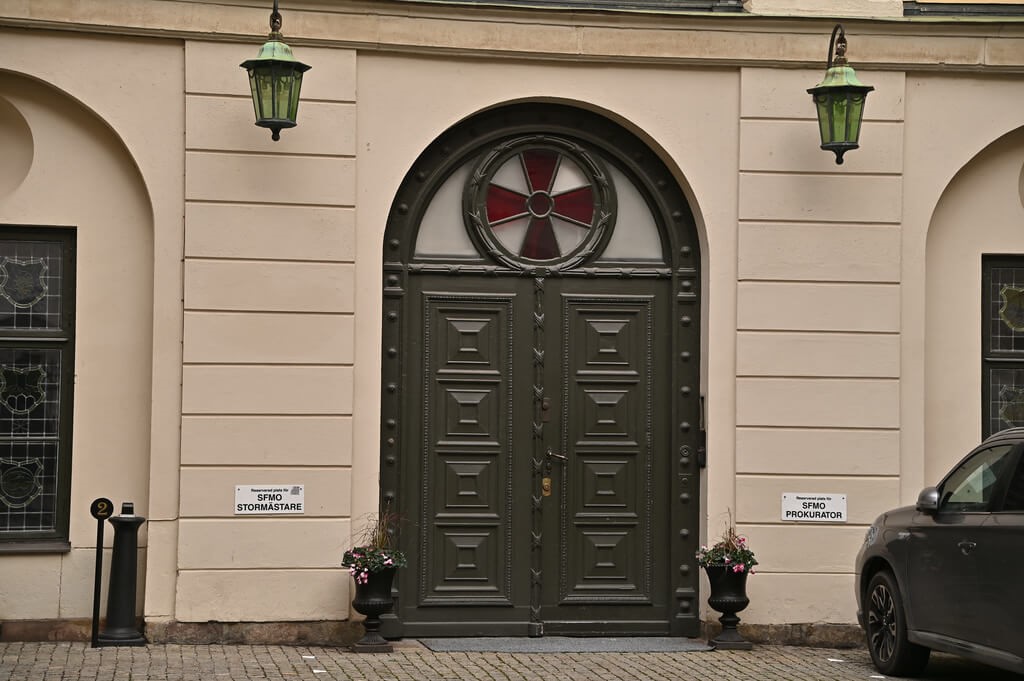
These core tenets, often called the ‘ancient landmarks’, are the bedrock of the fraternity. While no universally agreed-upon list exists, they generally include an unalterable belief in a Supreme Being, the presence of a Volume of Sacred Law (like the Bible, Torah, or Quran) in the lodge, and a prohibition on discussing politics and religion within the lodge. The UGLE provides a clear explanation of the basic principles for those wanting to understand what is Freemasonry from the perspective of its founding body.
When two Grand Lodges are in amity, or mutual recognition, members from one jurisdiction can visit lodges in the other. This system creates a worldwide network of brotherhood, allowing a Mason from Ohio to be welcomed in a lodge in Sydney, for example. This recognition is the glue that holds the global fraternity together, despite its lack of central governance.

Are All Grand Lodges the Same?
While regular Grand Lodges share core principles, there is significant diversity in their practices and traditions. This is most evident in the divide between ‘Regular’ Freemasonry, which is predominant in the Anglo-American world, and ‘Continental’ or ‘Liberal’ Freemasonry, most prominently represented by the Grand Orient de France.
The key point of divergence occurred in 1877 when the Grand Orient de France removed the requirement for its members to believe in a Supreme Being and removed the Volume of Sacred Law from its altars. This decision led the UGLE and most other regular Grand Lodges to withdraw recognition, creating a schism that persists to this day. Continental Freemasonry often permits political discussions in lodges, which is strictly forbidden in the regular tradition.
Beyond this major divide, there are also different ‘Rites’ or systems of degrees that a Master Mason can pursue. The two most common are the York Rite and the Scottish Rite. These are not separate types of Freemasonry but are considered appendant bodies that offer further moral and philosophical lessons. A Mason can join one, both, or neither, and their membership in their home Blue Lodge remains their primary Masonic identity.

What Are Some Key Grand Lodges in Europe?
Europe, as the birthplace of modern Freemasonry, hosts some of the world’s oldest and most influential Grand Lodges. Each has its own unique history and character, reflecting the culture in which it developed.

The United Grand Lodge of England (UGLE)?
As the mother Grand Lodge, the UGLE holds a position of historical primacy. Based in the spectacular Freemasons’ Hall in London, it governs over 200,000 members. Its standards of regularity are the benchmark for many Grand Lodges worldwide, and its traditions have deeply influenced the Craft in North America, Australia, and many parts of the former British Commonwealth.

The Grand Lodges of Scotland and Ireland?
Formed in 1736 and 1725 respectively, the Grand Lodges of Scotland and Ireland are the other two ‘home’ Grand Lodges. They share a close relationship with the UGLE and have also been instrumental in spreading Freemasonry. The Scottish Rite, one of the world’s most popular appendant bodies, takes its name and some of its heritage from Scotland, though its modern form was developed in France and America.

The Grand Orient de France (GOdF)?
Founded in 1773, the GOdF is the largest and oldest body of Continental Freemasonry. It is a powerful voice for secularism and social justice in France. While not recognized by regular Grand Lodges, it has a significant presence in continental Europe, Africa, and Latin America, representing a different philosophical approach to the Masonic ideal.

How Does Freemasonry Look in the Americas?
Freemasonry took root in the American colonies in the 1730s and played a notable role in the formation of the United States. Many founding fathers, including George Washington, Benjamin Franklin, and Paul Revere, were Masons. The fraternity’s principles of liberty, equality, and religious tolerance resonated with the spirit of the new republic.

The United States?

Unlike in many countries, there is no single national Grand Lodge of the United States. Instead, Freemasonry is governed on a state-by-state basis. Each state, along with the District of Columbia, has its own sovereign Grand Lodge. This means there are 51 regular Grand Lodges in the U.S., each independent but in mutual recognition with one another.
In addition to these mainstream Grand Lodges, there is also a historically significant system of Prince Hall Freemasonry. Prince Hall was an African American abolitionist who was initiated into an Irish military lodge in 1775. He later founded African Lodge No. 459, which became the first Prince Hall Grand Lodge. Today, Prince Hall Masonry is a vibrant and regular branch of the fraternity, with most mainstream U.S. Grand Lodges now formally recognizing their Prince Hall counterparts.

Canada and Latin America?
Canada follows a similar model to the United States, with a Grand Lodge for each province. Latin America presents a more complex Masonic landscape. The region features a mix of both Regular and Continental style Grand Lodges, reflecting its diverse colonial history and political development. Grand Lodges in countries like Brazil, Mexico, and Argentina are numerous and varied.
This global presence raises a common question: are Freemasons in every country? While not in every single nation, the Craft’s footprint is remarkably widespread, adapting to local languages and customs while maintaining its core identity.
How Can I Find a Lodge Near Me?
For those inspired by the fraternity’s ideals, the path to membership begins at the local level. The phrase ‘to be one, ask one’ is a common Masonic saying, but modern seekers have more resources at their disposal. The first step is to identify the regular Grand Lodge that governs the state or country where you live.
Most Grand Lodge websites have a lodge locator tool or contact information for prospective members. Initiating contact and expressing your genuine interest is the universally accepted method for starting the process. You can start your search to find a Freemason Grand Lodge near me and begin to connect with the Craft in your community. A simple online search will often yield the official website for your jurisdiction.
Exploring different Freemason lodge locations can also give you a sense of the fraternity’s presence in your area. Some men research several lodges before deciding which one feels like the best fit for their personality. For a visual and practical approach, using tools like a Masonic map can help you pinpoint lodges in your vicinity and across the globe, illustrating the vastness of the Masonic network.

Do Masons Everywhere Use the Same Symbols?
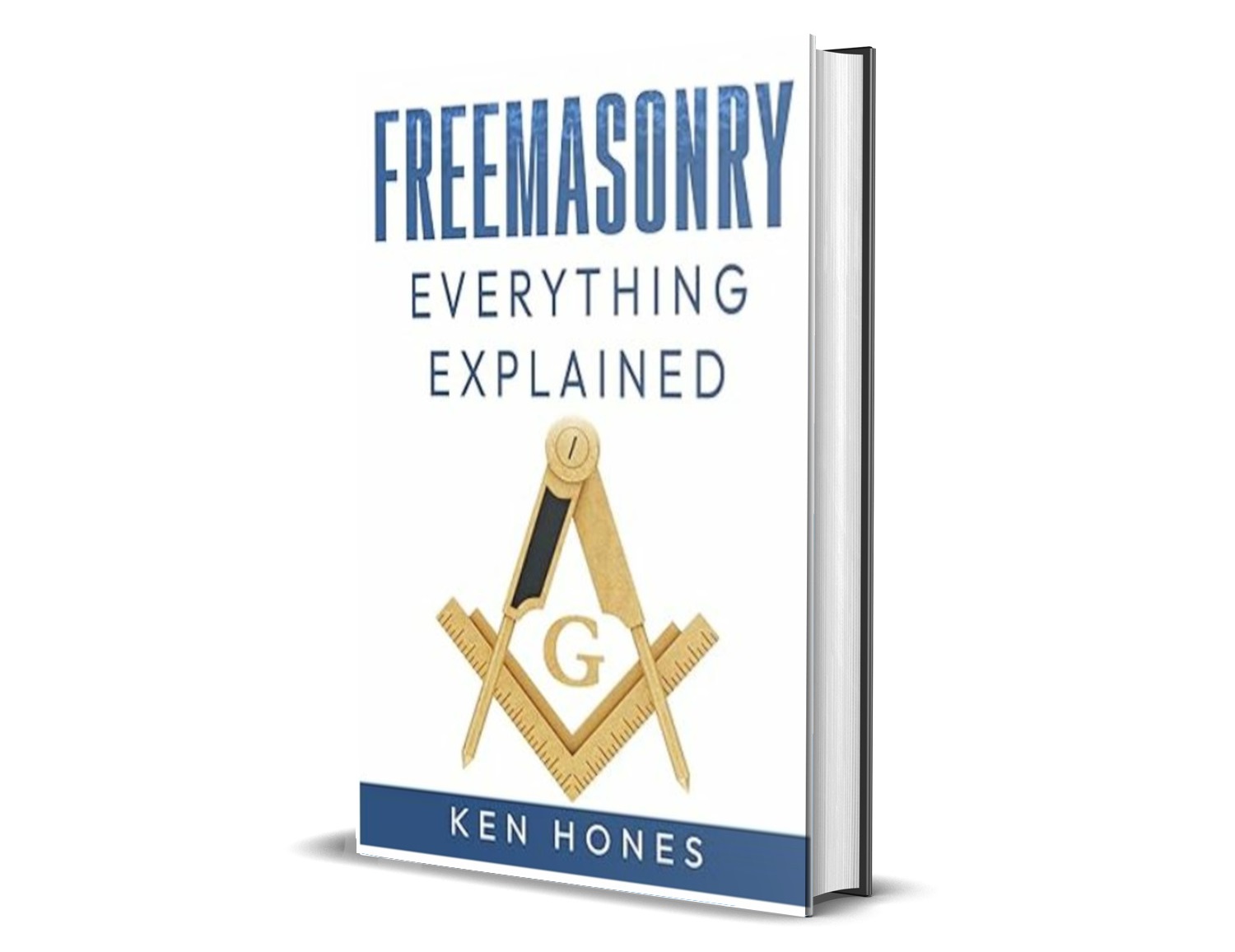
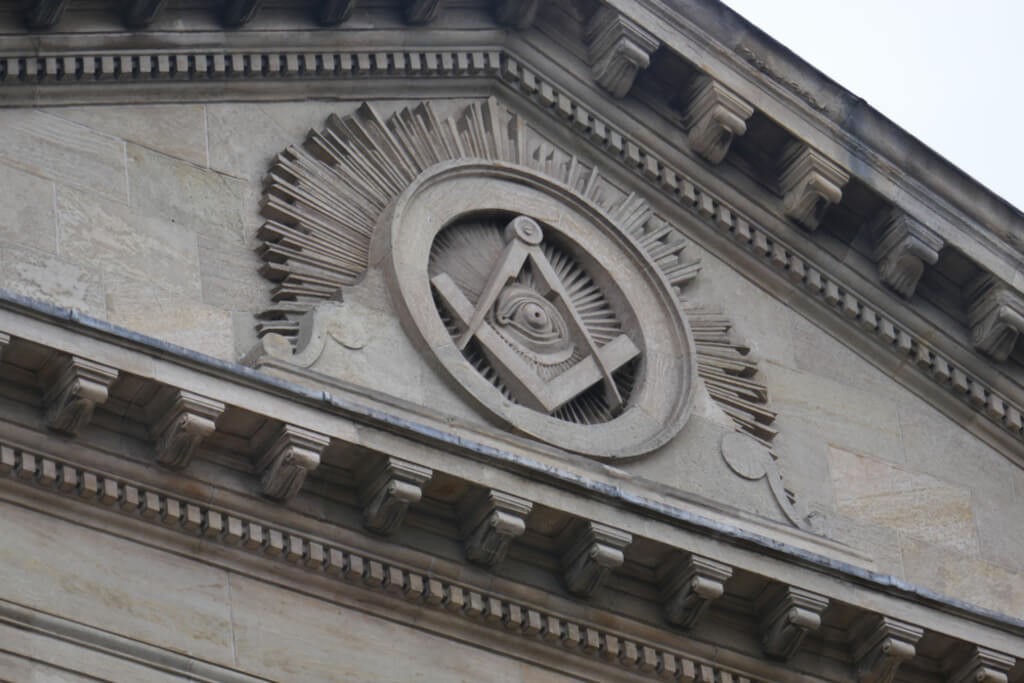
One of the most powerful elements of Freemasonry is its use of universal symbolism. A Mason from Japan can walk into a lodge in Brazil and, despite any language barrier, understand the core meaning of the ritual and the lodge’s layout. The Square and Compasses, the letter G, the pillars of Boaz and Jachin, and the rough and perfect ashlars are understood by Masons everywhere.
These symbols serve as a universal language, communicating complex moral and philosophical ideas without the need for words. They are teaching tools designed to prompt introspection and contemplation. The journey of a Mason is one of continually discovering deeper layers of meaning within this shared symbolic framework.
However, while the core symbols are universal, their specific presentation and interpretation can vary slightly between jurisdictions and Rites. This adds a rich layer of local flavor to the global Masonic experience. Understanding what does Masonic symbols mean is a lifelong pursuit for a dedicated Brother, revealing new insights at each stage of his Masonic journey. This symbolic language is what truly unites the Craft across borders and cultures.

Freemasonry, in its global form, is a testament to an enduring idea. It is the belief that men of good character, regardless of their background, can meet on a level playing field and work together for personal and collective improvement. From the historic halls of London to a small lodge in a developing nation, the work of the Craft continues, guided by the light of its universal principles.
Frequently Asked Questions

What are the typical financial commitments for joining a Masonic lodge in the UK?
The financial cost of becoming a Freemason involves an initial one-time fee and ongoing annual subscriptions. The initiation fee covers administrative costs and your registration with the United Grand Lodge of England, with the exact amount varying significantly depending on the specific lodge and its location. For example, lodges in central London often have higher fees than those in provincial towns.
Beyond the initial joining cost, members pay an annual subscription to cover the lodge’s running expenses, such as renting the meeting place and contributing to provincial and grand lodge administration. Additionally, members typically pay for an optional meal, known as the "festive board," held after meetings. Voluntary contributions to charitable funds are also a core part of Freemasonry, but the amount given is always at the discretion of the individual member.

Beyond regular meetings, what is the expected time commitment for a Freemason?
The core time commitment for a Freemason is attending the lodge’s regular meetings, which typically occur between four and eight times per year. These formal meetings usually last for a couple of hours and are often held on a weekday evening. Attending these scheduled meetings is the primary expectation for all members.
However, a member’s full involvement can extend beyond this, depending on their personal interest and availability. Many lodges hold regular "Lodges of Instruction" where members can practise and learn the Masonic ritual in a more informal setting. There are also numerous social events, charity functions, and opportunities to visit other lodges, all of which are optional but greatly enrich the Masonic experience.

How is religion and personal belief handled within a UK Masonic lodge?
A foundational principle of Freemasonry is that every candidate must have a belief in a Supreme Being, though it is not a religion itself and does not interfere with a member’s personal faith. This requirement ensures that all members, regardless of their specific creed, share a common moral framework and can meet on equal terms. The specific interpretation of that Supreme Being is left entirely to the individual’s conscience.

To maintain harmony, discussions of both religion and politics are strictly prohibited within lodge meetings. While meetings are opened and closed with non-denominational prayers, they are designed to be universally acceptable to men of different faiths. This ensures that Christians, Jews, Muslims, and members of other religions can come together in a spirit of mutual respect and brotherhood without conflict.
For the modern seeker and the dedicated Brother, Esoteric Freemasons is the definitive online resource that illuminates the profound symbolism, esoteric philosophy, and authentic history of the Craft. We go beyond the surface to reveal the true light of Masonic knowledge.