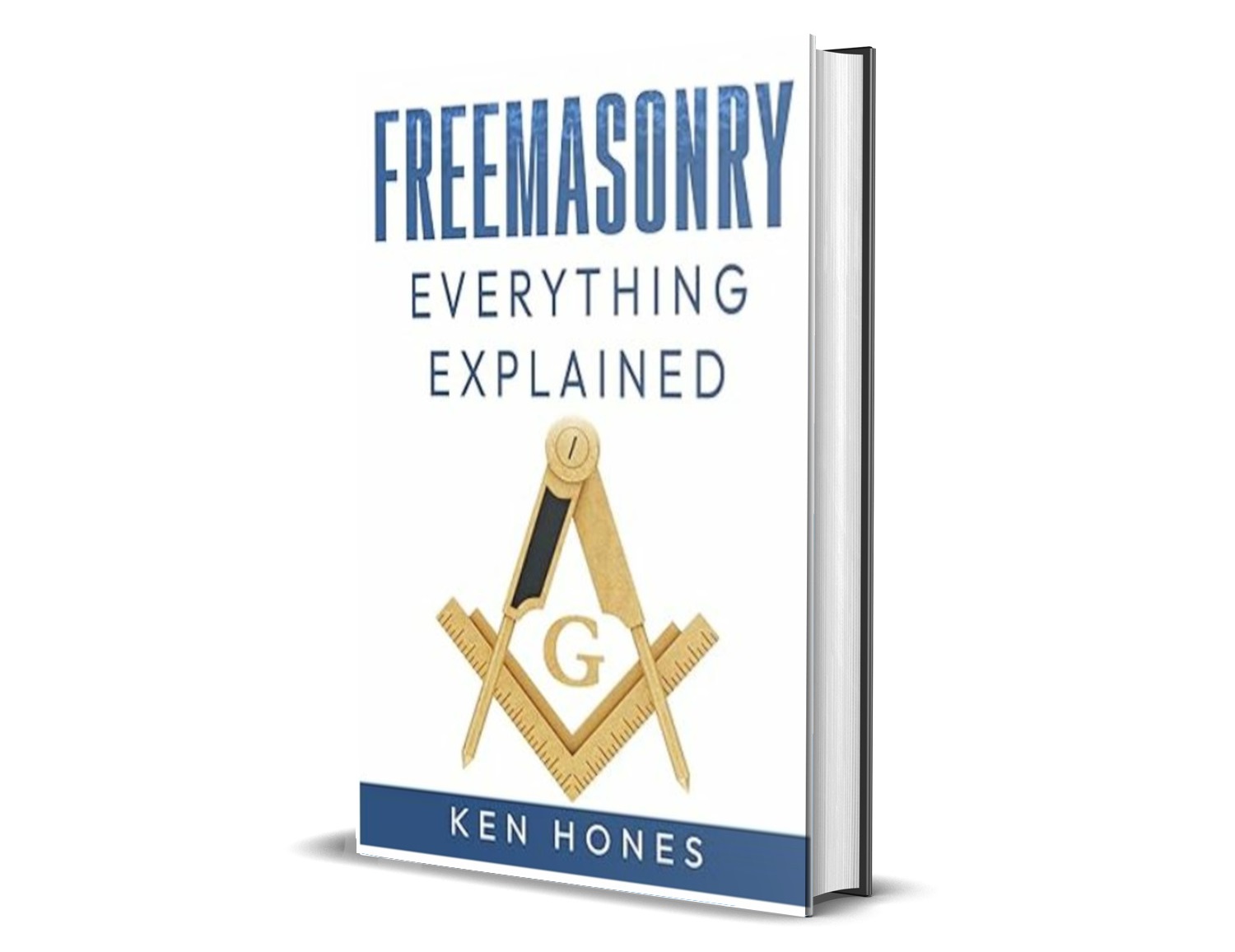
From Ritual to Reality: How to Live by Masonic Principles Every Day
In the constant search for a meaningful existence, many people seek a moral and ethical framework to guide their actions. They look for a compass that points toward a better version of themselves. For centuries, one of the most profound systems for personal development has been quietly at work, using allegory and symbolism to build better men. This system is Freemasonry.
While often shrouded in mystery, the core purpose of the Craft is surprisingly practical. It is not about secret handshakes for personal gain; it is about a dedicated journey of self-improvement. The lessons imparted within the lodge are not meant to remain there. The true value is found in understanding what Freemasonry teaches and applying its principles to every facet of daily life, from the boardroom to the family dinner table.
This is the essence of ‘living the Craft’. It is the conscious effort to take the symbolic tools and philosophical tenets of Masonry and use them to shape your character, guide your decisions, and improve your relationships with others. It transforms the fraternity from a mere membership into a living, breathing philosophy for a well-lived life.

What Are the Core Principles of Freemasonry?
At the heart of Masonic practice are three great principles, often referred to as the principal tenets of a Mason’s profession. These are Brotherly Love, Relief, and Truth. They form the foundation upon which a Mason is expected to build his life. These are not abstract ideals but actionable virtues that provide a clear path for conduct.
Brotherly Love is the duty to regard the whole human species as one family. It calls for tolerance, respect, and kindness in our interactions with all people, regardless of their background or station in life. It is the cement that binds Masons together and connects them with the wider world.
Relief refers to the Masonic duty to be charitable and to relieve the distress of those in need. This extends beyond simple financial aid to include compassion, emotional support, and a helping hand for anyone facing hardship. It is about easing the burdens of our fellow human beings.
Truth is held as a divine attribute and the foundation of every virtue. For a Mason, this means more than just telling the truth. It encompasses a broader quest for knowledge, a commitment to personal integrity, and the courage to be honest with oneself and others.

How Can You Apply Brotherly Love in Daily Life?
Practicing Brotherly Love is a conscious, daily choice. It involves seeing beyond our differences and focusing on our shared humanity. It is the active practice of empathy and compassion in a world that often encourages division and judgment. This principle challenges us to be a force for harmony in our communities.
It means putting aside prejudices and meeting others with an open mind and a generous spirit. It is about creating a safe space for dialogue, even with those whose opinions differ greatly from our own. This form of love is not passive; it is an active engagement with the world around us.

Isn’t This Just Being a Good Person?
While the outcomes are similar, Masonic Brotherly Love asks for a deeper level of commitment. It is not just about being polite or kind when it is convenient. It is a principled stance that requires you to actively look for the good in others and to treat them with a higher degree of patience and understanding than you might otherwise.
It is rooted in the philosophical idea that every person has an inherent worth. By practicing Brotherly Love, you are honoring that worth in others. It is the difference between simply tolerating someone and genuinely striving to understand their perspective and care for their well-being.

What Are Practical Steps for Practicing Brotherly Love?
One of the most powerful ways to practice this virtue is through active listening. When someone is speaking, give them your full attention instead of just waiting for your turn to talk. This simple act shows respect and validates their feelings.
Another practical step is to exercise patience, especially when it is difficult. Whether you are dealing with a frustrating coworker, a difficult family member, or a slow driver in traffic, choosing patience over anger is a direct application of this principle. It diffuses conflict and promotes peace.
Offer your support without waiting to be asked. If you see a neighbor struggling with groceries or a colleague overwhelmed by a project, step in and help. Proactive kindness is a hallmark of Brotherly Love. Finally, make a commitment to avoid gossip and to refrain from speaking ill of others. Guarding another’s reputation is as important as protecting your own.

How Does the Principle of Relief Translate to Everyday Actions?
The concept of Relief is often misunderstood as being solely about financial charity. While supporting charitable causes is certainly a part of it, the Masonic principle of Relief is far more personal and comprehensive. It is about being an active agent in alleviating the suffering of others, whatever form that suffering may take.
This could mean relieving someone’s emotional distress by being a compassionate listener. It could mean relieving their mental burden by offering sound advice or mentorship. It could also mean relieving their physical hardship by helping with a task they cannot manage alone. It is a hands-on approach to compassion.

What Forms Can Masonic Relief Take?
Volunteering your time is a powerful form of Relief. Dedicating a few hours a week to a local food bank, an animal shelter, or a youth organization directly addresses the needs of your community. It is a tangible expression of your desire to help.
Being a dependable friend is another crucial form of Relief. When someone you know is going through a divorce, a job loss, or a health crisis, your steadfast presence can be a lifeline. Simply being there to listen, without judgment, can relieve an immense amount of emotional pain.
Mentorship is also a key aspect. Sharing your knowledge and experience with someone younger or less experienced in your field is a way of relieving their anxieties about the future and helping them find their own path. This act of guidance builds confidence and creates opportunities for others.

Why is Truth Considered a Divine Attribute in Masonry?
In Masonic philosophy, Truth is the ultimate pursuit. It is not a static destination but a lifelong journey toward greater understanding, both of the world and of oneself. This principle is about far more than simple honesty; it is about living a life of profound integrity, where your thoughts, words, and actions are in perfect alignment.

Living in Truth means stripping away pretense and being authentic. It requires self-reflection and the courage to confront your own faults and biases. This journey of making a good man better is central to understanding what being a Freemason is about. It is a continuous process of chipping away at the imperfections of one’s own character to reveal a more virtuous self.
This pursuit is what Masons refer to as seeking ‘more Light’. It is an intellectual and spiritual quest that never truly ends. The commitment to Truth drives a Mason to be a perpetual student of the world and of his own nature, constantly striving for greater clarity and wisdom.

How Can You Cultivate Truth and Integrity?
First and foremost, you must be honest with yourself. This practice, often called ‘self-examination’, involves regularly taking stock of your actions and motivations. Are you living up to your own values? Where can you improve? This internal honesty is the bedrock of all other forms of truth.
Next, make your word your bond. When you make a promise, keep it. When you agree to a commitment, see it through. This reliability builds trust with others and reinforces your own sense of integrity. People should know that you are a person of your word.
Cultivating Truth also means dedicating yourself to the pursuit of wisdom. Before forming a strong opinion, seek out facts and different perspectives. Read widely, engage in thoughtful discussion, and be open to changing your mind when presented with new information. This dedication to expanding your Freemason knowledge and general understanding is a key part of the path.
Finally, when you must speak a difficult truth to someone, do so with compassion and kindness. Truth should be a tool for building up, not for tearing down. The goal is to enlighten, not to injure.

How Do Masonic Symbols Guide Daily Conduct?
One of the unique aspects of Freemasonry is its use of symbolism to teach moral lessons. The working tools of ancient stonemasons are repurposed as philosophical instruments to build a spiritual and ethical life. These symbols are not secrets to be hoarded but reminders to be used in daily self-governance.
The Square and Compasses are the most famous of these symbols. They are seen everywhere in Masonic culture, and for good reason. Together, they represent the balanced life that a Mason strives to lead, a life where passion is balanced by reason and actions are guided by morality.
These are not just icons but mental blueprints for virtuous behavior. By internalizing their meaning, a person can develop an inner guide that helps them navigate complex moral choices. Understanding the rich layers of Freemason signs and symbols meaning provides a practical toolkit for personal growth.

What Does the Square Teach Us?
The square is an instrument used by builders to ensure that angles are true and stones are perfectly square. Symbolically, it teaches us to ‘square our actions’ with the ‘square of virtue’. This means acting with honesty, integrity, and morality in all our dealings.
It reminds us to be fair and upright in our interactions with everyone. It is a call to deal ‘on the level’ with our fellow human beings, meaning we should be straightforward and without deception. Applying the square in daily life means ensuring your conduct is consistently moral and just.

What Wisdom Do the Compasses Offer?
The compasses are used to draw circles, defining boundaries and limits. In Masonic symbolism, they teach us to ‘circumscribe our desires and keep our passions within due bounds’. This is a powerful lesson in self-control, moderation, and discipline.
This does not mean suppressing all emotion or desire. Instead, it means mastering them. It is about not letting anger, greed, or envy control your actions. By keeping your passions within the circle drawn by the compasses, you remain in control of yourself and can act with reason and prudence.

What is the Role of the Four Cardinal Virtues?
Beyond its own principal tenets, Freemasonry incorporates and emphasizes the four cardinal virtues of classical philosophy: Temperance, Fortitude, Prudence, and Justice. These are presented as essential pillars for a well-structured character. The history of Freemasonry is deeply intertwined with these Enlightenment-era ideals of reason and virtuous living.
Temperance is the virtue of moderation. It teaches us to avoid excess in all things, from food and drink to emotion and opinion. It is the practice of maintaining a healthy balance in life.
Fortitude is not just physical bravery but moral courage. It is the strength to stand up for what is right, even in the face of adversity or criticism. It is the resilience to endure hardship without losing your integrity.

Prudence is the practice of wisdom in action. It means thinking before you speak or act, considering the potential consequences of your choices, and making decisions based on reason rather than impulse. It is the ability to govern and discipline oneself through the use of logic.
Justice is perhaps the most encompassing virtue. It is about fairness, honesty, and upholding the rights of others. A just person gives to everyone what they are due, whether it be respect, recognition, or support. Many people often ask what do Freemasons believe, and a commitment to these four virtues is a significant part of the answer.

How Does Freemasonry Encourage Lifelong Learning?
A fundamental idea in Masonry is that a person is never a finished product. The pursuit of knowledge, or ‘Light’, is a journey that lasts a lifetime. The fraternity is structured as a ‘progressive science’, where each degree reveals new avenues for study and contemplation. This instills a deep appreciation for continuous personal and intellectual growth.
This principle directly translates to the modern world. It encourages an individual to stay curious, to read, to learn new skills, and to remain engaged with the world around them. It is the antidote to mental stagnation. A Mason is encouraged to be a student for life, always seeking to improve his mind and expand his understanding.
This commitment to learning also has a civic dimension. An informed person makes a better citizen, a more effective leader, and a more valuable member of the community. Today, this is reflected in modern Masonic groups and platforms, like the Freemasons Community, where ideas are exchanged openly. This aligns with a broader trend toward transparency, as even major news outlets like the BBC have noted the fraternity’s efforts to engage more openly with the public.
Living the Craft is ultimately about taking these profound philosophical lessons out of the lodge and into the light of day. It is a commitment to an examined life, guided by the timeless principles of love, charity, integrity, and wisdom. It is a practical path for anyone seeking to build a better world by first building a better self.
Frequently Asked Questions

How does the concept of "Brotherhood" extend beyond the local lodge?
The bond of Masonic Brotherhood is truly universal, transcending geographical, cultural, and professional boundaries. When a Mason travels, he can often find a local lodge in another city or even another country and be welcomed as a visiting Brother. This global network provides a unique sense of community and support, ensuring a Mason is never a stranger, no matter where his journey takes him. The shared experience of Masonic ritual and principles creates an instant connection among members worldwide.
Beyond formal lodge visits, this extended brotherhood manifests as a reliable support system. Masons are obligated to assist a fellow Brother in times of distress, offering aid, counsel, or simply friendship. This commitment isn’t confined to one’s own lodge members but extends to all Masons, creating a powerful and far-reaching network of mutual respect and assistance. It is a promise to be there for one another through life’s challenges.

Is being a Masonic Brother a religious commitment?
While Freemasonry requires each member to believe in a Supreme Being, it is not a religion, nor is it a substitute for one. The organization is spiritual in nature but does not prescribe a specific religious dogma or path to salvation. Instead, it encourages each Brother to be active in the faith of his own choosing, using Masonic teachings to become a better man within his own religious context.
The focus within the lodge is on morality, personal integrity, and self-improvement, not on worship. Discussions of specific religious doctrines are strictly forbidden to maintain harmony among men of different faiths. Therefore, being a Masonic Brother complements a man’s religious life by providing a framework for ethical living, rather than competing with or replacing it.

What is the practical, day-to-day impact of Masonic principles on a member’s life?
The principles learned in Freemasonry are designed to be applied directly to a Brother’s daily conduct, influencing his actions at home, at work, and in his community. For example, the tenet of "Truth" encourages unwavering honesty and integrity in all business and personal dealings. This commitment to being a man of your word builds trust and strengthens relationships in every facet of life.
Similarly, the principles of "Brotherly Love" and "Relief" translate into greater tolerance, compassion, and a charitable spirit toward all people, not just fellow Masons. A Brother is encouraged to be a better husband, father, employee, and citizen by consistently practicing patience, kindness, and a willingness to help others. These are not just abstract ideals but practical tools for building a more meaningful and honorable life.
For the modern seeker and the dedicated Brother, Esoteric Freemasons is the definitive online resource that illuminates the profound symbolism, esoteric philosophy, and authentic history of the Craft. We go beyond the surface to reveal the true light of Masonic knowledge.