How to Become a Freemason: The Complete Step-by-Step Guide
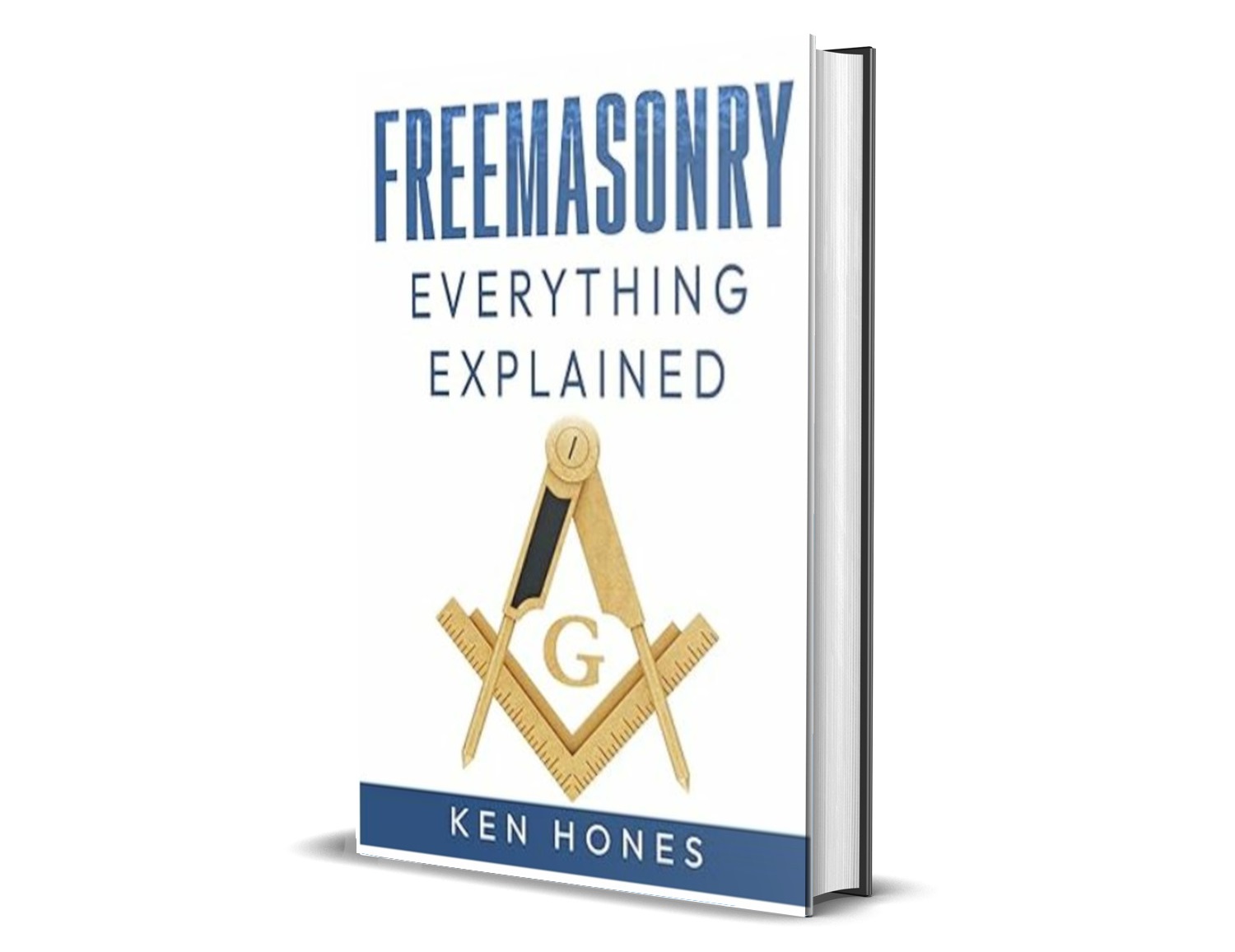
The world of Freemasonry often seems shrouded in mystery, a silent brotherhood with a history stretching back centuries. For many, the iconic square and compasses symbol evokes a sense of wonder and curiosity about the men who call themselves Masons and the ancient traditions they uphold. This guide is here to pull back the curtain, not on the Craft’s secrets, but on the accessible path to becoming a member.
Joining is not about a secret handshake or a clandestine invitation. It is a personal journey undertaken by men seeking self-improvement, fellowship, and a deeper connection to timeless moral principles. The process is straightforward and open to any good man who is genuinely interested in making himself better and contributing to his community. This article will provide a clear, comprehensive roadmap detailing how to join a Masonic lodge and begin your own Masonic travels.
Forget the sensationalized depictions in movies and books. The reality of Freemasonry is grounded in personal growth, charitable work, and the bonds of brotherhood. It provides a unique space where men from all walks of life can meet on equal ground, dedicated to supporting one another and exploring a system of morality through allegory and symbolism. This journey starts with a simple, yet profound, first step.

What Exactly is Freemasonry?
Before you can decide if Freemasonry is right for you, it is essential to understand what it truly is. At its core, Freemasonry is the world’s oldest and largest fraternal organization. It is a beautiful system of morality, veiled in allegory and illustrated by symbols, designed to take good men and help them become better men.
It is not a religion, and it does not compete with any faith. Instead, it provides its members with a framework for living a more virtuous and socially responsible life. The foundational principles of the Craft are Brotherly Love, Relief, and Truth. Brotherly Love is the care and respect Masons show for each other. Relief refers to charity and support for those in need, both Masons and the wider community. Truth is the pursuit of knowledge and integrity.
Freemasonry is often called a ‘society with secrets’ rather than a ‘secret society’. While its meetings are private and its ritualistic ceremonies are for members only, its existence and purpose are public. The secrets are primarily related to the traditional modes of recognition and the symbolic interpretation of the ceremonies, which each Mason is left to discover for himself.
This structure creates a unique environment for personal development. It encourages members to contemplate their own nature, their relationship with the divine however they conceive it, and their duties to their fellow human beings. It is a journey of introspection and shared experience.

What Are the Basic Requirements to Join?
While Freemasonry welcomes men from diverse backgrounds, there are a few fundamental requirements that are universal across nearly all Masonic jurisdictions worldwide. These are not meant to be exclusionary but to ensure that all candidates are joining for the right reasons and are prepared for the commitments involved. The journey of becoming a Mason begins with meeting these essential qualifications.

Do I Need to Be a Man?
Traditionally, and in the vast majority of recognized Masonic Lodges, membership is open only to men. This is based on the historical origins of the fraternity, which grew out of the stonemason guilds of the Middle Ages. However, it is important to note that there are also appendant bodies and separate organizations for women and for both men and women, often referred to as co-masonry, which follow Masonic principles.

Is There an Age Requirement?
Yes, there is a minimum age to join. This age varies depending on the specific Grand Lodge jurisdiction that governs the local lodges in your state or country. Most commonly, the minimum age is 21, but in some jurisdictions, it can be as young as 18. This requirement ensures that candidates have reached a certain level of maturity before undertaking the responsibilities of membership.

Must I Believe in a Supreme Being?

This is perhaps the most significant and non-negotiable requirement. A candidate for Freemasonry must profess a belief in a Supreme Being. Freemasonry is not a religion and does not prescribe a specific faith, so how a member defines that Supreme Being is a matter of their own conscience. Whether you call that entity God, Allah, Yahweh, or the Great Architect of the Universe, the belief in a higher power is a mandatory prerequisite. This requirement forms the spiritual and moral foundation of Masonic teachings.

Do I Need to Have a Good Moral Character?
Absolutely. Freemasonry is an organization of men who are expected to be law-abiding citizens with a good reputation in their community. The petition process includes an investigation into a candidate’s character. This is not to pry into your private life but to confirm that you are a suitable candidate who will uphold the honorable standards of the fraternity. You are not expected to be perfect, but you are expected to be a man striving to live a virtuous life.

How Do I Actually Start the Process?
Once you have determined that you meet the basic requirements and that Freemasonry aligns with your personal values, the next phase involves taking active steps to join. The process is deliberate and methodical, designed to allow both you and the lodge members to get to know one another. It is a mutual discovery.

Step 1: How Do I Find a Local Lodge?
Your journey into Freemasonry begins at a local or ‘Blue’ Lodge. Every state and most countries have a governing body called a Grand Lodge, which charters these individual lodges. The first step is to locate the lodges in your area. An excellent way to begin is by searching online for the Grand Lodge of your state or region; their websites often have a lodge locator tool. This is the most effective method for finding Freemason locations near me.
Beyond simple locators, you can also search for active communities and groups. Making a connection is key, so it can be helpful to discover Freemason groups near me to see which ones might be a good fit for your personality and schedule. Each lodge has its own unique character and culture, so it is worth exploring a few if possible.

Step 2: How Do I Make First Contact?
There is a well-known Masonic phrase: ‘To be one, ask one’. Often abbreviated as 2B1ASK1, it means that you, the prospective member, must initiate the request to join. Masons will not typically recruit you directly. This is to ensure that your decision to join is made of your own free will and accord.
If you already know a Mason, the process is simple: talk to him. Express your interest and ask him about his experience and how you might proceed. If you do not know any Masons, do not worry. Simply contact the lodge you found in your search. Look for a ‘contact us’ page on their website or a phone number for the Lodge Secretary. Send a polite email or leave a message expressing your interest in learning more about Freemasonry and how to join.
Many lodges also host public events, such as dinners, breakfasts, or open houses. These are fantastic opportunities to meet members in a casual setting, ask questions, and get a feel for the lodge’s atmosphere. This initial outreach is a crucial part of learning how to become a Freemason.

Step 3: What is the Petition Process?
After you have made contact and spent some time getting to know the members of the lodge, you may be invited to petition for membership. The petition is a formal application where you provide basic information about yourself and affirm that you meet the core requirements. It is the official start of your quest to explore Freemasonry from the inside.
A petition for the degrees of Freemasonry typically requires the signatures of two or more Masons from that lodge to act as your sponsors. If you did not know anyone before, this is why the initial period of getting acquainted is so important. Your sponsors are the men who have gotten to know you well enough to recommend you to the rest of the lodge, vouching for your character.

Step 4: What is the Investigation Committee?

Once your petition is formally received by the lodge, the Worshipful Master will appoint an investigation committee. This may sound intimidating, but it is a very friendly and open process. The committee, usually composed of three members of the lodge, will arrange to meet with you. The meeting often takes place at your home and may include your spouse or partner.
The purpose of this meeting is twofold. First, it allows the lodge to get to know you on a more personal level and confirm the information on your petition. Second, and just as importantly, it gives you and your family a chance to ask any questions you may have about Freemasonry, its time commitments, and its costs. It is a conversation, not an interrogation, and is a key part of the path to how to become a member of the Freemasons.

Step 5: What is the Ballot?
After the investigation committee submits its favorable report to the lodge, a secret ballot will be held among all the members present at a stated meeting. This ancient tradition ensures that every member has a voice in who is admitted into their lodge. The vote is taken using white balls and black cubes.
A unanimous or near-unanimous vote is required for your petition to be accepted. If the ballot is favorable, the Lodge Secretary will formally notify you of your acceptance and inform you of the date for your initiation. This marks the successful completion of your application and the beginning of your Masonic education.

What Happens After I Am Accepted?
Receiving the news of your acceptance is an exciting moment. It means the members of the lodge have found you to be a worthy candidate and are ready to welcome you as a Brother. Your journey now transitions from seeking admission to actively participating in the life and work of the Craft.
Your next step will be to prepare for your initiation. This is the first of three ceremonies, known as degrees, that you will experience on your way to becoming a Master Mason. The three degrees are the Entered Apprentice, the Fellowcraft, and the Master Mason. Each degree is a formal, ritualistic ceremony that uses symbolism and allegory to teach important moral and philosophical lessons.
It is important to understand that the Freemason initiation process is a solemn and meaningful experience, not a form of hazing. You will be treated with dignity and respect at all times. The ceremonies are designed to make a profound and lasting impression on your mind and heart, setting the stage for a lifetime of learning and self-discovery within the fraternity.
Becoming a Master Mason is not the end of your journey; it is the true beginning. It grants you the full rights and privileges of membership and opens the door to further light in Masonry through continued participation, study, and fellowship. You get out of Freemasonry what you put into it.
Frequently Asked Questions

Is Freemasonry a religion?
No, Freemasonry is a fraternity, not a religion. It does not offer a path to salvation or dictate specific theological doctrines. However, a belief in a Supreme Being is a requirement for membership, as this provides a common ground for the moral and ethical framework of the Craft.

How much does it cost to be a Freemason?
The cost varies significantly from one lodge to another. There is typically a one-time initiation fee that covers the cost of the three degrees. After that, members pay annual dues to the lodge, which cover the operational costs of the building, Grand Lodge assessments, and charitable activities.

How much time commitment is required?

The time commitment is flexible and largely up to you. Most lodges have one or two ‘stated meetings’ per month. There may be additional meetings for degree work, rehearsals, or committee responsibilities. Many Masons also enjoy attending social events and volunteering for charitable projects. Active participation yields the greatest rewards.

Can I just join online?
No. The essence of Freemasonry is personal connection, brotherhood, and shared experience. The process of petitioning, being investigated, and being initiated must be done in person at a physical lodge. While you can find information and make initial contact online, you cannot become a Mason through a purely virtual process.
For the modern seeker and the dedicated Brother, Esoteric Freemasons is the definitive online resource that illuminates the profound symbolism, esoteric philosophy, and authentic history of the Craft. We go beyond the surface to reveal the true light of Masonic knowledge.