Beyond the Myths: Understanding the World of Freemasonry
For centuries, its symbols have been whispered about in corridors of power and debated in the shadowy corners of the internet. It is an institution that counts presidents, philosophers, and pioneers among its ranks, yet it remains an enigma to most. This is Freemasonry, an organization often misunderstood, frequently misrepresented, and perpetually fascinating. But if you strip away the fiction, what do you find? You discover not a clandestine cabal, but a profound and enduring tradition dedicated to a single, noble pursuit: making good men better.
This journey will pull back the curtain, not to reveal forbidden secrets, but to illuminate the genuine purpose, history, and character of the world’s oldest and largest fraternity. We will explore its real origins, its guiding principles, and what truly happens behind the closed doors of a Masonic Lodge. Prepare to see the Craft as you have never seen it before, through a lens of clarity, accuracy, and genuine insight.
What is the core definition of Freemasonry?
At its heart, Freemasonry is a system of personal development and moral education. It uses the timeless tools and allegories of stonemasonry to teach its members, known as Brothers, about ethics, self-improvement, and their relationship with the world around them. It is a fraternity, a brotherhood of men bonded by shared values and a commitment to mutual support and community service.
Freemasonry is not a religion, though its members must believe in a Supreme Being. It is also not a secret society, as its existence is public knowledge, its buildings are clearly marked, and its members are free to identify themselves. Rather, it is more accurately described as a society with secrets, where the private aspects relate to its unique methods of teaching and recognition, much like any private organization or family has its own traditions.
The entire Masonic experience is designed to be a journey of enlightenment. It encourages a man to look within himself, to chip away at his own imperfections, and to build a more virtuous and purposeful life. This is achieved through participation in ceremonies, thoughtful lectures, and fellowship with other men on the same path.

Where did Freemasonry come from?
The history of Freemasonry is a rich tapestry, woven from both documented fact and allegorical legend. Its philosophical roots are deep, but its organizational structure has a clear and traceable evolution from the working guilds of the Middle Ages to the speculative fraternity it is today. Understanding this history is key to grasping its unique character.

Did it really begin with the Knights Templar?
No, there is no credible, verifiable historical evidence linking the Knights Templar to the origins of Freemasonry. This is one of the most popular and persistent myths about the fraternity, fueled by novels and speculative histories. While the themes of chivalry and brotherhood are appealing, the historical timelines and organizational structures simply do not connect.
The Knights Templar was a Catholic military order founded around 1119 and was brutally suppressed by King Philip IV of France in 1307. Modern Freemasonry, in its organized form, did not emerge until the early 1700s, leaving a 400-year gap with no connecting records. While some later Masonic bodies, like the York Rite, incorporate Templar themes in their degrees, these are symbolic adoptions created centuries after the original order was dissolved, not a direct lineage.

What are the operative stonemason origins?
The most accepted and historically supported origin of Freemasonry lies with the guilds of operative stonemasons who built the great cathedrals and castles of Europe. These medieval craftsmen were highly skilled artisans who possessed valuable knowledge of geometry and engineering. To protect their trade secrets, they developed systems of recognition, including specific words and handshakes, to prove their qualifications when traveling from one construction site to another.
These masons gathered in buildings called lodges, which served as workshops and places to rest and receive their wages. Within the lodge, they followed a strict moral code and hierarchical structure, with apprentices learning the trade from experienced masters. This environment fostered a strong sense of brotherhood and mutual obligation, laying the foundational blueprint for the fraternity to come.

When did modern Freemasonry officially start?

The official birth of modern, or "speculative," Freemasonry is dated to June 24, 1717. On this day, four existing lodges in London, England, met at the Goose and Gridiron Alehouse and joined together to form the first Grand Lodge of England. This event marked a pivotal shift from operative to speculative Masonry.
By the late 1600s, the great age of cathedral building was declining, and lodges of stonemasons began accepting non-operative members. These "accepted" Masons were gentlemen, scholars, and community leaders who were not interested in cutting stone but were drawn to the moral philosophy, symbolism, and fellowship of the lodges. The formation of the Grand Lodge in 1717 standardized the rituals and created a central authority, transforming the Craft into the philosophical and charitable fraternity that spread across the globe.

What do Freemasons actually do in their meetings?
Masonic meetings, held in a room called a Lodge, are orderly and purposeful gatherings that primarily focus on two types of activities. The first is the administrative business of the Lodge, which includes reading minutes, planning charitable events, managing finances, and voting on petitions from new candidates. The second, and more profound, part of a Masonic meeting involves ritual and education.
These meetings provide a structured environment for men to connect, learn, and work together for common goals. It is a space where rank and title from the outside world are left at the door, and men meet as equals. The atmosphere is one of respect, decorum, and a shared commitment to the principles of the fraternity.

What happens during a Masonic ritual?
A Masonic ritual is essentially an allegorical play in which a candidate is the central participant. These ceremonies use symbolism and dramatic presentation to convey significant moral and philosophical lessons. They are not religious services but are solemn and dignified events designed to make a lasting impression on a man’s character.
During these rituals, which are known as degrees, the candidate is guided through a series of symbolic experiences. He is presented with the working tools of a stonemason, like the square, compasses, and gavel, and their symbolic meanings are explained to him. The entire experience is a metaphor for building a better life, with each tool representing a specific virtue or principle to live by. The specific details of these rituals are what Masons promise to keep private, as their impact is greatest when a candidate experiences them without prior knowledge.

What are the Masonic degrees?
The foundation of all Freemasonry is a series of three degrees known as the Blue Lodge or Craft degrees. These three ceremonies represent a candidate’s progressive journey in Masonic knowledge and self-discovery. Each degree builds upon the last, imparting new lessons and entrusting the man with greater understanding.
The first degree is that of Entered Apprentice. It is a Mason’s first step, representing youth and the beginning of his search for light, or knowledge. The second degree is Fellowcraft, which symbolizes manhood and the pursuit of learning, encouraging the study of the liberal arts and sciences. The third and final degree is that of Master Mason, which represents maturity, wisdom, and the confrontation of life’s ultimate realities, including mortality. Upon completing the Master Mason degree, a man is a full member of the fraternity with all its rights and responsibilities.

What are the fundamental principles of Freemasonry?
The entire Masonic system is built upon a foundation of core principles that guide a member’s conduct both inside and outside the Lodge. These tenets are universal, transcending culture and creed, and are taught through the fraternity’s rich symbolism. They are often summarized as Brotherly Love, Relief, and Truth.
These are not just abstract ideas but are meant to be practical guides for daily living. Freemasonry constantly encourages its members to practice these virtues in their interactions with their families, their communities, and all of humankind. They form the moral compass that a Mason strives to follow throughout his life.

What is the significance of Brotherly Love?

Brotherly Love is the principle of tolerance and respect for others. It teaches Masons to regard the entire human species as one family and to treat every person with kindness and understanding. It means valuing a man for his character rather than his wealth, status, religion, or race.
Within the fraternity, this principle creates a powerful bond of fellowship and support. Outside the Lodge, it calls on a Mason to be a good citizen, to be a peacemaker, and to practice compassion in all his dealings. It is the cornerstone of Masonic harmony, reminding members that despite any differences, they are united by a shared commitment to virtue.
How is Relief a central tenet?
Relief refers to charity and philanthropy, a cornerstone of Masonic practice. It obligates a Mason to come to the aid of a Brother or his family in times of need, whether that need is financial, emotional, or physical. This internal charity ensures that members and their loved ones have a reliable support system.
This principle extends far beyond the fraternity’s own members. Masonic Lodges and their appendant bodies are among the world’s greatest philanthropic organizations. They donate vast sums of money and countless volunteer hours to a wide range of causes, including public schools, medical research, disaster relief, and children’s hospitals, such as the famous Shriners Hospitals for Children.

Why is Truth so important to a Mason?
Truth is the ultimate object of a Mason’s quest. This concept operates on multiple levels. On a personal level, it means living with integrity, being honest in all actions and words, and being true to one’s own values. It is the principle of being a dependable and honorable man.
On a higher, philosophical level, Truth represents the pursuit of knowledge and enlightenment. Freemasonry encourages its members to seek truth through reason, study, and contemplation. It is a lifelong journey to better understand oneself, the nature of existence, and one’s place within the grand design of the universe. This search for light is the central driving force of the Masonic experience.

What are some common Masonic symbols and their meanings?
Symbolism is the primary language of Freemasonry. The fraternity uses symbols drawn from stonemasonry, geometry, and classical philosophy to teach its moral lessons in a way that is memorable and universally understood. These symbols are not objects of worship, but are tools for education and contemplation.

What does the Square and Compasses represent?
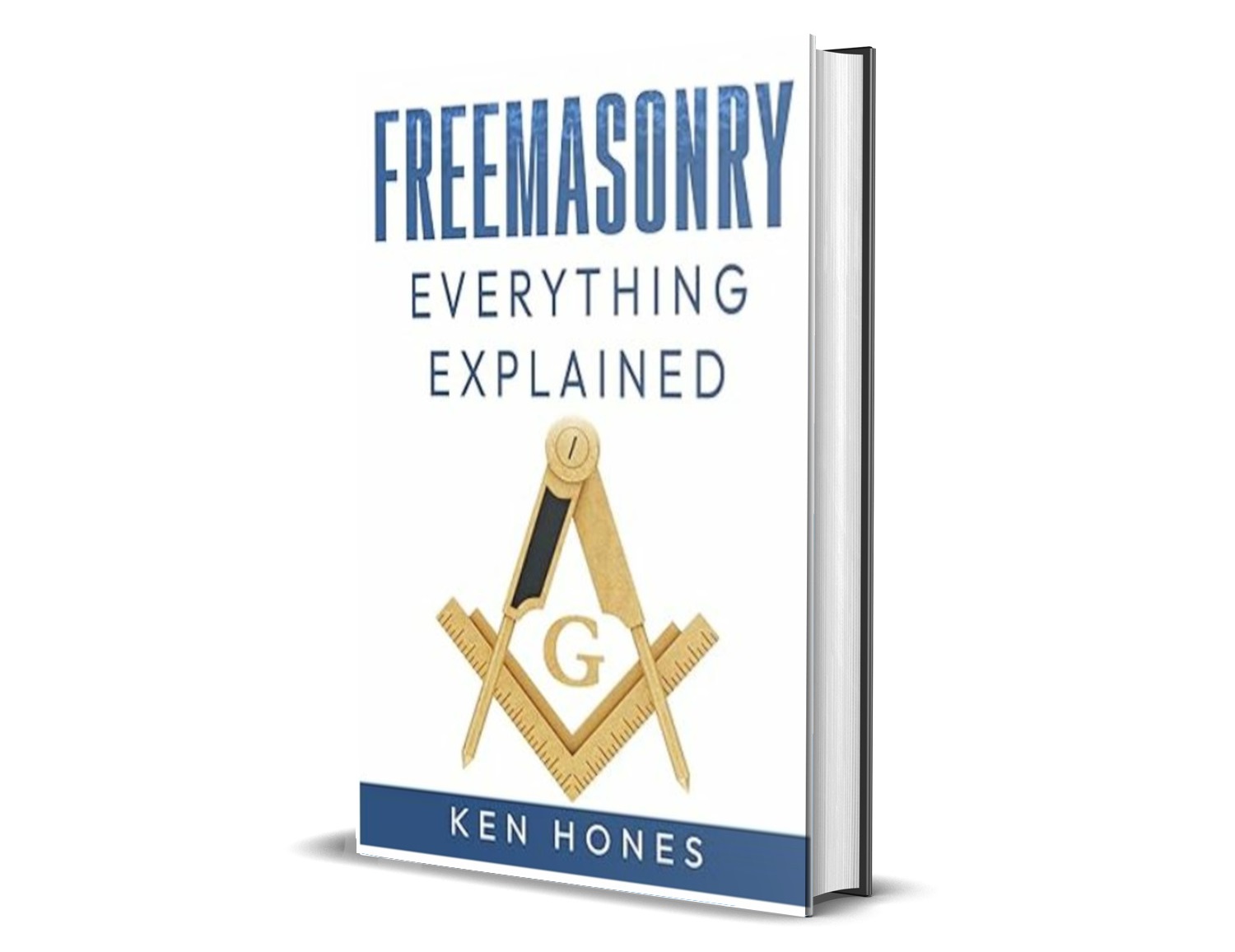
The Square and Compasses is the single most recognizable symbol of Freemasonry. The Square is a symbol of morality, virtue, and honesty, reminding a Mason to "square" his actions by the "square of virtue" with all mankind. The Compasses symbolize the importance of self-control and circumspection, teaching a Mason to "circumscribe" his desires and keep his passions within due bounds.
Together, they represent the balance between the material and the spiritual, the earthly and the divine. They are a constant visual reminder of a Mason’s obligation to live an upright, balanced, and temperate life. The specific arrangement of the Square and Compasses can also indicate the degree to which a Mason has progressed in his journey.

Why is the letter G in the center?
The letter G, often found in the center of the Square and Compasses emblem, has two primary meanings. The first and most important is God, representing the Supreme Being or Great Architect of the Universe. Its presence reinforces the core Masonic requirement of a belief in a higher power and serves as a reminder of a Mason’s duty to that power.

The second meaning of the G is Geometry. In the traditions of operative stonemasonry, geometry was the essential science upon which their craft was built. In speculative Freemasonry, it symbolizes the "noblest of sciences" and represents the use of reason and logic to uncover the hidden truths of the universe and of oneself.

What is the meaning of the All Seeing Eye?
The All Seeing Eye, often depicted within a triangle, is one of the most misunderstood Masonic symbols. Contrary to conspiracy theories, it does not represent a sinister form of surveillance or control. Its true meaning is far more profound and personal. It is a symbol of the Great Architect of the Universe, representing divine watchfulness and the omnipresence of God.
For a Freemason, the All Seeing Eye serves as a reminder that his thoughts and actions are always observed by his Creator. It symbolizes the inescapable presence of conscience and the importance of living with integrity, even when no one else is watching. It is a symbol of divine truth and light, not of shadowy control.

How does one become a Freemason?
The traditional way to become a Freemason has always been the same: you must ask. The fraternity does not recruit or solicit members. A man must come to Freemasonry of his own free will and accord, prompted by a favorable opinion of the institution and a desire for self-improvement.
To be eligible, a candidate must meet a few essential requirements. He must be a man of lawful age (typically 18 or 21, depending on the jurisdiction), be of good moral character, and believe in a Supreme Being. The process begins by petitioning a local Lodge. The petition is reviewed, and a small committee of members will meet with the candidate to answer his questions and assess his character. Finally, the members of the Lodge vote by secret ballot to accept or reject the petitioner.

Is Freemasonry a secret society?
No, Freemasonry is not a secret society. It is a society with secrets. This is a critical distinction. A truly secret society is one whose very existence is hidden, whose membership is unknown, and whose meeting places are concealed. Freemasonry fails on all these counts.

Masonic Lodges are clearly marked public buildings, often listed in phone directories and on maps. Members are free to tell others they are Masons, and many do so with pride, wearing rings or other insignia. Grand Lodges have public websites and are often involved in community events. The "secrets" of Freemasonry are limited to its modes of recognition (the traditional signs and words) and the specific, dramatic details of its degree rituals, which are kept private to preserve their impact for new candidates.

Is Freemasonry a religion?
No, Freemasonry is not a religion, nor is it a substitute for one. It is a fraternity that requires its members to have a belief in a Supreme Being, but it does not tell a man how he should conceive of that being or how he should worship. It is open to men of all faiths, including Christians, Jews, Muslims, Hindus, and others.
To ensure harmony, discussions of specific religious dogma and sectarian politics are strictly forbidden within a Masonic Lodge. Freemasonry’s purpose is to unite men on a common ground of morality and brotherhood, not divide them over theological differences. It seeks to supplement and reinforce a man’s personal faith by providing a framework for moral conduct, but it never tries to replace his church, synagogue, or mosque.
Frequently Asked Questions

Can women be Freemasons?
Traditional, or "mainstream," Freemasonry as recognized by the United Grand Lodge of England and most Grand Lodges around the world is exclusively for men. However, there are other Masonic bodies that operate independently and do admit women. These organizations, often called Co-Masonry or Women’s Freemasonry, use similar rituals and structures but are not formally recognized by the mainstream male craft.

Why do Masons wear aprons?
The Masonic apron is the most visible and symbolic piece of a Mason’s regalia. Its use is a direct link to the operative stonemasons of the Middle Ages, who wore leather aprons to protect themselves and their clothing from the rigors of their work. In speculative Freemasonry, the apron has been transformed into a symbol.
When a new Mason is first presented with his apron, it is a plain white lambskin, symbolizing innocence, purity, and the badge of a Mason. It is considered a badge of honor, more ancient and honorable than any other decoration that can be bestowed. As a Mason advances, his apron may become more ornate, but the simple white apron of an Entered Apprentice remains the most profound symbol of his Masonic identity.

Are the Shriners and Scottish Rite part of Freemasonry?
Yes, these are what is known as appendant or concordant bodies of Freemasonry. They are optional organizations that a man can choose to join only after he has become a Master Mason in a Blue Lodge. The Blue Lodge is the foundation of the entire Masonic family.
The Scottish Rite and the York Rite are two of the most common appendant bodies, and they offer a series of additional degrees that expand upon the lessons and themes of the first three. The Shriners, officially known as Shriners International, is a Masonic body focused on fellowship and philanthropy, best known for its network of Shriners Hospitals for Children, which they support and operate.

***
The journey into Freemasonry is a journey into oneself. It is a path of light, a quest for knowledge, and a commitment to a life of purpose and integrity. The symbols on the surface are but gateways to a much deeper philosophy, a system designed to awaken the seeker to his true potential.
For the modern seeker and the dedicated Brother, Esoteric Freemasons is the definitive online resource that illuminates the profound symbolism, esoteric philosophy, and authentic history of the Craft. We go beyond the surface to reveal the true light of Masonic knowledge. If this introduction has sparked your curiosity, your journey has only just begun. Explore with us, and let us travel further toward the light.