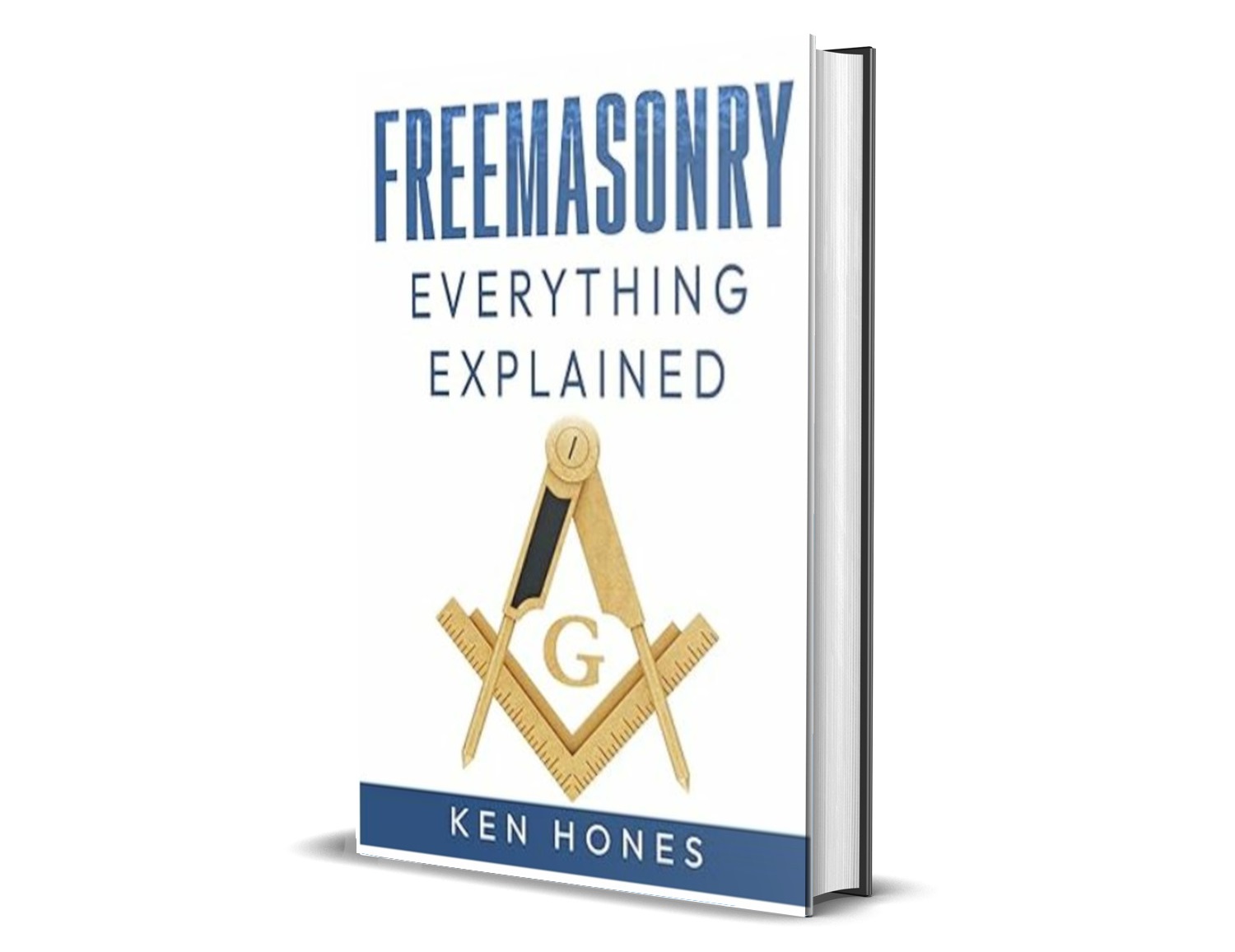
Secret Society or Society with Secrets: Unveiling the Truth
The human imagination is captivated by the unknown. Whispers of clandestine meetings, hidden agendas, and powerful groups operating in the shadows have fueled countless stories and conspiracy theories. This fascination often lumps all private organizations into one monolithic category: the secret society. Yet, a critical distinction exists, one that separates groups that hide their very existence from those that simply have private traditions.
Understanding this difference is key to navigating a world of misinformation. It is the difference between a conspiratorial cabal and a fraternal order. Many organizations, most notably Freemasonry, find themselves at the center of this confusion. They operate openly in our communities, yet the nature of their private practices leads many to ask what truly lies behind the veil of so-called Masonic secrets.
This exploration will demystify these terms. We will define what constitutes a true secret society versus a society with secrets. By examining the purpose, history, and public perception of such groups, we can move beyond sensationalism and toward a more accurate understanding of why some organizations choose to keep certain aspects of their community private.

What Defines a True Secret Society?
A true secret society is an organization whose existence is concealed from the general public. The primary characteristic is not just that they have secrets, but that the group itself is the secret. Their membership rolls, their ultimate objectives, their meeting locations, and their internal structure are all intentionally hidden from non-members and governmental authorities.
Historically, such groups often formed out of necessity. They might be political revolutionaries plotting to overthrow a government, persecuted religious sects practicing their faith in defiance of state law, or criminal enterprises seeking to operate outside legal frameworks. Secrecy for them is a shield, a vital tool for survival and the execution of their clandestine goals. If their existence were to become public knowledge, it would likely lead to their immediate dissolution or persecution.
Think of it this way: you cannot apply to join a true secret society. You cannot find their local headquarters in a phone book or online. Their influence, if any, is exerted from the shadows, and their members may go to extreme lengths to protect their anonymity. The entire structure is designed around concealment, making them fundamentally different from organizations that are publicly known.
The legendary Bavarian Illuminati, founded in 1776, is often cited as a classic example. While its historical influence is greatly debated and often exaggerated, its original intent was to operate in secret to oppose the power of the state and the church. Its membership and aims were not for public consumption, fitting the definition of a true secret society.

How is a Society with Secrets Different?
In stark contrast, a society with secrets operates in the open. The organization’s existence is public knowledge. They often have registered names, physical buildings, websites, and publicly acknowledged leaders. Members are typically free to disclose their affiliation, and the group may even actively recruit or advertise for new members.
So, where does the ‘secret’ part come in? The secrets of these societies pertain to their internal workings, not their existence. These may include specific rituals, symbolic ceremonies, modes of recognition like handshakes or passwords, and allegorical lessons taught to members. These elements are kept private to enhance the experience for initiates and to create a unique and cohesive bond among the membership.
A useful analogy is a family. Every family has its own private jokes, traditions, and stories that are not shared with the outside world. This privacy does not make the family a ‘secret family’; it simply defines part of their unique identity. Similarly, a corporation has proprietary information and trade secrets it protects to maintain a competitive edge. This does not make it a ‘secret corporation’.

Fraternal orders like the Freemasons, the Odd Fellows, or the Knights of Columbus fall squarely into this category. You can find their lodges and halls in towns and cities across the world. They participate in public charity events and their members are often respected figures in the community. The secrets they keep are about the method of their teachings, not a hidden agenda to control the world. The privacy is a tool for moral and philosophical instruction, not for public deception.

Why Does This Distinction Matter?
The distinction between a secret society and a society with secrets is more than just semantics; it is fundamental to understanding an organization’s intent and its relationship with the wider world. Conflating the two often leads to suspicion, prejudice, and the spread of damaging misinformation. The label ‘secret society’ carries a heavy, often negative, connotation.
This label implies a subversive or nefarious purpose. It suggests that the group’s goals are contrary to the good of the public, and that their secrecy is a means to hide illegal or unethical activities. When this label is misapplied to a public-facing fraternity, it unjustly paints them with the same brush as conspiratorial or criminal syndicates. This can have real-world consequences, affecting members’ reputations and the organization’s ability to perform its charitable and community-focused work.
Conversely, understanding a group as a society with secrets allows for a more nuanced and accurate perspective. It recognizes that privacy can serve legitimate and positive functions. For these groups, privacy fosters an environment of trust and introspection. It allows members to explore philosophical and ethical questions without fear of public ridicule or misinterpretation. The shared experience of private rituals and symbols strengthens the bonds of fellowship and reinforces the moral lessons being taught.
Ultimately, the distinction matters because it encourages critical thinking. It prompts us to ask why an organization is private. Is it hiding its existence to subvert society, or is it protecting its traditions to enrich its members? By asking this question, we can separate unfounded conspiracy from documented fact and engage with these organizations on a more informed and respectful basis.

Is Freemasonry a Secret Society?
This is perhaps the most frequent question asked about the world’s oldest and largest fraternity. Given the public’s fascination with its symbols and rituals, Freemasonry is often held up as the archetypal secret society. However, based on the definitions we have established, the answer is a clear no. Freemasonry is a society with secrets, not a secret society.
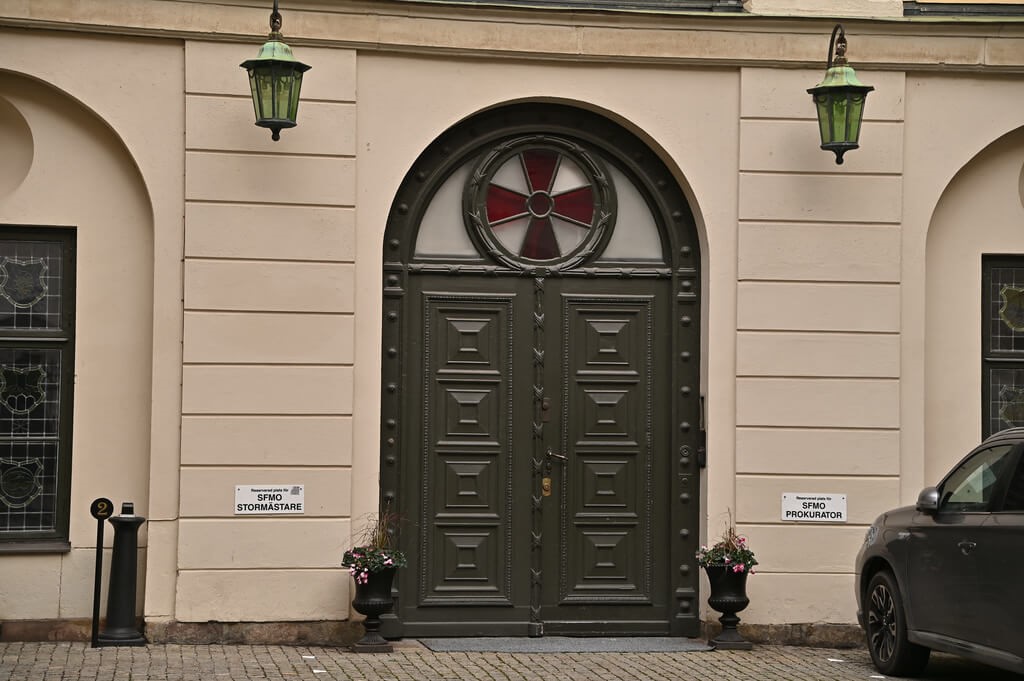
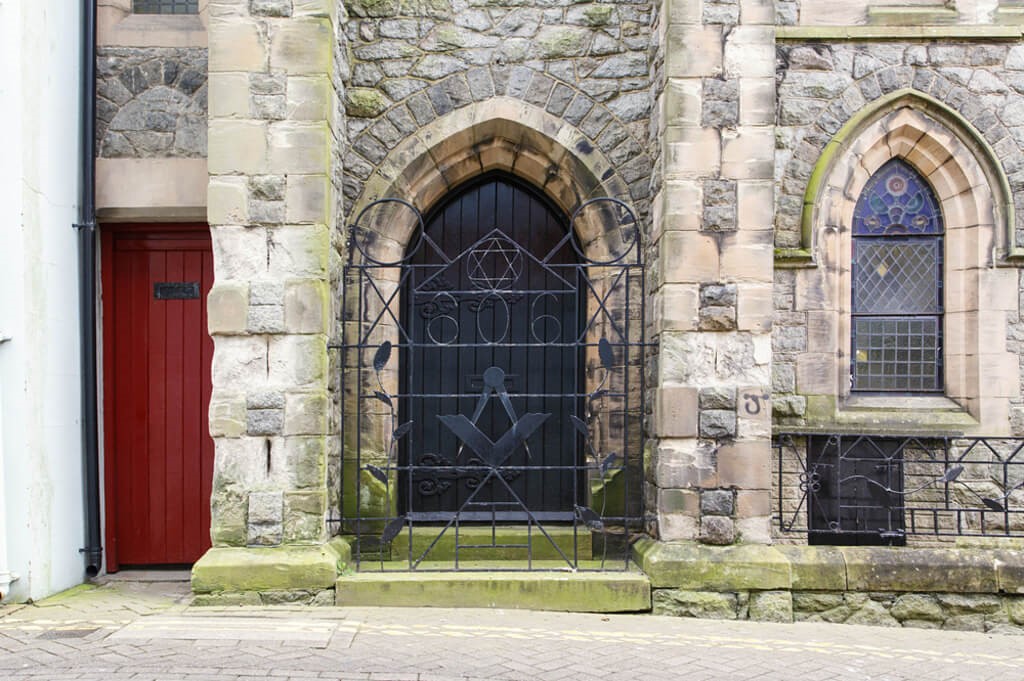
The evidence for this is abundant and easily verifiable. Masonic Lodges are listed in public directories and their buildings are often prominently marked with the Square and Compasses. Grand Lodges, the governing bodies of Freemasonry, maintain public websites, publish contact information, and are registered as non-profit entities. Freemasons are not forbidden from revealing their membership; in fact, many are proud of their affiliation and wear rings or other symbols to signify it.
The confusion arises from the fraternity’s private nature. The actual ceremonies of initiation and the specific modes of recognition between members are kept confidential. These are the ‘secrets’ of Freemasonry. But why? The purpose is not to conceal a sinister plot. Instead, it is to ensure that every new member experiences the ceremonies with a fresh and receptive mind, allowing the allegorical lessons to unfold with maximum impact. The privacy preserves the integrity and solemnity of the experience. Some critics, of course, maintain a different view, arguing that the level of privacy and the oaths involved qualify it as a secret society, a perspective that fuels ongoing debate.
To truly understand the fraternity, one must look at its stated purpose. The question of what is freemasons mean is central to this. At its core, Freemasonry is a system of morality, veiled in allegory and illustrated by symbols. It aims to take good men and help them become better husbands, fathers, and citizens through self-improvement and community service. The ‘secrets’, therefore, are teaching tools. For instance, a unique handshake is not a key to a secret chamber of power, but a symbolic reminder of a lesson learned in a degree ceremony. The use of coded language, such as a Masonic cipher code, was historically a method to protect the privacy of ritualistic work and communications between members, ensuring that only true initiates could understand them.
The allure of the unknown has made the fraternity a favorite subject in popular culture. The mystique is powerful, and there are countless quotes about secret society themes that borrow from Masonic lore to create drama and intrigue. This fictional portrayal, while entertaining, has done much to cement the inaccurate ‘secret society’ label in the public mind, overshadowing the fraternity’s actual work in charity and personal development.

What Are the Historical Roots of Organizational Secrecy?
The practice of maintaining secrets within a group is not a modern invention. It has deep historical roots stretching back to antiquity. Understanding this history helps contextualize why organizations like Freemasonry adopted practices of privacy. Many of these traditions evolved from practical needs rather than a desire for clandestine control.
In the ancient world, there were the mystery schools, such as the Eleusinian Mysteries of Greece or the cult of Mithras in the Roman Empire. These groups offered spiritual and philosophical teachings to initiates through secret rites. The secrecy served two purposes: it protected the sacredness of the knowledge from the profane and created a powerful, transformative experience for the participant. To reveal the secrets was a grave offense, as it diluted their spiritual potency.
Later, during the Middle Ages, stonemason guilds emerged across Europe. These were the direct predecessors of modern Freemasonry. These operative masons possessed valuable knowledge about geometry and structural engineering, which were essentially their trade secrets. To protect their livelihood, they developed private methods to identify fellow craftsmen, test their skills, and transmit their building techniques. A secret word or handshake proved you were a legitimate, trained mason, not an imposter trying to steal work. This was a practical form of quality control and professional protection.
During the Enlightenment in the 17th and 18th centuries, speculative Freemasonry began to flourish. It adopted the tools and symbols of the old stonemason guilds but applied them to moral and ethical teachings. In an age of intense political and religious strife, the privacy of the lodge room offered a safe haven. It was a place where men of different faiths and political leanings could meet as equals, bound by an obligation of tolerance and mutual respect. Secrecy protected them from the persecution that often accompanied free thought and open debate in the outside world. This historical context is a rich field of study, and academic analysis provides valuable insight into the evolution and history of secret societies and fraternal orders.
How Does Pop Culture Shape Our View of These Groups?
Popular culture, through novels, films, and television shows, has an immense influence on public perception. When it comes to societies with secrets, this influence has largely been one of sensationalism and misrepresentation. These groups are often depicted as shadowy cabals with immense power, secretly manipulating world events from behind the scenes.
Blockbuster movies and bestselling books frequently use organizations like the Freemasons or fictionalized versions of them as antagonists or as keepers of some world-altering secret. They weave intricate plots involving ancient conspiracies, hidden treasures, and a battle between good and evil fought in the shadows. This makes for thrilling entertainment but creates a deeply flawed public understanding of what these organizations are actually about.
The dramatic narrative requires conflict. Therefore, a society with secrets is almost always transformed into a true secret society for the sake of the story. Their private rituals are portrayed as sinister rites, and their symbols are reinterpreted as clues to a global conspiracy. The mundane reality of a group dedicated to charity, fellowship, and self-improvement is simply not as exciting as a plot to control the world.
This constant exposure to a fictionalized version of reality blurs the lines for many people. It becomes difficult to separate the dramatic inventions of a screenwriter from the historical and contemporary facts. The theme of secrecy can also be used in positive and creative ways. For example, the Secret Agent Society is a program that uses the fun and engaging theme of spies and secrets to help children develop emotional and social resilience. This demonstrates that the concept of ‘secrets’ is not inherently negative but is a tool that can be used for various purposes, from entertainment to education. However, in the context of fraternal orders, the dominant pop culture narrative remains one of unfounded conspiracy, which perpetuates the misunderstanding we have been discussing.
In the end, it is crucial to approach these topics with a discerning eye. We must recognize entertainment for what it is and seek out authentic sources of information to form our opinions. The real story of societies with secrets is often less dramatic but far more interesting and human than the fictions they inspire.
The distinction is clear. A secret society hides its very being, often for subversive ends. A society with secrets, like Freemasonry, is a known entity that uses privacy to protect its traditions and enhance the moral and philosophical journey of its members. The label we use matters, as it shapes perception and separates truth from unfounded speculation. By choosing to understand this difference, we move closer to the light of genuine knowledge.

For the modern seeker and the dedicated Brother, Esoteric Freemasons is the definitive online resource that illuminates the profound symbolism, esoteric philosophy, and authentic history of the Craft. We go beyond the surface to reveal the true light of Masonic knowledge.
Frequently Asked Questions
Is the Pigpen cipher still a secret used by Freemasons today?
The Pigpen cipher is no longer considered a secret and is not used for any secure or private communications by modern Freemasons. Its structure is widely documented in books, historical papers, and across the internet, making it easily decipherable by the general public. Today, it is regarded primarily as a historical artifact and a symbol of the fraternity’s rich heritage.
Within Freemasonry, the cipher’s primary function is now educational and symbolic, serving as a nostalgic link to the past. It may be used to decorate lodge documents, certificates, or commemorative items as a nod to tradition. For any actual private communication, Freemasons would rely on modern, secure encryption methods just like any other organization.

Why did the Freemasons use a cipher code in the first place?
The primary purpose of the Freemason cipher was to maintain privacy and protect the fraternity’s internal records, rituals, and correspondence. In the 18th century, when the cipher was most popular, it provided a simple yet effective way to keep lodge business confidential from the non-initiated public, or "profane." This was not for hiding illegal activities, but rather to preserve the symbolic lessons and moral teachings that are revealed progressively to members.
Beyond simple privacy, the cipher also served as an instructional tool that reinforced Masonic symbolism and tradition. Learning and using the code encouraged members to engage more deeply with the fraternity’s allegorical system. It acted as a shared, private language that helped foster a stronger sense of identity and brotherhood among Masons across different lodges.

Are there different versions of the Freemason cipher?
Yes, while the most common version of the cipher uses a standard tic-tac-toe grid and two X-shaped grids, several variations exist. The fundamental principle of using grid shapes to represent letters remains the same, but the key—the specific arrangement of letters within those grids—can be altered. A different key would render a message unreadable to someone who only knows the standard layout.

Furthermore, other similar substitution ciphers were used by related esoteric groups, sometimes leading to confusion. For example, the Rosicrucian cipher uses a single, more complex diagram to encode the alphabet, which is visually distinct from the Masonic Pigpen system. Historically, individual lodges or Masons could have created their own unique keys to ensure an even higher level of privacy for their specific communications.