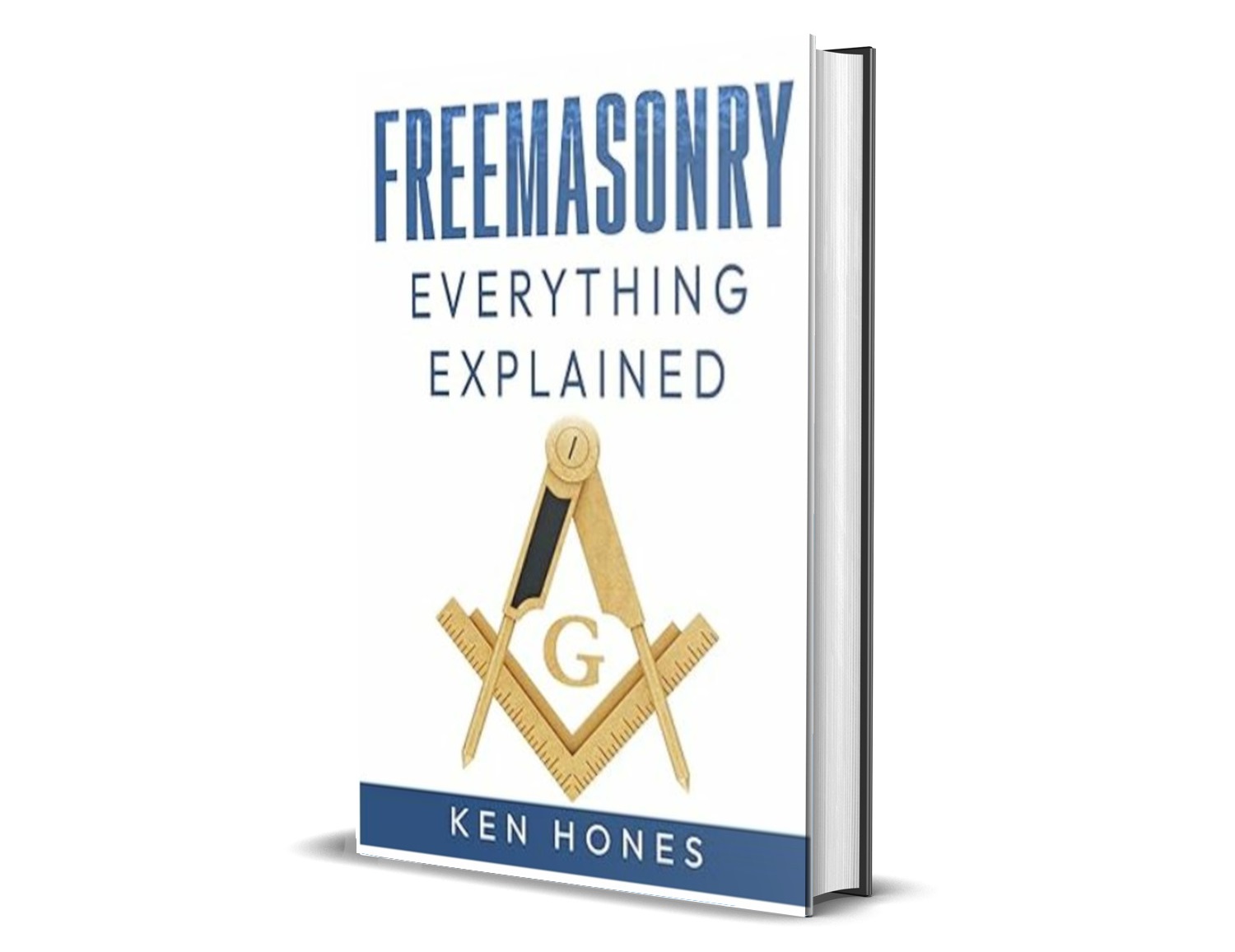
Unveiling Freemasonry in the United Kingdom
For centuries, the square and compasses have sparked curiosity, whispered speculation, and inspired profound dedication. This emblem, representing the world’s oldest and most renowned fraternal organisation, is particularly woven into the historical fabric of the United Kingdom. But beyond the myths and the mystique, what is Freemasonry really about? This guide serves as a comprehensive introduction, peeling back the layers of symbolism and history to reveal the genuine purpose and principles of Freemasonry as it exists today in the UK.
It is a journey not into a secret society, but into a society with secrets, one founded on the noble pursuit of making good men better. We will explore its origins on British soil, its core tenets, its charitable heart, and the path one might take to become a member. Prepare to look beyond the veil and understand the reality of this enduring brotherhood.

What is Freemasonry?
Freemasonry is one of the world’s oldest and largest non-religious, non-political, fraternal and charitable organisations. It is a society of men concerned with moral and spiritual values, founded on the three great principles of Brotherly Love, Relief, and Truth. Its primary purpose is to provide a framework for self-improvement and to foster a sense of community and mutual support among its members.
The structure of Freemasonry is designed to take a good man and provide him with the tools and environment to become a better version of himself. It is not a religion, nor is it a substitute for one. Instead, it requires its members to have a belief in a Supreme Being, yet it is open to men of all faiths, actively encouraging them to follow the principles of their own chosen religion.
Through a series of unique ceremonies, or allegorical plays, members are guided on a journey of self-discovery. These lessons, wrapped in symbolism derived from the tools of ancient stonemasons, encourage individuals to be more thoughtful, more charitable, and more conscious of their duties to their family, their community, and themselves.

What is the history of Freemasonry in the UK?
The history of modern Freemasonry in the UK begins officially in 1717, when four London lodges came together to form the first Grand Lodge of England. This pivotal event marked the transition from “operative” Masonry, practiced by literal stonemasons in medieval guilds, to “speculative” Masonry, which uses the tools and allegories of stonemasonry to teach a system of morality and philosophy.
The roots, however, go much deeper. Records of Masonic lodges in Scotland, such as the Lodge of Edinburgh (Mary’s Chapel) No. 1, date back to the late 16th century, making them among the oldest Masonic lodges in the world. These early lodges provided a space for craftsmen to regulate their trade, care for their sick, and support the widows and orphans of deceased members.
As the great era of cathedral building waned, these lodges began to accept men who were not stonemasons, known as “accepted” or “gentlemen” Masons. These new members were drawn to the moral philosophy, the camaraderie, and the charitable ethos of the lodges. Over time, this speculative element came to dominate, shaping Freemasonry into the philosophical organisation it is today.

How did the United Grand Lodge of England form?
The United Grand Lodge of England (UGLE) was formed in 1813 through the union of two rival Grand Lodges, the ‘Moderns’ and the ‘Antients’. This unification was a critical moment that consolidated Freemasonry in England and set the standard for many Grand Lodges around the world.
The first Grand Lodge, formed in 1717, became known colloquially as the ‘Moderns’. A few decades later, in 1751, a rival body was established, calling itself the ‘Antients’. They claimed that the Moderns had made innovations and departed from the ancient traditions of the Craft, a charge the Moderns denied.
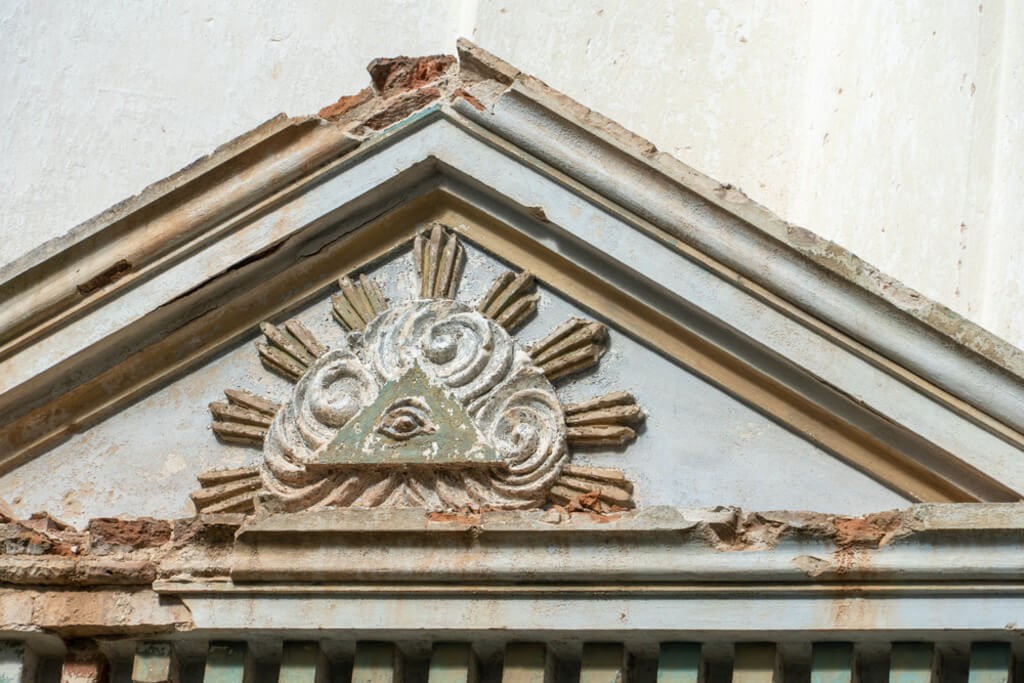
For over 60 years, these two Grand Lodges operated in parallel, often in competition. The path to reconciliation was long and complex, but it was ultimately achieved under the leadership of two royal brothers, the Duke of Sussex (Grand Master of the Moderns) and the Duke of Kent (Grand Master of the Antients). Their joint effort led to the Articles of Union in 1813, creating the single, unified body that governs Freemasonry in England, Wales, the Channel Islands, and the Isle of Man today.

Are there other Grand Lodges in the UK?
Yes, alongside the United Grand Lodge of England, the UK is home to the Grand Lodge of Scotland and the Grand Lodge of Ireland. Each of these Grand Lodges is sovereign and independent, governing Freemasonry within its own geographical jurisdiction.
While they operate separately and have their own unique histories, rituals, and administrative structures, they share the same core principles and tenets of Freemasonry. They exist in a state of “amity,” which means they formally recognise each other as legitimate Masonic bodies. This mutual recognition allows members from lodges under these different Grand Lodges to visit one another’s meetings, fostering a truly international sense of brotherhood.
Therefore, a Freemason from a lodge in London under UGLE can be welcomed as a Brother in a lodge in Edinburgh or Dublin, and vice versa. This network of independent yet interconnected Grand Lodges forms the bedrock of mainstream, regular Freemasonry across the British Isles and beyond.

What do Freemasons actually do in their meetings?
Freemasons conduct formal meetings, known as ‘Lodge meetings’, which involve administrative business, ceremonial rituals, and social gatherings. These meetings are held in a dedicated space called a Lodge room, which is set up in a specific way to reflect the symbolism of King Solomon’s Temple.
A typical meeting begins with a formal opening ceremony. This is followed by the administrative part of the evening, which includes reading the minutes of the previous meeting, discussing correspondence, voting on proposals, and managing the Lodge’s finances and charitable activities. It functions much like any other formal committee meeting.
The central part of some meetings is the performance of a Masonic ceremony. These are formal, scripted rituals used to admit a new member or to advance an existing member to a new stage, or ‘degree’, in their Masonic journey. After the formal Lodge meeting is closed, members typically gather for a dinner, known as the ‘Festive Board’, which is a time for socialising, building friendships, and enjoying the camaraderie of the fraternity.

What are Masonic rituals?
Masonic rituals are allegorical plays or ceremonies used to teach the moral and philosophical principles of the organisation. They are not religious services or acts of worship, but rather structured dramas in which members learn moral lessons through participation and observation.
Each ritual, or ‘degree’ ceremony, tells a story based on an allegory connected to the building of King Solomon’s Temple. The candidate for the degree is the central character in this play. Through the ceremony, he is introduced to specific symbols, moral teachings, and modes of recognition associated with that degree.
These ceremonies are learned by heart and performed by the officers of the Lodge. The use of drama and symbolism is designed to make a lasting impression on the candidate, encouraging him to reflect on his own character and his relationship with others. The aim is to impart valuable life lessons in a memorable and impactful way.

Is charity a major part of Freemasonry?

Yes, charity is a fundamental and distinguishing characteristic of Freemasonry, considered one of its three great principles alongside Brotherly Love and Truth. It is an essential part of Masonic life and a duty incumbent on every member.
In the UK, Freemasons are among the country’s most significant charitable givers. The Masonic Charitable Foundation (MCF) is the central charity for Freemasons in England and Wales. It provides a wide range of support, including financial assistance, healthcare, and family support, to Freemasons and their dependents who are in need.
However, Masonic charity extends far beyond its own members. The MCF and individual Lodges donate millions of pounds each year to non-Masonic causes and local community projects across the country. This includes funding for medical research, support for hospices, donations to disaster relief funds, and grants to countless local charities, demonstrating a firm commitment to the welfare of society as a whole.

What are the core principles of Freemasonry?
The core principles of Freemasonry are Brotherly Love, Relief, and Truth, which are instilled in every member from their very first day. These three tenets provide the moral foundation upon which the entire Masonic structure is built.
Brotherly Love refers to the care and respect that Freemasons are expected to show towards all people, but especially to their fellow Masons. It involves tolerance, kindness, and understanding, and it is about connecting with others on a human level, regardless of their background, faith, or station in life.
Relief, often understood as charity, is the principle of helping those in distress. This begins with a duty to support a fellow Mason or their family in times of need, but it extends to all of humanity. It is practiced through charitable giving and acts of service to the wider community. Truth represents the pursuit of knowledge and integrity, both intellectually and morally. It encourages Masons to be honest in all their dealings and to strive for a higher understanding of themselves and the world around them.

How does someone become a Freemason in the UK?
To become a Freemason in the UK, a man must first express his own interest in joining, as it is a long-standing tradition that individuals are not solicited for membership. The journey typically begins by approaching a local Lodge or making an enquiry through the website of the relevant Grand Lodge (UGLE, Scotland, or Ireland).
The traditional path is often expressed as “to be one, ask one.” If you know a Freemason, you can simply talk to him about your interest. If you do not know anyone in the fraternity, the provincial or national Grand Lodge websites provide clear pathways for expressing an interest. They will then put you in touch with a suitable Lodge in your local area.
Once contact is made, the process involves meeting with members of the Lodge, usually in an informal setting, so both parties can get to know each other. This ensures the candidate understands what Freemasonry is and that the members are comfortable he is a suitable person to join. If all goes well, a formal application and a ballot by the Lodge members will follow.

What are the requirements to join?
The requirements to join Freemasonry in the UK are straightforward and are centred on a man’s character rather than his wealth or social status. An applicant must be of good character, with a strong moral compass and a positive reputation in his community.

Generally, an applicant must be at least 21 years old, though in England and Wales, this can be 18 in certain circumstances, such as for university students. Crucially, a candidate must have a belief in a Supreme Being. Freemasonry does not define who or what that Supreme Being is, leaving it to the individual’s own conscience and faith.
Finally, a man must be joining of his own free will, without pressure from others. He should be motivated by a genuine desire for self-improvement, a wish to be part of a community, and a commitment to the principles of the organisation.

What is the process of joining?
The process of joining a Masonic Lodge is designed to be thorough and thoughtful for both the candidate and the Lodge members. After an initial expression of interest, the candidate will be invited to meet with a committee of Lodge members for an informal interview.
This interview is a two-way conversation. It allows the members to assess the candidate’s character and motivations, and it gives the candidate an opportunity to ask questions and ensure Freemasonry is right for him. He will be asked about his reasons for wanting to join, his understanding of the commitment involved, and his belief in a Supreme Being.
If the interview committee is satisfied, they will recommend his application to the Lodge. The candidate will then be formally proposed and seconded in an open Lodge meeting. At a subsequent meeting, all members of the Lodge will vote by a secret ballot. If the ballot is successful, the candidate will be informed and a date will be set for his initiation ceremony, where his Masonic journey will officially begin.

Why is Freemasonry so secretive?
Freemasonry is more accurately described as a private organisation rather than a secretive one. Its aims, principles, meeting places, and administrative structures are all publicly known. The names of its leaders are published, and it actively engages in public-facing charitable work.

The “secrets” of Freemasonry pertain to its traditional modes of recognition, such as specific handshakes and words, which are used within Lodge meetings. These are historical methods by which a Mason can prove he has been through the recognised ceremonies and is entitled to be there. They are a symbolic bond shared between members, not a conspiracy to hide nefarious activities.
The privacy of Lodge meetings allows members to engage in discussions and perform their ceremonies without public scrutiny or misunderstanding. This creates a safe and supportive environment where individuals can focus on the moral lessons and build strong, personal bonds of friendship and trust, free from outside pressures.

What are the Masonic secrets?
The Masonic secrets are limited to the traditional and symbolic methods by which members recognise one another. These are the signs, tokens (handshakes), and words associated with each of the three degrees of Craft Freemasonry.
These modes of recognition serve a historical and practical purpose. In centuries past, when literacy was not widespread, these methods were a way for a Mason travelling to a new town to prove his qualifications to other Masons and find work or assistance. Today, they serve as a symbolic reminder of a member’s shared experience and commitment.
These are the only secrets. The moral philosophy, the allegorical stories, the charitable aims, and the overall purpose of Freemasonry are not secret at all. They are openly discussed and are the subject of countless books, websites, and public documentaries. The focus is on a shared private experience, not on concealing public truths.

What are some common myths about Freemasons?
Due to its long history and private nature, Freemasonry has been the subject of numerous myths and conspiracy theories. These misconceptions often arise from a lack of information or from deliberate misinformation spread by its detractors over the centuries.
One of the most persistent myths is that Freemasonry is a secret society bent on world domination or creating a “new world order.” This is entirely false. Freemasonry is non-political and forbids the discussion of politics within its Lodges. Its purpose is individual self-improvement, not global control.
Another common myth is that Freemasons are expected to give preferential treatment to one another in business or law, a practice known as “undue preference.” This is strictly forbidden. While Masons are expected to help one another, this must never conflict with their duties to the law, their family, or their employer. Acting with integrity and fairness to all is a core Masonic teaching.

Are Freemasons a religion?
No, Freemasonry is not a religion, and it does not seek to replace or conflict with a member’s personal faith. It is a fraternal organisation that requires its members to hold a belief in a Supreme Being, but it does not tell them how to conceive of that being or how to worship.
Freemasonry has no specific theology, no sacraments, and does not offer a path to salvation. The ceremonies are moral plays, not religious services. In fact, discussions of sectarian religion are strictly forbidden in Lodge meetings to ensure harmony and tolerance among members of different faiths.
A Freemason’s religious duties are viewed as his own private concern. Freemasonry simply provides a shared moral framework and a community where men of different religions, such as Christians, Jews, Muslims, Sikhs, and others, can meet in peace and focus on their common values of integrity, charity, and respect.
Is Freemasonry connected to the Illuminati or New World Order?
No, there is absolutely no connection between modern Freemasonry and the Illuminati or any “New World Order” conspiracy. This is a popular but entirely fictional narrative, often propagated in novels, films, and online conspiracy forums.
The historical Bavarian Illuminati was a short-lived secret society founded in 1776 and suppressed by the Bavarian government less than a decade later. It had a distinct, radical political agenda and ceased to exist in the 1780s. It has no link to the mainstream, apolitical Freemasonry that has existed for over 300 years.
The idea that Freemasons are secretly plotting to control world governments is in direct opposition to their own rules, which prohibit the discussion of politics in Lodges. The organisation’s true focus is on charity, community, and personal development, not on any form of political or global intrigue.
Frequently Asked Questions

Can women be Freemasons in the UK?
Yes, women can be Freemasons in the UK, although they join their own separate Grand Lodges. The United Grand Lodge of England is a fraternity for men only. However, UGLE formally recognises two parallel Grand Lodges for women: The Honourable Fraternity of Ancient Freemasons (HFAF) and The Order of Women Freemasons (OWF). These organisations practice Freemasonry in a similar manner to UGLE, are considered regular in their practice, and the relationship is one of mutual respect and cooperation.

How much does it cost to be a Freemason?
The cost of being a Freemason in the UK varies depending on the specific Lodge and its location. There is typically a one-time initiation fee to cover administrative costs and regalia. Following this, members pay an annual subscription fee to the Lodge, which covers the cost of running the Lodge building, contributions to the Grand Lodge, and administrative expenses. A typical annual fee can range from around £150 to £300 or more, particularly in major cities like London. The cost of dining after meetings is usually separate.

Do Freemasons have a special handshake?
Yes, Freemasons use specific modes of recognition, including distinct handshakes, as part of their traditions. These are not for sinister purposes but are a historical method of proving one’s membership and rank within the fraternity. Each of the three degrees of Craft Freemasonry has its own unique handshake, or “token,” which is taught to a candidate during his ceremony. It serves as a symbolic key, demonstrating to other Masons that he has undergone the same shared experience.
Your journey into the world of Freemasonry has only just begun. What you have read here is the foundation, the public face of a deeply personal and rewarding path of self-discovery. But the true beauty of the Craft lies beyond the lodge room door, hidden within its rich allegories and profound philosophical teachings.
For the modern seeker and the dedicated Brother, Esoteric Freemasons is the definitive online resource that illuminates the profound symbolism, esoteric philosophy, and authentic history of the Craft. We go beyond the surface to reveal the true light of Masonic knowledge.
Explore our resources, delve deeper into the mysteries, and discover the wisdom that awaits the curious mind.