How to Become a Freemason: The Complete Step-by-Step Guide
For centuries, the quiet symbolism and profound brotherhood of Freemasonry have captured the imagination of the world. Men from all walks of life, from historical figures like George Washington and Benjamin Franklin to neighborhood leaders and everyday citizens, have walked its path. You may have seen the iconic Square and Compasses on a building or a car and wondered what it truly represents. This curiosity is the first step on a remarkable journey.
Contrary to popular fiction, Freemasonry is not a secret society plotting world events. It is better described as a ‘society with secrets’, a fraternity dedicated to self-improvement, moral philosophy, and charitable work. Its purpose is to take good men and help them become better: better fathers, husbands, sons, and citizens. The journey into Masonry is one of introspection, learning, and fellowship, available to those who seek it with a sincere heart.
This guide is designed to demystify that process entirely. It will serve as your map, providing clarity and direction on what can seem like an esoteric undertaking. We will illuminate the complete, step-by-step path of how to join a Masonic lodge, from your first spark of curiosity to the moment you are welcomed as a Brother. The door is not hidden, but you must be the one to knock.

What is Freemasonry Really About?
At its core, Freemasonry is a system of morality veiled in allegory and illustrated by symbols. It uses the tools and traditions of ancient stonemasons as metaphors for building a better self and a better society. The fraternity is founded upon the three great principles of Brotherly Love, Relief, and Truth. Brotherly Love is the care and respect Masons have for each other. Relief is the practice of charity, helping those in need, both within the fraternity and in the wider community. Truth is the ultimate goal, the pursuit of knowledge and moral excellence.
It is a space for men to connect on a deeper level, beyond the superficialities of daily life. In a world that can often feel isolating, the Masonic lodge provides a sanctuary of trust and mutual support. It is a place where a man’s character is his most valuable asset, and where discussions of politics and religion, which can be so divisive in the outside world, are traditionally left at the door to preserve harmony.

Who is Eligible to Become a Freemason?
Freemasonry has a set of foundational requirements, often called the ‘ancient landmarks’, that have remained consistent for centuries. While specifics can vary slightly between different Grand Lodge jurisdictions around the world, the core tenets are universal. The fraternity is not looking for a specific type of man, but for men of a specific character.
The first and most crucial requirement is a belief in a Supreme Being. Freemasonry is not a religion and prescribes no specific faith, but a candidate must profess this belief. How a man conceives of that Supreme Being, referred to in Masonic ritual as the Grand Architect of the Universe, is a matter for his own conscience.
Secondly, a candidate must be a man of good moral character. The fraternity is interested in your reputation in the community and your personal integrity. You are expected to be a law-abiding citizen who strives to do right by your family and your neighbors. This is a key part of the investigation process, which we will cover later.
Other requirements typically include being of a certain age, usually 18 or 21 depending on the jurisdiction, and joining of your own free will and accord. You cannot be coerced or solicited into joining. The decision must be yours alone. Answering the fundamental question of how do I become a Freemason begins with ensuring you meet these essential character-based qualifications.

How Do I Begin the Journey?
The traditional starting point is encapsulated in the Masonic phrase ‘To Be One, Ask One’, often abbreviated as 2B1ASK1. Since Masons do not recruit members, the initiative must come from the interested man himself. The first active step is to find a Masonic lodge and express your interest.

How do I find a local Masonic lodge?
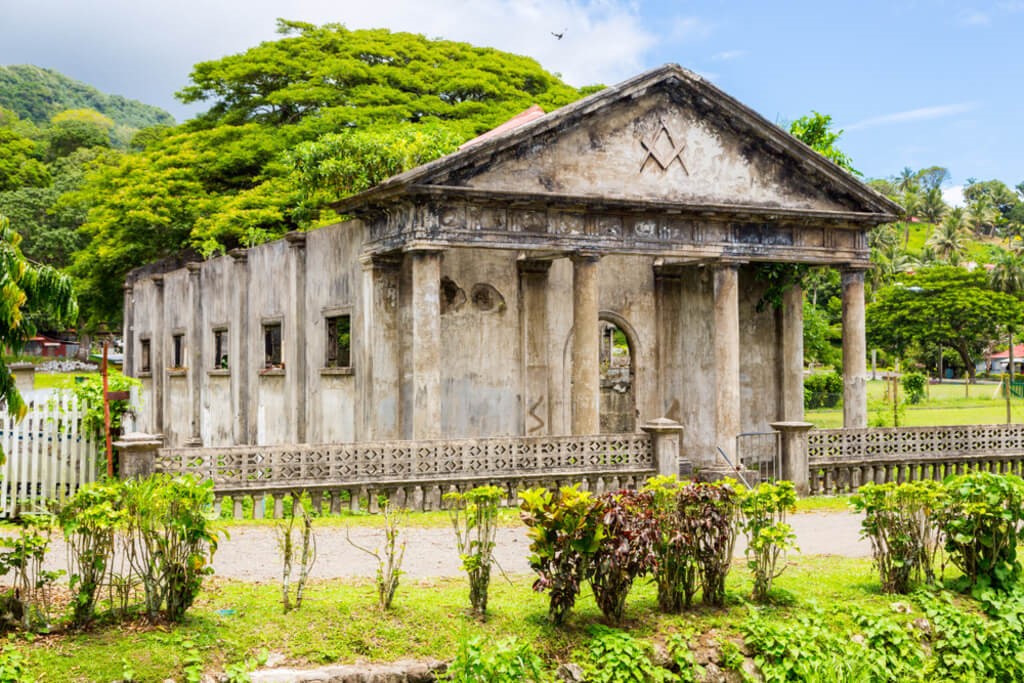
Finding a lodge is easier today than ever before. Many Masonic lodges have a public presence, with buildings often clearly marked with the Square and Compasses emblem. A simple online search for ‘Masonic lodge near me’ will likely yield several results. You can also visit the website of the Grand Lodge of your state or country. The Grand Lodge is the governing body for all the regular lodges in its jurisdiction, and their websites often have a lodge locator tool.
Once you have identified a few local lodges, take a look at their websites or social media pages if they have them. Some lodges meet in the morning, others in the evening. Some are more focused on philosophical discussion, while others might be more social. Finding a lodge whose culture feels like a good fit for you is an important part of the process. Exploring practical advice on how to join the Freemasons can give you a clearer picture of these initial outreach steps.

What happens when I contact a lodge?
When you reach out, whether by phone, email, or in person, you will typically be put in touch with the lodge’s Secretary or another designated member. They will be happy to answer your initial questions. The usual next step is an invitation to meet some of the members in an informal setting.
This might be a pre-meeting dinner, a social event open to the public, or simply a coffee with a few of the Brothers. This is a two-way street. It is an opportunity for you to ask questions, get a feel for the members, and see if the environment is one you would like to be a part of. It is also an opportunity for the members to get to know you on a personal level before you formally petition for membership.

What is the Petitioning Process Like?
After you have spent some time getting to know the members of a lodge and have decided you want to proceed, you will be given a petition. This is the formal application to join the fraternity. This step marks the transition from a casual inquirer to a formal candidate.

What is a Masonic petition?
A petition for the degrees of Freemasonry is a formal document. On it, you will provide your personal information, such as your name, age, occupation, and address. You will also be asked several questions to confirm you meet the basic requirements, including your belief in a Supreme Being and your reasons for wanting to join.
Typically, your petition must be signed by two or three Master Masons from the lodge you are petitioning. These are your sponsors. They are vouching for your character and formally recommending you to the lodge. This is why the initial period of getting to know the members is so important. These men must feel confident in putting their name to your application.

What is an investigation committee?
Once your petition is formally received by the lodge, the Worshipful Master, who is the elected leader of the lodge, will appoint an investigation committee. This committee usually consists of three members of the lodge who will be tasked with formally interviewing you. This may sound intimidating, but it is simply a confidential and respectful conversation.
The committee will likely arrange to meet with you at your home. Meeting in your home environment allows them to get a more complete picture of who you are. They will ask you questions about your life, your family, your work, and why you want to become a Freemason. It is an opportunity to ensure you are joining for the right reasons, such as a genuine desire for self-improvement and fellowship, rather than for business or personal gain. Many candidates seek out personal stories and online discussions about Masonic initiation to better understand what this phase entails.
What is the ballot?
After the investigation committee completes its work, they will submit a report to the lodge at a stated meeting. The members of the committee will give their recommendation regarding your petition. Following this report, a secret ballot is held among all the members of the lodge present at the meeting.

Each member casts a vote to either accept or reject your petition. The ballot box traditionally contains white balls, signifying an affirmative vote, and black cubes, signifying a negative vote. The process is secret to allow every member to vote their conscience without pressure. If the ballot is favorable, you will be notified by the lodge Secretary and a date will be set for the beginning of your Masonic journey: your initiation.

What are the Degrees of Freemasonry?
The core of Freemasonry is a series of three ceremonies, or degrees, that impart the fraternity’s moral and philosophical teachings. These are not academic degrees but stages of enlightenment. Each degree is a formal, ritualistic play in which you are the central candidate, learning symbolic lessons that you are meant to contemplate and apply to your life. The journey through the three fundamental Masonic degrees is a profound and transformative experience.

What is the Entered Apprentice degree?
This is the first degree and your formal initiation into the fraternity. As an Entered Apprentice, you are considered a beginner Mason. The ceremony introduces you to the foundational principles of the Craft. It focuses on the concepts of truth, morality, and the importance of a belief in a Supreme Being.
The ritual establishes the groundwork for your Masonic education, introducing you to the working tools of a stonemason as symbols for moral conduct. The symbolic Entered Apprentice ceremony is a solemn and meaningful experience that lays the foundation for everything that follows. After this degree, you are officially a Brother, but your journey has just begun. You will be expected to learn and demonstrate proficiency in the lessons of this degree before you can advance.

What is the Fellow Craft degree?
The second degree, Fellow Craft, represents a man in the middle stage of life, with a focus on education and the pursuit of knowledge. While the first degree emphasizes morality and origins, the second degree encourages the study of the liberal arts and sciences. It is a call to expand your mind and appreciate the intellectual wonders of the universe.
This degree builds upon the lessons of the Entered Apprentice, encouraging you to apply the principles of the Craft not just to your moral life, but to your intellectual life as well. It is a bridge between the foundational lessons of your initiation and the deeper philosophical concepts to come. As with the first degree, you must learn the lessons of the Fellow Craft degree and demonstrate proficiency to the lodge before proceeding.

What is the Master Mason degree?
The third degree is the culmination of ancient Craft Masonry, also known as Blue Lodge Masonry. The Master Mason degree is considered the highest degree in all of Freemasonry. It deals with the profound themes of loyalty, fidelity, and the allegorical lesson of mortality. It is a deeply moving and thought-provoking ceremony that brings all the previous teachings into sharp focus.
Upon becoming a Master Mason, you are a full member of the fraternity with all the rights and responsibilities that entails. You have the right to vote in lodge meetings, to hold an elected office, and to visit other Masonic lodges around the world. You have completed your initial journey, but you have also arrived at a new beginning, with a lifetime of Masonic light and learning ahead of you.

What Happens After Becoming a Master Mason?
Becoming a Master Mason is not the end of the road. For many, it is the true start of their Masonic life. You can now fully participate in your lodge’s activities, serve on committees, mentor new candidates, and work your way through the elected officer positions if you so choose. The real work of applying Masonic principles to your daily life is a continuous effort.
Furthermore, a Master Mason has the option to explore more Masonic knowledge through various appendant and concordant bodies. These are separate organizations that require a man to be a Master Mason before he can join. They are not ‘higher’ degrees, but rather different paths that expand upon the lessons of the first three degrees.
Popular appendant bodies include the York Rite, which presents its lessons in a chapter, council, and commandery structure, and the Scottish Rite. The Scottish Rite confers a series of degrees from the 4th to the 32nd, with an honorary 33rd degree. Each of these paths offers a unique system of philosophy and symbolism, and many Masons choose to explore them to deepen their understanding of the Craft. For those interested in this particular path, learning about the path to becoming a 4th Degree Mason is the first step into the Scottish Rite’s expansive world of learning.
Your journey as a Freemason is what you make of it. It is a personal quest for light, supported by a global brotherhood. For those seeking a complete overview on how to become a Freemason, the path is one of character, inquiry, and commitment.
Frequently Asked Questions

Is Freemasonry a religion? No. Freemasonry requires its members to have a belief in a Supreme Being, but it does not tell a man how he should conceive of that being or how he should worship. It is not a substitute for a man’s faith. Discussions of specific religious dogma are prohibited in the lodge to maintain harmony among members of different faiths.

How much does it cost to be a Freemason? There are one-time initiation fees for the three degrees, which vary by lodge. After that, there are annual dues to maintain your membership and support the lodge’s operations and charitable activities. The costs are generally very reasonable and are not intended to be a barrier to good men.

How much time commitment is required? A Masonic lodge typically has one or two stated business meetings per month. There may also be additional degree ceremonies, rehearsals, or social events. The level of commitment is largely up to the individual member. Some are content to simply attend meetings, while others become deeply involved in leadership and committee work.

Can women be Freemasons? Traditional, or regular, Freemasonry as recognized by the majority of Grand Lodges around the world is a fraternity for men only. However, there are separate but related organizations for the female relatives of Masons, such as the Order of the Eastern Star. There also exist some co-Masonic or women-only Masonic bodies, but they are not recognized as ‘regular’ by mainstream Grand Lodges.
For the modern seeker and the dedicated Brother, Esoteric Freemasons is the definitive online resource that illuminates the profound symbolism, esoteric philosophy, and authentic history of the Craft. We go beyond the surface to reveal the true light of Masonic knowledge.