The Veiled Language of the Craft: Unlocking the Power of Masonic Ritual
To the outside world, Freemasonry is often shrouded in an aura of mystery. Its ancient origins, private meetings, and symbolic language can seem impenetrable. At the heart of this mystique lies a practice that is both its most defining characteristic and its most misunderstood: ritual. Far from being a mere recitation of archaic words, Masonic ritual is a profound and sophisticated system of education, designed to convey deep moral and philosophical lessons through action, allegory, and ceremony.
This ceremonial practice is not about blind obedience to tradition. Instead, it is a dynamic and participatory form of learning that engages the entire person: mind, body, and spirit. The lessons of Freemasonry are not presented in a dry lecture but are experienced through a series of symbolic dramas. A candidate’s first encounter with this method is a powerful and transformative experience, designed to lay the foundation for a lifetime of learning. The journey begins with the Freemason first degree ritual, a ceremony that introduces the core principles of the Craft in a way that is both memorable and deeply personal.
At its core, Freemasonry is a system of morality, veiled in allegory and illustrated by symbols. This statement, familiar to every Mason, perfectly encapsulates the methodology. The power of Masonic ritual is its ability to bypass intellectual defenses and speak directly to the heart and the subconscious mind. It is a language of experience, and understanding this language is the key to unlocking the true purpose of the Craft: making good men better.

What Exactly Is a Masonic Ritual?
A Masonic ritual can be understood as a structured and repeatable ceremony with a specific purpose. It is a form of allegorical play in which the members of the Lodge are both the actors and the audience. Each ritual corresponds to a particular degree, or stage of Masonic learning, and serves to confer that degree upon a candidate while instructing all the brethren present.
These ceremonies are not religious services, though they are solemn and conducted with great reverence. The structure is precise, involving specific movements, spoken words, and the use of symbolic objects. This consistency is crucial. By participating in the same ritual that Masons have performed for centuries, a member feels a tangible connection to the past and a sense of unity with brethren around the world.
The act of memorizing and delivering parts of the ritual is a significant aspect of the experience. It is a mental discipline that requires focus and dedication. This effort ensures that the lessons are not passively received but are actively internalized by the participant. The shared effort of performing the ritual flawlessly also strengthens the bonds of fellowship within the Lodge, creating a collective experience that is greater than the sum of its parts.

Why Does Freemasonry Rely on Allegory?
Allegory is the engine of Masonic teaching. It is a story or narrative that can be interpreted to reveal a hidden meaning, typically a moral or philosophical one. Freemasonry’s central allegory is based on the building of King Solomon’s Temple, a grand project that required the coordinated effort of thousands of skilled craftsmen.
This story provides a rich and detailed framework for exploring complex ideas about life, morality, and personal development. The candidate, in his ritualistic journey, is symbolically put in the place of a stonemason working on this magnificent structure. His own life becomes the ‘rough ashlar’, a rough stone that he must learn to shape and perfect into a ‘perfect ashlar’ fit for the temple.
Using allegory makes abstract concepts tangible and relatable. It is easier to grasp the importance of integrity, diligence, and skill when they are presented through the practical example of building a physical structure. The narrative engages the imagination, allowing the lessons to sink in more deeply than if they were simply stated as rules or commandments. Allegory invites contemplation, encouraging each Mason to find his own personal meaning within the shared story.

How Do Symbols Function Within These Rituals?
If allegory is the story, then symbols are its vocabulary. Masonic rituals are saturated with symbolism, drawing from stonemasonry, geometry, classical philosophy, and sacred texts. These symbols are not arbitrary decorations; they are tools for thought, each one packed with layers of meaning.

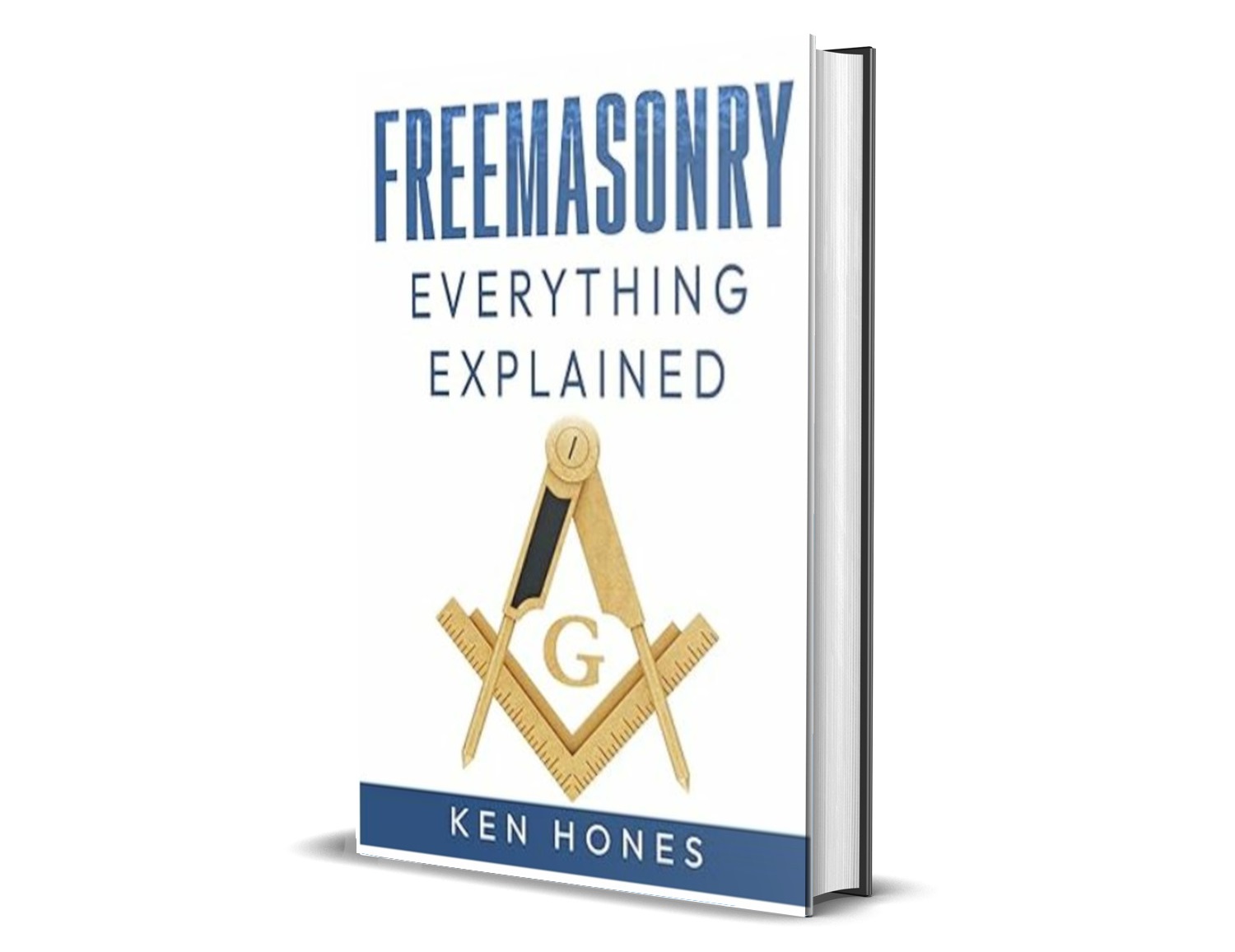
The most recognizable free masons emblem is the Square and Compasses. To an operative stonemason, these are tools for ensuring accuracy and creating perfect forms. To a speculative Mason, the square is a reminder to square his actions by the square of virtue, and the compasses teach him to circumscribe his desires and keep his passions within due bounds. Every object presented in the Lodge, from the positioning of the furniture to the tools used by the officers, has a similar dual meaning.
This symbolic language is universal within the Craft, allowing Masons from different cultures and who speak different languages to understand one another on a deeper level. The symbols serve as constant, visible reminders of the principles a Mason has sworn to uphold. They are a shorthand for complex ethical concepts, prompting introspection and guiding behavior both inside and outside the Lodge. The rich tapestry of Masonic ritual and symbolism provides a lifetime of study and contemplation for those who wish to delve into its meanings.

What Is the Psychological Impact of Ceremony?
The ceremonial aspect of Masonic ritual is crucial to its effectiveness. A Lodge meeting is not like an ordinary club meeting. The room is arranged in a specific way, members wear aprons and other regalia, and the proceedings follow a formal, prescribed order. This creates what sociologists call a ‘liminal space’, a place that is set apart from the ordinary, mundane world.
Entering this space helps to shift the mindset of the participants. The formalities, the solemnity, and the ancient language signal that something important is happening. This heightened state of awareness makes individuals more receptive to the lessons being presented. The sensory experience of the ritual, the sights, sounds, and choreographed movements, helps to impress the teachings upon the memory and the subconscious.
This process is a powerful form of psychological conditioning, but in a positive sense. It aims to build habits of moral reflection and ethical conduct. By repeatedly participating in ceremonies that champion truth, honor, and charity, these virtues become more deeply ingrained in a Mason’s character. The ritual acts as a focusing lens, concentrating the mind on the task of self-improvement in a way that is difficult to achieve in the distracting environment of daily life.

Can Ritual Transform a Person?
The ultimate goal of Masonic ritual is personal transformation. The entire system is designed to guide a man on a journey of self-discovery and self-improvement. It is not about receiving secret knowledge that magically makes one a better person. Rather, it is about providing a framework, a set of tools, and a supportive environment for doing the hard work of building one’s own character.
The progression through the degrees of Freemasonry mirrors this transformative journey. Each degree presents new challenges, new lessons, and new symbols to contemplate. The journey begins in symbolic darkness and moves progressively toward more light, representing the gaining of knowledge and wisdom. This is not a passive process; the candidate must demonstrate his proficiency and understanding before he can advance.
This structured path of development encourages a man to confront his own flaws, to consider his duties to his family, his community, and humanity, and to strive for a higher standard of conduct. The lessons embedded in the ritual provide a moral compass to navigate the complexities of life. This is the true purpose and power of Freemasonry: to provide a proven system for personal growth, making the individual not only a better man but also a more valuable member of society.

Does Ritual Extend Beyond the Lodge Room?
While the ceremonies themselves are confined to the Lodge, their influence is intended to extend into every aspect of a Mason’s life. The lessons of the square, the level, and the plumb are not meant to be left behind when the apron is taken off. They are practical guides for daily living: to be fair and honest in all dealings, to treat everyone with equality and respect, and to live an upright and moral life.
This application of Masonic principles is perhaps most visible in times of great significance, such as at the end of life. Masonic funeral services are a powerful example of ritual extending beyond the Lodge. These are not secret ceremonies but are often public services conducted at the request of a deceased brother or his family. They offer comfort to the grieving and pay tribute to the life of the departed brother.

The words spoken are carefully chosen to reflect Masonic philosophy on life, death, and the immortality of the soul. Understanding what do Masons say at a funeral reveals a focus on a brother’s virtues and his contributions to the world. The specific Masonic rites funeral proceedings, like the symbolic dropping of a sprig of acacia into the grave, are rich with meaning, offering a final, poignant lesson on fidelity and the hope of a life to come. It demonstrates that the bonds of brotherhood and the principles of the Craft are meant to support a man and his family through all of life’s trials.

Is There a Deeper, Esoteric Layer to the Rituals?
For many Masons, the moral and ethical lessons of the ritual are just the beginning. Beneath the surface lies a deeper, esoteric dimension, a path of spiritual and philosophical inquiry. The term ‘esoteric’ simply refers to knowledge that is intended for a smaller, more specialized group who are ready to understand it. In Masonry, this means exploring the more profound meanings of the symbols and allegories.
This esoteric path delves into questions about the nature of the self, the universe, and one’s relationship with the divine, which in Masonic terms is referred to universally as the Great Architect of the Universe. The rituals can be interpreted as a guide to inner alchemy, the process of refining the soul and achieving a higher state of consciousness or enlightenment. The journey from darkness to light becomes a metaphor for the soul’s journey toward ultimate truth.
This is not a dogmatic religious path. Freemasonry welcomes men of all faiths and requires only a belief in a Supreme Being, leaving the specific nature of that belief to the individual’s conscience. The esoteric side of Freemasonry uses the shared language of symbolism to explore universal spiritual concepts. It is a system that masterfully blends myth, magic, both philosophy and symbolism to create a unique path for self-discovery. This exploration of the inner self is a key reason why the power of ritual in self-development is so potent and has captivated thinkers for centuries.
The power of Masonic ritual, therefore, is its incredible versatility. It operates on multiple levels simultaneously. It is a moral education, a fellowship builder, a psychological tool, and a path for spiritual inquiry. It is a language of doing and being, not just of hearing and reading. Through the timeless power of allegory and ceremony, Freemasonry continues to offer a profound and relevant system for anyone seeking to build a better life, one symbolic stone at a time.
Frequently Asked Questions

Why is there such a strict "word-perfect" standard in Emulation ritual?
The primary goal of the "word-perfect" standard is to ensure absolute uniformity and preserve the integrity of the ceremony. This approach guarantees that every Mason undergoing the degree experiences the exact same ritual, regardless of which lodge they are in or who is performing the ceremony. This consistency creates a powerful shared experience that connects brethren across different lodges and even generations, removing personal interpretation and making the timeless ritual the central focus.
Furthermore, this disciplined practice is considered a valuable Masonic labor in itself, teaching focus, diligence, and respect for the traditions passed down. By memorizing the precise wording, a Mason engages deeply with the language and its embedded symbolism, preventing the allegorical lessons from being diluted or altered over time. It ensures the ceremony remains a pure and unaltered vehicle for Masonic instruction.

What is the role of a Lodge of Instruction in learning the Master Mason Emulation ritual?
A Lodge of Instruction (LoI) is a dedicated meeting held outside of a formal lodge summons, specifically for the purpose of rehearsing and perfecting ritualistic work. It serves as the primary training ground where Masons can practice their respective roles in a supportive and educational environment without the pressure of a live ceremony. The LoI provides a safe space to make mistakes, ask questions, and receive constructive feedback from more experienced members.
Under the guidance of a Preceptor, or senior instructor, attendees work through the ceremonies piece by piece, focusing on precise wording, floor movements, and timing. This hands-on coaching is the cornerstone of the Emulation system, as it relies on oral transmission rather than written ciphers to pass on the ritual accurately. The LoI is therefore essential for maintaining the high standard of uniformity that defines the Emulation working.

How does the Master Mason Emulation working differ from rituals common in the United States?
The most significant difference lies in the method of learning and the style of presentation. The Emulation working, prevalent in England and the Commonwealth, strongly emphasizes oral tradition, with Masons learning the ritual by heart through repetition and instruction, often without the aid of written ciphers. In contrast, most American jurisdictions use rituals derived from the Preston-Webb working, which are commonly learned and checked against official, coded cipher books.

This fundamental difference leads to a variance in delivery; Emulation ritual is known for its standardized, precise, and less theatrical presentation, focusing purely on the text. American rituals often allow for more individual dramatic interpretation and can have significant variations in floor work and wording from one Grand Lodge jurisdiction to another. Consequently, an American Mason may find the Emulation ceremony more uniform and reserved, while an Emulation Mason may find the American ceremony more varied and expressive.
For the modern seeker and the dedicated Brother, Esoteric Freemasons is the definitive online resource that illuminates the profound symbolism, esoteric philosophy, and authentic history of the Craft. We go beyond the surface to reveal the true light of Masonic knowledge.