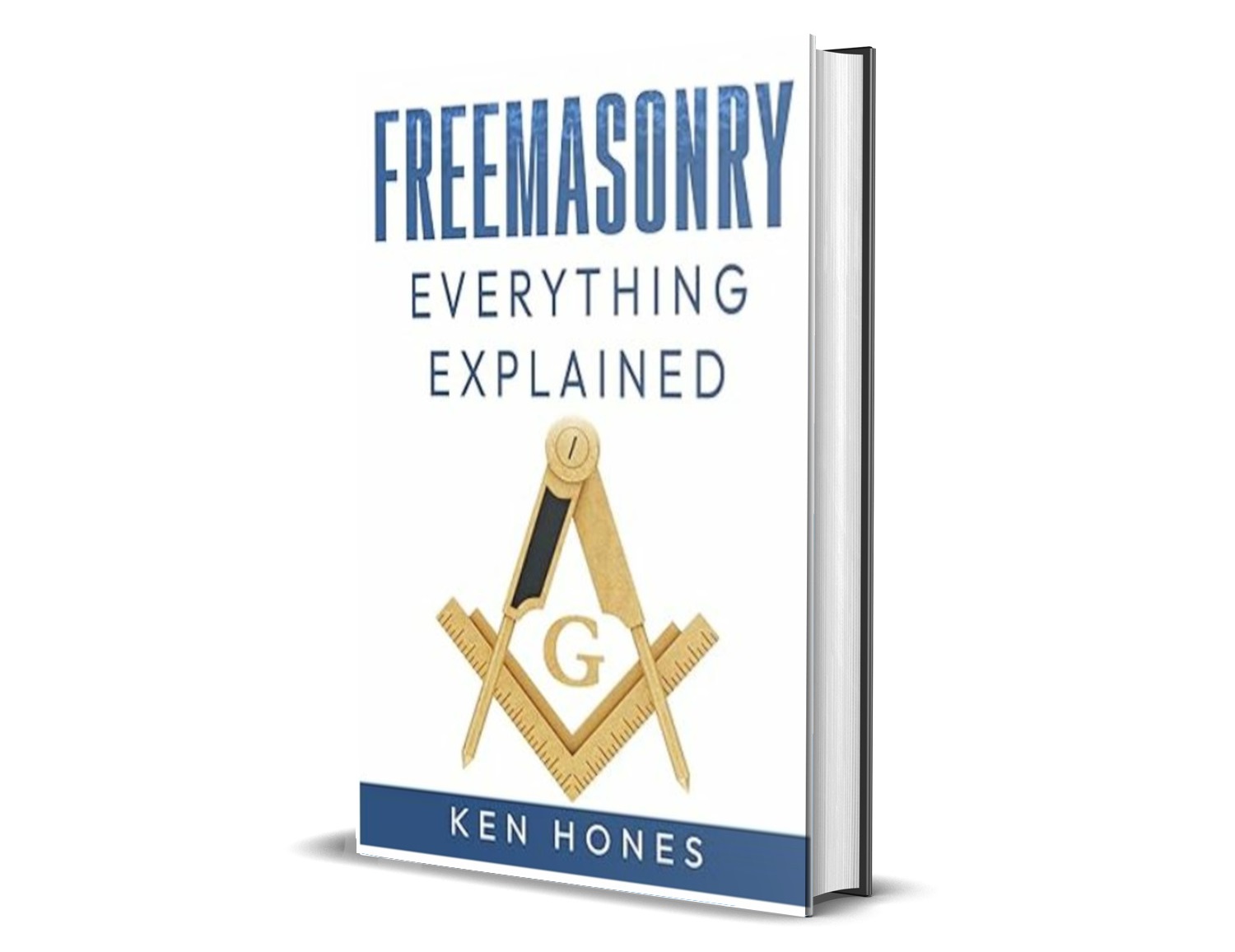
Inside the Masonic Club: Unveiling the World of Freemasonry
People often search for the term “Masonic Club,” and it’s an understandable starting point. We see stately buildings with the square and compasses, hear whispers of a brotherhood, and naturally frame it within a context we know, a club. It conjures images of gentlemen gathering in wood-paneled rooms, sharing stories and a sense of community. While those elements of fellowship certainly exist, to call Freemasonry a club is like calling the ocean a pond. It captures a sliver of the truth but misses the vast, profound depth that lies just beneath the surface.
Freemasonry is not a club, it is a Craft. It is a fraternity, a brotherhood, and a system of morality veiled in allegory and illustrated by symbols. It is an organized, centuries-old pursuit of self-knowledge and personal growth. This journey is about taking a good man and providing him with the tools, the fellowship, and the philosophical framework to become a better man, a better husband, a better father, and a better citizen. This exploration will guide you from the familiar idea of a club into the true, intricate, and inspiring world of a Masonic Lodge.

What is a Masonic Lodge?
A Masonic Lodge is the fundamental unit of Freemasonry, representing both the physical building where Masons convene and, more importantly, the chartered group of men who are its members. It is the sanctuary where the work of the Craft is performed, a space set apart from the profane world for the sacred purpose of enlightenment and brotherhood.
Think of it as the local chapter of a global fraternity. Each Lodge has a unique name, number, and character, yet all operate under the jurisdiction of a larger regional body, typically a Grand Lodge for a specific state, province, or country. The Lodge is the heart of the Masonic experience. It is where a man petitions to join, where he receives the degrees, and where he forms the lifelong bonds that define the fraternity.
The physical space of a Lodge room is itself a silent teacher, rich with symbolism. Its layout is typically oriented from east to west, mirroring the path of the sun, a symbol of light and knowledge. An altar stands at its center, upon which rest the Volume of the Sacred Law, the Square, and the Compasses, collectively known as the Three Great Lights of Masonry. Chairs are arranged for the Lodge’s officers, each with a specific role and responsibility in orchestrating the group’s activities, much like the master builders and overseers on a construction site. This is no ordinary meeting hall, it is a temple dedicated to self-improvement.

Is Freemasonry Just a Social Club?
No, Freemasonry is not just a social club, although fellowship and camaraderie are vital aspects of its character. It is a fraternity whose primary purpose is the moral, intellectual, and spiritual development of its members.
While organizations like the Rotary or Lions Club are primarily focused on community service, and others like the Elks or Moose Lodge are centered heavily on social activities, Freemasonry’s core mission is internal. Its central aim is to provide a framework for self-betterment. The social functions, such as dinners, family picnics, and festive gatherings, are not the purpose itself but rather the welcome result of men working together toward a common, noble goal. These events strengthen the bonds of brotherhood, creating a supportive network that extends far beyond the Lodge room walls.
The famous Masonic motto, "making good men better," encapsulates this distinction perfectly. The fraternity does not claim to make bad men good, it seeks out men of good character and offers them a pathway to further refine their principles. It uses age-old allegories and symbolic lessons, drawn from the tools and traditions of the medieval stonemasons, to encourage introspection and virtuous living. The social element is the glue that holds the structure together, but the structure itself is a school of moral science.

What Happens During a Lodge Meeting?
A typical Masonic Lodge meeting is a structured affair that blends administrative duties, timeless ritual, and educational enrichment. These gatherings, known as "stated meetings," follow a formal agenda that ensures order, reverence, and purpose.
A meeting begins and ends with a formal ritual ceremony. This isn’t a religious service, but a symbolic opening and closing that sets the Lodge’s work apart from the outside world. It reminds the members of their shared values and the principles they are there to practice. Following the opening, the Lodge conducts its regular business. This can include reading the minutes of the previous meeting, managing the Lodge’s finances, discussing communications from the Grand Lodge, and planning upcoming charitable events or social functions.

A significant part of many meetings involves voting on petitions from men seeking to join the fraternity or advancing members through their degrees. The most distinctive part of Masonic gatherings, however, is the "work" itself. This can be the conferral of a degree, which is a dramatic, allegorical play in which the candidate is the central character, learning moral lessons through participation. Alternatively, a meeting might feature an educational presentation, where a member delivers a lecture on Masonic history, symbolism, philosophy, or the practical application of its virtues in daily life.
After the formal meeting is closed, many Lodges will retire to a separate dining hall for a meal, often called a "festive board" or collation. This is where the more relaxed, social side of the "Masonic Club" idea comes to life. It is a time for conversation, laughter, and strengthening the personal connections that are the bedrock of the fraternity. Here, Masons from all walks of life, from plumbers to professors, break bread as equals, fostering a unique and powerful sense of community.

Who Can Join a Masonic Lodge?
To be eligible to join a mainstream Masonic Lodge, a man must meet a set of foundational requirements that have been consistent for centuries, chief among them being of good moral character, of a mature age, and holding a belief in a Supreme Being.
These prerequisites are often summarized by the ancient phrase that a candidate must be "a man, freeborn, of lawful age, and well-recommended." In modern terms, "a man" reflects the fraternity’s traditional, gendered nature. "Freeborn," which once referred to not being a slave or bondsman, today signifies that a man is joining of his own free will and accord, without coercion or for improper financial or social gain. "Lawful age" typically means 18 or 21, depending on the specific Masonic jurisdiction.
"Well-recommended" means that the petitioner has a good reputation in his community. The fraternity is not a reform school, it seeks men who are already respected for their integrity. The most crucial requirement, however, is a belief in a Supreme Being. Freemasonry is not a religion and does not demand allegiance to any particular faith, but this prerequisite establishes a common ground for morality and solemn obligation. A man’s specific faith, be he Christian, Jewish, Muslim, Hindu, or otherwise, is his own private affair.
The process of joining is also unique. Unlike many organizations, Masons do not actively recruit new members. A man must initiate the process himself, living up to the maxim, "to be one, ask one." He must approach a Mason he knows and express his interest. He will then be given a petition to fill out, which is read in Lodge. A small committee is formed to interview the candidate and his references, ensuring he meets the qualifications and understands the nature of the fraternity. Finally, the members of the Lodge vote by secret ballot to accept or reject his petition. This careful, deliberate process ensures that new members are a good fit for the Lodge and are joining for the right reasons.

What is the Real Purpose of this “Masonic Club”?
The true and profound purpose of Freemasonry is to provide its members with a structured and symbolic system for building a better life, guided by the principles of Brotherly Love, Relief, and Truth. It uses the allegories of the ancient stonemasons, who built physical cathedrals, to teach modern men how to build their own internal, spiritual temple of character.
This is the very essence of "making good men better." The entire Masonic system is a journey of self-discovery and self-improvement. It uses ritual, symbolism, and fellowship as the means to an end, and that end is a more virtuous, enlightened, and impactful man. This purpose is built upon three great pillars.
Brotherly Love is the principle of tolerance and kindness. It teaches Masons to regard the entire human species as one family and to practice respect and understanding toward all, but especially toward their fellow Masons. It is the foundation of the Masonic community, creating a safe harbor where men can be vulnerable, supportive, and united despite differences in profession, politics, or creed.
Relief is the Masonic term for charity. It manifests in many forms, from assisting a brother who has fallen on hard times to supporting his widow and orphans. It also extends to the wider community through massive philanthropic efforts, like the Shriners Hospitals for Children, Scottish Rite dyslexia centers, and countless local scholarships, food drives, and community projects funded and run by Lodges around the world.

Truth is the ultimate aim, representing the pursuit of knowledge in all its forms, especially moral and divine truth. It is a quest for integrity, for living a life that is honest, upright, and in harmony with one’s personal and spiritual values. Freemasonry does not give a man the truth, but it gives him the tools to search for it himself. It encourages a lifelong commitment to learning, reflection, and the courageous application of one’s principles in the world.

What are Masonic Degrees?
Masonic Degrees are the progressive stages of initiation into the fraternity, presented as a series of allegorical plays or ceremonies in which the candidate is a participant. Each degree uses symbolism and storytelling to impart specific moral and philosophical lessons that build upon one another.
In what is known as Craft or "Blue Lodge" Masonry, there are three degrees: Entered Apprentice, Fellow Craft, and Master Mason. They are not ranks to be achieved, but rather steps in a continuous journey of personal enlightenment. Each degree corresponds to a stage in the life and development of the ancient stonemasons and, by analogy, to the stages of a man’s own life.
The Entered Apprentice degree is the first step. It is concerned with beginnings, birth, and the dawning of moral and intellectual light. Its lessons focus on the importance of secrecy, obedience to conscience, and the need for a solid foundation upon which to build one’s character. The candidate is presented with the basic working tools of a stonemason and taught their symbolic use in subduing his passions and improving himself.
The Fellow Craft degree represents the stage of manhood and the pursuit of knowledge. It encourages the study of the liberal arts and sciences, emphasizing the importance of reason, intellect, and diligent labor in shaping a well-rounded life. It is a call to be a productive and informed member of society, using the knowledge gained to contribute to the world and to one’s own development.
The Master Mason degree is the culmination of Craft Masonry and is considered its masterpiece. It deals with the profound themes of maturity, mortality, fidelity, and the triumph of the human spirit. Its central allegory teaches the importance of integrity, even in the face of adversity and death, and provides the member with a powerful lesson in faith and immortality. Upon becoming a Master Mason, a man is a full member of the fraternity, with all the rights and responsibilities that entails.

Is Freemasonry a Secret Society?
Freemasonry is more accurately described as a society with secrets, not a secret society. This is a critical distinction. A truly secret society would conceal its very existence, its membership, and its locations, operating entirely in the shadows.
Freemasonry does none of these things. Masonic Lodges are clearly marked buildings, often prominent landmarks in their communities. Grand Lodges maintain public websites with contact information and historical details. Masons frequently identify themselves by wearing rings or other emblems with the square and compasses. Its existence is an open fact, and its charitable works are a matter of public record.
The "secrets" of Freemasonry pertain to its internal modes of recognition, such as specific handshakes, words, and signs, and the detailed allegorical content of its degree rituals. There are several reasons for this privacy. First, it preserves the unique experience for new candidates. To learn the lessons of the degrees by reading about them would spoil the profound personal impact of experiencing them firsthand. Second, the requirement to keep these things private is an early test of a man’s character and his ability to keep a solemn promise.
Finally, these shared, private experiences are a powerful bonding agent. They create a common language and a unique connection that unites Masons across the globe, regardless of their native tongue, culture, or station in life. The secrets are not about hiding nefarious plots, they are about protecting the integrity of a deeply personal and shared educational journey.

What are the Benefits of Joining a Masonic Fraternity?
The primary benefits of joining Freemasonry are deeply personal and multifaceted, encompassing a structured path for self-improvement, a powerful sense of community and brotherhood, and meaningful opportunities for service and leadership.
The most profound benefit is personal growth. Freemasonry is a laboratory for the soul. It forces a man to ask himself difficult questions about his own character, his values, and his purpose. Through its rituals and educational programs, it provides a time-tested curriculum for developing virtues like integrity, honesty, compassion, and self-control. It also provides a safe environment to practice skills like public speaking, mentorship, and financial management through service as a Lodge officer.
Another immense benefit is the brotherhood. In an increasingly isolated world, the Masonic Lodge offers a genuine community. It is a diverse group of men who might otherwise never meet, united by a shared commitment to a higher purpose. This creates lifelong friendships and a reliable support network that a man can count on in times of both celebration and crisis. This brotherhood is global, a Mason who is traveling can find a warm welcome in a Lodge almost anywhere in the world.
Furthermore, Freemasonry provides a powerful outlet for service. The principle of Relief is put into practice through organized charitable efforts, giving members a tangible way to make a positive impact on their communities. Finally, there is the benefit of connecting to a rich history. To become a Mason is to walk in the footsteps of figures like George Washington, Benjamin Franklin, Wolfgang Amadeus Mozart, and Winston Churchill. It is to become a link in an unbroken chain of men who, for centuries, have sought to build a better world by first building better versions of themselves.
Frequently Asked Questions

Is the Masonic Club a religion?
No, it is a fraternity, not a religion. While a belief in a Supreme Being is a prerequisite for membership, Freemasonry does not offer a system of theology or a path to salvation. It is open to men of all faiths and its rules forbid religious dogma from being discussed in the Lodge, preserving it as a place of universal brotherhood.

Are the Freemasons trying to take over the world?
No, this is a persistent myth born from centuries of conspiracy theories and has no basis in reality. Freemasonry’s foundational principles explicitly prohibit the discussion of sectarian politics and religion within the Lodge. Its focus is entirely on individual morality, charity, and self-improvement, not on controlling governments or institutions.


Why do you not allow women to join?
Traditional Freemasonry maintains its character as a fraternity for men, a structure that originates from the all-male stonemason guilds of the Middle Ages. However, it is important to recognize that there are many parallel organizations within the wider Masonic family, including appendant bodies that welcome women, as well as separate and independent Masonic obediences that are exclusively for women or are co-ed.

How much does it cost to be a member?
The cost of being a Freemason varies widely depending on the specific Lodge and its location. There is generally a one-time initiation fee that covers the cost of the three degrees. Following that, members pay annual dues which are used to cover the Lodge’s operating expenses, such as building maintenance, charitable donations, and administrative costs for the Grand Lodge.
The journey from seeing Freemasonry as a simple "club" to understanding it as a profound path of self-discovery is the first true step for any seeker. The symbols on the door are merely an invitation, the real treasures lie within the temple of the self, waiting to be illuminated.
At Esoteric Freemasons, we are dedicated to unveiling the authentic philosophy and deep symbolism of the Craft. We move beyond the surface to reveal the true light of Masonic knowledge. If you are a modern seeker or a dedicated Brother ready to explore the soul of Freemasonry, begin your deeper journey with us.