Decoding Masonic Symbols: A Journey Through the Degrees
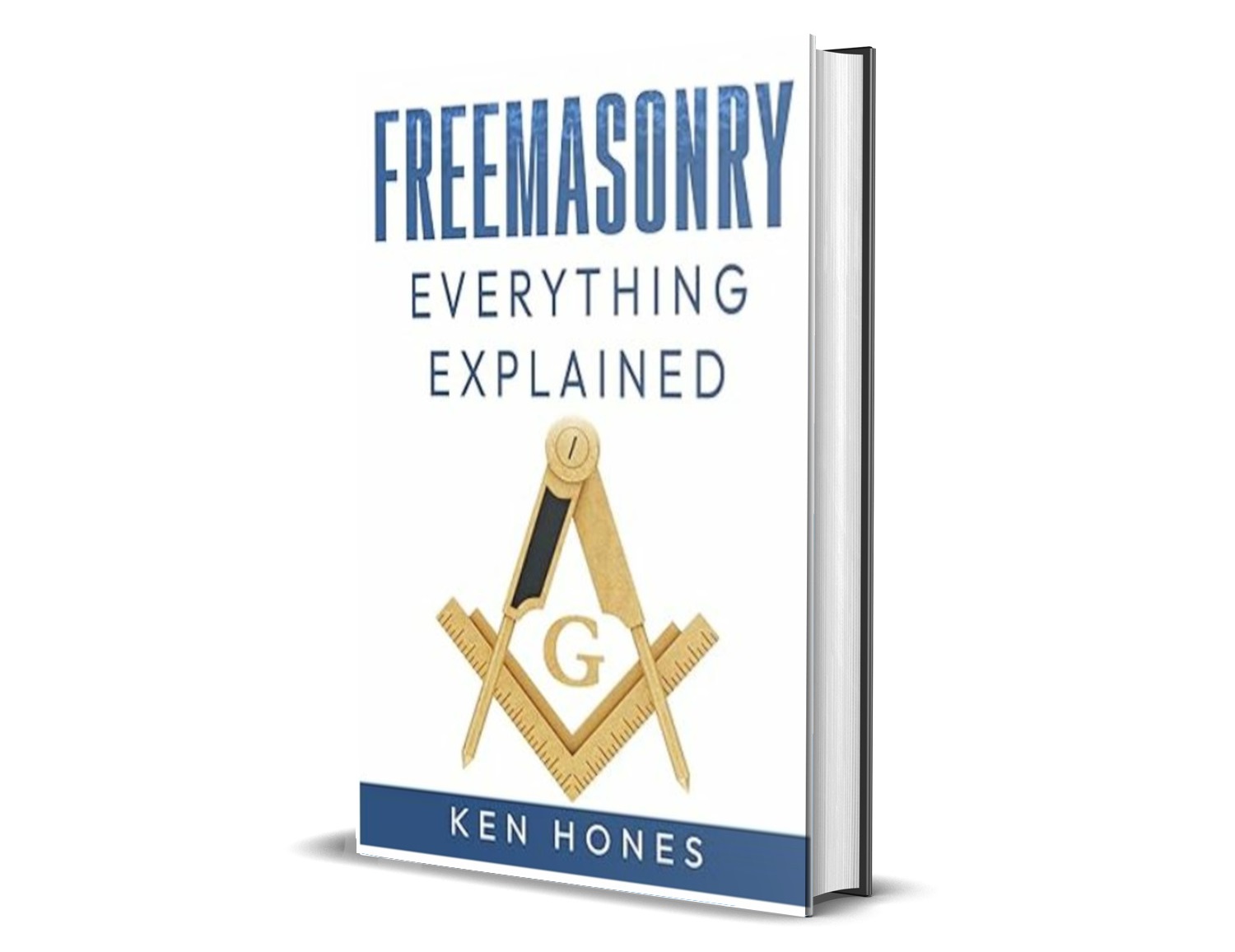
Have you ever seen a car with a peculiar emblem, the Square and Compasses, and wondered about its hidden meaning? This symbol is the most recognizable sign of Freemasonry, a fraternity whose lessons are taught through a rich tapestry of allegory and symbolism. These symbols are not merely decorative, they are a visual language that communicates the core tenets of a Mason’s journey through its principal ranks, or Degrees. This journey is a progressive path of self-improvement, with each Degree revealing new tools and emblems that guide a man from a rough, unformed state to a more perfected, enlightened self.
The symbols of Freemasonry are a roadmap for moral and intellectual development. They are tools for contemplation, designed to unlock deeper truths about oneself and one’s place in the universe. Understanding these emblems is the key to understanding the heart of the Masonic fraternity itself.

What Are the Core Masonic Ranks or Degrees?
The foundational structure of Freemasonry is built upon three main ranks, known as the Blue Lodge Degrees. These are the Entered Apprentice, the Fellow Craft, and the Master Mason.
Each Degree represents a distinct stage in a Mason’s personal and spiritual development, modeled after the ranks of the ancient stonemason guilds. A candidate progresses sequentially through these stages, receiving lessons in morality, ethics, and philosophy at each step. The Master Mason degree is the highest and final rank within the core Masonic lodge, and all other Masonic bodies or orders are open only to those who have achieved it.
This progression is not about gaining power or authority over others. Instead, it is an inward journey. It is a structured process of learning and reflection, where the symbols of each Degree serve as the primary teaching aids for building a better life.

What Does the Entered Apprentice Symbolize?
The primary symbol for an Entered Apprentice is the Square and Compasses, with both points of the Compasses placed underneath the Square. This specific arrangement visually represents the state of a new Mason, where his passions and desires are, and should be, governed by the lessons of morality and virtue.
This emblem is a constant reminder to the Apprentice that his first duty is to subdue his own ego and base instincts. The journey begins with control and the establishment of a solid moral foundation. Before one can build, one must first learn to measure and true the stones, starting with the most important stone of all, oneself.

Why Is the Square Important for an Apprentice?
The Square is a symbol of morality, truth, and virtue. It is the tool an operative stonemason would use to test the accuracy of angles and the perfection of a cut stone, ensuring it is a "true" and reliable block for building.
For a speculative Freemason, the Square serves the same purpose on a moral plane. It is the instrument by which he is taught to "square his actions" with all of mankind. It represents the unwavering principles of ethics and integrity that must form the foundation of his character. Just as a faulty cornerstone can compromise an entire cathedral, a flawed moral character can undermine a man’s life. The Square is the Apprentice’s guide to building a life that is upright and true.

What Do the Compasses Mean in this Degree?
The Compasses symbolize the spiritual, intellectual, and higher aspects of a man’s nature. More specifically, they represent the vital importance of circumscribing one’s desires and keeping passions within due bounds.

In the Apprentice Degree, the points of the Compasses are hidden beneath the Square. This visually communicates that the Apprentice’s spiritual and intellectual faculties are still developing. His primary focus is on the material and moral world, learning to control his passions through the strict application of the Square’s virtuous principles. The potential for higher knowledge is present but must wait until a solid moral foundation is firmly established.

Are There Other Apprentice Symbols?
Yes, the Entered Apprentice is also introduced to the 24-inch gauge and the common gavel, which are considered his primary working tools. The 24-inch gauge is a simple ruler, symbolically divided into three parts to represent the twenty-four hours of the day.
This tool teaches the new Mason about the proper division of his time, allocating it to service to God and a distressed worthy Brother, his usual vocations, and refreshment and sleep. It is a lesson in discipline and purpose. The common gavel is a type of hammer used to break off the rough and superfluous corners of stones. Symbolically, it represents the force of conscience, used to divest the heart and mind of the vices and impurities of life, thereby fitting the individual as a living stone for the spiritual temple.

What Are the Symbols of a Fellow Craft?
The central symbol for the Fellow Craft is again the Square and Compasses, but now with one point of the Compasses elevated above the Square. This new configuration signifies that the Mason has progressed in his journey, beginning to develop his intellectual and spiritual faculties alongside his moral foundation.
Having established a solid moral character as an Apprentice, the Fellow Craft is now encouraged to expand his mind. This emblem shows that his intellect is beginning to rise, enabling him to explore the hidden mysteries of nature and science. He is moving from a state of being governed purely by moral rule to one where intellect begins to illuminate his path.
What Do the Two Pillars Represent?
The two pillars, known by the names Boaz and Jachin, are powerful symbols of the Fellow Craft Degree. They represent the great brazen pillars that stood at the entrance to King Solomon’s Temple, marking the passage from the outer world into a sacred, consecrated space.
The pillar on the left, Boaz, is said to signify "in strength," while the pillar on the right, Jachin, means "He will establish." Together, they symbolize the harmonious balance of two essential forces, strength and establishment, power and beauty, the active and the passive. They teach the Fellow Craft that true progress is founded upon stability and that entry into the realm of higher knowledge requires a balanced and well-grounded character.

Why Is the Winding Staircase a Key Symbol?
The winding staircase is a profound allegory for the intellectual journey and the pursuit of knowledge. It represents the path the Fellow Craft must take to advance from foundational understanding to a higher plane of enlightenment, a journey taken through the study of the seven liberal arts and sciences.
This symbol teaches that learning is a gradual, step-by-step process. One cannot leap to the top but must patiently ascend, mastering each subject in its turn. The staircase winds, suggesting that the path to truth is not always direct and requires perseverance. It is a powerful metaphor for the educational phase of a Mason’s life, where he equips his mind with the knowledge necessary to truly understand the universe and his role within it.

How Are Master Mason Symbols Different?
The symbol of a Master Mason is the Square and Compasses with both points of the Compasses placed over the Square. This final arrangement signifies the culmination of the Masonic journey within the Blue Lodge. It represents a state of enlightenment where the spiritual and intellectual nature, the Compasses, has gained ascendancy and now guides the Mason’s moral life, the Square.

This does not mean morality is forgotten, but rather that it has become so ingrained that it is now directed by a fully developed spiritual consciousness. The Master Mason is expected to have achieved a balance between his material and spiritual selves, with his intellect and spirit now serving as the primary guides for his perfectly squared actions. He has, in a symbolic sense, completed his personal temple.

What Is the Meaning of the Trowel?
The trowel is the proper working tool of a Master Mason, and its symbolism is among the most beautiful in the Craft. While other tools are used for measuring or shaping, the trowel is used to spread the cement that unites the individual stones into a single, solid structure.
Symbolically, this is the cement of brotherly love and affection. The trowel teaches the Master Mason that his duty extends beyond self-improvement. He must now work to spread harmony and love, binding the members of the fraternity, and indeed all of humanity, together into one sacred band of friends and brothers. It is a tool of construction, but on a social and spiritual level, fostering unity and concord.

Why Are the Coffin and Acacia Sprig Significant?
The coffin and the sprig of acacia are profound symbols associated with the Master Mason Degree that address the deepest questions of life, death, and immortality. The coffin is a stark and unavoidable symbol of mortality, reminding the Mason that every life, no matter how well-lived, must come to an end.
The sprig of acacia, however, offers a powerful counterpoint. In ancient cultures, this evergreen plant was a symbol of endurance and eternal life because it seemed to resist decay. In Masonic symbolism, it represents the promise of immortality and the belief that while the physical body may perish, the spiritual essence of a person endures. It speaks to the legacy of a virtuous life and the unwavering hope for a continuation of existence beyond the grave.

Are There Ranks Beyond Master Mason?
Yes, there are numerous Masonic bodies a Master Mason can join, but they are not considered higher ranks in the way the first three degrees are. The Master Mason Degree is the highest and ultimate degree in all of Freemasonry.
Organizations like the Scottish Rite and the York Rite are often called appendent or concordant bodies. They offer further degrees that elaborate upon and explore the themes introduced in the Blue Lodge, but they do not confer a rank ‘higher’ than that of a Master Mason. They are best understood as paths of continuing education, offering deeper dives into Masonic philosophy, history, and symbolism for those who wish to continue their journey of learning.
Frequently Asked Questions

Do Masonic symbols have one single meaning? No, one of the great strengths of Masonic symbolism is that the emblems are layered with multiple meanings. While there are traditional and accepted interpretations taught within the lodge, each Mason is encouraged to contemplate the symbols and find personal significance in them, allowing the lessons to resonate with his own unique experience and understanding.

Are these symbols secret? While the specific ways in a which these symbols are used within Masonic rituals and ceremonies are private to its members, the symbols themselves are not secret. Many, like the Square and Compasses or the All Seeing Eye, have been visible in public art, architecture, and literature for centuries. The "secret" lies not in the image, but in the context and personal understanding gained through the degree rituals.

Can non-Masons wear Masonic symbols? Legally, anyone can wear a Masonic symbol. However, within the culture of the fraternity, it is generally considered inappropriate for a non-Mason to do so. The symbols, particularly the Square and Compasses, are seen as a declaration of membership and a representation of the philosophical journey a Mason has undertaken. For a Mason, wearing it is a statement of identity and commitment to its principles.

How do these symbols relate to modern life? The lessons taught by Masonic symbols are timeless and profoundly relevant to modern life. The Square encourages integrity in business and personal relationships. The Compasses remind us to control our impulses in an age of instant gratification. The trowel promotes unity and understanding in a polarized world. They are practical guides for living a more purposeful, ethical, and balanced life.

The symbols of the Masonic ranks are not ancient relics, but living tools for the modern seeker. They offer a language of self-discovery, a blueprint for building a life of substance and meaning. To truly grasp their power is to embark on a journey inward, to the very heart of esoteric philosophy.
For the modern seeker and the dedicated Brother, Esoteric Freemasons is your guide on that journey. We illuminate the profound symbolism, esoteric philosophy, and authentic history of the Craft, revealing the true light of Masonic knowledge. If these symbols have sparked a question in your soul, we invite you to explore further with us. The path to light begins with a single step.