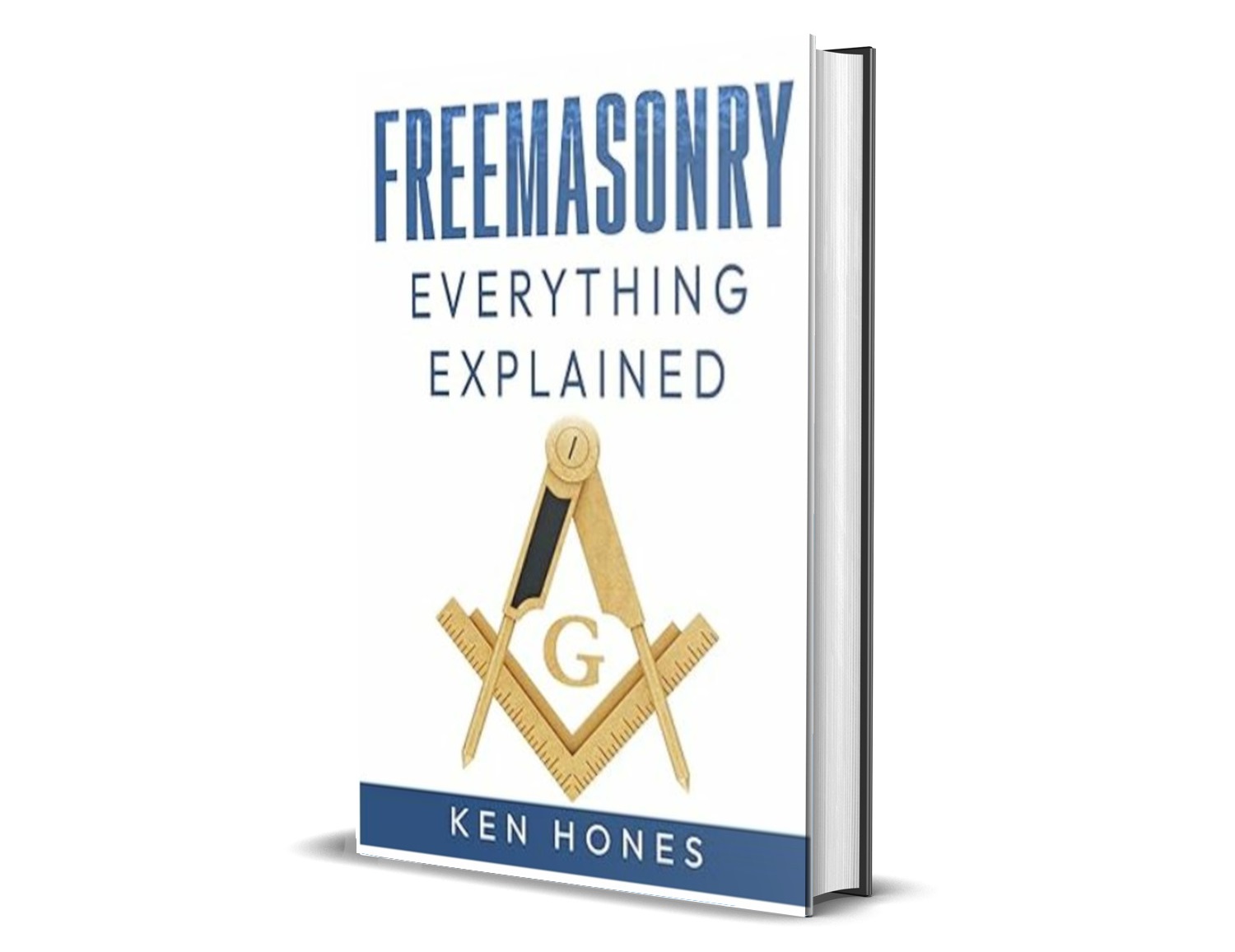
More Than a Handshake: Why Good Men Join the Freemasons in the 21st Century
In an age of digital distraction and fleeting connections, the idea of joining a centuries-old fraternity might seem archaic. Freemasonry, often shrouded in mystery and speculation, continues to attract men from all walks of life. Why? Because beneath the surface of symbols and ritual lies a profound and practical system for self-improvement, community building, and personal discovery that is more relevant today than ever before.
The journey into the Craft is a personal one, but the destination is shared: to become a better man. This is not about secret knowledge for worldly gain but about gaining tools to build a better life, for oneself, one’s family, and one’s community. The modern world presents unique challenges, from social isolation to a lack of clear moral guidance, and Freemasonry offers a time-tested framework to navigate them. Understanding the true benefits of being a Freemason reveals why it endures as a powerful force for good.
This exploration is for the curious man, the seeker who feels something is missing from modern life. It is for the individual who wants to connect with like-minded men on a deeper level, dedicated to integrity, charity, and honor. We will peel back the layers of misconception and look at the tangible, transformative advantages that membership in this noble fraternity can offer.

What Exactly is Freemasonry?
At its core, Freemasonry is the world’s oldest and largest fraternity. It is a brotherhood of men bound together by a shared commitment to a set of core values. These values are often summarized by its three great principles: Brotherly Love, Relief, and Truth. It is not a religion, nor is it a substitute for one. In fact, a belief in a Supreme Being is a primary requirement, making it a space where men of different faiths can unite on a common spiritual ground without dogmatic conflict.
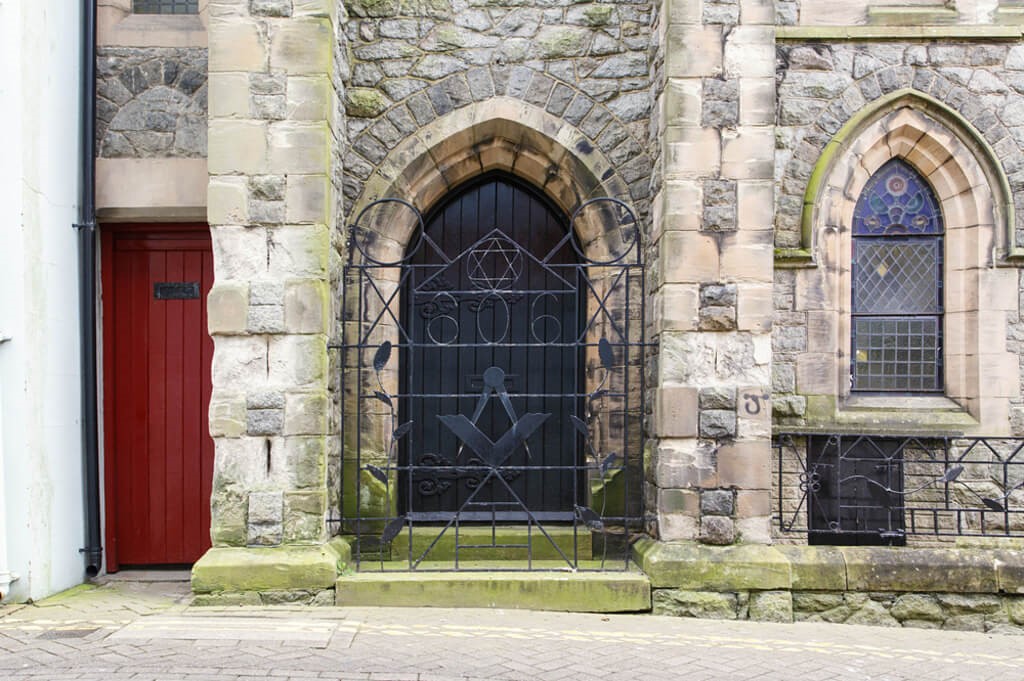
Think of it as a society with secrets, not a secret society. Its members are proud to be known as Masons, and its lodge buildings are clearly marked in towns and cities across the globe. The ‘secrets’ pertain to its modes of recognition and the allegorical lessons taught within its ceremonies, designed to impart moral and ethical truths through participation and symbolism rather than by simple lecture.
Its purpose is straightforward yet profound: to take good men and help them become better. It provides a unique environment for self-reflection and character development. The Lodge room becomes a laboratory for personal growth, a place where men can practice leadership, civility, and mutual respect in a supportive setting.

How Does Freemasonry Foster Personal Growth?
One of the most significant yet least understood aspects of Freemasonry is its role as a powerful engine for personal development. The entire structure of the Craft is designed to guide a man on a journey of self-discovery and improvement. This is not a passive process; it requires active participation and introspection.

Does it build confidence and public speaking skills?
Absolutely. From the moment a man enters a Lodge, he is encouraged to participate. The Masonic ceremonies, known as rituals, involve learning and reciting passages of text. While this may sound daunting, it is done within a completely supportive and patient environment. No Brother is ever judged or ridiculed for a mistake.
This process has a remarkable effect. It sharpens the memory, improves diction, and systematically builds confidence in public speaking. A man who was once nervous about addressing a small group may find himself comfortably speaking before his Brethren. This newfound confidence extends far beyond the Lodge doors, positively impacting his professional career and personal interactions.

Can it provide a moral and ethical compass?
In a world of moral ambiguity, Freemasonry offers a clear and unwavering ethical framework. Its teachings are communicated through allegory and symbolism, using the tools of ancient stonemasons as metaphors for building one’s own character. The square teaches us to be square with our fellow man, the compasses to circumscribe our desires, and the gavel to chip away our vices.

These lessons are not abstract theories. They are practical guides for daily conduct, encouraging honesty, integrity, compassion, and trustworthiness. Freemasonry constantly prompts a man to reflect on his actions and strive to be a more virtuous person. It reinforces the values that form the bedrock of a stable and just society, offering a wide array of tangible benefits for those who apply its teachings.

Does it encourage lifelong learning?
Freemasonry is often called a ‘progressive science’, and the pursuit of knowledge is a central theme. A Mason’s journey is one of continual learning, moving from darkness toward light, which symbolizes ignorance toward knowledge. The symbolism and allegories within the Craft are layered with historical, philosophical, and esoteric meaning.
This encourages members to become students for life. Many Masons delve into history, philosophy, and the study of symbolism to better understand the lessons of their Lodge. This intellectual stimulation keeps the mind active and engaged, fostering a curiosity that enriches all aspects of a man’s life. It is a path of enlightenment in the truest sense of the word.

What Are the Social and Community Benefits?
While the internal journey of self-improvement is central, the external benefits of community and fellowship are equally powerful. Freemasonry creates a social fabric that is both deep and wide, connecting men in a way that is increasingly rare in our fragmented society.

Is it just a network of old men?
This is a common but outdated stereotype. While Freemasonry honors its experienced members, Lodges today are vibrant communities comprised of men from every generation, profession, race, and creed. In a Lodge room, a young tradesman sits next to a retired CEO, a student next to a doctor. Worldly distinctions of wealth and status are left at the door.
This diversity is one of its greatest strengths. It exposes members to different perspectives and life experiences, broadening their horizons and fostering genuine tolerance and understanding. It creates a level playing field where a man is judged not by his title or bank account, but by his character and his commitment to the fraternity’s principles.

How does it create a sense of belonging?
The Masonic Lodge provides a sanctuary from the pressures of the outside world. It is a place of trust, fellowship, and unwavering support. In a world where many interactions are superficial and digital, the Lodge offers authentic, face-to-face connection. Here, men can share their triumphs and their troubles with Brethren who are bound by an obligation to help and support one another.
This bond, known as the ‘mystic tie’, creates a powerful sense of belonging. A Mason knows he has a network of Brothers he can rely on, not just in his own town but anywhere in the world he may travel. This provides a profound sense of security and community that combats the loneliness and isolation so prevalent in modern society.

What is the role of charity and community service?
Relief, or charity, is a cornerstone of Freemasonry. This commitment to helping others is expressed in countless ways, from supporting a Brother who has fallen on hard times to massive, organized charitable endeavors. Masonic organizations are among the largest charitable givers in the world, donating millions each day to causes that include hospitals, medical research, disaster relief, and scholarships.
This work is often done quietly, without the need for public recognition. In line with recent moves towards greater transparency, many Grand Lodges are now more open about their significant community contributions. For the individual Mason, participating in charitable work provides a deep sense of purpose and a tangible way to make a positive impact on the world around him.

Is Freemasonry Still Relevant in a Digital Age?
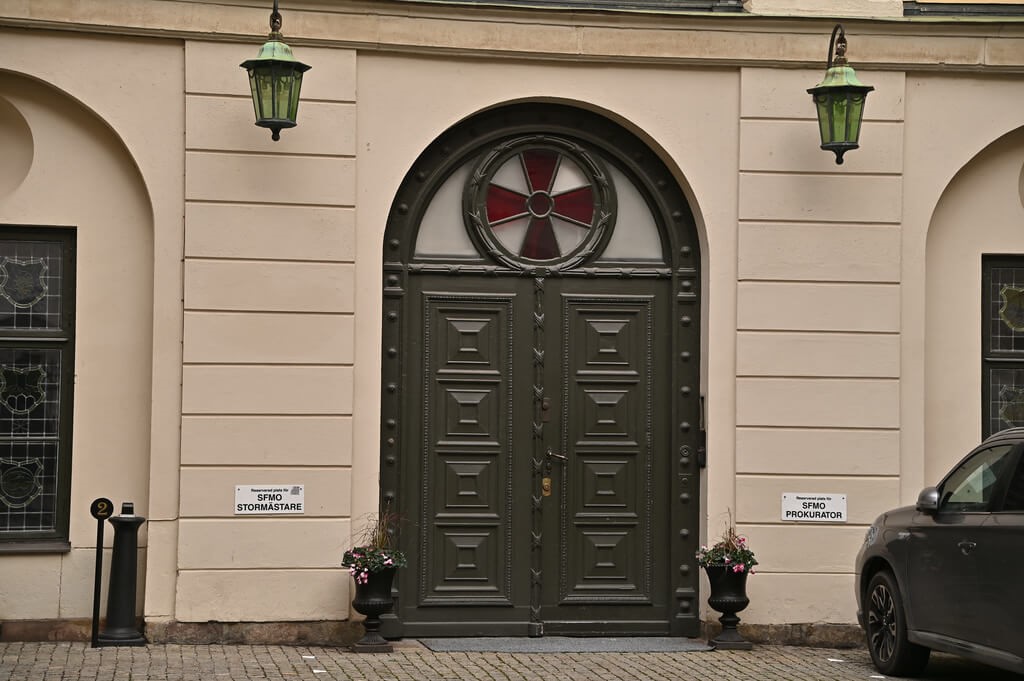
Some may question the place of an ancient fraternity in our fast-paced, tech-driven world. Yet, it is precisely the challenges of the modern era that make Freemasonry’s offerings so vital. It provides an antidote to many of the negative side effects of our hyper-connected, yet disconnected, lives.
Can it combat modern loneliness and isolation?
Paradoxically, our social media age has led to increased feelings of isolation. Online interactions often lack the depth and authenticity of real human connection. The Masonic Lodge provides a dedicated space for men to unplug, engage in meaningful conversation, and build genuine friendships.
Regular meetings provide a consistent, reliable point of social contact. The shared experience of ritual and the commitment to mutual support forge bonds that are far stronger than a ‘like’ or a ‘follow’. This structured social outlet is a powerful tool against loneliness, promoting mental and emotional well-being. The enduring significance of Freemasonry in today’s world is largely tied to its ability to foster these real-world connections.

How does it fit with modern values?
While its traditions are old, its core values are timeless and align perfectly with a progressive, modern worldview. Freemasonry champions tolerance, teaching its members to respect men of different faiths and backgrounds. It promotes equality, creating a space where all men meet on the level. It encourages civic responsibility and good citizenship, urging members to be active and positive contributors to their communities.
In a polarized world, the Lodge room is a model of civil discourse. Men with differing political or social views can come together in harmony, united by their shared Masonic values. It teaches us how to disagree without being disagreeable, a skill desperately needed in contemporary society.

What is the point of ancient rituals today?
The rituals of Freemasonry are not merely rote performances of archaic plays. They are complex, multi-layered allegorical dramas designed to be experienced, not just observed. Each ceremony imparts profound lessons about life, mortality, and virtue. The act of participating in these timeless traditions connects a Mason to a long chain of Brothers stretching back centuries.
This provides a deep sense of grounding and perspective. It reminds a man that his own challenges and aspirations are part of a larger human story. For the man truly seeking to improve himself, understanding what’s the point of being a Freemason is to understand that these rituals are a roadmap for a more examined and purposeful life.

What Should I Consider Before Joining?
Becoming a Freemason is a significant life decision and one that should be approached with thoughtful consideration. It is a commitment not just to an organization, but to a way of life. If you are intrigued by the possibilities, there are a few practical points to keep in mind.

Is there a time commitment?
Yes. Membership requires a commitment of time and effort. Most Lodges hold one or two regular meetings per month. Additionally, there may be rehearsals for ritual, social events, or charitable activities. A man should be prepared to invest time not only in attending meetings but also in studying and reflecting on the teachings of the Craft to reap its full rewards.
This investment, however, pays dividends in personal growth and fellowship. The experience can also differ by location; for example, the unique benefits of being a Freemason in the UK might have a different cultural flavor and time expectation than in other parts of the world, though the core principles remain universal.
What are the steps to becoming a member?

Freemasonry does not recruit members. The traditional path is to ask a Mason you know for more information. This is often summarized in the phrase ‘to be one, ask one’. If you do not know a Mason, you can typically contact the Grand Lodge of your state or country, and they can guide you to a local Lodge.
After you express interest, a committee from the Lodge will meet with you to answer your questions and determine if you are a good fit. They are looking for men of good character who believe in a Supreme Being and are joining for the right reasons. Honesty and sincerity are paramount throughout the process to join the Freemasons. If your petition is accepted, you will be initiated into the fraternity.
Freemasonry is not a passive hobby; it is an active, lifelong pursuit of light. It offers a structured path to becoming a more confident, virtuous, and connected man. In a world that often feels chaotic and superficial, the ancient and honorable fraternity of Freemasons provides a foundation of purpose, a community of brothers, and the tools to build a better self.
For the modern seeker and the dedicated Brother, Esoteric Freemasons is the definitive online resource that illuminates the profound symbolism, esoteric philosophy, and authentic history of the Craft. We go beyond the surface to reveal the true light of Masonic knowledge.
Frequently Asked Questions

What is the actual time commitment involved in being a Freemason?
The time commitment for a Freemason in the UK is manageable and can be tailored to your personal schedule. Most lodges hold a formal meeting once a month, which typically involves ceremonial work and administrative business. While regular attendance is encouraged to get the most out of your membership, it is understood that family and work commitments must take precedence.
Beyond the main monthly meeting, members can choose their level of further involvement. This may include attending rehearsals for ceremonies, joining a committee, or participating in social gatherings known as the ‘Festive Board’ which follow the formal proceedings. Ultimately, you can dedicate as much or as little time as you feel comfortable with, ensuring your Masonic journey complements your life rather than complicates it.


Beyond charity, how do Masons contribute to the local community?
While Freemasons are renowned for their significant charitable donations, their community contributions extend far beyond financial support. Many lodges actively engage in local projects, with members volunteering their time and professional skills to support schools, community centres, and local events. Masonic halls themselves often serve as valuable hubs for a wide range of non-Masonic community groups and activities.
Furthermore, the principles of Freemasonry encourage members to be men of high moral character, integrity, and civic-mindedness. This focus on personal development means that members strive to be better citizens, neighbours, and family men in their everyday lives. This creates a positive ripple effect, strengthening the social fabric of the communities in which they live and work.

Is Freemasonry just for older men, or are younger members welcome?
Freemasonry in the UK actively welcomes men from all generations, challenging the outdated stereotype that it is only for older individuals. The minimum age for joining is typically 18 or 21, and there is a growing number of younger men joining to find camaraderie and personal growth outside of their usual social circles. Specific initiatives, such as the Universities Scheme, are designed to introduce students and other young men to Freemasonry.
This blend of ages creates a uniquely supportive and dynamic environment within the lodge. Younger members bring new energy and modern perspectives, while the more experienced Masons offer invaluable mentorship, guidance, and life experience. This intergenerational connection is a key benefit, allowing members to learn from one another and build lasting friendships with people they might not otherwise meet.