Throughout history, Masonic Lodges have played a role in shaping society, promoting ethical worths, supporting charitable causes, and fostering a sense of brotherhood among its members. Today, Masonic Lodges, such as Ashton-under-Lyne Masonic Lodge, continue to be an active organization that makes every effort to promote the concepts and traditions of Freemasonry while adjusting to modern times.
History of Freemasonry And Its Origins
Freemasonry has a rich and mysterious history that extends back centuries. Its origins can be traced to the middle ages stonemasons guilds that ran in Europe during the building of cathedrals. These guilds, called operative lodges, had rigorous regulations and practices to ensure the high quality of their workmanship.
As societal changes occurred, these guilds began accepting non-masons as members, giving rise to speculative lodges, such as Ashton-under-Lyne Masonic Lodge.
The ideals of Freemasonry, such as brotherly love, truth and charity, were embedded into its structure and have always stayed true throughout its history. Over time, Freemasonry spread out globally and progressed into a vast network of Masonic Lodges, such as Ashton-under-Lyne Masonic Lodge, that continue to promote these principles while adapting to modern-day times.
Structure Of Ashton-under-Lyne Masonic Lodge
Ashton-under-Lyne Masonic Lodge, has a unique structure that offers organization and governance for their members. At the heart of Ashton-under-Lyne Masonic Lodge is the Worshipful Master, who is accountable for managing the lodge’s activities and keeping order during the meetings. Helping the Worshipful Master are other chosen officers such as Junior Warden, Senior Warden, Treasurer and Secretary.
Ashton-under-Lyne Masonic Lodge, is divided into three primary locations: the East, West, and South. The East represents knowledge and is where the Worshipful Master commands meetings. The West represents strength and acts as the station for the Senior Warden. The South symbolizes beauty and is where the Junior Warden stands.
Within Ashton-under-Lyne Masonic Lodge, there are also different committees, such as the Charity Committee, that focus on specific areas of work or interest. These committees play a essential function in organizing occasions, educational programs, and charitable efforts supported by the lodge.
Overall, Ashton-under-Lyne Masonic Lodge runs under a structured structure that enables members to team up, gain from each other, and contribute to their neighborhoods while maintaining the concepts of Freemasonry.
Functions and hierarchy within a Ashton-under-Lyne Masonic Lodge,
Within a Ashton-under-Lyne Masonic Lodge, there is a clear hierarchy and different roles that members satisfy. At the top of the hierarchy is the Worshipful Master, who is accountable for leading the lodge and presiding over conferences. The Senior Warden and Junior Warden assist the Worshipful Master and may assume management in their absence.
Other crucial officer positions consist of the Treasurer, who manages the finances of Ashton-under-Lyne lodge, and the Secretary, who handles administrative tasks and keeps records. Furthermore, there are officers such as the Chaplain, who supplies spiritual guidance, and the Tyler, who safeguards the entryway to make sure only qualified individuals enter.
Each officer has specific responsibilities and responsibilities, detailed in the lodge’s laws and customs. Their roles may consist of carrying out rituals, managing committees, organizing occasions, and keeping order during Ashton-under-Lyne Masonic Lodge meetings.
The hierarchical structure ensures effective governance within the lodge and enables each member to contribute their talents and abilities for the improvement of the organization. By interacting in their respective functions, members produce a harmonious and purposeful Ashton-under-Lyne Masonic Lodge neighborhood.
Rituals And Symbolism In Ashton-under-Lyne Masonic Lodge.
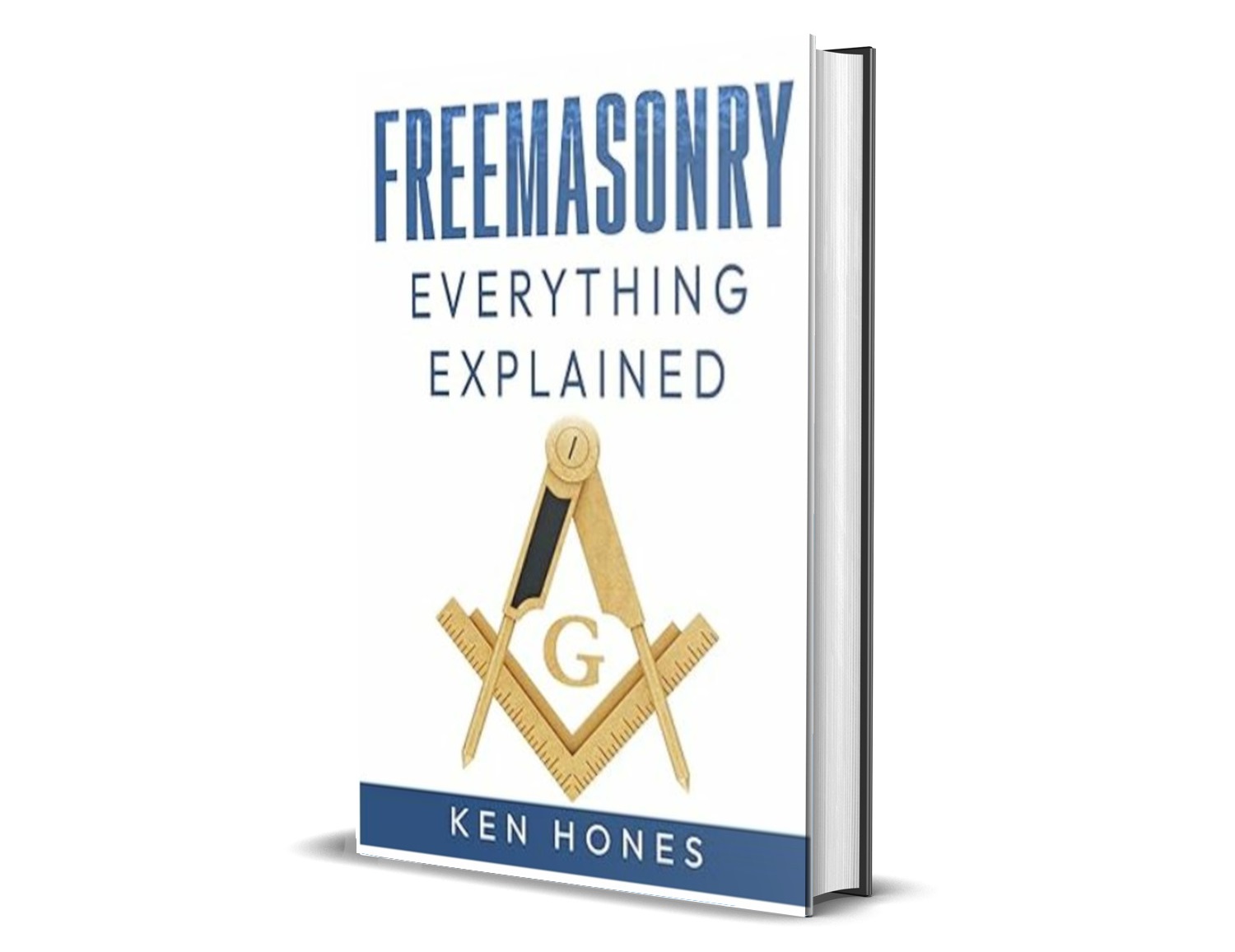
Rituals And Symbolism play a significant function in Ashton-under-Lyne Masonic Lodge, including depth and suggesting to the overall experience. Masonic significance utilizes various symbols, such as the square and compass, the apron, and the lambskin, to communicate moral and philosophical teachings. These particular symbols represent important worths like virtue, integrity, and knowledge, advising members of their responsibility to lead respectable lives.
Rituals are an important part of Ashton-under-Lyne Masonic Lodge meetings, serving both practical and symbolic purposes. They include a scripted series of words and actions that are carefully performed by the officers and members. These particular rituals have actually been given through generations and assist produce a sense of continuity and tradition within the brotherhood.
Masonic Rituals In Ashton-under-Lyne Masonic Lodge
These frequently involve elements such as ritualistic clothes, handshakes, passwords, and significant discussions. Through these rituals, members reinforce their shared concepts while experiencing a sense of unity and connection.
Moreover, the ceremonial nature of Ashton-under-Lyne Masonic Lodge meetings fosters an environment of respect and inspiration, motivating personal reflection and development. It allows members to participate in a much deeper understanding of themselves and their location within society.
Overall, the symbolism and rituals in Ashton-under-Lyne Masonic Lodge enhances the sense of fraternity amongst members while promoting moral development and self-improvement.
Ashton-under-Lyne Masonic Lodge Degrees
Ashton-under-Lyne Masonic Lodge degrees play a considerable role in the journey of a Freemason. Each degree represents a different level of understanding, mentors, and experience within the fraternity. The degrees are structured to supply members with ethical and philosophical lessons as they progress through the ranks.
The first 3 degrees, called the Entered Apprentice, Fellow Craft, and Master Mason, are considered the foundational degrees. These degrees focus on the values of brotherhood, personal development, and ethical conduct.
As Freemasons advance to greater degrees in Ashton-under-Lyne Masonic Lodge, such as the York Rite or Scottish Rite degrees, if they offered, they delve deeper into esoteric mentors and importance. These extra degrees offer further insights into Masonic values and principles.
The process of advancing through the degrees at Ashton-under-Lyne Masonic Lodge involves a combination of study, memorization of rituals, and participation in ceremonies. It is a progressive journey that allows members to deepen their understanding of Masonic mentors and apply them to their lives.
Eventually, the Ashton-under-Lyne Masonic Lodge degrees serve as a pathway for personal growth and enlightenment, guiding members towards progressing people and contributing positively to their neighborhoods.
Description of Masonic Degrees And Their Significance At Ashton-under-Lyne
In Ashton-under-Lyne Masonic Lodge, degrees play a essential role in the development of Freemasons. Each degree represents a stage of initiation and imparts valuable mentors and lessons.
The Gone into Apprentice degree focuses on the importance of self-improvement and finding out essential ethical concepts. It represents the beginning of the Masonic journey and highlights the duty to conduct oneself with stability.
The Fellow Craft degree digs much deeper into the study of knowledge, particularly focusing on the sciences and arts. It encourages members to pursue intellectual growth and understanding, promoting individual development.
The Master Mason degree is the highest and crucial degree within Ashton-under-Lyne Masonic Lodge It signifies knowledge, completion, and proficiency over oneself. This degree communicates important themes of mortality, resurrection, and immortality.
Through these degrees, Freemasons find out important values such as brotherhood, ethical conduct, self-discipline, and individual growth. The significance depends on their capability to assist people towards becoming better variations of themselves, both within Ashton-under-Lyne Masonic Lodge and in their every day lives outside it.
Process Of Advancement Through The Degrees.
In Ashton-under-Lyne Masonic Lodge, members progress through different degrees as they deepen their understanding and commitment to the concepts of Freemasonry. The advancement through these degrees is a significant journey of self-discovery and personal development.
To advance from the Entered Apprentice degree to the Fellow Craft degree, a member needs to show their devotion to learning, moral values, and involvement in Ashton-under-Lyne Masonic Lodge activities. Likewise, to achieve the Master Mason degree, individuals should show proficiency in the rituals and mentors of the preceding degrees.
This progression ensures that members slowly soak up the teachings and approach of Freemasonry while enhancing their commitment to upholding its concepts. The process of advancing through the degrees helps people establish a more powerful bond with their fellow Masons at Ashton-under-Lyne and motivates them to actively add to the wellness of the Lodge and its members.
Each degree builds on the lessons learned in the previous ones, assisting members towards greater insight, understanding, and obligation within the fraternity. This progressive progression ensures that Freemasons continue their personal advancement while preserving the traditions and worths of Ashton-under-Lyne Masonic Lodge.
Ashton-under-Lyne Masonic Lodge Symbolism
Ashton-under-Lyne Masonic Lodge is abundant in importance, with each sign holding a much deeper significance and representing essential elements of Freemasonry. These symbols act as tips to members of the principles and worths they are expected to support.
Some common symbols utilized at Ashton-under-Lyne Masonic Lodge, include the square and compasses, which represent morality and virtue, and the pillars, which symbolize wisdom, strength, and beauty. The apron worn by Masons at Ashton-under-Lyne Masonic Lodge is another symbol that represents the pureness of heart and dedication to the craft.
The architecture and layout of Ashton-under-Lyne Masonic Lodge likewise hold symbolic significance. The lodge space represents a sacred space, while the east-west orientation represents the journey from darkness to light, representing the pursuit of understanding and enlightenment.
As Freemasonry has actually progressed over time, some adaptations have been made in the symbolism used within Ashton-under-Lyne Masonic Lodge Nevertheless, the core values and principles remain unchanged.
In addition to their symbolic practices, Ashton-under-Lyne Masonic Lodge likewise takes part in community involvement and charitable work, embodying the worths of brotherhood, empathy, and service to others.
Indicating behind common signs used at Ashton-under-Lyne Masonic Lodge. The signs used at Ashton-under-Lyne Masonic Lodge hold deep significance and convey essential principles to their members. One such symbol is the square and compasses, representing morality and virtue. The square signifies sincerity and fairness in all negotiations, while the compasses advise Masons at Ashton-under-Lyne to keep their desires and passions within due bounds. Together, they function as a constant pointer for members to lead upright lives.
Another typical sign in Ashton-under-Lyne Masonic Lodge is the pillars, generally illustrated as two columns, representing wisdom, strength, and appeal. These pillars are tips for Masons to seek knowledge, empower themselves with self-control, and value the beauty that exists on the planet.

The apron used by Masons at Ashton-under-Lyne are likewise a significant sign. It represents the pureness of heart and commitment to the craft. It functions as a visual reminder of the Masonic worths of humbleness, stability, and dedication to self-improvement.
These symbols, along with numerous others used at Ashton-under-Lyne Masonic Lodge, function as powerful tools to inspire members to embody the principles of Freemasonry and live meaningful lives rooted in brotherhood, compassion, and service to others.
Meaning of Ashton-under-Lyne Masonic Lodge architecture and design
The architecture and layout of Ashton-under-Lyne Masonic Lodge are rich with importance, showing the concepts and values of Freemasonry. One crucial aspect is the orientation of the lodge, typically facing east. This instructions represents the dawn of enlightenment and new beginnings, representing the continuous pursuit of knowledge and spiritual growth.
The lodge room itself is decorated with various symbols, such as the altar, which works as the center of focus throughout events and represents a dedication to ethical and spiritual mentors. The pillars at the entrance, frequently modeled after those in King Solomon’s Temple, represent strength and knowledge.
The arrangement of seating within the lodge room likewise brings significance. The Junior Warden’s chair is placed in the south to symbolize the heat of passion and vibrant energy, while the Senior Warden’s chair remains in the west to signify maturity and reflection. The Master’s chair, located in the east, represents management and knowledge.
These architectural aspects and their placement communicate important lessons to Masons at Ashton-under-Lyne during their ritual and meetings, reminding them of their commitment to seek knowledge, develop strong character, and nurture their spiritual development.
Adaptations And Modifications In Modern Masonic Lodge Practices At Ashton-under-Lyne.
In action to the changing times and progressing societal requirements, modern-day Masonic Lodges, such as Ashton-under-Lyne Masonic Lodge have welcomed adjustments and made changes to their practices. One considerable modification is the inclusion of technology in lodge conferences and communication. Numerous lodges now utilize e-mail, social media platforms, and online forums to stay gotten in touch with members and share information. This allows for higher efficiency and benefit in planning events and collaborating efforts.
Furthermore, Ashton-under-Lyne Masonic Lodge has broadened their concentrate on neighborhood participation and charity work. Lodges typically organize charity events, volunteer initiatives, and charitable contributions to support numerous causes within their neighborhoods.
These adaptations and changes show the willingness of Ashton-under-Lyne Masonic Lodge to adapt to the needs of the present while remaining true to their core principles of brotherhood, service, and individual development.
Neighborhood participation and charity work by Ashton-under-Lyne Masonic Lodge have a long-standing tradition of community participation and charity work. These lodges recognize the value of giving back to the communities they belong of and strive to make a positive effect.
Through different initiatives, Ashton-under-Lyne Masonic Lodge engage in charitable activities such as fundraising occasions, volunteer efforts, and charitable donations. They actively support causes that deal with social concerns and work towards promoting general welfare. Whether it’s organizing food drives for local food banks, supporting education programs, or providing assistance to those in need, Ashton-under-Lyne Masonic Lodge goal to improve the lives of individuals and neighborhoods.
In addition to their direct involvement in charitable activities, Ashton-under-Lyne Masonic Lodge frequently supply financial backing through scholarships, grants, and sponsorships, if possible. By partnering with other community companies, they combine their resources to make a higher effect on social causes.
The community participation and charity work by Ashton-under-Lyne Masonic Lodge exhibit their commitment to service and the improvement of society. Their efforts add to developing a more powerful and more caring neighborhood for all.
Joining Ashton-under-Lyne Masonic Lodge
Interested in joining, then just contact Ashton-under-Lyne Masonic Lodge, either by means of e-mail, phone, through another member or even connect with the Provincial lodge for your county.