How to Become a Freemason: The Complete Step-by-Step Guide
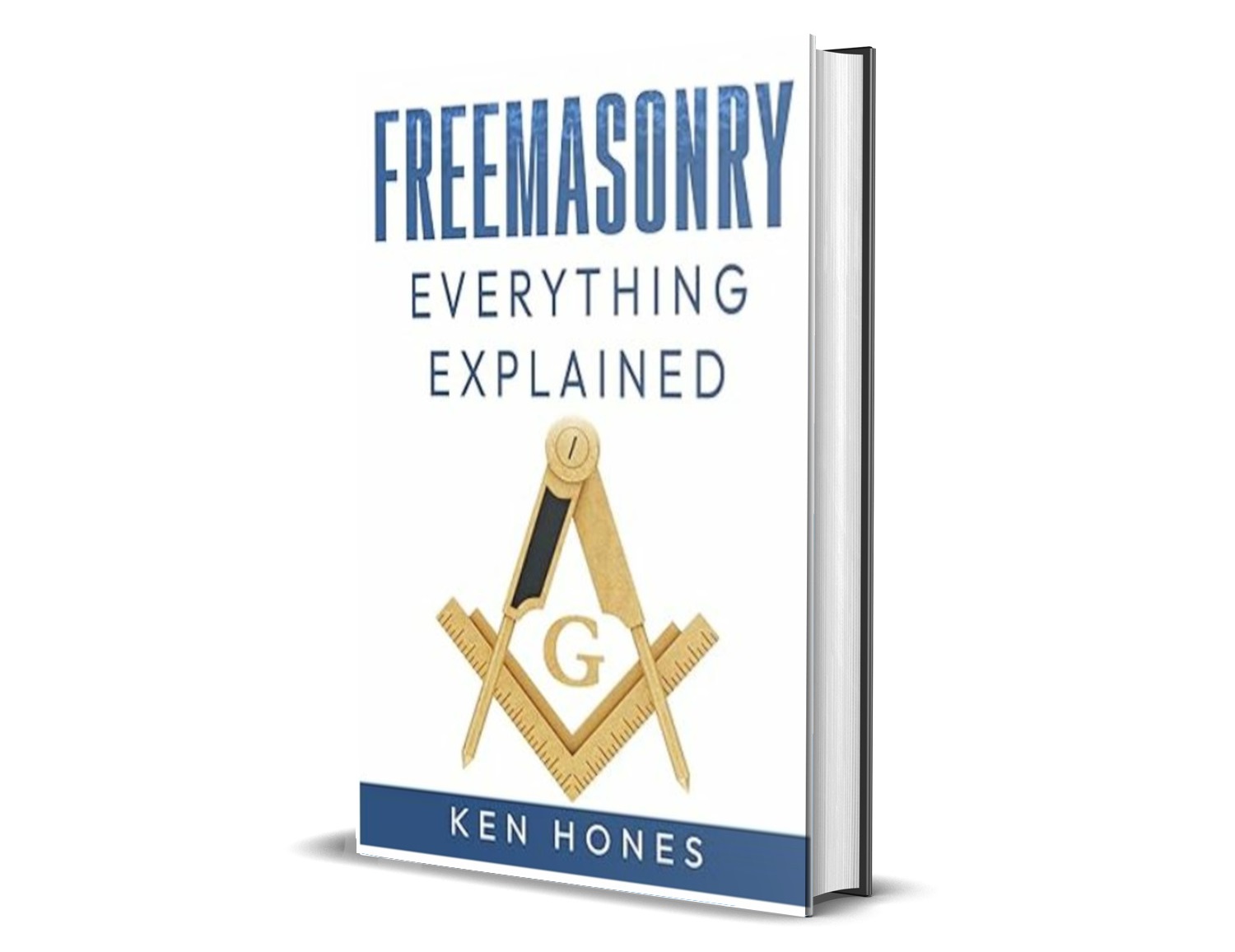
For centuries, the square and compasses have stood as a symbol of mystery, brotherhood, and enlightenment. Freemasonry, the world’s oldest and largest fraternity, has captivated the minds of men from all walks of life, from presidents and philosophers to artists and everyday citizens. Its allure lies not in secrecy for its own sake, but in a shared journey toward self-improvement and service to humanity.
Many men feel a pull toward this ancient Craft but are unsure where to begin. The path to membership can seem opaque from the outside, shrouded in misconceptions and outdated information. This guide is designed to demystify the process, offering a clear, comprehensive, and honest look at what it truly takes to become a Freemason in the modern world.
We will walk you through every stage, from understanding the fundamental requirements to navigating the petition and what to expect after you are initiated. This is your definitive roadmap for learning how to join a Masonic Lodge and begin a rewarding journey of personal growth and fellowship.

What Is Freemasonry, Really?
Before you take the first step, it is vital to understand what Freemasonry is and what it is not. It is a system of morality, veiled in allegory and illustrated by symbols. At its core, Freemasonry is a fraternity dedicated to making good men better through teachings centered on the timeless principles of Brotherly Love, Relief, and Truth.
It is not a religion, though its members are required to believe in a Supreme Being. It is not a secret society, but rather a society with secrets; its modes of recognition and the specific allegorical ceremonies of its degrees are private. Its existence, purpose, and meeting places are all public knowledge.
Members are taught to be better sons, husbands, fathers, and citizens. The lodge room is a space for men of different backgrounds, faiths, and political views to meet on a level playing field, bound by a common goal of moral and intellectual development.

What Are the Basic Requirements to Join?
While specific details can vary slightly between different Grand Lodges or jurisdictions around the world, a few core requirements are universal. These prerequisites ensure that all candidates are properly and duly prepared to enter the fraternity.

Do I Have to Be a Man?
Yes, traditional Freemasonry as recognized by the majority of Grand Lodges worldwide is a fraternity for men. This tradition is a cornerstone of its structure. There are, however, parallel organizations for women, as well as co-ed Masonic bodies, that follow similar principles and structures, but they are separate from mainstream Craft Masonry.

Is There an Age Requirement?
Generally, the minimum age to join a Masonic lodge is 21. However, some jurisdictions have lowered this to 18. It is always best to check with the specific Grand Lodge that governs the state or country where you wish to join to confirm their age requirement.

Must I Believe in a Supreme Being?
This is a non-negotiable landmark of Freemasonry. A candidate must profess a belief in a Supreme Being. Freemasonry is not dogmatic and does not prescribe a specific religion or name for that deity. Whether you call that being God, Allah, Yahweh, or the Great Architect of the Universe is a matter of your personal conscience. This requirement forms the foundation of Masonic teachings, as it establishes a basis for moral accountability.

Do I Need to Have a Good Moral Character?
Absolutely. Freemasonry prides itself on being an organization of good men. You will be expected to have a good reputation in your community. Most lodges will conduct a background check, and you will need other Masons to vouch for your character. Honesty, integrity, and a sense of responsibility are paramount.
How Do I Begin the Process?
Once you have determined that you meet the basic requirements and that your values align with those of the Craft, the next step is to make contact. The traditional method is encapsulated in the famous Masonic phrase, ‘To be one, ask one’.

How Do I Find a Lodge Near Me?
If you know a man who is a Freemason, the simplest way to start is to talk to him. Express your sincere interest and ask him about his experience and how you might proceed. Masons are typically happy to speak with earnest seekers.
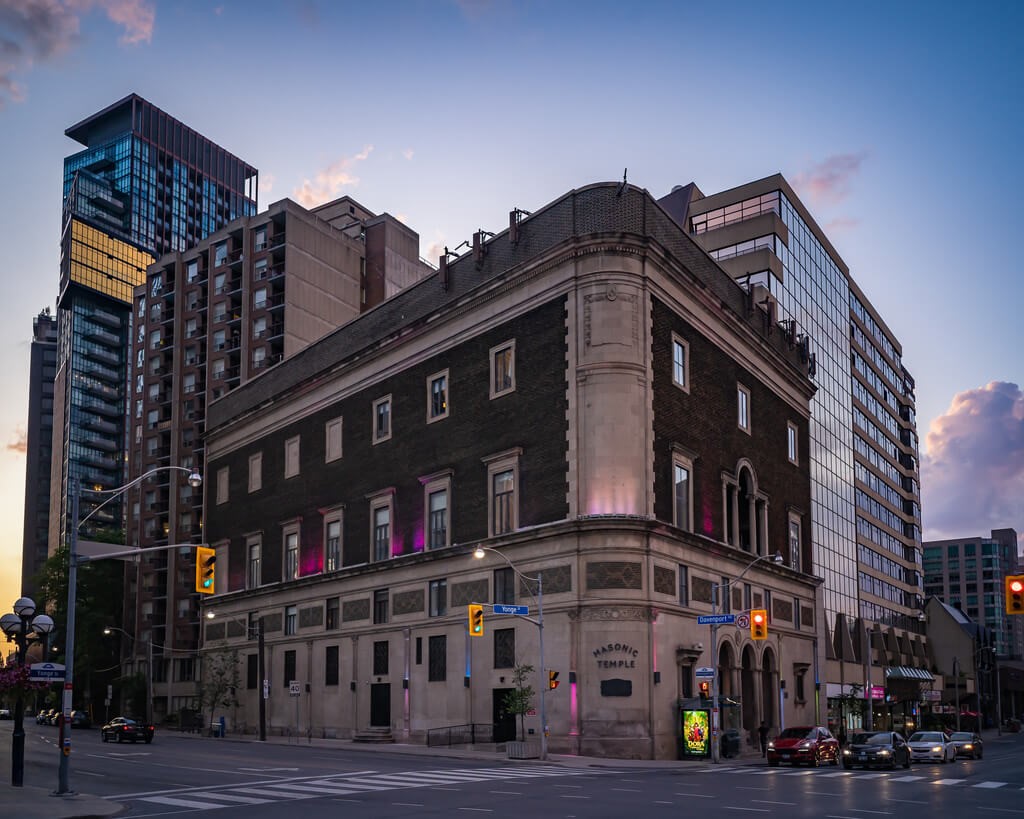
If you do not know any Masons personally, do not be discouraged. In the digital age, it is easier than ever to find a local Freemasonry lodge near me. Most Grand Lodges have websites with lodge locator tools that can help you find a lodge in your area. You can also simply search online to locate the nearest Masonic lodge and find its contact information or meeting schedule.

What Happens After I Make Contact?
After you reach out, the process is one of mutual discovery. The members of the lodge want to get to know you, and you should take the time to get to know them. You will likely be invited to a dinner or social event held before their formal meeting. These events are open to the public and are a great way to meet the members in an informal setting.
This period is crucial. It allows you to ask questions, understand the lodge’s specific culture, and see if the men in that lodge are people you would be proud to call Brothers. At the same time, the members are assessing whether you would be a good fit for their fraternity. This is not an interview to be nervous about, but a genuine conversation.

What Is the Petition and Investigation Process?
If, after a period of getting to know each other, both you and the lodge feel it is a good match, you will be invited to formally petition for membership. This is a significant step on your path to becoming a Mason.

What Is a Masonic Petition?
A petition is the official application to join a Masonic lodge. It will ask for your personal information, your profession, and confirmation that you meet the basic requirements of age and belief in a Supreme Being. Crucially, a petition typically requires the signatures of two Masons from that lodge who are willing to sponsor you. This is why the initial period of getting to know the members is so important.

What Does the Investigation Involve?
Once your petition is submitted and read in an open lodge meeting, the Master of the lodge will appoint an investigating committee. This committee, usually composed of three members, will schedule a time to meet with you, often in your own home. This meeting may include your spouse or partner if you have one.
The purpose of the investigation is twofold. First, it is to verify the information on your petition and to further assess your character and motives for joining. Second, and just as importantly, it is an opportunity for you and your family to ask any remaining questions you may have in a private and comfortable setting. The committee wants to ensure you are making a fully informed decision. There are many great online resources that can provide answers to frequently asked questions you might have before this meeting.

What Is the Ballot?

After the investigating committee makes its favorable report back to the lodge, a secret ballot will be held among all the members present at a stated meeting. This ancient practice involves each member placing a small white ball or a black cube into a ballot box. A white ball signifies a ‘yes’ vote, while a black cube signifies a ‘no’ vote.
For a candidate to be accepted, the ballot must be unanimous. Even one black cube is enough to deny a petition. This strict requirement underscores the importance of harmony within the lodge and ensures that every man who enters is welcomed by all of his new Brothers.

What Should I Expect on My Masonic Journey?
Being accepted by the ballot is not the end of the process; it is the beginning of your Masonic journey. Your initiation is the first step into a larger world of learning, fellowship, and self-discovery.

What Are the Degrees of Freemasonry?
Your journey will begin with the three degrees of Craft or ‘Blue Lodge’ Masonry: Entered Apprentice, Fellowcraft, and Master Mason. Each degree is a formal ceremony in which the moral and philosophical lessons of Freemasonry are taught through allegory and symbolism. These are not academic exercises but profound experiences designed to make you reflect on your life and your relationship with others.
You will be assigned a mentor to help guide you through the proficiency work required to advance to the next degree. This usually involves memorizing and understanding certain parts of the ritual, which reinforces the lessons taught in each degree.

How Much Time and Money Does It Cost?
Freemasonry should not be a financial or personal burden. There is an initiation fee, which covers the cost of your degrees, and annual dues, which support the lodge’s operating costs and charitable activities. These amounts vary widely from lodge to lodge, so it is a good question to ask during the initial contact phase.
In terms of time, most lodges have one or two stated meetings per month. There may also be rehearsals, degree practices, or social events. How much time you commit beyond the basic meetings is entirely up to you. Like anything in life, the more you put into Freemasonry, the more you will get out of it.

What Is the Experience Like in Different Countries?
While the core principles of Freemasonry are universal, some customs and practices can differ between countries. The experience of Freemasonry in the UK, for example, has its own unique history and traditions that might differ slightly from those in the United States or Canada. Similarly, the process for how to join in the Philippines will be guided by the regulations of its own sovereign Grand Lodge. Despite these regional variations, a Master Mason from one regular jurisdiction will be recognized as a Brother in any other regular jurisdiction around the world.

What Are Some Common Misconceptions to Be Aware Of?
Many myths surround the fraternity, and it is important to separate fact from fiction. Freemasonry is not a religion and does not seek to replace a man’s faith. It is not a path to wealth or business advantage; using your membership for personal gain is strictly forbidden.
Finally, the idea of a ‘secret society’ is a misnomer. Freemasons are proud of their affiliation and do not hide their membership. The only ‘secrets’ are the traditional methods of recognition and the symbolic details of the degree ceremonies, which serve to bind the members together in a shared, unique experience.
Are There Other Resources I Can Use?

Absolutely. Your journey of discovery does not have to end here. There are many excellent resources available for prospective members. For another perspective on the process, you can read a helpful WikiHow guide that breaks down the steps in a clear format.
For those interested in a more detailed look at the progression, some Grand Lodges provide excellent roadmaps. You can get a sense of what to expect by reading about your Freemasonry journey from a lodge’s perspective. The more you learn, the more you will appreciate the depth and richness of the Craft.
Frequently Asked Questions

Can I just join Freemasonry online? No. Freemasonry is a hands-on, personal experience. While you can make initial contact online, the entire process of meeting, petitioning, and receiving the degrees must be done in person at a physical lodge.

What if I don’t know any Masons to ask? This is no longer a barrier. As mentioned, you can use online lodge locators, contact a state or national Grand Lodge directly, or even visit a lodge building and inquire about membership. If your interest is sincere, you will find a welcoming hand.

Is Freemasonry a religion? This is a common question. No, Freemasonry is a fraternity, not a religion. It does not have a theology or dogma. It simply requires that its members believe in a Supreme Being, leaving the specifics of that faith to the individual’s conscience.

Why is traditional Freemasonry only for men? This is a matter of tradition dating back to the operative stonemason guilds from which Freemasonry emerged. It is a fraternal organization, and the single-gender environment is a key aspect of its structure. However, there are respected and long-standing Masonic-style organizations for women, such as the Order of the Eastern Star and the Order of Women Freemasons.
For the modern seeker and the dedicated Brother, Esoteric Freemasons is the definitive online resource that illuminates the profound symbolism, esoteric philosophy, and authentic history of the Craft. We go beyond the surface to reveal the true light of Masonic knowledge.