Unlocking Your Potential: The Enduring Benefits of Freemasonry Today
In an age of digital distraction and fleeting connections, many people are searching for something more. They seek a sense of purpose, a genuine community, and a framework for personal development that stands the test of time. For centuries, men from all walks of life have found these very things within the quiet and contemplative space of a Masonic Lodge. Freemasonry, often shrouded in mystery, is at its core a beautiful system of morality, veiled in allegory and illustrated by symbols.
It offers a structured path for self-improvement, encouraging its members to be better individuals in their family, community, and professional lives. The journey is a personal one, yet it is undertaken with the support of a worldwide brotherhood. Exploring the benefits of being a Freemason reveals a system uniquely suited to address the challenges and opportunities of the modern world.
This is not an organization that offers answers on a silver platter. Instead, it provides the tools, teachings, and supportive environment for a man to build his own moral and spiritual temple. It is a commitment to lifelong learning, ethical conduct, and meaningful service, principles that are more relevant today than ever before.

What is the Core Purpose of Masonic Teachings?
At the heart of Freemasonry lies a simple yet profound goal: to make good men better. This is not about transforming someone’s fundamental character but about providing a blueprint for refinement. The Craft uses the language of stonemasons from centuries past as a powerful metaphor for this process of self-development.
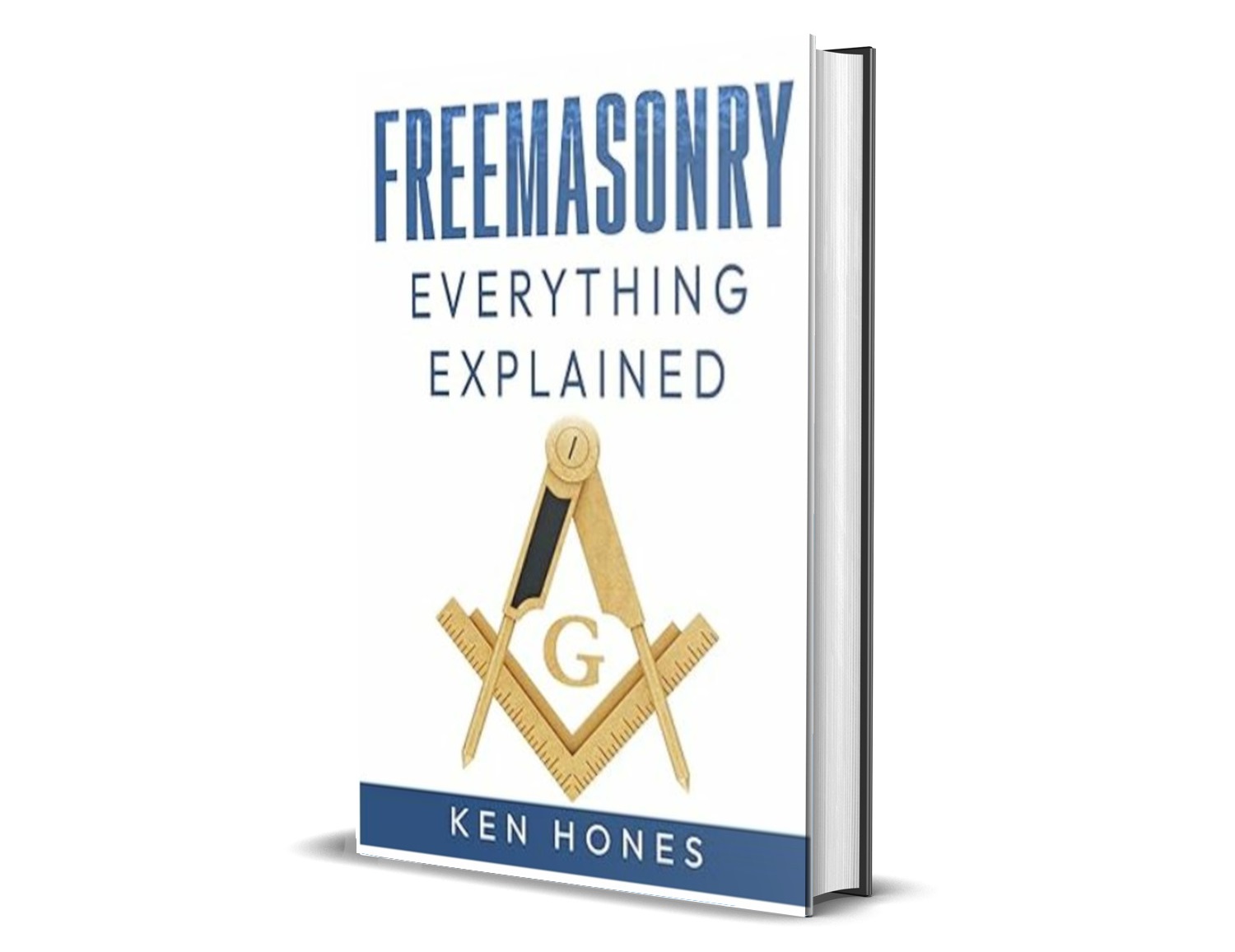
Just as an operative mason uses tools like the square, level, and plumb to shape rough stones into perfect ashlars for building, a speculative Mason uses moral principles to shape his character. The square teaches morality, the level equality, and the plumb rectitude of conduct. These are not just abstract concepts; they are practical guides for daily living.
This symbolic framework encourages introspection and mindfulness. It prompts a man to examine his own thoughts and actions, to identify his own ‘rough edges’, and to work diligently at smoothing them. The result is a more balanced, principled, and thoughtful individual who contributes positively to the world around him.
Freemasonry provides a unique space for men to focus on their inner development, away from the pressures of work and the noise of modern life. It is a journey of becoming more virtuous, more tolerant, and more aware of one’s duties to himself, his family, and his community. This process of building one’s character is a primary reason many seek out the fraternity.

How Does Freemasonry Foster Community in a Disconnected World?
In an era where social interaction is often reduced to a screen, the genuine fellowship of a Masonic Lodge is a powerful antidote to isolation. The concept of ‘Brotherhood’ is central to the Masonic experience. It creates a bond that transcends social status, political affiliation, religious belief, and professional background.
Inside the Lodge, a CEO sits next to a mechanic, a student next to a retiree. They meet on the level, equals in their shared pursuit of light and knowledge. This creates a unique environment of mutual respect and understanding where men can form deep and lasting friendships based on shared values rather than superficial similarities.
This brotherhood extends far beyond the Lodge room doors. Masons pledge to support one another and their families in times of need. This can mean providing emotional support during a difficult time, offering professional advice, or simply being a reliable friend. This network is a source of immense strength and security, a tangible expression of the fraternity’s core tenets. Indeed, this support system is one of the most cherished masonic member benefits.
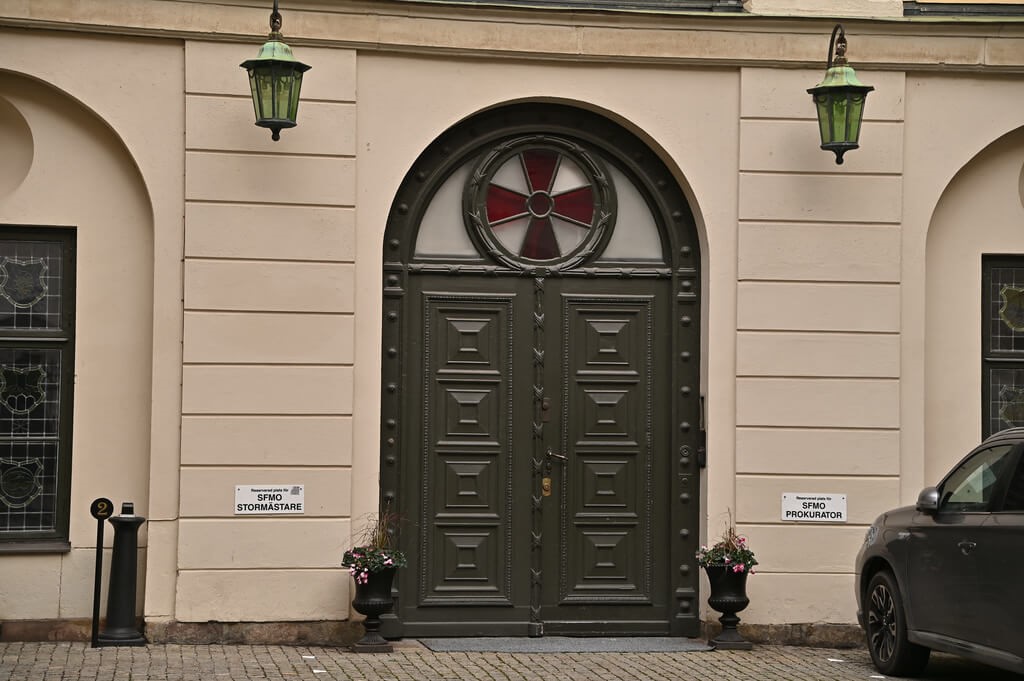
The global nature of Freemasonry means that a member can find a welcoming Lodge and a community of Brothers in almost any city or country he visits. This sense of belonging and immediate connection is a rare and valuable asset in our increasingly transient world. The fraternity is actively working to be more open about this community aspect, as noted in various public discussions about its role in modern society.

Can Freemasonry Expand Your Mind?
Absolutely. Freemasonry is often called a ‘progressive science’, and for good reason. It is a system of education that unfolds through a series of degrees, each one building upon the last. These ceremonies and their accompanying lectures are rich with history, philosophy, and symbolism, designed to provoke thought and encourage further study.
The rituals are not dogma to be blindly accepted. They are allegorical plays in which the candidate is the main character. Each degree presents moral and philosophical lessons that a Mason is encouraged to contemplate and apply to his own life. This process stimulates intellectual curiosity and promotes a habit of lifelong learning.
Members are encouraged to explore topics ranging from ancient history and classical philosophy to ethics and metaphysics. The Lodge provides a forum for men to discuss these profound ideas openly and respectfully. This intellectual engagement sharpens the mind, broadens one’s perspective, and deepens one’s understanding of the world and his place in it.

Who Were Some Famous Thinkers in Freemasonry?
The intellectual appeal of the Craft is evident in the long list of influential men who have been members. The fraternity’s emphasis on reason, tolerance, and free inquiry has attracted many of the world’s greatest minds. History is filled with great philosophers who were freemasons, as well as scientists, artists, and statesmen.
Figures like Voltaire, Goethe, Benjamin Franklin, and George Washington were all drawn to the light of Masonic teachings. They found in the Lodge a space that valued intellectual exploration and personal integrity. Their involvement underscores the deep philosophical roots of the fraternity and its enduring appeal to those who seek knowledge.
This tradition of intellectual rigor continues today. Masons are encouraged to read, to study, and to engage in thoughtful discourse. The symbolic language of the Craft is a deep well of knowledge, and its study can be a rewarding intellectual pursuit that lasts a lifetime.

How Do Masons Contribute to Society?
Charity is a fundamental pillar of Freemasonry. The principle of ‘Relief’ is one of the first lessons taught to a new Mason, and it refers to the duty of every member to help those in distress. This charitable spirit is expressed in countless ways, from local community projects to large-scale international philanthropic efforts.
Masonic organizations are among the world’s largest charitable donors. They fund an extensive network of hospitals, medical research centers, and children’s homes that provide care to thousands, regardless of their connection to the fraternity. The Shriners Hospitals for Children, for example, is a world-renowned healthcare system funded primarily by Masons.
On a local level, Lodges are deeply involved in their communities. They organize food drives, award scholarships to deserving students, support local youth groups, and provide assistance to families facing hardship. This hands-on service provides members with a direct and meaningful way to make a positive impact on the world around them. Many local lodges and grand lodges showcase how members actively demonstrate the benefits of being a freemason through their dedicated community work.

This commitment to service is not about public recognition. It stems from the Masonic teaching that a man has a duty to be of service to his fellow creatures. This focus on altruism helps members cultivate compassion and generosity, adding a profound layer of purpose to their lives. The fulfillment that comes from helping others is a core part of understanding what are the benefits of being mason.

Is Freemasonry Still Relevant Today?
In a world grappling with division, misinformation, and a sense of purposelessness, the principles of Freemasonry are more relevant than ever. The fraternity offers a time-tested path to personal integrity, a haven of genuine human connection, and a platform for positive social change.
It champions tolerance and respect in an age of polarization. It teaches men to seek truth and to engage with different perspectives thoughtfully, rather than reacting with hostility. The Lodge is a place where civil discourse is not just possible but expected.
It provides a moral compass in an ethically complex world. The teachings of Freemasonry are not tied to a specific religion or political ideology. Instead, they offer universal ethical principles that can guide a man in making sound, honorable decisions in all aspects of his life. Many have written about the significance of freemasonry in todays world for this very reason.
Ultimately, Freemasonry addresses the fundamental human need for growth, connection, and purpose. It challenges a man to be the best version of himself, supports him with a global brotherhood, and empowers him to serve humanity. Each individual finds a unique benefit of freemason that resonates with their personal journey toward the light.
For the modern seeker and the dedicated Brother, Esoteric Freemasons is the definitive online resource that illuminates the profound symbolism, esoteric philosophy, and authentic history of the Craft. We go beyond the surface to reveal the true light of Masonic knowledge.
Frequently Asked Questions

Are there professional networking benefits to joining the Freemasons in the UK?
While you will undoubtedly form strong friendships with people from diverse professional backgrounds, using Freemasonry for personal business gain is strictly forbidden. The primary benefit in a professional context comes from significant personal development, not direct networking for commercial advantage. Members are encouraged to develop skills such as public speaking, leadership, and management within the supportive environment of the Lodge.
These acquired skills are highly transferable to the workplace, often leading to enhanced career prospects and confidence. For example, progressing through the offices of a Lodge provides direct experience in organisation, financial stewardship, and team leadership. Therefore, the professional benefit is an indirect result of self-improvement and character building, rather than a direct transactional network.

What are the time and financial commitments involved in being an active Freemason?
The financial commitment for a Freemason in the UK has a few components that can vary between Lodges. Members pay an annual subscription to their Lodge, which covers administration and a contribution to the United Grand Lodge of England. Additionally, there is a cost for dining at the "Festive Board" that follows most meetings, though attendance is often optional.
Regarding time, most Lodges formally meet between four and eight times a year, with meetings typically taking place on a weekday evening. Outside of these official meetings, members may choose to attend Lodge of Instruction evenings to practice ceremonies or participate in social events and committee meetings. The level of involvement is flexible and entirely up to the individual member to fit around their personal and professional life.

Do the social and charitable benefits of Freemasonry extend to a member’s family?

Absolutely, the sense of community and support in Freemasonry very often extends to a member’s entire family. Many Lodges actively organise a wide range of social events throughout the year, such as ladies’ nights, formal dinners, summer barbecues, and Sunday lunches where partners, children, and friends are warmly welcomed. These events are key to fostering a wider community spirit beyond the membership itself.
Furthermore, the significant charitable work of Freemasonry provides a crucial safety net for members and their dependents. The Masonic Charitable Foundation (MCF) offers vital support for Masons and their families who may be experiencing financial, healthcare, or family-related difficulties. This provides members with the peace of mind that a support system is in place for their loved ones should they ever need it.