A Global Compass: Navigating Freemasonry’s Grand Lodges and Rites
Freemasonry, often shrouded in mystique, is a global fraternity with a presence that spans continents and cultures. Yet, for all its worldwide reach, its structure is intensely local, rooted in individual lodges where members meet. This creates a fascinating paradox: a universal brotherhood governed by a decentralized network of sovereign bodies. Understanding this structure is key to grasping the essence of the Craft itself.
The cornerstone of this global yet local framework is the Grand Lodge. Every regular Masonic lodge in the world operates under a charter granted by a Freemason Grand Lodge, which serves as the supreme administrative and judicial authority for a specific territory. This territorial jurisdiction could be a nation, a state, or a province, and it is this body that defines what constitutes legitimate Freemasonry within its borders.
This system ensures both consistency and diversity. While core principles and landmarks are shared, each Grand Lodge is independent, leading to a rich tapestry of traditions, rituals, and interpretations. This guide will serve as your compass, navigating the complex world of global Grand Lodges and the various Masonic Rites that flourish under their authority, offering a clearer picture of the fraternity’s intricate and fascinating organization.

What Exactly is a Grand Lodge?
A Grand Lodge is essentially the government of Freemasonry for its designated geographical area. It is a sovereign and independent body, created by a group of individual lodges, known as constituent or private lodges, that have come together to form a central authority. No higher human power in Freemasonry exists above a Grand Lodge.
Its primary functions are numerous and vital to the health of the Craft. A Grand Lodge is responsible for issuing charters or warrants, which are the official documents that permit a new lodge to be formed and to meet. It also establishes the constitution, laws, and regulations that govern all the lodges and individual Masons within its jurisdiction.
Furthermore, a Grand Lodge oversees the ritualistic work, ensuring that the ancient ceremonies and traditions are preserved and practiced correctly. It manages the fraternity’s finances and charitable endeavors within its territory and, crucially, handles foreign relations. This means deciding which other Grand Lodges around the world it will officially recognize as legitimate, a process that maintains the integrity of the global Masonic network.

How Did Grand Lodges Begin?
The modern organizational structure of Freemasonry dates back to a pivotal event in London. On St. John the Baptist’s Day, June 24, 1717, four existing lodges in London gathered at the Goose and Gridiron Ale-house. They resolved to form a Grand Lodge for themselves and their successors, electing the oldest Master Mason present, Anthony Sayer, as their first Grand Master.
This act marked a fundamental shift from the era of operative stonemason guilds to speculative Freemasonry. It established the first-ever Grand Lodge in the world, which would eventually evolve into the United Grand Lodge of England. This new model of a central governing body provided a blueprint that would be replicated across the globe as the fraternity expanded.
The idea quickly spread. Grand Lodges were soon established in Ireland in 1725 and Scotland in 1736. As the British Empire expanded, so did Freemasonry. Lodges were established in the American colonies, India, and other territories, which in time would form their own independent Grand Lodges, all tracing their lineage and authority back to the foundational principles established in 1717. You can learn more about this foundational period from those who preserve its legacy, as detailed in the history of Freemasonry.

Are All Grand Lodges the Same?
No, and this is a critical point of understanding for anyone exploring the Masonic world. The concept of ‘regularity’ is central to how Grand Lodges view one another. A regular Grand Lodge is one that adheres to a specific set of ancient principles, known as the landmarks. While the exact list of landmarks can vary slightly, they generally include core tenets.

These tenets typically involve a mandatory belief in a Supreme Being, the presence of a Volume of the Sacred Law (like the Bible, Torah, or Quran) on the lodge’s altar, and a prohibition on discussing sectarian religion and partisan politics within the lodge. Grand Lodges that uphold these principles are generally considered ‘regular’ and are in amity, or mutual recognition, with each other.
This leads to the major division in world Freemasonry. The ‘Anglo-American’ tradition, which includes the Grand Lodges of the UK, the United States, and most of the Commonwealth, strictly adheres to these requirements. In contrast, the ‘Continental’ or ‘Liberal’ tradition, exemplified by the Grand Orient de France, does not require a belief in a Supreme Being. This difference led to a schism in 1877, and as a result, these two branches of Freemasonry do not officially recognize each other. For a broader overview of the fraternity’s complex global variations, the general entry on Freemasonry provides extensive context.

A Tour of Major Grand Lodges Around the World
To truly appreciate the global Masonic landscape, one must look at its distinct regional characteristics. The fraternity has adapted and evolved differently in various parts of the world, creating unique Masonic cultures under the umbrellas of their respective Grand Lodges.

Where Does English Freemasonry Hold Sway?
The United Grand Lodge of England, or UGLE, is often called the ‘mother Grand Lodge’ of the world. Formed in 1813 from a merger of two rival English Grand Lodges, it is the governing body for the majority of Freemasons in England, Wales, the Channel Islands, and the Isle of Man. Its headquarters are in the iconic Freemasons’ Hall in London.
UGLE’s influence extends far beyond British shores. It presides over numerous Districts and Groups in countries throughout the world, many of them in Commonwealth nations. These Districts operate as administrative extensions of UGLE, governing lodges in their specific regions. For many, UGLE represents the benchmark for regularity and tradition in the Masonic world, and its recognition is highly sought after by other Grand Lodges.
How Does Freemasonry Differ in Continental Europe?
Continental Europe presents a more complex and diverse Masonic picture. The most significant body here is the Grand Orient de France (GOdF), founded in 1773. Its decision in 1877 to remove the requirement for its members to believe in a Supreme Being and to remove the Volume of the Sacred Law from its altars placed it at the head of the Liberal or adogmatic Masonic tradition.
The GOdF champions a principle of absolute freedom of conscience and often engages in discussions of social and political issues, which is strictly forbidden in Anglo-American Freemasonry. This philosophical divergence is the primary reason for the lack of mutual recognition between these two major branches of the fraternity.
Other European countries have their own unique systems. The Scandinavian nations, for example, predominantly practice the Swedish Rite, a form of Freemasonry that is explicitly Christian in its character and requires its members to profess a Christian faith. This stands in contrast to both the theistic but non-sectarian approach of UGLE and the secular approach of the GOdF.

What is American Freemasonry Like?
Freemasonry in the United States has a unique structure. There is no single national Grand Lodge. Instead, the country follows a federalist model where each state and the District of Columbia has its own sovereign and independent Grand Lodge. These Grand Lodges are all in amity with one another and mutually recognize each other’s authority within their respective state lines.
This state-based system means that while the core principles are the same, there can be minor variations in ritual and regulations from one state to another. American Freemasonry is also notable for the high visibility and popularity of its appendent bodies, such as the York Rite and the Scottish Rite, which offer further degrees and lessons to Master Masons.

For those in the US interested in the Craft, the journey begins by finding a lodge in their state. The decentralized nature of American Masonry means a prospective member would need to search for a freemason lodge near me to begin the process of petitioning for membership. The governance of these local masonic lodges falls entirely under the jurisdiction of that state’s Grand Lodge.

Does Freemasonry Exist in Other Parts of the World?
Absolutely. The question often arises, are freemasons in every country, and the answer is nearly. The fraternity has a significant presence in Latin America, where a mix of Anglo-American and Continental systems can be found. Countries like Brazil have multiple recognized Grand Lodges, reflecting a complex Masonic history.
In Asia, Africa, and the Middle East, Freemasonry was often introduced during colonial periods. Over time, many of these lodges, originally chartered by European Grand Lodges, came together to form their own independent national Grand Lodges, such as the Grand Lodge of India or the Grand Lodge of the Philippines. For those seeking a comprehensive list, there are resources that catalogue many of the recognized world Grand Lodges across the globe.

What Are Masonic Rites?
While a Grand Lodge governs the foundational Masonic experience, the term ‘Rite’ refers to a specific series of degrees that a Mason can pursue after becoming a Master Mason. The first three degrees—Entered Apprentice, Fellowcraft, and Master Mason—are known as Craft or Blue Lodge Masonry and are under the exclusive control of a Grand Lodge. All other Masonic bodies that confer subsequent degrees are considered appendent or concordant.
These Rites are not ‘higher’ in the sense of authority; a 32nd-degree Scottish Rite Mason and a 3rd-degree Master Mason are equal within the Blue Lodge. Instead, Rites offer to expand upon and provide further interpretation of the lessons and symbolism of the first three degrees. They are separate organizations with their own leadership structures, but membership always requires a Mason to be in good standing with their Blue Lodge.

What is the York Rite?
The York Rite, sometimes called the American Rite, is one of the two most prominent appendent body systems in the United States. It is not a single entity but a collection of separate Masonic bodies: the Royal Arch Masons, the Cryptic Masons, and the Knights Templar. Each body confers its own set of degrees.
The degrees of the York Rite are largely based on Judeo-Christian narratives. They continue the story of King Solomon’s Temple, its destruction, and the eventual rebuilding of the Second Temple. The capstone of the York Rite is the Order of the Knights Templar, which is unique in that it requires its members to be Christians.

What is the Ancient and Accepted Scottish Rite?
The Scottish Rite is the other major appendent body, found worldwide. It is best known for its system of 33 degrees, numbered from 1 to 33. The first three degrees are typically conferred in a Blue Lodge, so a Master Mason joining the Scottish Rite would begin with the 4th degree.
The degrees of the Scottish Rite are elaborate allegorical plays that explore a wide range of philosophical, ethical, and historical themes. They draw from a vast well of world history and comparative religion to encourage members to contemplate their relationship with themselves, their society, and the Divine. The Rite is particularly rich in symbolism, and many well-known masonic logos symbols, such as the double-headed eagle of the 33rd degree, originate from its teachings.

How Do Grand Lodges and Rites Interact?
The relationship is one of sovereignty and deference. A Grand Lodge is the supreme authority over all Masons and Masonic activity within its jurisdiction, specifically the first three degrees. The Rites and other appendent bodies are guests in that jurisdiction and operate only with the permission of the Grand Lodge.
To join any Rite, a man must first be a Master Mason in good standing in a lodge chartered by a regular Grand Lodge. If he is suspended or expelled from his Blue Lodge, he automatically loses his membership in all appendent bodies. This ensures the primacy of the Grand Lodge and the fundamental importance of Craft Masonry.
In essence, a Mason’s journey begins and ends in the Blue Lodge. The Rites offer a form of continuing education, a ‘Masonic university’ where he can delve deeper into the philosophical and symbolic lessons introduced in his first three degrees. They are parallel paths of learning, not a ladder of authority.
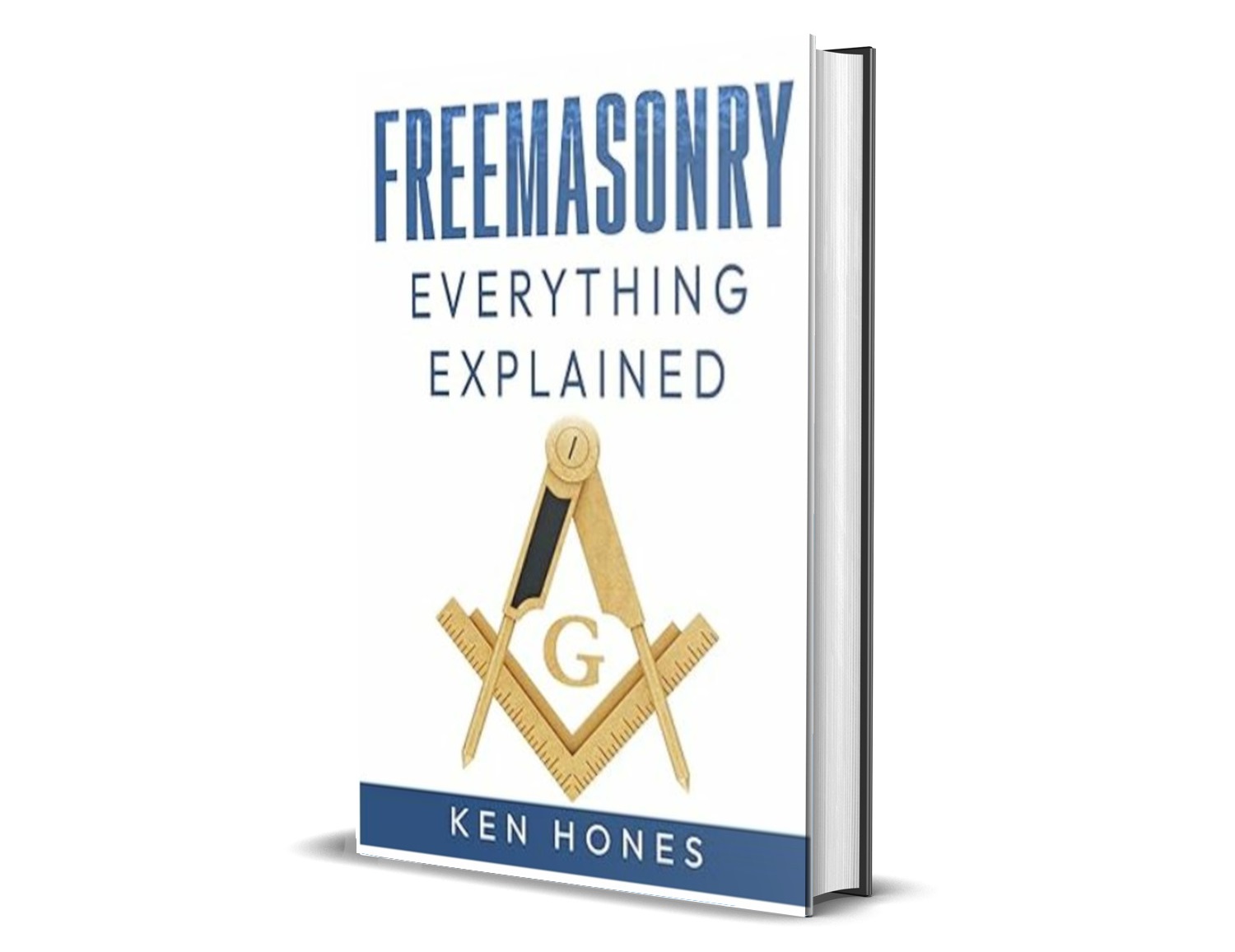
Freemasonry’s global structure is a testament to its enduring appeal and adaptability. It is a unified fraternity built on a foundation of independent, sovereign Grand Lodges, each preserving the core tenets of the Craft while reflecting the unique culture of its home. This balance of universal principle and local expression is what has allowed the square and compasses to become a symbol of brotherhood in nearly every corner of the world.
Frequently Asked Questions

What is the typical process for joining a Masonic lodge after I make initial contact?
After you express interest, a member of the lodge will typically contact you to arrange an informal meeting, often over coffee or at the lodge itself. This initial conversation is a two-way street; it allows you to ask questions about Freemasonry and for the members to get to know your character and reasons for joining. The primary purpose is to ensure that you are a suitable candidate and that the fraternity is a good fit for your personal goals.
If there is mutual interest in moving forward, you will be given a formal application, known as a petition. Once submitted, an investigation committee is assigned to meet with you more formally and sometimes speak to your personal references. Following a positive report from the committee, the lodge members will vote on your petition, and if the ballot is favorable, you will be notified of the date for your first degree ceremony.

What is the expected time commitment for a new Freemason?
The initial time commitment for a new member is generally the most intensive, as you will be working to complete the first three degrees of Masonry. Most lodges hold one or two stated meetings per month, which you will be expected to attend. Additionally, you will need to dedicate time outside of meetings to learn the ritualistic work and memory portions for each degree, usually with the help of a mentor.

Once you become a Master Mason, your level of participation is largely flexible and based on your personal interests and availability. While attending regular meetings is encouraged, you can choose to deepen your involvement by joining committees, serving as a lodge officer, or participating in charitable activities. Many Masons find that the time they invest is returned tenfold in personal growth and fellowship.

Can I visit a Masonic lodge event before I decide to join?
Yes, and in fact, it is highly recommended as a crucial step in your journey. While the formal, ritualistic meetings of a lodge are private and for members only, most lodges regularly host social events that are open to prospective members, families, and friends. These gatherings can include dinners, community fundraisers, public open houses, or other casual social functions.
Attending these open events provides an excellent, low-pressure opportunity to meet the members of the lodge and experience their unique culture and fellowship firsthand. It allows you to ask questions in a relaxed environment and determine if the specific group of men in that lodge is a good fit for you. When you contact a lodge, be sure to ask about any upcoming events that you would be welcome to attend.
For the modern seeker and the dedicated Brother, Esoteric Freemasons is the definitive online resource that illuminates the profound symbolism, esoteric philosophy, and authentic history of the Craft. We go beyond the surface to reveal the true light of Masonic knowledge.