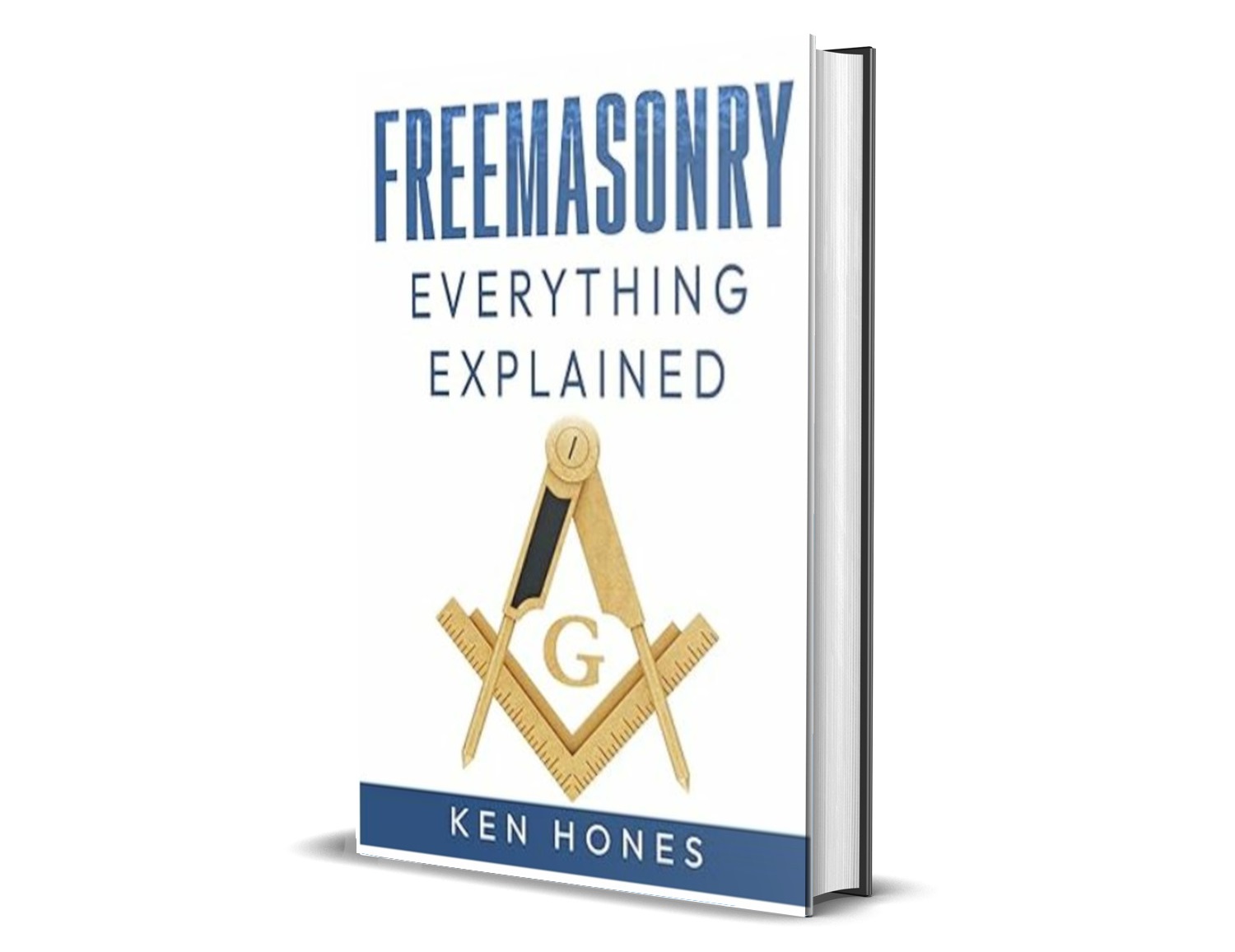
The Unseen Power of Masonic Ritual: A Journey Through Symbol and Ceremony
For centuries, the ceremonies of Freemasonry have been shrouded in a veil of mystique and speculation. To the outside world, they can seem like archaic, secretive performances with little relevance to modern life. Yet, for the millions of men who have participated in them, these rituals are the very heart of the Masonic experience. They are not empty traditions but profound, multi-layered tools designed for one primary purpose: to teach, to inspire, and to transform.
At its core, Masonic ritual is a form of participatory theater, a philosophical drama in which every member is both an actor and a student. The lessons are not delivered in a dry lecture but are experienced firsthand, engaging the mind, the emotions, and the memory. This process begins with a candidate’s very first steps into the Lodge. The journey through the degrees is a carefully constructed path of enlightenment, and the Freemason First Degree ritual serves as the foundational experience, introducing concepts that will be built upon for the rest of a Mason’s life.
This system of education through allegory and symbolism is what sets Freemasonry apart. It uses ancient methods of instruction that predate modern classrooms, methods that speak to a deeper part of the human psyche. By understanding the ‘why’ behind the ceremonies, we can begin to appreciate their enduring power and relevance in the 21st century.

What is Masonic Ritual, Really?
When we hear the word ‘ritual’, we might think of rigid, repetitive actions performed without thought. Masonic ritual, however, is a dynamic and living tradition. It is a set of formalized ceremonies that use allegory, or extended metaphors, to present the core principles and moral philosophies of the Craft. Think of it less as a script to be memorized and more as a map for a journey of self-discovery.
Each degree ceremony tells a story, often based on the allegorical construction of King Solomon’s Temple. The candidate is the central figure in this drama, experiencing the story’s events personally. This immersive approach ensures that the lessons are not just intellectually understood but are felt and internalized. The goal is to make a lasting impression on the heart and mind, encouraging a lifelong commitment to personal growth and moral rectitude.
This method is far from arbitrary. It is a sophisticated educational system that leverages the power of symbolism and shared experience to convey its teachings. It bypasses the limitations of simple language, allowing for a deeper, more personal understanding of complex philosophical ideas.

Why Does Freemasonry Rely on Allegory?
The use of allegory is perhaps the most defining characteristic of Masonic instruction. Instead of presenting a list of rules or doctrines, Freemasonry embeds its lessons within stories and symbols. This approach is intentional and highly effective for several reasons.

How Do Symbols Speak Louder Than Words?
Symbols are the universal language of the human mind. A symbol like the square and compasses can convey a wealth of meaning about morality, balance, and one’s relationship with the divine and with humanity, all without a single word. These symbols act as mental anchors, powerful reminders of the principles a Mason strives to live by.
Tools of ancient stonemasons are repurposed as moral instruments. The common gavel represents the force needed to chip away our vices, while the 24-inch gauge symbolizes the twenty-four hours of the day, to be divided for work, refreshment, and service. This symbolic language engages the subconscious, allowing lessons to resonate on a level that simple instruction cannot reach. For those curious about the basics, it’s helpful to understand what is Freemasonry in simple terms before diving deeper into its symbolic structure.

What is the Role of Storytelling in Masonic Teaching?
Humans are wired for stories. We have learned through myths, parables, and fables for millennia. Freemasonry taps into this ancient tradition by framing its degrees as allegorical narratives. The building of the Temple is not just a historical account but a grand metaphor for the construction of a virtuous character and a just society.

By participating in this story, a Mason learns about the challenges of life, the importance of integrity, and the pursuit of truth. The 1st Degree Freemason ritual is the first chapter in this personal and collective story. The consistent and careful delivery of this narrative is crucial, and understanding the principles behind a proper 1st Degree Masonic ritual emulation highlights the importance placed on the integrity of the experience. This narrative framework makes abstract concepts like fidelity and charity tangible and memorable.

How Does Ceremony Transform the Individual?
The formal, structured environment of a Masonic ceremony is designed to create a unique psychological space. It separates the Lodge from the outside world, allowing participants to focus entirely on the work at hand. This deliberate separation is a key part of the ritual’s transformative power.

What is the Psychological Impact of Ritual?
Performing a ceremony that has been conducted in much the same way for centuries connects a Mason to a long chain of history. The repetition, the specific wording, and the choreographed movements all work together to induce a state of heightened awareness and receptivity. This focus helps to quiet the noise of daily life and opens the mind to deeper introspection.
Memorizing parts of the ritual is not just about rote learning; it is an act of discipline that helps to internalize the teachings. When a Mason recites a passage, he is not just speaking words; he is reaffirming his commitment to the principles they represent. Many have explored what is the purpose and power of Masonic ritual from a philosophical and psychological standpoint, concluding that it is a profound tool for character development. The ceremony becomes a part of him, a moral compass he can access at any time.

How Does Ritual Foster Brotherhood and Connection?
One of the most powerful outcomes of Masonic ritual is the creation of a deep and lasting bond between members. Undergoing a shared, profound experience is one of the fastest ways to build trust and camaraderie. When two Masons meet, even if they are strangers from different countries, they know they have walked the same symbolic path.
This shared journey creates a common language and a foundation of mutual understanding. It transcends cultural, religious, and political differences, uniting men under the common goals of self-improvement and service to humanity. The ritual is a central part of what do Freemasons do, as it is the very activity that forges individuals into a cohesive and supportive Brotherhood. This shared experience is the glue that holds the fraternity together.

What Are the Core Lessons Taught Through Ritual?
While the rituals are complex and rich with layers of meaning, they consistently point back to a set of core principles. These lessons are timeless and universal, focused on building a better world by first building better men.

What Moral Virtues Are Emphasized?
At its heart, Masonic ritual is a system of morality. It teaches virtues like temperance, fortitude, prudence, and justice. It extols the importance of truth, honor, and integrity in all of one’s dealings. The concept of charity, or brotherly love, is a cornerstone, encouraging Masons to relieve the distressed and support their fellow man.
These are not abstract ideals but are presented as practical guides for living a worthy life. The lessons are designed to be applied in a Mason’s daily interactions with his family, his community, and the world at large. The various Masonic rituals an overview can provide shows the consistency of these moral themes across different ceremonies and jurisdictions.

How Does Ritual Encourage Self-Improvement?
The central allegory of Freemasonry is one of building. A candidate first enters the Lodge as a ‘rough ashlar’, a stone that is uncut and imperfect. Through the lessons of the craft and his own diligent effort, he is meant to work on himself, smoothing his character and preparing himself to be a ‘perfect ashlar’, a stone fit for the spiritual temple.

This metaphor is a powerful call to continuous self-improvement. It teaches that personal growth is a lifelong task that requires dedication, the right tools, and the support of one’s brothers. The journey through the Freemason secrets ancient Masonic rites rituals and myths reveals that this theme of personal transformation is an ancient one, echoed in wisdom traditions around the world. Freemasonry provides a structured pathway for this journey.

Is Masonic Ritual Still Relevant Today?
In an age of instant gratification and digital distraction, the idea of a formal, centuries-old ritual might seem outdated. However, its relevance may be greater now than ever before. Our modern world often lacks spaces for quiet contemplation, deep human connection, and a focused study of morality.
Freemasonry provides that space. Its rituals offer an anchor in a turbulent sea, a connection to timeless principles that are not subject to passing trends. They challenge a man to look inward, to consider his character, and to hold himself to a higher standard. The ceremonies remind him that he is part of something larger than himself, a tradition dedicated to making the world a better place, one man at a time.
The power of Masonic ritual lies not in its secrecy, but in its profound ability to communicate truth through shared, symbolic experience. It is a journey that begins with a single step but offers a lifetime of learning, fellowship, and personal enlightenment.
Frequently Asked Questions

What does it mean to be "raised" to the degree of a Master Mason?
Being "raised" is a symbolic term for the culmination of the Third Degree ritual, where the candidate is allegorically brought from a figurative death to a new, more enlightened state of being. This powerful ceremony represents a moral and spiritual resurrection, signifying the candidate’s transition to a higher level of understanding within Freemasonry. It is the final and most profound stage of the Blue Lodge journey, completing the lessons taught in the first two degrees.
Upon being raised, a Freemason becomes a full member of the fraternity, entitled to all its rights and privileges, including the ability to hold office within the lodge and vote on its affairs. This new status signifies that he has demonstrated his fidelity and is now entrusted with the complete symbolism and moral teachings of the craft. He is encouraged to continue his search for light and to apply the lessons of integrity and virtue learned in the degree to his own life.

Is the reenactment of the Hiramic Legend in the Third Degree ritual violent?
The reenactment of the story of Hiram Abiff is a solemn and symbolic allegorical play, not an act of actual violence. While the narrative itself involves a confrontation and the tragic death of the story’s hero, the ritual is performed in a stylized, dramatic fashion intended to teach moral lessons. The focus is entirely on the symbolism of integrity, loyalty, and the consequences of vice, not on causing the candidate any physical harm or genuine fear.
Every part of the ceremony is conducted with the utmost respect and concern for the candidate’s well-being. The purpose of this dramatic presentation is to create a profound and lasting impression about the importance of maintaining one’s principles, even in the face of extreme adversity. The experience is designed to be contemplative and thought-provoking, encouraging deep reflection on mortality, virtue, and fidelity.

What is the significance of the "lost word" in the Third Degree?
The concept of a "lost word" is a central symbol in Freemasonry, representing the divine truth or ultimate knowledge that has been lost to mankind. In the context of the ritual, its loss is linked to the death of the master architect, symbolizing that the profound secrets of life and mortality cannot be easily passed on but must be discovered through one’s own journey. The search for this word thus becomes a metaphor for a Mason’s lifelong quest for spiritual light, self-improvement, and a deeper understanding of the universe.
Because the genuine word is considered lost, a substitute is given to the new Master Mason, which enables him and his brothers to continue their work. This substitute word symbolizes that while ultimate truth may be unattainable in this life, we are equipped with the moral and philosophical tools to live virtuously and build a better world. The true lesson is not about finding a specific secret word, but about committing to the noble and unending search for knowledge and truth.
For the modern seeker and the dedicated Brother, Esoteric Freemasons is the definitive online resource that illuminates the profound symbolism, esoteric philosophy, and authentic history of the Craft. We go beyond the surface to reveal the true light of Masonic knowledge.