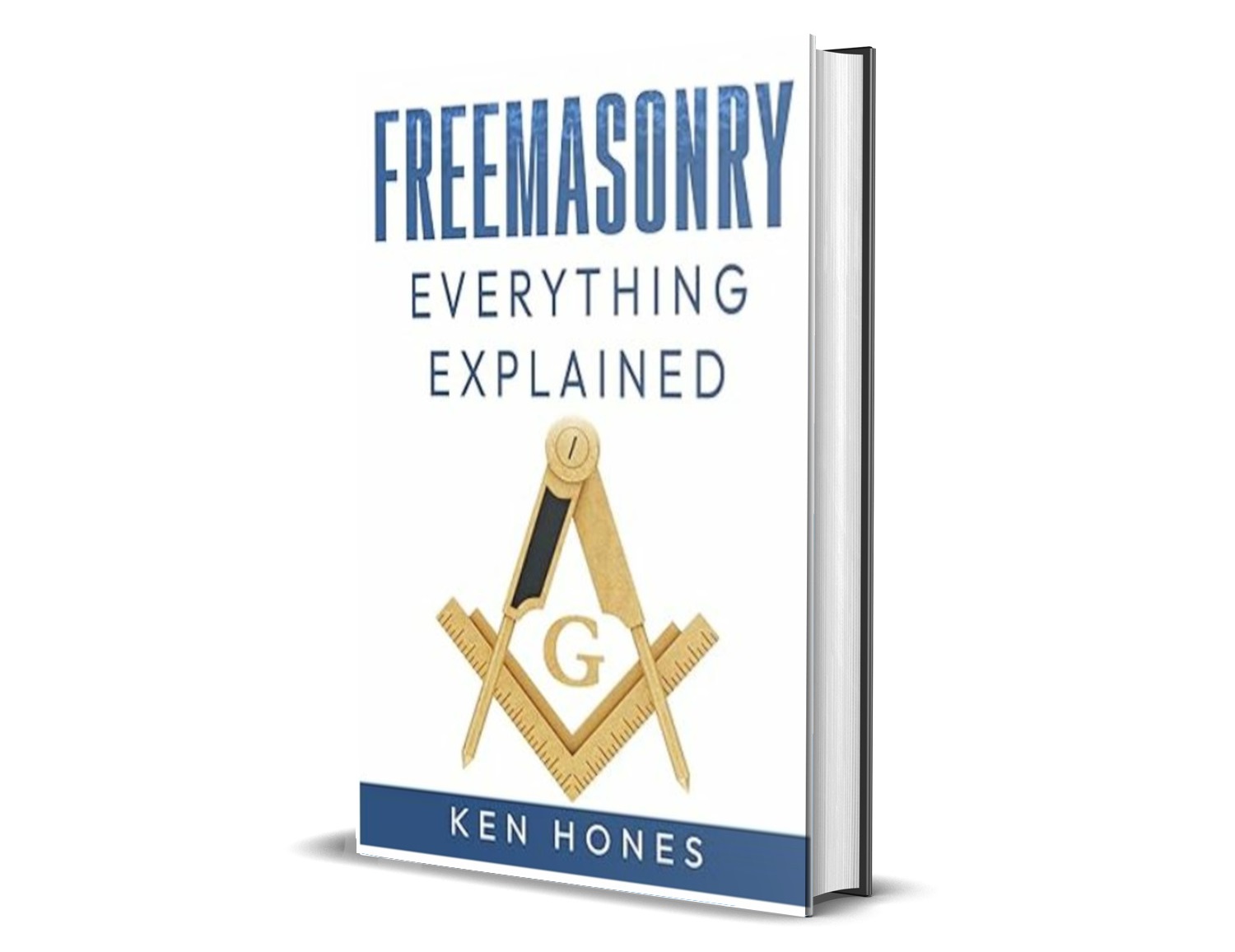
Beyond the Brotherhood: The Evolving Role of Women in Freemasonry
When one pictures a Freemason, the image that often comes to mind is of men in aprons, gathering in secret, a tradition-bound brotherhood stretching back centuries. This picture, while historically accurate in its origins, is incomplete. It overlooks a fascinating and complex history that runs parallel to mainstream Freemasonry, a history rich with determined, thoughtful, and spiritually-driven women. The story of women and Freemasonry is not one of absolute exclusion but of evolution, adaptation, and the creation of vibrant, independent Masonic traditions.
The conversation about gender and the Craft can be confusing, filled with nuanced terms like ‘regularity’ and ‘recognition’. Yet, cutting through the jargon reveals a simple truth. For over a century, women have been practicing Freemasonry with the same dedication to self-improvement, charity, and esoteric inquiry as their male counterparts. The modern Masonic landscape is far more diverse than many realize, and understanding the existence of female Masons is key to grasping the full picture of the Craft today.
This exploration will delve into the historical context that shaped Freemasonry as a male fraternity, uncover the remarkable stories of early female initiates, and chart the rise of women-only and co-Masonic orders. We will examine their practices, their relationship with mainstream Freemasonry, and what the future may hold for this ever-evolving dynamic. It is a story of parallel paths, shared ideals, and the enduring human quest for light.

What is the Traditional Stance on Women in Freemasonry?
To understand why women were not originally included in Masonic lodges, we must look to the social and historical context of the early 18th century. When the first Grand Lodge was formed in London in 1717 and later codified its principles in James Anderson’s Constitutions of 1723, the world was a very different place. Society was rigidly patriarchal, and public and professional life was almost exclusively the domain of men.
Anderson’s Constitutions stipulated that a candidate for Freemasonry must be a man, ‘free-born, and of mature and discreet age, no bondman, no woman, no immoral or scandalous man, but of good report’. The exclusion of ‘bondmen’ or indentured servants was based on the idea that a Mason must be his own master, free to make his own decisions. The exclusion of women stemmed from the legal and social norms of the era, where women had few legal rights, could not own property independently, and were not considered ‘free’ in the same sense as men.
These original rules, known as the ‘Ancient Charges’, became a foundational tenet for what is now termed ‘regular’ Freemasonry, the lineage of Grand Lodges recognized by the United Grand Lodge of England (UGLE). For these mainstream bodies, the requirement of being a man remains a cornerstone of their tradition and a prerequisite for membership and recognition. This historical framework is the starting point from which the entire narrative of women in Freemasonry diverges.

How Did Women First Become Involved in Freemasonry?
Despite the formal prohibitions, the allure of Masonic philosophy and fellowship was not lost on women. The earliest widespread involvement of women took a unique form in 18th-century France with the emergence of ‘Lodges of Adoption’. These were quasi-Masonic bodies sponsored by regular male lodges, created for the female relatives of their members.
While members of Adoption Lodges were not considered Freemasons in the same way as their male counterparts, they participated in modified rituals with a Masonic flavor. The symbolism was often adapted, drawing from biblical heroines and feminine virtues rather than the craft of stonemasonry. These lodges provided women with a space for social networking, philosophical discussion, and charitable work, mirroring the functions of the male lodges to which they were attached.
Though sometimes dismissed as merely a social phenomenon, the Lodges of Adoption were significant. They established a precedent for women’s organized participation in a Masonic environment and demonstrated a clear desire among women to engage with the ideals of the Craft. This system, however, was still one of dependency, operating under the charter and authority of a male lodge.

Who Was Elizabeth Aldworth?
Long before the Lodges of Adoption, there were isolated and exceptional cases of women being formally initiated into otherwise all-male lodges. The most famous of these is the story of Elizabeth Aldworth, the ‘Lady Freemason’ of Ireland. Born in 1695, she was the daughter of Arthur St Leger, 1st Viscount Doneraile.

The story, now a celebrated part of Masonic lore, goes that a lodge was meeting in her family home. Overcome by curiosity, a young Elizabeth concealed herself in an adjoining room where she could observe the proceedings of a degree ceremony. She was discovered when she tried to slip away, creating a crisis for the lodge members. Their secrets had been compromised.
After a lengthy deliberation, the members of the lodge made a radical decision. The only way to bind her to the same oath of secrecy that they had all taken was to initiate her into the fraternity. Elizabeth Aldworth was therefore made a Freemason, receiving at least the first two degrees. She remained a respected member of the Craft for the rest of her life and was known to wear her Masonic apron at public events. Her tale remains a powerful, albeit highly unusual, example of an exception to the rule.

What are Co-Masonic and Women-Only Grand Lodges?
The true turning point for women in Freemasonry arrived in the late 19th century with the birth of independent Masonic organizations that offered women full and equal membership. This movement was rooted in a different philosophical stream of Continental European Freemasonry, which placed less emphasis on the strict English ‘Ancient Charges’.
The first and most influential of these was the International Order of Freemasonry for Men and Women, Le Droit Humain, founded in France in 1893. Its creation was revolutionary. It was founded on the principle that Freemasonry should be open to all humanity, regardless of gender, race, or religion. Le Droit Humain initiated men and women on equal terms, using traditional Masonic ritual, and quickly spread across the globe, establishing a robust international presence.
In early 20th-century Britain, some members of Le Droit Humain felt a desire to create a Masonic space exclusively for women. This led to the formation of two distinct but significant women-only Grand Lodges. The first was the Honourable Fraternity of Antient Freemasons (HFAF), established in 1913, which now calls itself ‘Freemasonry for Women’. The second was the Order of Women Freemasons (OWF), founded in 1908, which is today the largest Masonic organization for women in the United Kingdom. These bodies provided an environment where women could lead, govern, and practice the Craft entirely on their own terms, fostering a powerful sense of sisterhood and empowerment. The journey to understanding what female Masons are begins with acknowledging these legitimate and long-standing organizations.
These orders are not small, fringe groups. They are well-established, international bodies with thousands of members, their own grand lodges, and a rich history of practicing Masonic ritual and philosophy. Their existence fundamentally changes the narrative from one of exclusion to one of parallel development. The extensive historical records available help to learn about Freemasonry, women, and Freemasonry from a more complete perspective.

How Do These Lodges Differ from Traditional Freemasonry?
In terms of substance, the differences are fewer than one might expect. Women-only and co-Masonic bodies practice Freemasonry with a high degree of fidelity to established traditions. They confer the three degrees of Entered Apprentice, Fellow Craft, and Master Mason, and many have appendant bodies for further study, such as the Royal Arch or the Scottish Rite.
Their ceremonies, moral teachings, and symbolic language are largely identical or closely parallel to those used in mainstream male lodges. The core tenets of self-improvement through allegory and symbolism, commitment to charity, and the bonds of fellowship are the same. The primary, and most obvious, difference is their inclusive membership policy.
The most significant point of divergence is the concept of ‘regularity’. Mainstream Grand Lodges, like the UGLE and most Grand Lodges in the United States, do not formally recognize women’s or co-Masonic lodges. This is not a judgment on the quality of their Masonic work but a strict adherence to their own constitutional definitions, which include the requirement for an all-male membership. This lack of formal recognition means that a member of a male lodge cannot officially visit a women’s lodge meeting, and vice versa. It creates two parallel Masonic worlds, rather than one integrated one. The complex history of Freemasonry and women is deeply tied to this principle of regularity and recognition.

Are There Female Freemasons Recognized by Mainstream Lodges?
This question lies at the heart of the modern discussion and is a source of frequent confusion. The answer is nuanced. Officially, no. A Grand Lodge in amity with the UGLE does not recognize any lodge that admits women. Therefore, they do not consider female Masons to be ‘regular’ Freemasons.
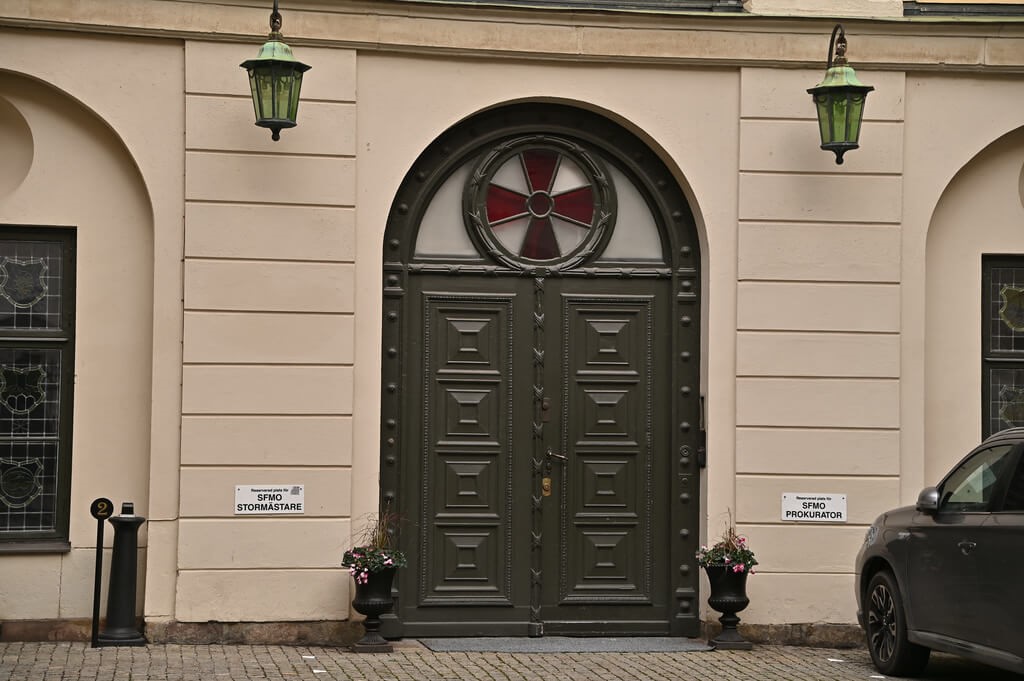
However, the stance of the mainstream Craft has softened and evolved significantly in recent decades. The UGLE, a global benchmark for regularity, issued a pivotal statement in 2018. It clarified its position, stating that while the UGLE remains exclusively for men, it acknowledges that women’s Grand Lodges are part of Freemasonry. The statement affirmed that discussions about Freemasonry with female Masons are permissible and that informal social contact at events is welcomed.
This was a landmark moment. It moved the relationship from one of silent non-acknowledgment to one of respectful coexistence. It validates the sincerity and Masonic nature of the women’s orders, even without extending formal recognition. It allows for a Brother from a UGLE lodge and a Sister from the OWF or HFAF to meet at a dinner or a public lecture and greet each other as fellow travelers on the Masonic path, even if they cannot attend each other’s lodge meetings. This pragmatic approach reflects a growing understanding and a move away from the rigid divisions of the past, as ongoing community discussions about women in Freemasonry continue to shape perceptions.

What is the Experience of a Woman in Freemasonry Today?
For the thousands of women who are Freemasons, the experience is profoundly rewarding. They join for the same reasons men do. They seek personal growth, a deeper understanding of themselves and the universe, a structured path for ethical living, and a community of like-minded individuals. They are drawn to the history, the symbolism, and the promise of finding more light.
Within their lodges, women take on all the leadership roles, from serving as Worshipful Master to holding office in their Grand Lodge. This provides invaluable experience in governance, public speaking, and management. For many, the sisterhood forged in a women-only lodge is a uniquely powerful and supportive environment. You can read inspiring firsthand accounts that detail a woman’s journey in Freemasonry to better understand these personal motivations.
The esoteric and philosophical dimensions are central to their practice. They study the allegories of the Craft, seeking to apply its moral lessons to their own lives. Their pursuit of light and knowledge mirrors that of their male counterparts, who seek to understand concepts like what is the Royal Secret of Freemasonry. The core quest is universal, transcending gender.
The journey of female Freemasons is one of dedication and a commitment to the highest ideals of the fraternity. They perform ritual, engage in charity, support their communities, and provide a welcoming space for women seeking a spiritual and philosophical home.

What Does the Future Hold for Women and the Craft?
The landscape of Freemasonry is continually evolving. In an era of increasing transparency and social change, the presence and contribution of women in the wider Masonic family are more visible than ever. The internet has allowed women’s Grand Lodges to reach a broader audience, demystifying their work and attracting new members.
While it seems unlikely that the major ‘regular’ Grand Lodges will change their core constitutional requirement of being male, the trend towards mutual respect and informal cooperation is likely to continue. The dialogue is shifting from ‘if’ women can be Masons to ‘how’ the different branches of the Masonic family can best coexist and collaborate for the good of all.
The story of women and Freemasonry is a testament to the enduring power of Masonic ideals. It shows that the principles of brotherly love, relief, and truth are not inherently gendered. Women, through their own initiative and perseverance, have carved out a legitimate and thriving place within the broad tapestry of the Craft.
They have not waited for permission but have built their own temples, governed their own lodges, and pursued Masonic light with vigor and sincerity. As we look to the future, it is clear that women are not a footnote in Masonic history. They are an essential and inspiring chapter, and their contributions will continue to enrich the global Masonic tradition for generations to come.
Frequently Asked Questions

How is the Order of the Eastern Star connected to Freemasonry?

The Order of the Eastern Star is not a part of Freemasonry but is a closely related appendant body. Its membership structure is directly tied to the Masonic fraternity, as only Master Masons and their specific female relatives are eligible to join. This foundational link ensures a shared community and understanding between the two organizations.
While their rituals, lessons, and governance are entirely separate, they are united by common values and goals. Both organizations are dedicated to principles of charity, truth, fraternity, and personal betterment, often collaborating on community service projects and social events. It is common for local Eastern Star Chapters to meet in Masonic Lodge buildings, reinforcing their parallel, supportive relationship.

What do the five points of the Eastern Star symbol represent?
The five points of the inverted star, the central emblem of the Order, each represent a heroic female figure from the Bible. These heroines were selected for their embodiment of the Order’s principal virtues and serve as moral examples for its members. The five figures are Adah, Ruth, Esther, Martha, and Electa, and each has an associated color and lesson.
Each point’s lesson corresponds to a specific virtue exemplified by its heroine: Adah (blue) represents fidelity; Ruth (yellow) represents constancy; Esther (white) represents loyalty; Martha (green) represents faith; and Electa (red) represents love. Together, these five lessons form the moral and ethical foundation taught within the Order’s ceremonies.

Is the Order of the Eastern Star considered a religion?
No, the Order of the Eastern Star is a fraternal and charitable organization, not a religion or a substitute for one. While its teachings are based on allegorical stories from the Bible and a belief in a Supreme Being is a requirement for membership, it is open to people of all faiths. The Order does not prescribe specific religious dogma or interfere with a member’s personal spiritual beliefs.
The organization uses these scriptural narratives as a framework for teaching moral lessons and inspiring members toward a life of service. Its primary purpose is to provide a community for fellowship, personal development, and charitable outreach. The focus is on shared values like kindness and truth rather than religious worship or doctrine.

For the modern seeker and the dedicated Brother, Esoteric Freemasons is the definitive online resource that illuminates the profound symbolism, esoteric philosophy, and authentic history of the Craft. We go beyond the surface to reveal the true light of Masonic knowledge.