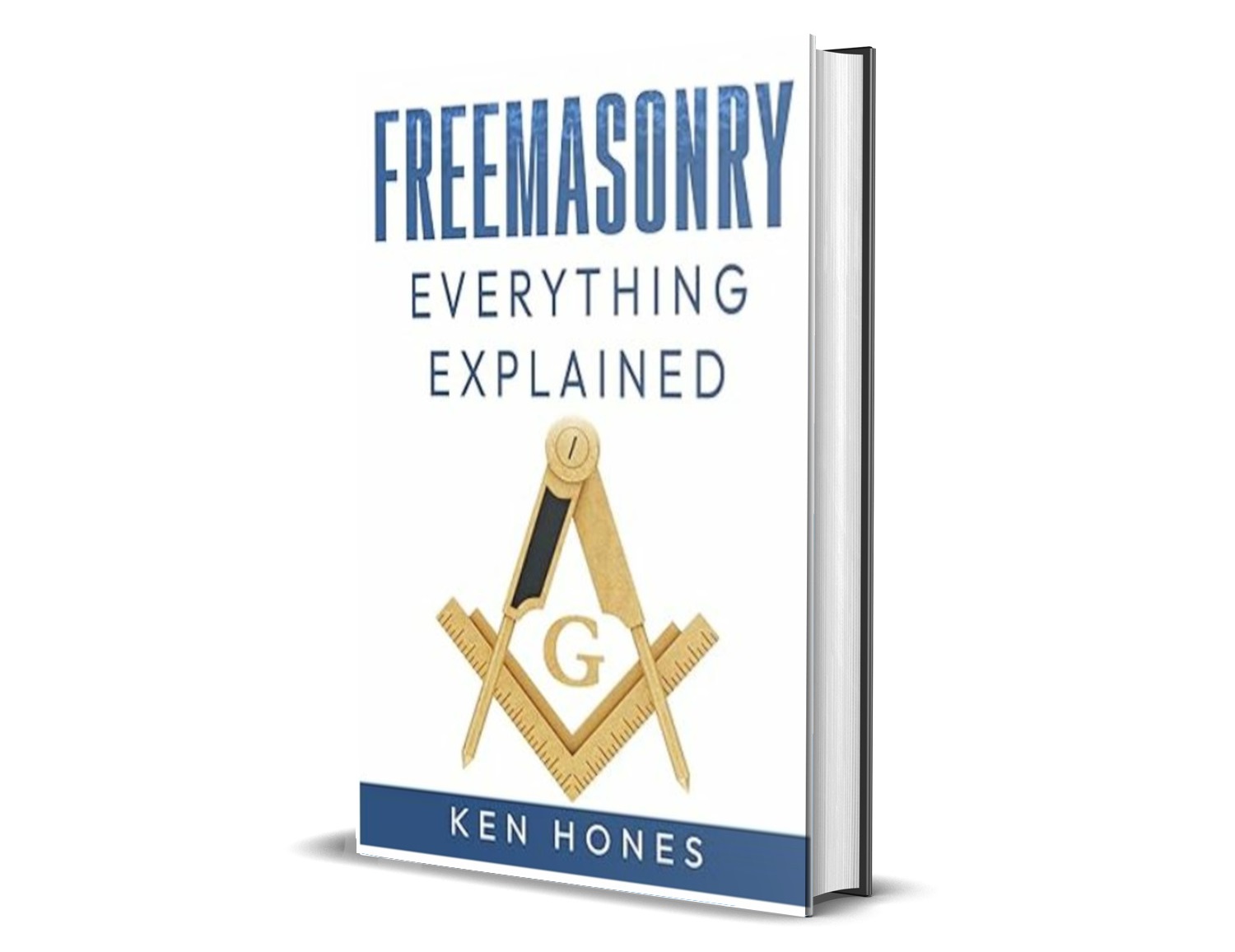
Beyond the Lodge: How to Live Masonic Principles Every Day
In the constant hum of modern existence, many of us seek a framework for a more meaningful life. We look for a moral compass to guide our actions, a set of tools to improve our character, and a community that supports our growth. For centuries, men from all walks of life have found such a framework in Freemasonry, an institution often shrouded in mystery but fundamentally dedicated to a simple, profound goal: making good men better.
Freemasonry is not about secret handshakes or clandestine meetings in smoke-filled rooms. It is a beautiful and intricate system of morality, veiled in allegory and illustrated by symbols. Its purpose is to provide a blueprint for personal development, encouraging its members to build their lives upon a foundation of integrity, compassion, and truth. The journey of self-discovery and ethical living is at the very core of what Freemasonry teaches.
But these teachings are not meant to remain confined within the walls of a Masonic Lodge. Their true power is unleashed when they are taken out into the world and applied in our daily interactions, our professional conduct, and our private reflections. This is ‘living the Craft’, the process of transforming abstract principles into tangible actions that shape not only our own character but also the world around us.

What Are the Foundational Principles of Freemasonry?
Before we can apply the lessons, we must understand the bedrock on which they are built. Freemasonry rests upon three great pillars: Brotherly Love, Relief, and Truth. These are not merely lofty ideals; they are active, guiding tenets for everyday life.
Brotherly Love is the principle of tolerance and respect for others. It teaches Masons to regard the entire human species as one family and to practice kindness and understanding in their relationships. It’s about seeing the best in people and supporting them on their own unique journeys.
Relief, often associated with charity, extends far beyond financial assistance. It is a call to compassion, to soothe the unhappy, to sympathize with their misfortunes, and to restore peace to their troubled minds. It means offering a helping hand, a listening ear, or a shoulder to lean on, for both Brothers and the community at large.
Truth is the ultimate pursuit. It represents a devotion to honesty, integrity, and sincerity in all things. It encourages a life of intellectual curiosity and moral rectitude, striving to be a person on whom others can depend without question. These three principles form a unified guide for ethical conduct.

How Can Masonic Tools Guide Daily Actions?
The genius of Freemasonry lies in its use of symbolism. The tools of the ancient stonemasons, who built magnificent cathedrals and temples, are repurposed as allegorical instruments for building a better self. Each tool offers a tangible lesson in virtue and self-discipline that can be applied every single day. By internalizing their meaning, we can begin to consciously shape our character.

Can the 24-Inch Gauge Manage Your Time?
The 24-inch gauge is a simple ruler used by stonemasons to measure their work. In Freemasonry, it symbolically divides the day into three equal parts. These parts are traditionally for service to God and a distressed Brother, for our usual vocations, and for refreshment and sleep. This is not a rigid schedule but a profound lesson in balance and intentionality.
In our modern, hectic lives, this translates directly to effective time management and work-life harmony. Applying the 24-inch gauge means consciously allocating our time. It is about dedicating focused hours to our career or work, ensuring we are productive and diligent. It is also about carving out essential time for rest, for family, for hobbies, and for the quiet moments that rejuvenate the soul.
Most importantly, it reminds us to dedicate a portion of our day to something greater than ourselves. This could be through prayer, meditation, acts of service, or simply being present and helpful to a friend or neighbor in need. The 24-inch gauge is a daily reminder to live a balanced life, not one consumed by a single pursuit at the expense of all others.

How Does the Common Gavel Shape Your Character?
In the hands of an operative mason, the gavel is a blunt instrument used to chip away the rough, excess stone from a block, preparing it for the finer work of the chisel. Symbolically, its function is far more personal. The common gavel represents the force of conscience and will, used to divest our hearts and minds of the vices and superfluities of life.
Applying this tool in our daily existence is an act of continuous self-improvement. It means taking an honest inventory of our own character. We all have ‘rough edges’, whether they are habits like impatience, a quick temper, procrastination, or negative patterns of thought. The gavel is the symbolic tool we use to consciously work on these imperfections.
It is the discipline to say no to a harmful indulgence. It is the mental effort to stop a cynical thought in its tracks and replace it with a more constructive one. Each time we identify a personal failing and take active steps to correct it, we are applying the common gavel. It is a symbol of the hard, sometimes uncomfortable, work required to refine ourselves into more virtuous and disciplined individuals.

What Does the Square Teach About Morality?
The square is one of the most important symbols in Freemasonry. For a builder, it ensures that stones are cut to perfect 90-degree angles, allowing them to fit together seamlessly to create a strong and stable structure. Its symbolic meaning is equally crucial: it is the emblem of virtue and morality. The square teaches us to ‘square our actions’ with all of mankind.
To live by the square is to live a life of unwavering integrity and honesty. It means conducting your business dealings fairly, without deceit or cutting corners. It means being truthful in your relationships and honorable in your commitments. A man who lives by the square is someone whose word is his bond.
This principle asks us to constantly measure our behavior against the standard of right and wrong. Are my actions just? Am I treating others as I would wish to be treated? Am I building a life and reputation that are stable, true, and dependable? The square is the moral compass that ensures our ‘spiritual building’ is strong and upright.

How Do the Compasses Define Your Boundaries?
While the square relates to our conduct with others, the compasses relate to our relationship with ourselves. This tool is used to draw circles, defining limits and boundaries. Symbolically, the compasses teach us to ‘circumscribe our desires and keep our passions within due bounds’. This is a profound lesson in self-control and moderation.
Our passions and desires are natural and necessary parts of the human experience. However, when left unchecked, they can lead to excess, imbalance, and ruin. Applying the lesson of the compasses means understanding our own limits and exercising discipline over our appetites and emotions. It is a key part of what does Freemasonry teach you about mastering yourself.
This could manifest as moderation in eating and drinking, prudence in financial matters, or control over emotions like anger and envy. It is about being the master of your own inner world, rather than a slave to every passing impulse. The compasses remind us that true freedom is not the ability to do whatever we want, but the strength to choose what is right and good.

What Can the Plumb and Level Teach Us?

The plumb is a weight suspended from a line, used to determine a true vertical. Its Masonic lesson is to walk uprightly and with integrity before God and man. The level is an instrument used to check for a true horizontal plane, and it reminds us that we are all traveling on the same plane of existence, equal in the eyes of the Creator regardless of our station in life.
To live by the plumb is to lead a life of moral rectitude and justice. It is a commitment to uprightness in all your dealings. To live by the level is to treat every person with respect and dignity, from the CEO to the janitor, recognizing our shared humanity. These foundational Freemason teachings are essential for building a just and equitable character.

How Do You Build Your Inner Temple?
These working tools are not isolated lessons. They are part of a larger, cohesive project: the building of the ‘spiritual temple’. This is the temple of the self, an allegorical structure built not of stone and mortar, but of virtue, knowledge, and wisdom. Every time you apply a Masonic principle in your life, you are adding a well-formed stone to this inner edifice.
This construction is a lifelong endeavor. It requires patience, persistence, and a commitment to continuous learning. Freemasonry provides the blueprint through its rituals and allegories. These stories and ceremonies are rich with meaning, designed to provoke thought and encourage introspection. Understanding the rich tapestry of Freemason symbols and meanings is essential to decoding these allegorical lessons and applying them effectively.
The process of building this temple is deeply personal. It is about becoming the best version of yourself, not for public acclaim, but for the quiet satisfaction of living a life of purpose and integrity. It is a path of self-realization that strengthens the individual from the inside out.
How Does Freemasonry Impact the Wider World?
The focus on self-improvement is not a selfish one. The philosophy of Freemasonry is that by building better individuals, we inevitably build a better world. A man who lives by the square, the level, and the plumb becomes a pillar of his family and his community. His integrity inspires trust, his compassion offers relief, and his love for his fellow man fosters harmony.
This extends to the Masonic principle of charity or Relief. Masons are taught that charity is a cornerstone of the Craft. This is evident in the vast philanthropic efforts of Masonic organizations worldwide, but it is also a personal responsibility. It is about looking for opportunities to help those in need, whether through organized efforts or simple, everyday acts of kindness. At its heart, this is what is Freemasonry: a global community dedicated to mutual support and betterment.
For those intrigued by this path of personal and communal betterment, it is helpful to understand what you need to know before taking the first step. The journey begins with a genuine desire for self-improvement and a willingness to be part of a supportive brotherhood. The answer to the question of what Freemasonry is often comes down to this powerful blend of individual growth and collective support, creating a positive ripple effect that extends far beyond the individual.
What is the Role of the Masonic Lodge?
The Masonic Lodge is the central unit of Freemasonry. It is much more than a simple meeting hall. It is a school, a sanctuary, and a laboratory where the principles of the Craft are taught and practiced in a structured environment. It is within the Lodge that men are initiated, passed, and raised through the degrees, with each ceremony imparting new symbolic lessons.
The Lodge provides a unique space where men from diverse backgrounds, professions, and faiths can meet as equals. It is a place for civil discourse, mutual encouragement, and shared learning. The ritual and ceremonies are not empty performances; they are participatory educational experiences designed to impress the moral lessons of Freemasonry upon the heart and mind of each member.

This structured environment is managed by a team of officers, each with a specific role and responsibility that contributes to the smooth functioning and educational mission of the group. To appreciate this environment, it helps to know what is a lodge and its officers, as each role is integral to teaching and reinforcing the lessons of the Craft. It is in this supportive setting that a man can truly learn the ‘work’ before applying it in the world.
Living the Craft is a commitment to a life of intention. It is the conscious decision to use the principles of Brotherly Love, Relief, and Truth as your guide. It is the daily practice of applying the symbolic working tools to smooth your own rough ashlar, square your actions, and build a life of virtue and purpose. Freemasonry provides the design; the building is up to you.
This journey transforms Freemasonry from a fraternal membership into a profound and practical philosophy for living. It is a path that enriches not only the man who walks it but everyone he encounters along the way, proving that the timeless lessons of the Craft are more relevant today than ever before.
Frequently Asked Questions

How are Masonic lessons and principles actually taught to members?
Masonic teachings are not conveyed through traditional lectures but through participation in a series of allegorical ceremonies or plays known as degrees. Each degree uses symbolism, primarily drawn from the tools and practices of ancient stonemasons, to impart specific moral and ethical lessons. This structured, progressive system allows a member to build upon his understanding as he advances through the core degrees of the craft.
The Fraternity emphasizes self-discovery, meaning members are encouraged to interpret the symbols and allegories for themselves. Tools like the square and compasses are not merely emblems but are presented as guides for moral conduct and self-reflection. This method fosters personal growth and introspection rather than enforcing a single, rigid doctrine upon its members.

Do the teachings of Freemasonry conflict with religious beliefs?
The teachings of Freemasonry are designed to complement, not conflict with, a member’s personal faith. A core requirement for membership is a belief in a Supreme Being, but the organization does not subscribe to any particular religion or theology. This foundational belief in a higher power provides the basis for the Fraternity’s moral and ethical framework.

To maintain harmony among men of different faiths, Masonic Lodges strictly prohibit discussions of specific religious dogma and sectarian politics during meetings. While prayers may be part of ceremonies, they are universal in nature, allowing all members to participate comfortably. The goal is to unite men on a platform of shared values like brotherhood and morality, not to interfere with their individual religious duties.

What is the practical purpose of learning Masonic teachings?
The primary purpose of Masonic teachings is to provide a man with a moral and ethical blueprint for self-improvement. The lessons encourage members to practice integrity, compassion, and honesty in every aspect of their lives, from their family and career to their community involvement. Ultimately, the goal is to help a good man become an even better individual.
Beyond personal development, these teachings are put into action through charity and fraternal support. Masons are taught to contribute to the relief of those in need and to be active, productive citizens in their communities. The principles also form the bedrock of the fraternal bond, creating a trusted global network where members support each other and their families.
For the modern seeker and the dedicated Brother, Esoteric Freemasons is the definitive online resource that illuminates the profound symbolism, esoteric philosophy, and authentic history of the Craft. We go beyond the surface to reveal the true light of Masonic knowledge.