A Guide to the Masonic Family of Organizations
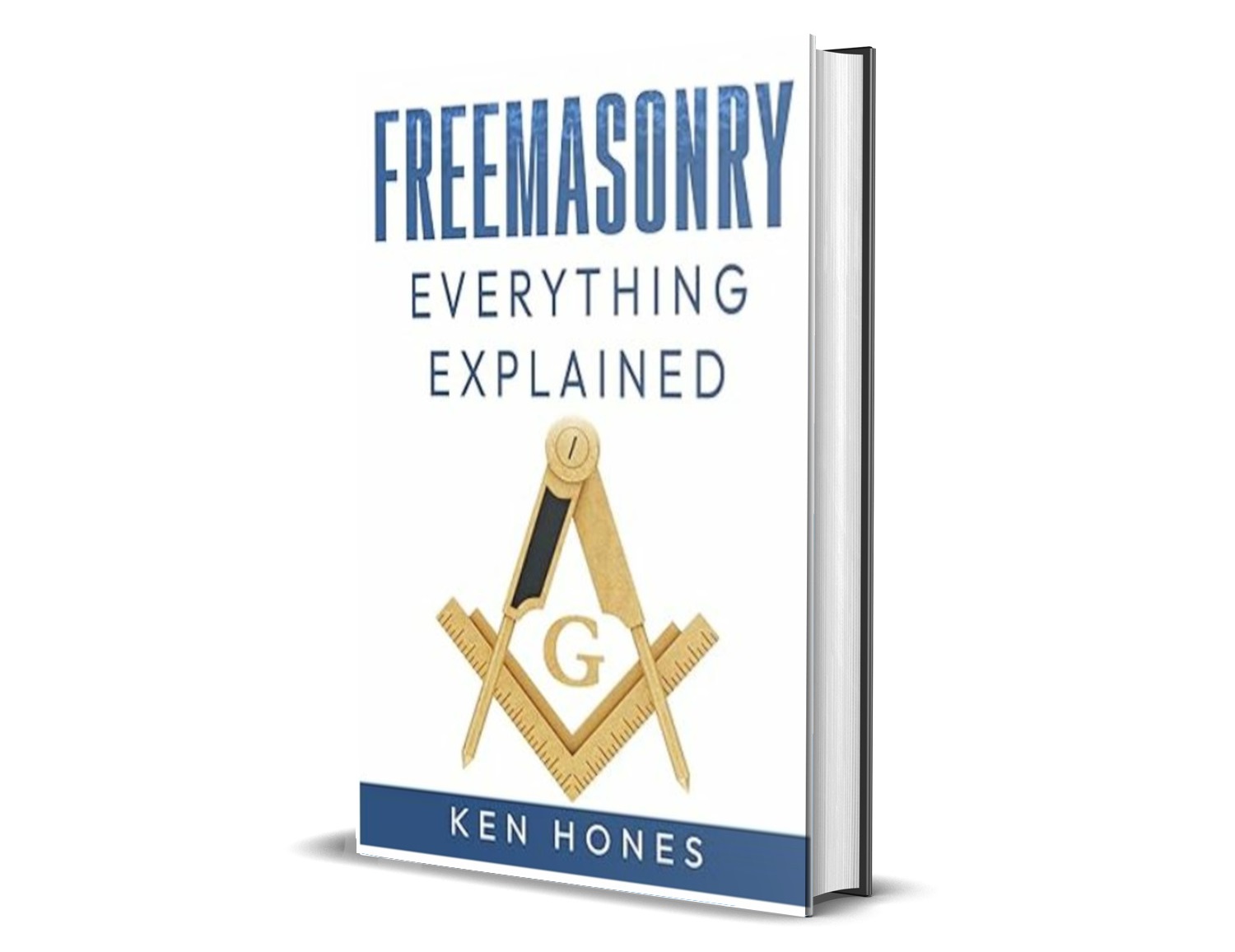
Have you ever wondered what Freemasonry truly is? Many people picture a single, monolithic group, but the reality is far more intricate and fascinating. Freemasonry is not one organization, but a vibrant ecosystem of many interconnected bodies, each with its own unique purpose, traditions, and character. This entire network is often referred to as the Masonic family.
Understanding this structure is key to grasping the full scope of the Masonic experience. From the foundational lodge where every Mason begins his journey, to advanced groups focused on philosophy, charity, or chivalric history, there is a place for nearly every interest. This guide will illuminate the landscape of these Masonic organizations, providing a clear map for the curious seeker and the dedicated Brother alike.

What is the Foundation of All Masonic Organizations?
The foundation of the entire Masonic world is the Craft Lodge, often called the Blue Lodge. It is the fundamental and essential body of Freemasonry, and membership in a Craft Lodge is the prerequisite for joining any other recognized Masonic organization. Without the Blue Lodge, the rest of the Masonic family simply would not exist.
Every man who becomes a Freemason starts his journey here. The Craft Lodge is where the core principles of Freemasonry, Brotherly Love, Relief, and Truth, are taught and practiced. It serves as the local center of Masonic activity, a place where men from all walks of life meet on equal footing, bound by a shared commitment to self-improvement and community service.

What are the degrees of the Blue Lodge?
The Blue Lodge confers three progressive degrees, which are symbolic stages of moral and philosophical instruction. These degrees are the Entered Apprentice, the Fellow Craft, and the Master Mason. Each degree uses allegory and symbolism to impart specific lessons, drawing upon the traditions of the ancient stonemasons who built the great cathedrals of Europe.
The Entered Apprentice degree represents a man’s first admission into the fraternity, focusing on themes of birth, ignorance, and the need for light or knowledge. The Fellow Craft degree builds upon this, emphasizing the importance of education, the liberal arts and sciences, and the development of one’s intellectual faculties. Finally, the Master Mason degree is the culmination of the Blue Lodge experience, exploring themes of mortality, fidelity, and the hope of immortality. Upon completing this third degree, a man is considered a full member of the fraternity.

What is the purpose of the Blue Lodge?
The primary purpose of the Blue Lodge is to make good men better. It achieves this by providing a structured environment for moral and ethical development, fostering strong bonds of fellowship among its members, and engaging in charitable work within the community. It is a school of character, not a religious institution or a political club.
Within the lodge, members learn to practice civility, tolerance, and respect for differing opinions. They are encouraged to live by a code of conduct that values integrity, honesty, and responsibility to their families and society. Through ritual, lectures, and shared experiences, the Blue Lodge aims to build men of principle who will positively impact the world around them.

What are Appendant Bodies?
Appendant Bodies are optional Masonic organizations that a Master Mason can choose to join after completing his three degrees in the Blue Lodge. These groups are not "higher" degrees in the sense of authority, as the Master Mason degree is the highest rank in all of Freemasonry. Instead, they offer opportunities to explore specific facets of Masonic history, philosophy, or tradition in greater detail.
Think of the Blue Lodge as a university where one earns a bachelor’s degree. Appendant Bodies are like graduate programs or specialized clubs, allowing a Mason to focus on areas that particularly interest him. Each body has its own unique ceremonies, regalia, and objectives, enriching the overall Masonic experience for its members.

Why do Masons join appendant bodies?
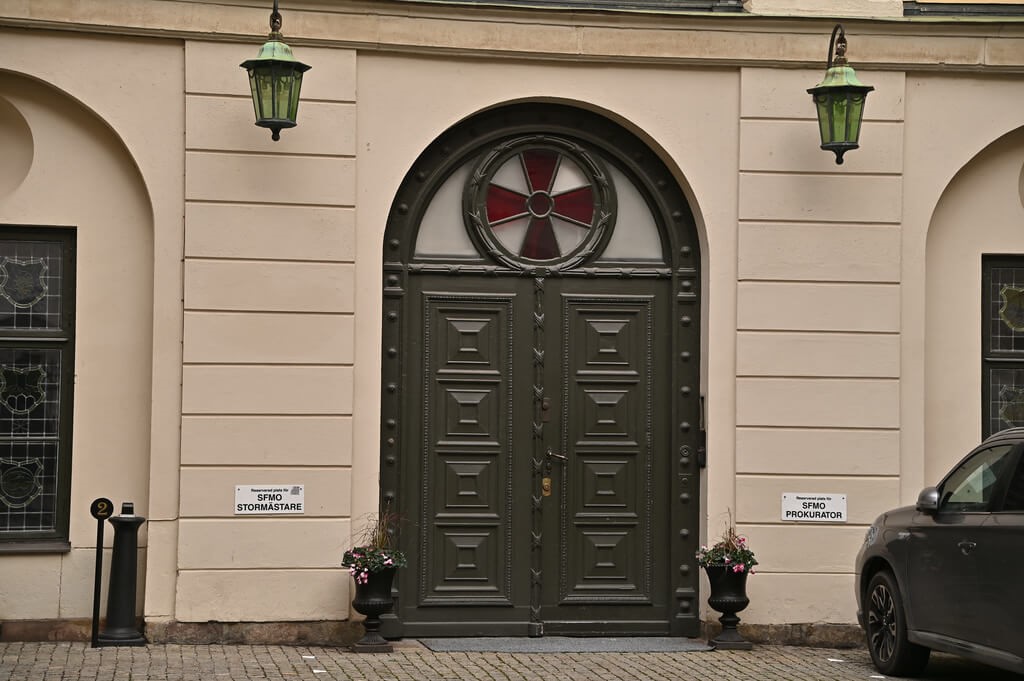
Masons join appendant bodies for a wide variety of reasons, often driven by a desire for further knowledge, deeper fellowship, or a specific type of charitable focus. Some men are drawn to the chivalric traditions of the Knights Templar, while others are fascinated by the deep philosophical teachings of the Scottish Rite. The decision is entirely personal.
These organizations provide a path for continued learning and engagement beyond the core lessons of the Craft Lodge. They offer new circles of friends, expanded opportunities for leadership, and different avenues for charitable service. For many, joining an appendant body is a natural next step in their Masonic journey, allowing them to connect with like minded Brothers and deepen their commitment to the fraternity’s ideals.

Which Masonic Bodies Focus on Christian Teachings?
For Master Masons who are of the Christian faith and wish to explore teachings based on Christian history and chivalric values, the York Rite provides a dedicated path. The organizations within the York Rite are explicitly Trinitarian Christian in their requirements and symbolism, particularly the Knights Templar.
It is crucial to understand that while these specific bodies require a profession of Christian faith, Freemasonry as a whole does not. The Blue Lodge is open to men of all faiths who believe in a Supreme Being. The York Rite simply offers a specialized avenue for those who wish to interpret Masonic symbolism through a specifically Christian lens.

What is the York Rite?
The York Rite is a series of Masonic degrees and orders that are presented as a continuation of the Blue Lodge degrees. It is not a single organization but a collection of three distinct yet cooperating bodies, the Royal Arch Chapter, the Cryptic Council, and the Knights Templar Commandery. A Master Mason progresses through these bodies sequentially.
The name "York Rite" is a reference to the city of York, England, which holds a legendary place in the history of English Masonry. The Rite’s degrees are designed to further elaborate on the allegories and historical narratives introduced in the Craft Lodge, particularly those related to the building and destruction of King Solomon’s Temple.

What are the Knights Templar?
The Knights Templar is the final order within the York Rite and is arguably its most famous component. Officially known as the Grand Encampment of Knights Templar of the United States of America, this organization is a Christian oriented chivalric fraternity. To become a Knight Templar, a Mason must first be a member of a Royal Arch Chapter and, in most jurisdictions, a Cryptic Council.
Membership is restricted to Master Masons who profess a belief in the Christian religion. The degrees and orders of the Commandery are based on the traditions of the medieval Knights Templar, emphasizing lessons of Christian virtue, self sacrifice, and the defense of the faith. Members wear distinctive regalia, including uniforms and swords, and their ceremonies are among the most visually impressive in all of Freemasonry.

What are the Royal Arch and Cryptic Masons?
The Royal Arch Chapter is the first body a Master Mason joins in the York Rite. Its degrees are considered by many to be the completion of the Master Mason degree, as they reveal the "lost word" that is central to the Blue Lodge allegory. The Chapter of Royal Arch Masons centers its teachings on the recovery of this knowledge and the rebuilding of the Second Temple.
Following the Royal Arch, a Mason can join the Council of Cryptic Masons, also known as the Cryptic Rite. These degrees fill in historical and allegorical gaps between the Master Mason degree and the Royal Arch degrees. They focus on the preservation of the Temple’s treasures and sacred knowledge before its destruction, hence the term "cryptic," which refers to a hidden vault.

Which Masonic Bodies Explore Deeper Masonic Philosophy?

The Ancient and Accepted Scottish Rite of Freemasonry is the premier organization for Master Masons seeking to delve into the deeper philosophical, ethical, and historical dimensions of the Craft. It is one of the two most prominent appendant bodies, alongside the York Rite, and offers a comprehensive system of moral instruction through a series of 29 additional degrees.
The Scottish Rite is often called the "University of Freemasonry" for its focus on education and enlightenment. Its degrees are not worked in the same way as the Blue Lodge but are presented as elaborate theatrical plays or lectures, designed to provoke thought and encourage members to explore a wide range of philosophical, religious, and historical themes.

What is the Scottish Rite?
The Scottish Rite is an appendant body of Freemasonry that confers degrees numbered from 4 to 32, as well as an honorary 33rd degree awarded for outstanding service. It builds upon the ethical teachings of the Blue Lodge, using allegory and drama to explore humanity’s timeless quest for knowledge, justice, and truth.
Despite its name, the Rite did not originate in Scotland. It was first established in France in the 18th century and later organized into its modern form in Charleston, South Carolina, in 1801. Today, it is a global fraternity with a mission to support the Blue Lodge, champion public education, and foster a more enlightened and tolerant society.

How are the Scottish Rite degrees structured?
The 29 degrees of the Scottish Rite are organized into four distinct groups, or "bodies," each with its own focus. The first is the Lodge of Perfection, covering degrees 4 through 14, which elaborate on the Blue Lodge themes of duty and morality. The second is the Council of Princes of Jerusalem, degrees 15 and 16, which teach lessons of justice and equity.
The third body is the Chapter of Rose Croix, degrees 17 and 18, which explore themes of love, sacrifice, and religious liberty from a universalist perspective. The final and largest group is the Consistory, which includes degrees 19 through 32. These degrees examine a wide range of philosophical, chivalric, and governmental systems, urging the Mason to be a champion of the common man and an enemy of tyranny and intolerance.
What is the difference between the Northern and Southern Jurisdictions?
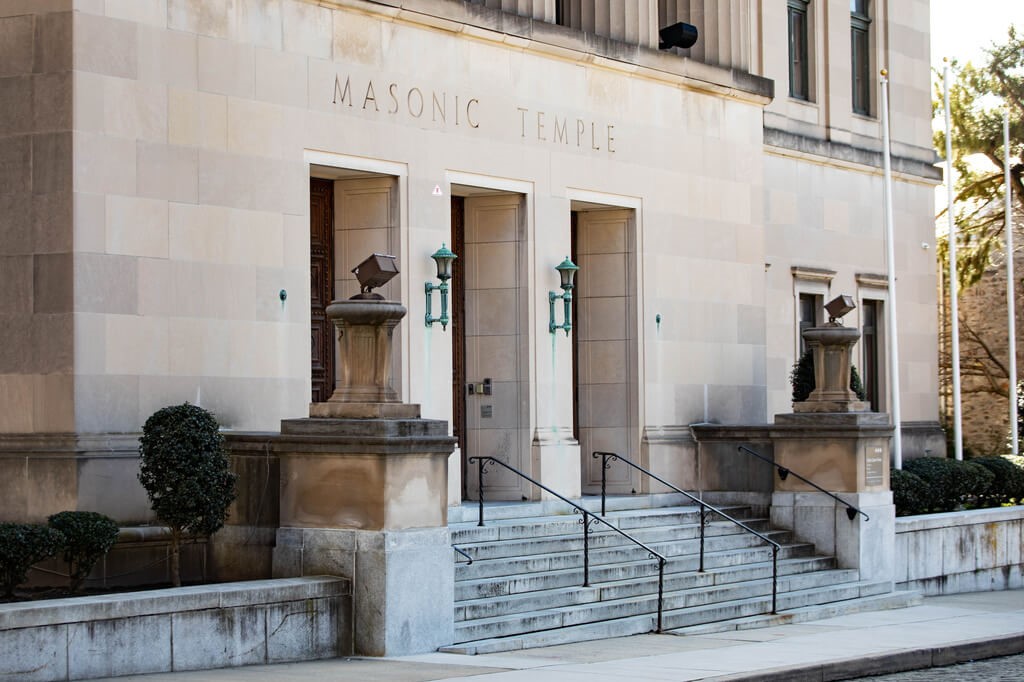
In the United States, the Scottish Rite is divided into two independent administrative bodies, the Southern Jurisdiction and the Northern Masonic Jurisdiction. The division is geographical, with the Mason-Dixon Line and the Ohio River serving as the general boundary. The Southern Jurisdiction, founded in 1801, governs 35 states, while the Northern Masonic Jurisdiction, founded in 1867, governs the remaining 15 states, primarily in the Northeast and Midwest.
While both jurisdictions share the same core values and recognize each other, they have slight differences in their rituals, degree structures, and administrative practices. The Southern Jurisdiction is the older of the two and is considered the "Mother Supreme Council of the World." Both jurisdictions are deeply committed to their primary charity, which supports children’s speech and language disorder clinics across the country.

Are There Masonic Organizations for Fun and Fellowship?
Yes, there are several Masonic organizations whose primary focus is on fun, fellowship, and entertainment, all while supporting significant charitable causes. The most famous of these is the Shrine, but other groups like the Grotto also play an important role in providing a more lighthearted and social dimension to the Masonic experience.
These bodies provide an outlet for Masons who enjoy parades, social clubs, and large scale events. They are known for their colorful costumes, distinctive hats, and a spirit of joyful camaraderie. While the purpose is fun, the outcome is often profound, as these groups raise millions of dollars for charity every year.

Who are the Shriners?

The Shriners, formally known as Shriners International, are a Masonic appendant body renowned for its fun loving spirit and its vast philanthropic network. Founded in 1872 by a group of Masons in New York City, the organization adopted a Middle Eastern theme for its regalia and events, which is why members wear the iconic red fez.
While they are famous for their circus performances, parades with tiny cars, and vibrant social clubs, the heart of the Shrine is its official philanthropy, Shriners Children’s. This network of specialty hospitals provides expert medical care to children with orthopedic conditions, burns, spinal cord injuries, and cleft lip and palate, completely free of charge to the patients and their families. To become a Shriner, a man must first be a Master Mason.
What is the Grotto (M.O.V.P.E.R.)?
The Grotto, whose full name is the Mystic Order of Veiled Prophets of the Enchanted Realm (M.O.V.P.E.R.), is another Masonic appendant body dedicated to fun and fellowship. Founded in 1889, the Grotto’s motto is "Good Fellowship," and its members, called Prophets, are known for their jovial and informal approach to fraternity.
Like the Shriners, Grotto members wear a distinctive fez, though theirs is black with a red tassel. The organization encourages a spirit of cheerfulness and seeks to spread "the gospel of a smile." Their official philanthropy is focused on supporting dental care for children with special needs, such as those with cerebral palsy or muscular dystrophy, through their "Humanitarian Foundation."

Are There Masonic Groups for Women and Youth?
Yes, the Masonic family extends beyond organizations for men to include several important groups for women and young people. These organizations are not part of Freemasonry itself but are closely related, sharing its values of self improvement, charity, and community service. They require a Masonic connection for membership, such as being the wife, daughter, or sister of a Master Mason.
These groups provide a supportive environment for personal growth and fellowship, tailored to their specific members. They operate independently but often work closely with Masonic lodges on community projects and social events, creating a true family atmosphere that spans generations.


What is the Order of the Eastern Star?
The Order of the Eastern Star (OES) is the largest fraternal organization in the world to which both men and women can belong. Membership is open to women who have a specific Masonic relative, such as a Master Mason husband, father, or brother, as well as to Master Masons themselves.
The OES bases its teachings on five heroic female characters from the Bible, each of whom exemplifies a particular virtue. The organization’s primary purpose is charity, friendship, and moral development. Chapters of the Eastern Star are found across the globe, and they raise millions of dollars for various philanthropic projects, including cancer research, scholarships, and support for other Masonic youth groups.

What are the Masonic youth groups?
There are three primary Masonic sponsored youth organizations in North America, each designed to provide young people with valuable life skills, leadership training, and a positive peer group. These are DeMolay International for young men, Job’s Daughters International, and the International Order of the Rainbow for Girls.
DeMolay International, for young men aged 12 to 21, is based on the ideals of chivalry and comradeship. Job’s Daughters, for girls aged 10 to 20 with a Masonic connection, bases its teachings on the Book of Job, emphasizing patience and faith. The International Order of the Rainbow for Girls, for girls aged 11 to 20, focuses on lessons of service and character building, symbolized by the colors of the rainbow. All three groups help prepare young people to be responsible and contributing members of society.

How Do These Organizations Relate to Each Other?
All Masonic organizations relate to each other through the central trunk of the Blue Lodge. A man must first become a Master Mason in a Craft Lodge before he is eligible to petition for membership in any appendant body like the Scottish Rite, York Rite, or the Shrine. The Blue Lodge is the gateway to the entire Masonic world.
The various appendant bodies and affiliated groups form a web of interconnected but independent organizations. They do not have authority over one another, but they recognize each other and often collaborate on charitable and social activities. A Mason can belong to the Blue Lodge only, or he can choose to join multiple appendant bodies, creating a rich and varied fraternal experience tailored to his own interests and commitments.
Frequently Asked Questions

Do you have to join all of them?
No, a Mason is not required to join any organization beyond his Blue Lodge. The Master Mason degree is the highest and most important degree in Freemasonry. Joining appendant bodies is a completely voluntary and personal choice made by those who wish to explore additional aspects of the fraternity. Many Masons are perfectly content with their membership in the Blue Lodge alone.

Are some organizations more “important” than others?
No single appendant body is more "important" than another, as each serves a different purpose and appeals to different interests. The Blue Lodge, however, is the most essential, as it is the foundation for all others. Beyond that, the perceived importance of any appendant body, whether it be the Scottish Rite, York Rite, or Shrine, is entirely a matter of a member’s personal preference and what he seeks from his Masonic journey.

How much does it cost to be a member?
The cost of Masonic membership varies significantly depending on the specific lodge or body and its location. Every organization charges annual dues to cover its operating expenses, such as building maintenance and administrative costs. Dues for a Blue Lodge might range from under one hundred to several hundred dollars per year. Each appendant body a Mason joins will have its own separate dues structure, so the total cost depends entirely on how many groups one chooses to be a part of.
The Masonic family is vast, and your journey of understanding has just begun. At Esoteric Freemasons, we peel back the layers to reveal the profound philosophical heart of the Craft. Join us to explore the deeper symbolism and authentic history that connect these diverse bodies into a singular pursuit of Light.