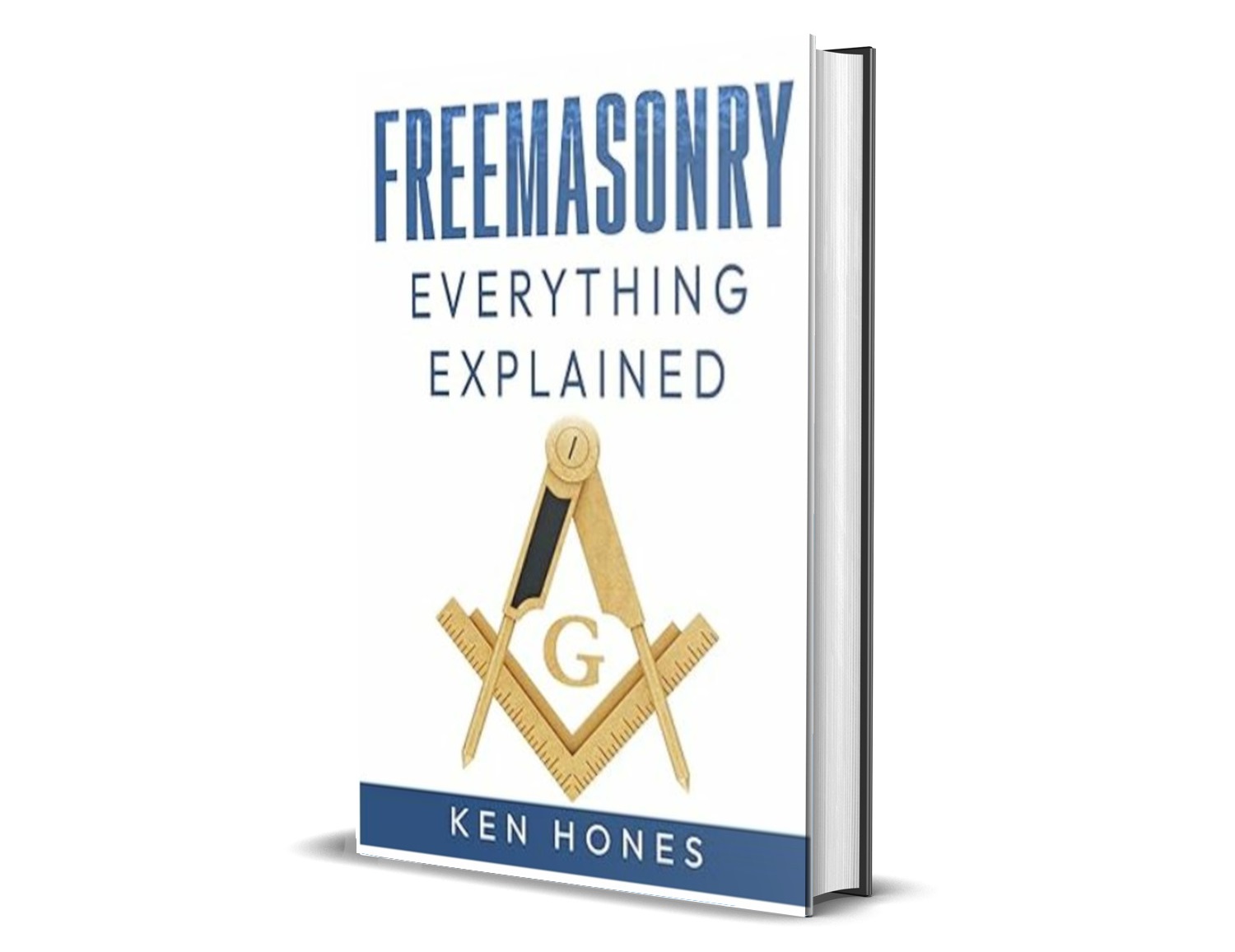
Is Freemasonry a Religion? Unraveling the Ancient Mystery
It is one of the most persistent questions surrounding the ancient and honorable fraternity of Freemasonry. For centuries, outsiders and even prospective members have looked upon its closed doors, its cryptic symbols, and its solemn ceremonies and asked: is this a religion? The confusion is understandable, given the Craft’s emphasis on morality, its use of ritual, and its foundational requirement of a belief in a higher power.
The answer, however, is clear and consistently stated by Masonic organizations worldwide. Freemasonry is not a religion. It is a fraternity, a system of morality, and a society dedicated to self-improvement and charitable works. It does not seek to save souls or offer a path to an afterlife. Instead, its purpose is to take good men and help them become better men within the context of their own lives and their own personal faiths.
To truly understand this distinction, one must look at the core principles of the Craft. Freemasonry is deeply spiritual and requires its members to profess a belief in a Supreme Being. This non-denominational approach is a cornerstone of its philosophy, but it is also where much of the confusion begins. Exploring what do Free Masons believe in reveals a system that supports personal faith rather than supplanting it.

What Defines a Religion?
To fairly assess whether Freemasonry fits the description of a religion, we must first establish a working definition of what a religion typically entails. While scholars may debate the finer points, most world religions share several common characteristics. They generally possess a specific theology, which is a systematic study of the nature of the divine and religious truth.
Religions offer a soteriology, or a plan of salvation. This explains how humanity can be redeemed from a state of sin or spiritual lack and achieve a state of grace or enlightenment, often leading to a specific afterlife. They have unique dogmas and creeds that members are required to accept as articles of faith.
Furthermore, religions conduct acts of worship through prescribed sacraments, prayers, and services. They have their own clergy or priesthood who are ordained to perform these rites and minister to a congregation. A religion defines a specific God or pantheon of gods, giving them names, attributes, and a history of interaction with humanity.

Why Do People Think Freemasonry is a Religion?
The perception of Freemasonry as a religion stems from its external and internal characteristics that mirror religious practices. The most obvious of these is the use of elaborate ritual and ceremony. Masonic degree work is a series of allegorical plays where candidates are guided through symbolic experiences. These rituals are solemn, scripted, and filled with profound meaning, much like religious services.
The fraternity is built upon a system of morality that encourages virtues like truth, charity, and integrity. These ethical teachings are often similar to the moral codes found within many faiths, leading some to believe Freemasonry is promoting its own religious code. The very atmosphere of a Masonic Lodge, often called a Temple, contributes to this perception.
Inside the Lodge room, an altar is a central piece of furniture. Upon this altar rests a Volume of the Sacred Law, which in most lodges in the English-speaking world is the Holy Bible. The presence of a holy book, combined with prayers that open and close meetings, creates an environment that feels reverent and sacred.
Finally, the terminology used within the Craft can be misleading. The elected leader of a Lodge is called the ‘Worshipful Master’, a title that immediately evokes a sense of religious leadership. These elements, when viewed from the outside without context, paint a picture that looks very much like a religious institution.

What is Freemasonry’s Stance on God?

This is perhaps the most critical area of misunderstanding. Freemasonry is not atheistic; quite the opposite. A man cannot become a Freemason without professing a belief in a Supreme Being. However, the Craft makes no attempt to define that being. This is the central genius of its philosophical system.
Freemasons use the term ‘Great Architect of the Universe’ as a non-denominational and universal name for God. This allows men from different religious backgrounds, be they Christian, Jewish, Muslim, Hindu, or otherwise, to meet together in harmony. Each man understands the Great Architect in accordance with his own faith’s teachings. A Christian Mason sees the Great Architect as the Holy Trinity, a Jewish Mason sees Him as Adonai, and a Muslim Mason sees Him as Allah.
The purpose of this requirement is to establish a common ground of reverence and accountability. By acknowledging a higher power, a Mason recognizes that his actions have a moral dimension and that he is bound by duties beyond his own self-interest. The Masonic God belief is a foundation for moral teaching, not the subject of a specific theology.
The fraternity’s long and complex history is deeply intertwined with these philosophical underpinnings. Its evolution from operative stonemason guilds to a speculative, philosophical society is a fascinating journey. For those seeking a deeper historical context, encyclopedic resources offer a comprehensive overview of Freemasonry and its development through the ages.

How Does Freemasonry Differ from Religion?
When we compare Freemasonry to the established definition of a religion, its distinct nature becomes clear. The fraternity lacks the fundamental components that would classify it as a faith system.

Does Freemasonry Have a Theology or Path to Salvation?
No. Freemasonry has no dogma or creed that a member must subscribe to. It does not have a unique god, and it certainly does not offer a plan of salvation. The lessons of the Craft are focused entirely on improving a man’s character and his conduct in this life.
There is no Masonic heaven or hell, nor any sacrament to wash away sin. A Mason’s relationship with God and his path to any potential afterlife are considered private matters, to be addressed by his own personal religion. Freemasonry provides tools for moral building, not a blueprint for redemption.

Are Masonic Rituals a Form of Worship?
No. While Masonic rituals are serious and symbolic, they are not acts of worship. They are participatory dramas designed to teach by allegory and symbolism. The ceremonies illustrate moral and ethical principles, such as the importance of integrity, the finite nature of life, and the value of truth.
The candidate is the central figure in these dramas, and the lessons are directed at him for his own contemplation. The purpose is education and self-reflection, not the adoration of a deity. The aim is to stimulate a man’s intellect and moral sense, encouraging him to become a better version of himself.

What is the Role of the ‘Volume of the Sacred Law’?
The presence of a holy book on the altar is not for the purpose of religious instruction. The Volume of the Sacred Law, or VSL, represents the revealed will of the Great Architect and serves as a symbol of the moral and spiritual truths that should guide a Mason’s life. It is a constant reminder of his duty to God, his neighbor, and himself.
In a Lodge with members of diverse faiths, several sacred texts may be present. A candidate takes his obligations on the holy book of his own religion. This act signifies that his promises are made in the presence of the God he personally worships, making them sacred and binding according to his own conscience and faith.

What About Religious-Sounding Officer Roles?
Titles like ‘Worshipful Master’ are historical artifacts, deriving from old English usage where ‘worshipful’ meant ‘honorable’ or ‘respected’, much like ‘Your Honor’ in a courtroom. It does not imply that the Master is to be worshipped. Similarly, the Lodge has an officer called the Chaplain.
However, the duties of the Chaplain in a Masonic Lodge are not to preach a specific doctrine. The Chaplain’s role is to lead the Lodge in non-denominational prayers and to offer invocations that are universal in their language, respecting the faith of every member present. He is a guardian of the Lodge’s reverence, not a minister of a Masonic religion.

What Do Scholars and Grand Lodges Say?
The official bodies of Freemasonry are unequivocal on this subject. Grand Lodges, the sovereign governing bodies of Freemasonry for a particular geographic area, consistently publish materials clarifying their position. They define the Craft as a fraternity dedicated to friendship, morality, and brotherly love.
Many official Masonic websites clearly state their purpose. They explain What is Freemasonry from the perspective of the organization itself, emphasizing its charitable and fraternal nature over any religious function. This is the most authentic source for understanding how Freemasons define their own institution.
Academic and theological studies have also examined this question in depth. While interpretations vary, the consensus aligns with the fraternity’s own statements. An analysis of its rituals and constitutions shows that it lacks the essential elements of a religion. A detailed academic paper might explore the question Is Freemasonry a Religion by dissecting its historical documents and philosophical tenets.
Religious scholars and interfaith resources also provide valuable perspectives. They often conclude that while Freemasonry has religious elements and promotes spirituality, it does not meet the criteria to be considered a religion in its own right. These sources often present a balanced view, acknowledging the reasons for the confusion while ultimately affirming that the is Freemasonry religion question has a negative answer.

Can a Man Belong to a Religion and Be a Freemason?
Yes, absolutely. This is the intended design of Freemasonry. The fraternity does not seek to interfere with a man’s religious duties. On the contrary, it encourages its members to be active and devout in their own faith communities. A good Mason is expected to be a better Christian, a better Jew, a better Muslim, and so on.
Freemasonry provides a supplemental moral framework, not a replacement one. Its lessons on virtue and ethics are universal and are designed to strengthen a man’s commitment to the principles taught by his own religion. It is a place where faith is a prerequisite but specific faiths are not discussed or debated.
However, it is important to note that some religious bodies have historically taken a negative view of the fraternity. The most well-known example is the Roman Catholic Church, which has issued several papal bulls condemning Freemasonry. This has created a complex situation for those wondering can Freemasons be Catholic. While the Church’s official stance prohibits membership, the reasons are multifaceted, often stemming from historical conflicts and misunderstandings about Masonic secrecy and philosophy.

So, What is Freemasonry if Not a Religion?
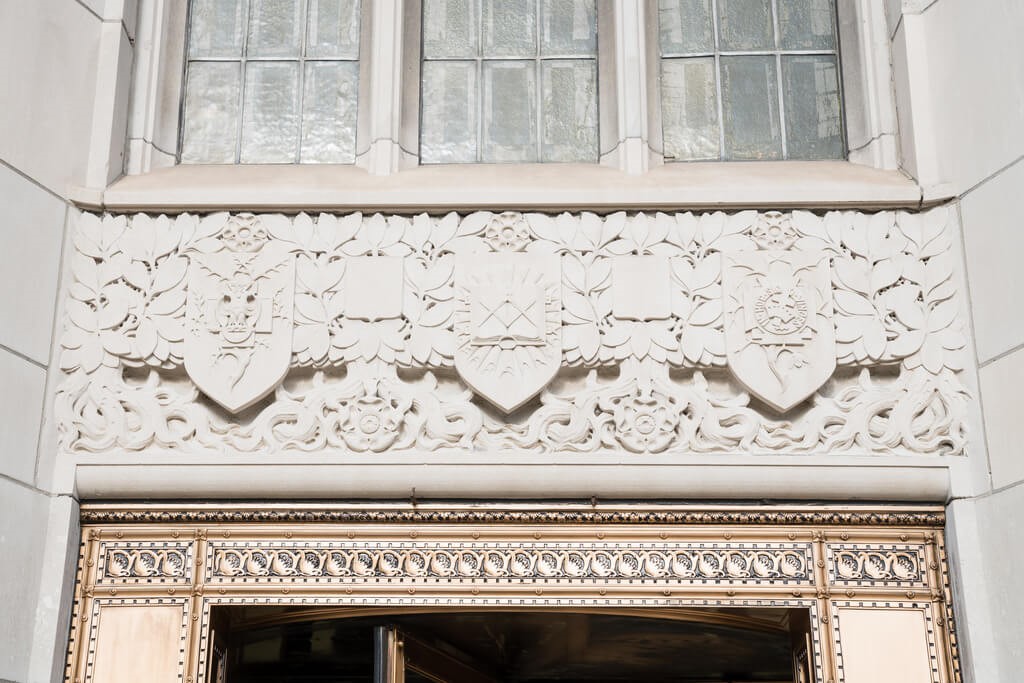
If it is not a religion, then what is it? Freemasonry is best described by its own traditional definition: a peculiar system of morality, veiled in allegory and illustrated by symbols. It is a fraternal organization that provides a structured environment for men to pursue self-improvement and intellectual growth.
It is a philosophical society where men explore the great questions of virtue, ethics, and the meaning of life through a shared symbolic language. The tools of the ancient stonemasons, like the square, compasses, and level, are used as symbols to teach moral truths. The goal is to build a better inner self, a spiritual temple, just as the operative masons built physical cathedrals.
Above all, Freemasonry is a brotherhood. It provides a unique bond between men from all walks of life, creating a global community based on mutual respect, trust, and a commitment to helping one another. This is complemented by a strong emphasis on charity and service to the wider community, with Masonic organizations being some of the largest charitable donors in the world.
In conclusion, the line between Freemasonry and religion can seem blurry from a distance. The Craft employs ritual, requires a belief in God, and teaches a profound moral code. Yet, a closer examination reveals its true identity. It is not a religion but a handmaiden to it, a system designed to support and strengthen a man’s personal faith, whatever it may be. It offers no theology, no path to salvation, and no unique deity. It is, and has always been, a fraternity of men dedicated to making themselves, and the world around them, just a little bit better.
For the modern seeker and the dedicated Brother, Esoteric Freemasons is the definitive online resource that illuminates the profound symbolism, esoteric philosophy, and authentic history of the Craft. We go beyond the surface to reveal the true light of Masonic knowledge.
Frequently Asked Questions

Why does Freemasonry, a non-sectarian organization, have patron saints from a specific religion?
The adoption of the two Saint Johns as patrons dates back to the origins of speculative Freemasonry, which evolved from the operative stonemason guilds of a predominantly Christian Europe. These early guilds traditionally honored the saints, and the practice was carried into the newly formed fraternity as a matter of historical continuity. Freemasonry reveres them not for their specific Christian theology, but as powerful exemplars of universal moral virtues that align with Masonic principles.

This practice does not compromise the non-sectarian nature of the Craft, as members are not required to be Christian. The Saint Johns are presented as historical figures and archetypes of integrity, fidelity, and dedication to truth, which are values a Mason of any faith can respect. Their stories are used as allegorical lessons in morality, much like the other symbols and legends employed within Masonic teachings.

What is the significance of celebrating two Saint Johns instead of just one?
The use of two patron saints, St. John the Baptist and St. John the Evangelist, creates a powerful symbolic duality that represents balance and the entirety of a Mason’s journey. St. John the Baptist embodies zeal, integrity, and the beginning of a path, while St. John the Evangelist represents wisdom, love, and the culmination of that path in enlightenment. Together, they form a complete allegorical model for a Mason to emulate, from his fervent start as an Entered Apprentice to his attainment of more light and knowledge.
This duality is further mirrored by the timing of their respective feast days, which are celebrated near the summer and winter solstices. The Baptist’s feast day is near the summer solstice when daylight begins to decrease, reflecting his humility, while the Evangelist’s is near the winter solstice when daylight begins to increase, symbolizing the growth of Masonic light. This astronomical parallel enriches their symbolic importance within the Masonic year.

How do modern Masons observe the Feast Days of St.
John the Baptist and St. John the Evangelist? Modern Masonic Lodges often mark the Feast Days of the Saint Johns with special events that emphasize fellowship, reflection, and rededication to the Craft’s principles. These observances typically take the form of festive banquets or special meetings where lectures are given on the saints’ symbolic importance to Freemasonry. For many lodges, these dates are also the traditional time to conduct the annual installation of the lodge’s new officers for the upcoming year.
These celebrations are fraternal, not religious, in nature and are open to Masons of all faiths. The focus remains squarely on the moral and ethical lessons derived from the lives of the two patrons, such as steadfastness, brotherly love, and the pursuit of truth. The events serve to strengthen the bonds between members and remind them of the timeless virtues their patron saints exemplify.