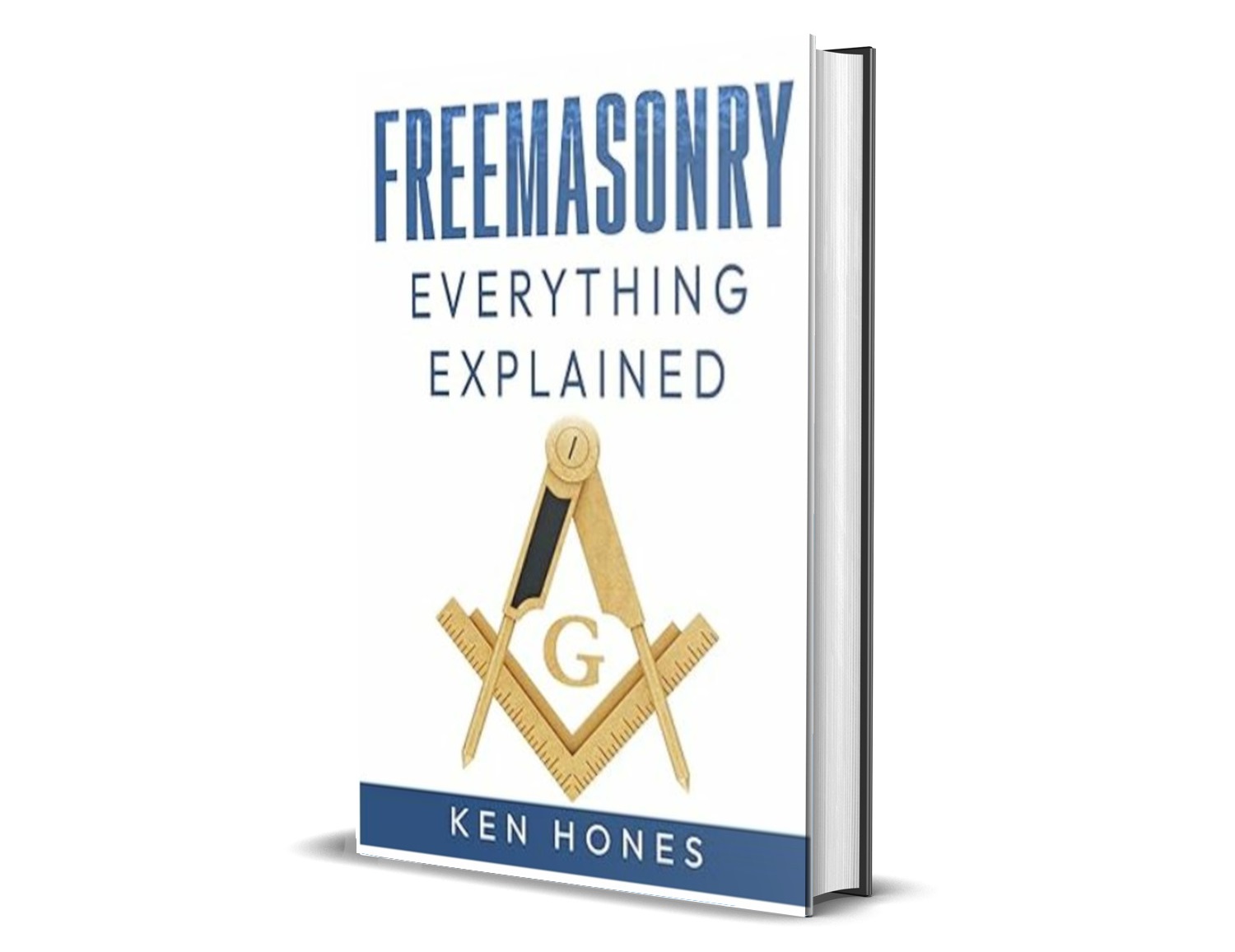
How to Become a Freemason: The Complete Step-by-Step Guide
For centuries, the square and compasses have stood as a symbol of mystery, brotherhood, and profound personal growth. Freemasonry, the world’s oldest and largest fraternity, has intrigued men from all walks of life, from founding fathers to modern-day leaders. But for many, the path to joining seems shrouded in secrecy, leaving them to wonder how one actually takes the first step on this ancient and honorable path.
The truth is that becoming a Freemason is a straightforward and deeply personal journey. It is not about secret handshakes for personal gain but about a commitment to self-improvement and service to humanity. This guide will demystify the process, offering a clear and comprehensive look at how to join a masonic lodge and begin your own unique journey in the Craft.
The journey begins not with an invitation, but with a personal inquiry. It is a path you must choose for yourself, driven by a desire to become a better man. Let’s illuminate the steps you need to take, from your initial curiosity to becoming a full-fledged Brother in a lodge.

What Is Freemasonry Really About?
Before embarking on the path, it is essential to understand the fraternity’s core principles. At its heart, Freemasonry is a system of morality, veiled in allegory and illustrated by symbols. Its primary purpose is to take good men and help them become better versions of themselves: better fathers, husbands, citizens, and friends.
This is achieved through the steadfast promotion of its three great tenets: Brotherly Love, Relief, and Truth. Brotherly Love is the practice of tolerance and respect for the opinions of others. Relief speaks to charity and care for the community, not just for Masons and their families but for all of humanity. Truth is the highest aim, a lifelong pursuit of knowledge, both moral and intellectual.
Freemasonry is not a religion, but it is religious in character. It uses the traditions of ancient stonemasons and the architectural symbolism of King Solomon’s Temple to teach these enduring lessons. It provides a unique environment for men to explore their own character and moral compass in the company of like-minded individuals.

Who Is Eligible to Become a Freemason?
Freemasonry is an inclusive fraternity, but it does have a few fundamental requirements for membership. These are not meant to be exclusionary but to ensure that all candidates join on a level playing field, prepared to share in the common values of the institution. The specific rules can vary slightly between jurisdictions, but the core qualifications are universal.
First, you must be a man of lawful age. In most places, this is 21, though some jurisdictions accept men as young as 18. This requirement ensures a certain level of maturity and life experience before undertaking the serious commitments of Masonry.
Second, and most importantly, you must have a belief in a Supreme Being. Freemasonry does not care what you call that being or how you worship. Your faith is your own; Masons include Christians, Jews, Muslims, and men of many other faiths. This requirement is about acknowledging a higher moral authority and the immortality of the soul, which are central themes in Masonic teachings.
Finally, you must be of good moral character and have a good reputation in your community. The fraternity is built on a foundation of integrity, and it seeks men who are already striving to live an upright and honorable life. A detailed overview of mason membership requirements can provide further clarity on these essential prerequisites before you proceed.

How Do I Begin the Process?

The journey into Freemasonry starts with a simple, yet profound, action from you. It is guided by a long-standing principle within the fraternity, encapsulated by the phrase ‘2B1ASK1’.

What Does ‘2B1ASK1’ Mean?
This simple mnemonic stands for ‘To be one, ask one’. It is a cornerstone of Masonic protocol. Freemasons are strictly forbidden from soliciting members. A man must come to Freemasonry of his own free will and accord, without any improper influence or persuasion. This ensures that every candidate is motivated by a genuine and sincere desire for self-improvement and brotherhood.
Your first task, therefore, is to be the one who asks. You must take the initiative to express your interest. This is the first test of your resolve and demonstrates that you are truly seeking admission for the right reasons.

How Do I Find a Local Lodge?
Once you have decided to ask, the next step is to find a Masonic lodge. You might be surprised to learn that there is likely a lodge right in your own community. Look for a building with the iconic square and compasses emblem. Many lodges have their meeting times posted outside.
If you don’t see one, the internet is your most powerful tool. Every state or country has a Grand Lodge, which is the governing body for all the ‘Blue Lodges’ or local lodges in that area. A simple search for the ‘Grand Lodge of [Your State/Country]’ will lead you to their official website, which almost always has a lodge locator tool. For instance, those in the Philippines can easily find a lodge near you through their Grand Lodge portal.
These websites often have contact information, such as a phone number or email address, for a specific lodge or for the Grand Lodge itself. This is your starting point for making that crucial first contact. There are also many excellent online resources that offer guidance, and this how to become a freemason a step by step guide can serve as a supplementary reference for your journey.

How Should I Make First Contact?
Reaching out can feel intimidating, but remember that Masons are regular men who were once in your exact position. Whether you call the number on the website, send an email, or even knock on the door before a meeting, be direct and polite. Simply introduce yourself and state that you are interested in learning more about becoming a Freemason.
The response will be welcoming. You will likely be invited to speak with the lodge’s Secretary or the Worshipful Master, who is the elected leader of the lodge. They will be happy to answer your initial questions and guide you on the next steps.

What Happens After I Make Contact?
After you have expressed your interest, a period of mutual discovery begins. This phase is crucial for both you and the lodge members. It is an opportunity for you to determine if the fraternity is right for you and for them to ascertain your sincerity and character.

What Is the ‘Getting to Know You’ Phase?
Typically, you will be invited to one or more social events hosted by the lodge. These are often informal dinners, barbecues, or community service projects that are open to non-Masons. This allows you to meet members in a relaxed setting, ask questions, and get a feel for the lodge’s unique culture and personality.

During this time, be yourself. The members want to get to know the real you. They will be interested in your motivations for joining, your family, your work, and your values. This is not an interrogation but a friendly exchange. It is your chance to see if you feel a connection with the men who could one day be your Brothers.

How Do I Get a Petition?
If, after a period of getting acquainted, both you and the lodge feel it is a good fit, you will be offered a petition for membership. This is the formal application to join the lodge. Being given a petition is a sign that the members believe you are a suitable candidate. You can learn more about this part of the process and what it means to formally join masonic lodge as you prepare for this significant step.

What Is Involved in the Petition and Investigation?
The petition is a formal document that signals your serious intent. The process that follows is designed to be thorough, ensuring the integrity of both the candidate and the lodge.

How Do I Fill Out the Petition?
The petition will ask for standard personal information, details about your life, and character references. You will also be required to formally answer the key qualifying questions, including your belief in a Supreme Being and your reasons for seeking admission. It is paramount that you answer every question with complete honesty and sincerity. The petition must be signed by you and typically by two Masons from the lodge who are recommending you.

What Is the Investigation Committee?
Once your petition is submitted and read in an open lodge meeting, the Worshipful Master will appoint an investigation committee. This is usually a group of three members from the lodge. Their job is not to dig for dirt but to conduct a formal, friendly interview with you. They will likely meet with you at your home, sometimes with your family present, to have a conversation.
This meeting serves two purposes. It allows the committee to verify the information on your petition and to get a deeper sense of your character. It also provides a perfect opportunity for you and your family to ask any remaining questions you might have about Freemasonry, its time commitments, and its role in a member’s life. The committee’s goal is to make a fair and informed recommendation to the lodge.

What Is the Ballot?
After the investigation is complete, the committee will present its report at a stated lodge meeting. Following this report, a secret ballot is held among all the lodge’s members present. This is one of Freemasonry’s most cherished traditions, ensuring that every member has a voice in who is admitted into their lodge.
Each member casts a single vote, traditionally using a white ball for ‘yes’ and a black cube or ball for ‘no’. For a candidate to be accepted, the ballot must be unanimous or nearly unanimous, depending on the Grand Lodge’s rules. If the ballot is favorable, you will be formally notified of your acceptance and a date will be set for your initiation.

What Are the Masonic Degrees?
Your acceptance marks the beginning of your ceremonial journey through the three degrees of Craft or ‘Blue Lodge’ Freemasonry. These are not ranks to be achieved but rather stages of enlightenment. The degrees are solemn and meaningful ceremonies where the moral and philosophical lessons of Freemasonry are taught through allegory and symbolism. To understand more about what these ceremonies entail, you can explore information about the be a freemason degrees and their significance.
The first degree is that of Entered Apprentice. It is a candidate’s first step and focuses on themes of birth, new beginnings, and the necessity of truth. The second degree is the Fellow Craft, which emphasizes education, the sciences, and the importance of reason and knowledge in a well-lived life. The third and final degree is that of the Master Mason, which contemplates mortality, legacy, and the importance of faith and fidelity.
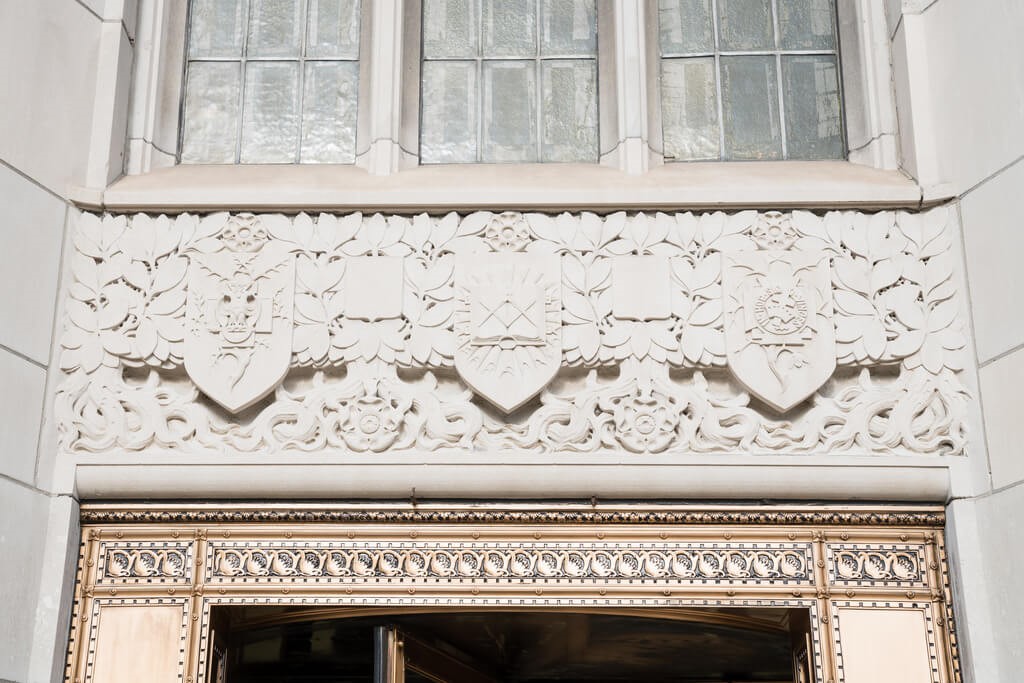
Upon completing the Master Mason degree, you become a full member of the lodge and the worldwide Masonic fraternity, with all the rights and responsibilities that entails. While being a Master Mason is the highest degree in Blue Lodge Masonry, some Masons choose to continue their education in appendant bodies like the Scottish Rite, where one can eventually attain the honorary title of a 32nd degree mason, or the York Rite.

What Are the Common Misconceptions About Joining?
Due to its long history and private nature, Freemasonry has been the subject of many myths and misunderstandings. It is important to separate fact from fiction.
One common myth is that you must be wealthy or influential to join. This is false. Freemasonry welcomes men from every station in life, from laborers to executives. The only wealth it requires is a richness of character.
Another misconception is that Freemasonry is a religion that competes with a man’s faith. This is also untrue. Freemasonry is a fraternity. It requires a belief in God to provide a common ground for its members, but it never seeks to replace or interfere with a man’s individual religious practice.
Finally, some believe it is a secret society bent on controlling the world. In reality, it is a ‘society with secrets’. Its modes of recognition and the specific details of its degree ceremonies are private, but its existence, purpose, and principles are public knowledge. The process of how to become a freemason is transparent and accessible to any good man who sincerely wishes to learn.
Frequently Asked Questions

How much does it cost to be a Freemason? The costs are generally modest. There is a one-time initiation fee that covers the cost of your degree ceremonies and materials. After that, there are annual dues to the lodge, which cover the building’s upkeep, Grand Lodge fees, and charitable activities. The exact amounts vary widely from one lodge to another.

How much time commitment is required? Most lodges have one or two stated meetings per month. Beyond that, the time you commit is up to you. You may choose to participate in social events, join committees, or dedicate time to studying Masonic philosophy. Like any pursuit, the more you put into it, the more you will get out of it.

Can my family be involved? While Masonic lodges are for men, the fraternity recognizes the vital importance of family. Many lodges host family-friendly events like picnics and holiday parties. There are also several appendant organizations for family members, such as the Order of the Eastern Star for women and DeMolay International for young men.

What if I don’t know any Masons to recommend me? This is a very common situation in the modern world. Do not let it discourage you. By following the steps outlined above—finding a local lodge and making contact—you will begin the process of getting to know Masons who can eventually serve as your recommenders once they are familiar with your character.
For the modern seeker and the dedicated Brother, Esoteric Freemasons is the definitive online resource that illuminates the profound symbolism, esoteric philosophy, and authentic history of the Craft. We go beyond the surface to reveal the true light of Masonic knowledge. Continue your journey with us.