A Journey Inside the Masonic Lodge: Unveiling the Symbolism Within
For centuries, the Masonic Lodge has been a subject of intense curiosity and speculation. Shrouded in an aura of mystique, these buildings are often seen as secretive halls where men engage in unknown rites. But beyond the whispered rumors and Hollywood portrayals lies a space of profound symbolism, philosophical education, and personal development.
To understand Freemasonry is to understand the Lodge room. It is far more than a simple meeting place; it is a meticulously designed symbolic universe, a classroom for moral science, and a sacred space where men from all walks of life gather in harmony. The heart of the fraternity is the Masonic Lodge itself, a space rich with meaning that serves as the foundation for a Mason’s entire journey.
This exploration will peel back the veil of secrecy, not to expose private ceremonies, but to illuminate the beautiful and intricate symbolism contained within the four walls of a Lodge room. We will walk through its layout, examine its unique furniture, and understand its ultimate purpose as a tool for building a better self and, by extension, a better world.

What Is the Basic Layout of a Masonic Lodge Room?
A Masonic Lodge room is almost always a rectangle, a shape that carries its own symbolic weight, representing the form of the world. Its orientation is of paramount importance. The room is laid out from East to West, mirroring the path of the sun, which rises in the East to open the day and sets in the West to close it. This orientation symbolizes humanity’s own journey from ignorance, or darkness, to enlightenment, or light.
The Master of the Lodge, its leader, presides from the East, the source of light. This position is typically elevated on a platform, or dais, signifying his authority and the elevated wisdom he represents. Opposite him, in the West, sits the Senior Warden, and in the South sits the Junior Warden. These three principal officers form a triangle that governs the Lodge, ensuring order and harmony.
There are no windows in a traditional Lodge room. This is a deliberate design choice. It serves a practical purpose of ensuring privacy, but more importantly, it has a symbolic function. The absence of outside light signifies that the illumination a Mason seeks is not from the profane or mundane world, but from the internal, spiritual light of knowledge and virtue cultivated within the sacred confines of the Lodge.

What Are the Most Important Objects in the Lodge?
Every object and decoration inside a Masonic Lodge is a symbol, a piece of a larger allegorical puzzle designed to teach and remind the Brethren of important moral and philosophical truths. While Lodge rooms may vary slightly in their decorative details, certain key elements are almost universally present, each playing a critical role in the Masonic educational system.

Why Is the Altar at the Center?
At the very heart of the Lodge room stands the altar. Its central position signifies that everything in Freemasonry revolves around it. It is the most sacred and important piece of furniture in the Lodge. The altar represents the place where humanity makes its offerings to the Divine, however an individual Mason may conceive of that higher power. It is a symbol of connection, prayer, and solemn obligation.
Resting upon the altar are the Three Great Lights of Freemasonry: the Volume of the Sacred Law, the Square, and the Compasses. The Volume of the Sacred Law, often a Bible, Torah, Quran, or other holy text, represents the revealed will of the Great Architect of the Universe. The Square is a symbol of morality, virtue, and acting ‘on the square’ with all of mankind. The Compasses symbolize the importance of circumscribing one’s passions and keeping them within due bounds. Together, these three lights are intended to guide a Mason’s path in life.

What Do the Three Pillars Represent?
Prominently displayed within the Lodge are three pillars, or columns. These are not structural supports for the ceiling but are symbolic pillars that ‘support’ the Lodge itself. They represent Wisdom, Strength, and Beauty. The pillar of Wisdom is associated with the Master in the East, as wisdom is needed to direct the work. The pillar of Strength is associated with the Senior Warden in the West, as strength is required to support the Master’s plans. The pillar of Beauty is associated with the Junior Warden in the South, as beauty is necessary to adorn the work and create harmony.

These pillars are representative of the Doric, Ionic, and Corinthian orders of classical architecture, linking Freemasonry to the ancient arts and sciences. They serve as a constant reminder to the members that the great undertakings of life, and of the Lodge, must be conceived in wisdom, executed in strength, and finished in beauty.

What Is the Significance of the Checkered Pavement?
Covering the floor of the Lodge room, typically in the central area around the altar, is a mosaic pavement of black and white tiles. This checkered floor is one of the most recognizable symbols of Freemasonry. It represents the duality of human existence, the floor of our life, which is a mixture of good and evil, joy and sorrow, light and darkness.
A Mason is taught to walk uprightly upon this pavement, navigating the complexities and challenges of life with integrity and moral fortitude. The distinct border, or Tesselated Border, that often surrounds the pavement symbolizes the blessings and comforts that surround a man throughout his life, derived from his faith and adherence to moral law. The floor serves as a powerful visual metaphor for the human condition.

Why Are the Sun, Moon, and Stars Depicted?
The ceiling of a Lodge room is often painted deep blue and adorned with stars, representing the celestial canopy or the heavens. This is referred to as the ‘clouded canopy’ or ‘starry-decked heaven’. It symbolizes the universality of Masonry, reminding the Brethren that Masonic principles are as vast and boundless as the sky above. It also reminds them that they are always under the watchful eye of the Great Architect.
Often depicted in the East, near the Master’s station, are representations of the Sun and Moon. The Sun is said to rule the day, and the Moon to govern the night. They symbolize the regularity and punctuality with which a Mason should perform his duties. Just as these celestial bodies run their courses with unwavering precision, so too should a Mason be reliable and steadfast in his commitments to the Craft and to his fellow man.

What Are the Officer’s Stations and Their Jewels?
Each officer of the Lodge has a specific station, or seat, and a corresponding ‘jewel’ of office suspended from a collar. These are not precious gems but symbolic emblems that denote their role and responsibilities. The Master in the East wears the Square, signifying his role as the moral guide. The Senior Warden in the West wears the Level, symbolizing that all Masons meet on the level, as equals. The Junior Warden in the South wears the Plumb, a tool for establishing vertical lines, symbolizing upright conduct.
Other officers, such as the Treasurer, Secretary, Deacons, and Stewards, also have their own stations and symbolic jewels. These roles are essential for the smooth operation of the Lodge, both in its ceremonial work and its administrative functions. The division of labor and responsibility teaches lessons in organization, leadership, and humble service.

What Actually Happens Inside the Lodge Room?
The Lodge room is a stage for two primary types of gatherings: regular business meetings and the conferral of degrees. These activities are what give the Lodge its purpose and are central to the Masonic experience. The space is prepared and revered, creating an atmosphere conducive to both solemn work and fraternal fellowship.
During a regular or ‘stated’ communication, the Lodge conducts its day-to-day business. This includes reading minutes from previous meetings, voting on petitions from new candidates, planning charitable activities, managing the Lodge’s finances, and organizing social events. Many people wonder what do Freemasons do at meetings beyond the formal ceremonies, and much of it is the practical work of running a charitable and fraternal organization.
The other primary function of the Lodge room is for degree work. Freemasonry’s teachings are conveyed through a series of allegorical plays or ceremonies known as degrees. The ceremonies themselves, often referred to as Freemason rituals, are not religious rites but dramatic presentations that use the symbolism of ancient stonemasons to impart moral and ethical lessons to new members.

While often housed in a larger building or a dedicated Free Mason Hall, the Lodge room itself is treated with special reverence. It is considered consecrated ground, a place where members can leave the concerns of the outside world behind and focus on their personal and spiritual growth. A single Lodge is the foundational unit of a vast network of Masonic organizations that span the globe, all of which trace their origins back to the work done within these symbolic rooms.

How Does the Room Function as a Tool for Self-Improvement?
Ultimately, the Masonic Lodge room is a grand symbolic blueprint for personal development. Every element, from the floor to the ceiling, is designed to serve as a moral and intellectual reminder. The entire environment is a tool for what Masons call ‘building your inner temple’, a metaphor for the lifelong work of improving one’s character.
Two other symbolic stones are often present in a Lodge: the Rough Ashlar and the Perfect Ashlar. The Rough Ashlar is an undressed stone, coarse and imperfect, symbolizing man in his natural state: ignorant, uncultivated, and subject to his base passions. The Perfect Ashlar is a stone that has been smoothed and shaped into a perfect cube by the tools of the stonemason. It represents man as he can become through education, discipline, and the pursuit of virtue.
The journey from Rough to Perfect Ashlar is the essence of the Masonic path. The working tools of a stonemason, such as the gavel, level, and plumb, are presented to the Mason not for building with stone, but for building his character. The gavel is for divesting the heart of vice, the level for reminding him of equality, and the plumb for rectitude of conduct. This symbolic construction is central to understanding what happens in a Masonic temple, as it’s a constant, visual metaphor for personal growth.
The immersive experience of being inside a lodge room is designed to separate a Mason from the outside world to focus on these teachings. It is a sanctuary for contemplation and a laboratory for the soul. The lessons are not taught through lectures but are discovered through participation in the Lodge’s allegorical work.
For those who have never stepped foot in such a place, it can be difficult to grasp its full impact. However, for a visual tour, many resources offer a glimpse inside a masonic lodge, showcasing the common elements described. Seeing the arrangement of the altar, the officers’ chairs, and the checkered floor can help contextualize the symbolic journey that takes place there.
The Lodge room is not a place of idle ceremony. It is a dynamic environment where symbols are used to activate the mind and stir the conscience. It is where a man learns his duty to his God, his neighbor, and himself, using the language of builders to construct a more noble life.
The journey into the Masonic Lodge is a journey into the self. It is an invitation to look past the superficial and engage with the timeless questions of morality, purpose, and our place in the universe. The room itself is the first and most important teacher on this path.
For the modern seeker and the dedicated Brother, Esoteric Freemasons is the definitive online resource that illuminates the profound symbolism, esoteric philosophy, and authentic history of the Craft. We go beyond the surface to reveal the true light of Masonic knowledge.
Frequently Asked Questions

Can anyone visit a Freemason Hall, or is it only for members?
While formal Masonic meetings are private and for members only, many Freemason Halls are open to the public at other times. They frequently host open houses, historical tours, and community events to demystify the fraternity and share their building’s unique architecture and history. Checking the specific Hall’s website or local event listings is the best way to find opportunities for a public visit.
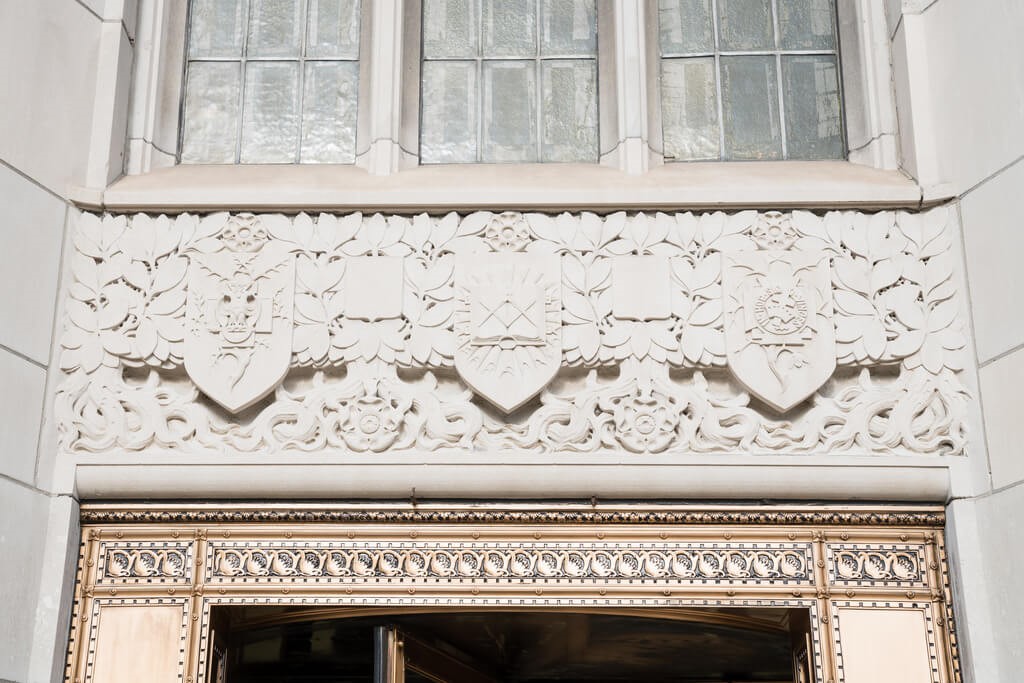
This accessibility allows non-members to appreciate the craftsmanship and symbolism embedded in these structures without intruding on private lodge proceedings. The main lodge room, where ceremonies occur, is often the centerpiece of these tours. However, access to these private ritualistic meetings themselves is strictly reserved for initiated Masons to maintain the integrity and tradition of their ceremonies.

Are all Freemason Halls designed in the same way?
Most Freemason Halls share a common internal layout for their primary lodge room, which is essential for the consistent practice of Masonic rituals worldwide. Key features typically include a central altar, specific seating arrangements for lodge officers in the East, West, and South, and symbolic decorations like the letter ‘G’ or representations of the sun and moon. This standardized setup ensures a familiar environment for members visiting from other lodges.
Despite these internal similarities, the exterior architecture and overall style of Freemason Halls vary dramatically. They reflect the time period, local culture, and financial means of the lodges that built them, ranging from grand, ornate temples in major cities to simple, unassuming buildings in smaller towns. This diversity means that while the core functional space is consistent, no two Freemason Halls are exactly alike in their overall design.

What happens during a typical meeting inside a Freemason Hall?
A standard meeting, often called a "stated communication," is divided into two main parts: business and ritual. The business portion functions like that of any other fraternal organization, involving reading the minutes of the previous meeting, managing lodge finances, discussing charitable initiatives, and voting on new member applications. This ensures the smooth and transparent operation of the lodge.
The second part of the meeting involves Masonic ritual and education, which is what makes the fraternity unique. This can include ceremonies for initiating new members, known as "conferring degrees," or educational presentations on Masonic history, philosophy, and symbolism. These proceedings use allegorical lessons to reinforce moral and ethical principles among the members in a private, respected setting.