Beyond Borders: Unveiling the Universal Language of Freemasonry
Imagine a connection that spans continents, cultures, and languages, uniting individuals not by birth or creed, but by a shared commitment to moral and spiritual growth. This is the core promise of Masonic Universality, a foundational principle that transforms Freemasonry from a simple club into a global brotherhood. It’s the idea that a Mason from Ohio can find a welcome hand and a familiar sense of belonging in a lodge in Tokyo, Cairo, or Buenos Aires, despite vast differences in their daily lives.
At its heart, Freemasonry is a system of self-improvement, teaching its lessons through allegory and symbolism. This unique method allows its central truths to be understood and embraced by men from virtually any background. The institution provides a common ground, a level playing field where external distinctions are set aside in favor of internal character. This powerful concept of a worldwide Mason fraternity is what has allowed the Craft to endure and flourish for centuries, creating a silent, invisible network of mutual support and respect across the planet.
This universality is not based on a single dogma or a rigid set of religious laws. Instead, it is built upon a few widely accepted landmarks: a belief in a Supreme Being, however one conceives of that entity, the immortality of the soul, and an unwavering dedication to the principles of Brotherly Love, Relief, and Truth. These pillars are broad enough to support men of countless faiths and philosophies, fostering an environment of tolerance and genuine connection.

What Binds Masons Together Across the Globe?
How can an organization with millions of members in nearly every country maintain a sense of unity? The answer lies in its shared core tenets, which act as the philosophical bedrock of the entire institution. These are not rules designed to exclude, but principles intended to unite.
The most significant of these is the requirement for a member to believe in a Supreme Being. Freemasonry is not a religion, and it dictates no specific theology. A Christian, a Jew, a Muslim, a Hindu, or a Deist can all meet within the lodge because the specific name or nature of their God is left to their individual conscience. This focus on a higher power, in the most general sense, orients the Mason toward morality, accountability, and the pursuit of a life lived with purpose.
Following this is the principle of the immortality of the soul. This belief encourages a Mason to consider his actions not just in the context of his current life, but as part of an eternal journey. It frames his quest for self-improvement as a task of lasting importance, building a spiritual and moral edifice that will endure. It is a powerful motivator for living a virtuous and honorable life.
Finally, the practical application of Masonic philosophy is found in the concepts of Brotherly Love, Relief, and Truth. Brotherly Love is the duty to regard the entire human species as one family and to offer tolerance and respect. Relief refers to the obligation to aid and support a fellow Mason and his family in times of need. Truth is the highest standard, a commitment to integrity, honesty, and wisdom in all aspects of life. These three duties form a common code of conduct that every Mason is expected to practice, creating a reliable and consistent ethical framework worldwide.

How Do Masons Communicate Without a Common Language?
While shared principles form the philosophical foundation of universality, the true vehicle for its transmission is symbolism. Freemasonry is often called a ‘system of morality, veiled in allegory and illustrated by symbols’. This symbolic language is what makes Masonic teachings so portable and timeless.
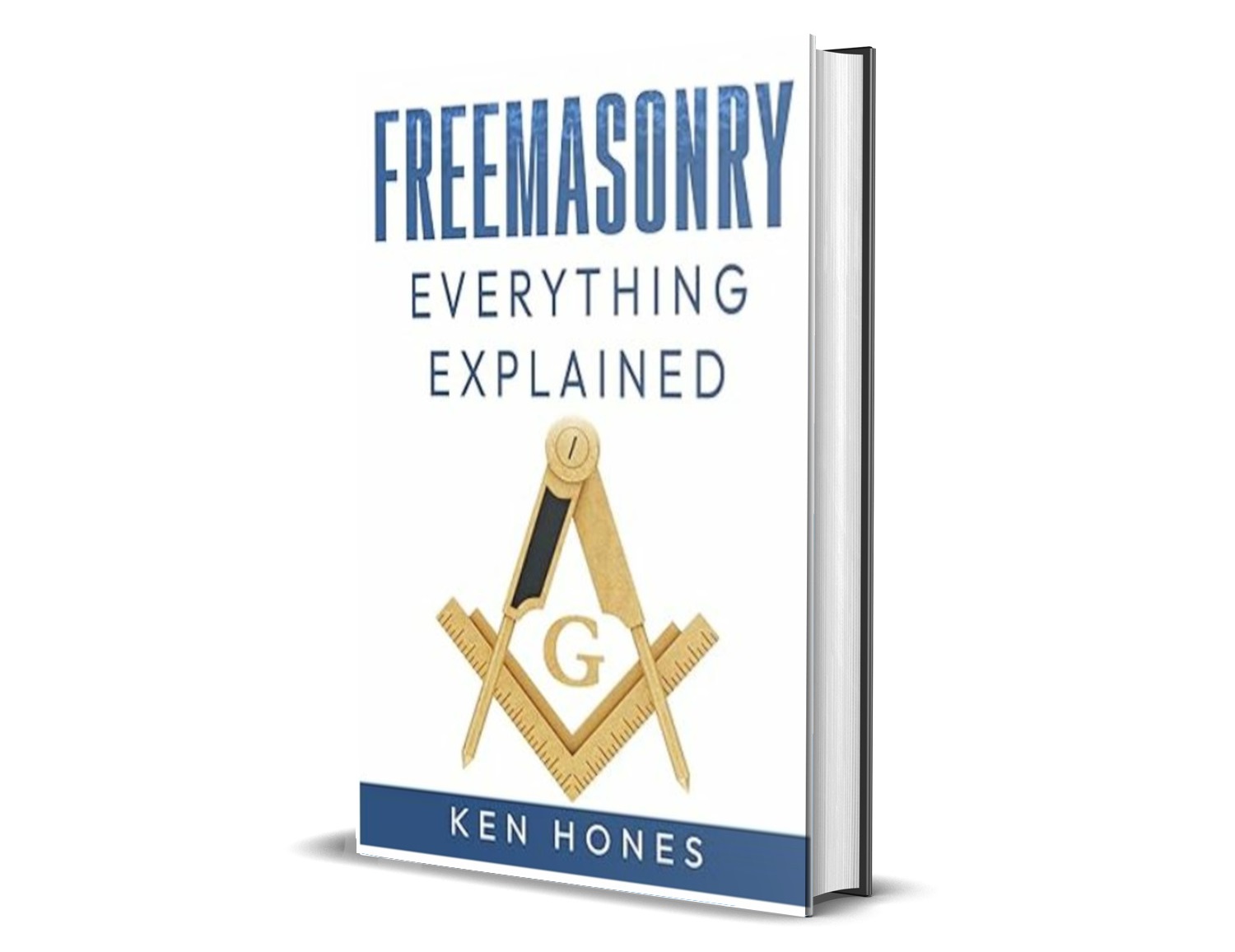
Imagine the tools of a medieval stonemason: the square, the compasses, the level, and the plumb. In a Masonic lodge, these are not implements for shaping stone but for shaping character. The square teaches morality and the importance of acting ‘on the square’ with all of mankind. The compasses remind a Mason to circumscribe his desires and keep his passions within due bounds. These are lessons that require no translation; their meaning is conveyed through ritual and visual representation.
This symbolic vocabulary allows Masons from different countries to understand the core lessons of a degree or a lecture even if they cannot understand a single word of the local language. The positions of officers in the lodge, the movements of a ritual, and the appearance of the key symbols are largely consistent. A Mason visiting a foreign lodge might not follow the spoken lecture, but he will recognize the allegorical journey unfolding before him. It’s a testament to the power of symbols to convey complex ideas more profoundly than words alone.

Even more intricate symbols carry deep philosophical weight. Some, like the Masonic skull and crossbones, are not meant to be morbid but serve as powerful reminders of mortality and the importance of living a meaningful life. They prompt contemplation on what legacy one will leave behind. This shared symbolic library creates an immediate and deep sense of familiarity and brotherhood.

How Does Masonic Universality Manifest in the Real World?
The concept of a global fraternity is not just a high-minded ideal; it has tangible, real-world applications. One of the most cherished traditions in Freemasonry is the right of visitation. A Mason in good standing can, with proper verification, attend a lodge meeting almost anywhere in the world.
This practice demonstrates the power of Masonic universality in a direct way. A business traveler in a foreign city or a soldier stationed far from home can find a welcoming lodge, a warm meal, and the hand of fellowship. He can walk into a room of strangers and, within moments, be treated as a long-lost brother, sharing in a ceremony that is both familiar and comforting.
This tradition fosters a profound sense of security and connection. It means that no matter where a Mason travels, he is never truly alone. He is part of an established global network of men who have taken the same obligations and are committed to the same principles of mutual support and respect. This is a powerful expression of what it means to be part of a worldwide brotherhood.
Stories abound of Masons helping one another in times of crisis, often without ever having met before. The shared bond of the Craft is enough to inspire acts of charity, assistance, and protection. This practical application of its teachings is where the universality of Freemasonry truly shines, proving it is more than just a philosophy but a lived experience.

Where Did This Idea of a Universal Fraternity Originate?
The vision of a fraternity that transcends religious and political divisions was revolutionary when modern Freemasonry was formally organized in London in 1717. The world at that time was rife with religious conflict and social stratification. The idea that men of different faiths and social classes could meet in harmony was a radical departure from the norm.
Freemasonry emerged during the Age of Enlightenment, a period defined by reason, tolerance, and a growing interest in a shared human identity. The founders of Speculative Masonry intentionally designed it to be a haven from the discord of the outside world. The lodge was to be a place where a man was judged not by his title or his creed, but by his character and his commitment to the Craft.
This was a deliberate effort to create a universal Masonry that could unite good men everywhere. By focusing on a deistic, non-sectarian concept of God and a moral system based on reason and allegory, they built an institution that was inherently adaptable and inclusive. It was a social experiment that proved remarkably successful, spreading rapidly across Europe, the Americas, and eventually the entire globe.
The very structure of the lodge, where the Worshipful Master sits in the East and all other members are on the ‘level’, is a physical representation of this ideal. It is a space where a king and a commoner, a priest and a merchant, could meet as equals, bound by a common pursuit of light and knowledge. This foundational vision is what continues to drive the institution’s global appeal.

Is Masonic Universality a Perfect or Unchallenged Concept?
While the ideal of universality is powerful, its practice is not without complexities. The global Masonic world is not a single, monolithic entity. It is a collection of independent, sovereign Grand Lodges, each with its own jurisdiction and specific regulations. This sometimes leads to disagreements on what constitutes ‘regular’ Freemasonry.
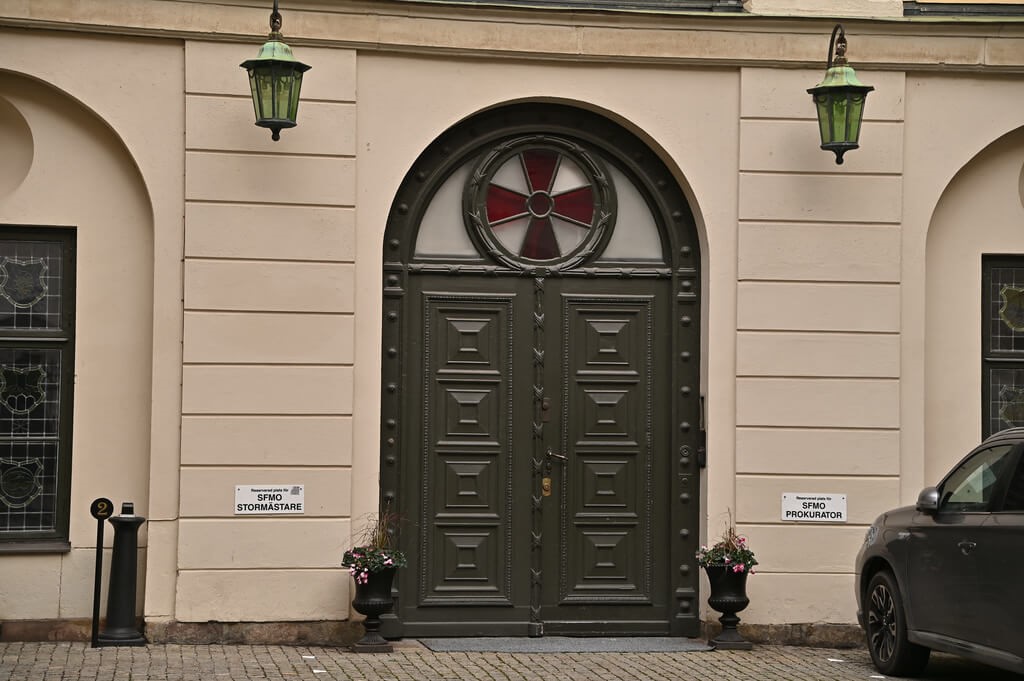
The primary point of divergence often revolves around the ‘landmarks’ or core principles. Most Grand Lodges, particularly in the Anglo-American tradition, require a belief in a Supreme Being and the presence of a Volume of Sacred Law in the lodge. However, some branches, often termed ‘liberal’ or ‘adogmatic’ Freemasonry, have removed this requirement to welcome atheists and agnostics. This has created a schism, where many ‘regular’ Grand Lodges do not formally recognize or permit visitation with members of these liberal obediences.
Organizations promoting Universal Freemasonry often represent this more liberal and inclusive interpretation, challenging the traditional definitions of regularity. These debates highlight that universality is an ongoing conversation within the Craft, not a settled doctrine. It forces Masons to continually re-examine what principles are truly essential for their work.
Despite these administrative and philosophical divides, the underlying spirit of universality often persists on an individual level. Even where formal recognition is absent, Masons from different traditions often find common ground in their shared symbolism and their mutual desire for self-improvement. The ideal remains a potent force, even when its formal application is imperfect.

What Does it Truly Mean to be Part of a Masonic Fraternity?
Understanding the global reach of Freemasonry naturally leads to questions about the nature of its fraternal bond. What is the essence of this connection, and how does it differ from other social organizations?

So, is Masonry just another fraternity?
While the word ‘fraternity’ is used, comparing Freemasonry to a typical college or social fraternity can be misleading. The Masonic experience is not centered on social events or collegiate life. Its primary purpose is to provide a structured path for moral and intellectual development for men of all ages. The commitment is lifelong, and the lessons are meant to be applied in one’s family, career, and community.
The bond is forged through shared ritual experiences and a collective journey through the allegorical lessons of the degrees. It is a serious and contemplative undertaking. Answering the question is masonry a fraternity requires looking past the surface label to the deeper substance of its work, which is focused on building better men.

What is the deeper meaning of this brotherhood?
The Masonic fraternal bond is multifaceted. On one level, it is a commitment to mutual aid and support. On a deeper level, it is a shared quest for light, a term Masons use to signify knowledge, wisdom, and spiritual enlightenment. Brothers are fellow travelers on this path, encouraging and assisting one another in their personal journeys.
The mason fraternity meaning is rooted in the idea that self-improvement is not a solitary task. By binding men together with vows of fidelity and fellowship, Freemasonry creates an environment of trust where individuals can explore profound philosophical questions and strive to become the best versions of themselves. This shared purpose is the true cement of the universal Masonic brotherhood.
In a world that often feels fragmented and divided, Masonic Universality offers a compelling alternative. It is a testament to the idea that our common humanity and shared desire for goodness can overcome the barriers of geography, culture, and creed. It is a quiet, persistent force for unity, built one man, one lodge, and one handshake at a time.
Frequently Asked Questions

How much weight should I give to unofficial fraternity rankings when choosing a chapter?
While unofficial rankings can provide a general overview of the social landscape at Mason, they should be taken with a grain of salt. These lists are highly subjective and often based on a narrow set of criteria, such as social popularity or campus visibility, which may not align with your personal goals. It’s best to use them as a starting point for your research rather than as a definitive guide for your decision.

Ultimately, the most important factor is your personal connection with the members of a chapter. During the recruitment process, focus on finding a group of individuals who share your values, support your academic ambitions, and offer a sense of genuine brotherhood. A chapter that feels like the right fit for you will provide a far more rewarding experience than one that simply sits at the top of an informal list.

What aspects of fraternity life do rankings often fail to capture?
Rankings typically oversimplify fraternity life by focusing on surface-level attributes, completely missing the most crucial elements of the experience. They rarely reflect the true strength of a chapter’s brotherhood, the quality of its internal leadership development programs, or the power of its alumni network. These intangible factors are what provide long-term value long after college is over.
Furthermore, these lists often neglect to show a chapter’s genuine commitment to its philanthropy or the academic support systems it has in place for members. A fraternity with a strong GPA and a deep-seated culture of service might offer a more balanced and enriching experience than one known only for its social events. These are critical details that can only be discovered through direct conversation and personal research.

Are fraternity rankings at Mason stable, or do they change often?
Informal fraternity rankings at George Mason are notoriously volatile and can shift dramatically from one semester to the next. A chapter’s perceived standing is heavily influenced by transient factors like the reputation of its most recent pledge class or the graduation of a key group of senior leaders. Because of this fluidity, a top-ranked chapter one year could easily fall in the rankings the next.
This constant change means that a snapshot ranking is not a reliable measure of a chapter’s long-term quality or stability. Instead of focusing on current placement, it is more valuable to assess a fraternity’s consistent history, its official standing with the university, and its overall reputation over several years. A chapter with a solid foundation is a much safer bet than one experiencing a temporary surge in popularity.
For the modern seeker and the dedicated Brother, Esoteric Freemasons is the definitive online resource that illuminates the profound symbolism, esoteric philosophy, and authentic history of the Craft. We go beyond the surface to reveal the true light of Masonic knowledge.