How to Become a Freemason: The Complete Step-by-Step Guide
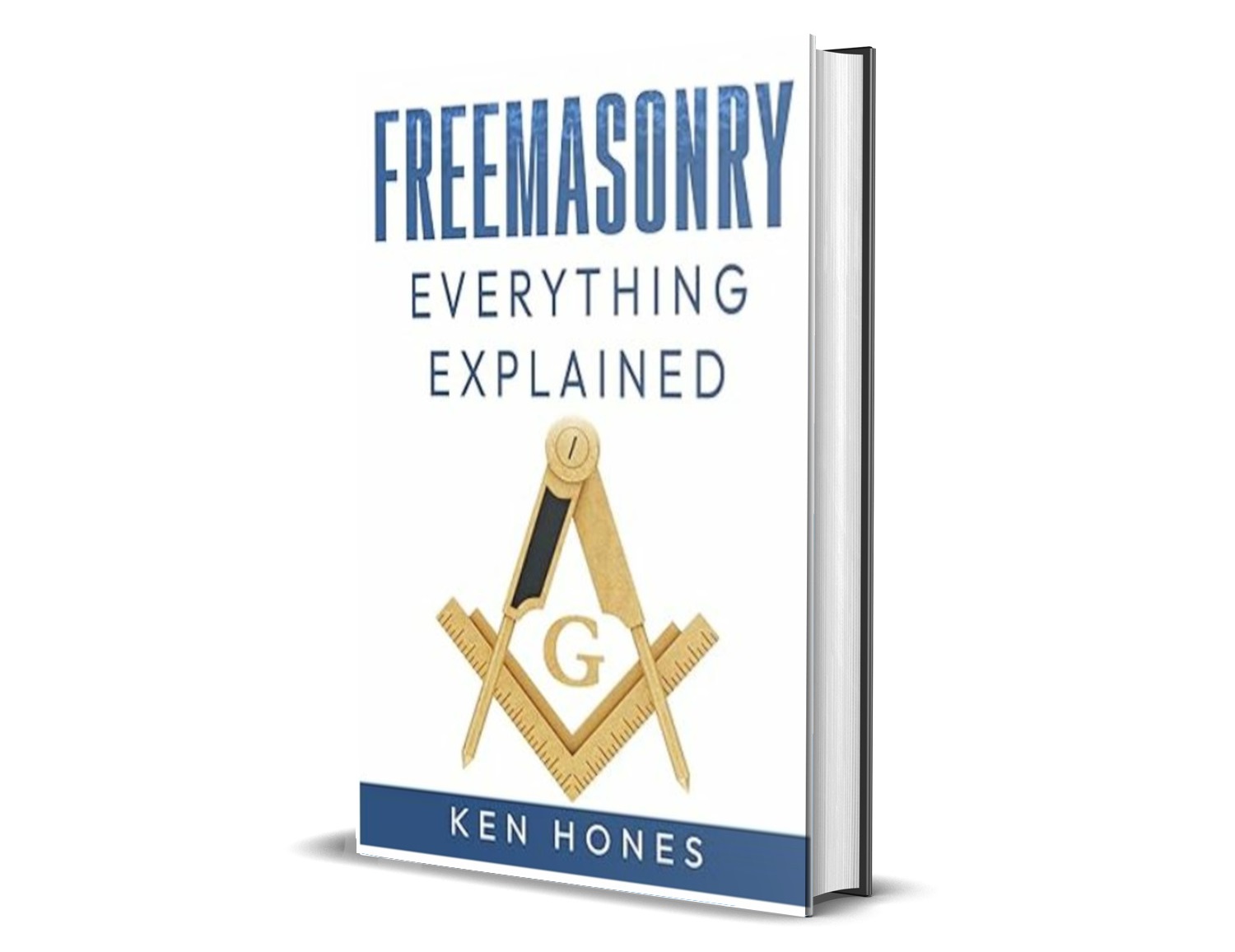
For centuries, the square and compasses have stood as a symbol of mystery, brotherhood, and profound personal development. Freemasonry, the world’s oldest and largest fraternity, has attracted men from all walks of life, including presidents, artists, scientists, and community leaders. They are drawn not by secret agendas, but by a shared desire to become better men through a system of morality, allegory, and symbolism.
Embarking on this path is a significant decision, a journey of self-discovery that begins with a single, crucial step. It is a process rooted in tradition, personal reflection, and a genuine desire to connect with like-minded individuals. This guide will illuminate the path, providing clear and actionable information on how to join a Masonic lodge and what to expect along the way.
The journey into Freemasonry is not about what you get, but about who you become. It is a commitment to personal growth, community service, and the support of your Brothers. Let’s explore the steps to joining this ancient and honorable fraternity.

What is Freemasonry, Really?
Before you can join, it is essential to understand what Freemasonry is and what it is not. Contrary to popular fiction, it is not a secret society plotting world events. It is a fraternity, or a ‘society with secrets’, whose primary purpose is to take good men and help them become better. Its allegorical lessons are designed to foster personal integrity and moral virtue.
At its heart, Freemasonry is built upon three great principles: Brotherly Love, Relief, and Truth. Brotherly Love is the care and respect members have for one another. Relief refers to charity and community service, helping those in need, whether they are Masons or not. Truth represents the pursuit of knowledge and moral rectitude, a lifelong journey of self-improvement.
Freemasonry operates through a worldwide network of local Lodges, each governed by a regional Grand Lodge. While rituals and customs may vary slightly by jurisdiction, the core tenets and principles remain universal, connecting millions of men across the globe in a shared bond.

What Are the Basic Requirements to Join?
While Freemasonry is inclusive of men from all backgrounds, faiths, and stations in life, there are several fundamental requirements that every candidate must meet. These are not meant to be exclusionary but to ensure that all who join share a common foundation upon which to build.
First, you must be a man of lawful age. This typically means you are at least 18 or 21 years old, depending on the specific regulations of the Grand Lodge in your area. This ensures a certain level of maturity and life experience.
Second, you must hold a belief in a Supreme Being. Freemasonry is not a religion and does not prescribe any specific faith, but it requires its members to believe in a higher power. How you define that Supreme Being is a matter of your own personal conscience. This requirement is a cornerstone of the Masonic system, as its rituals and obligations are tied to this belief.
Third, you must be of good moral character. This is often the most important qualification. A man seeking to become a Mason should be seen as a good citizen, a dependable family man, and someone respected in his community. The fraternity is interested in your internal qualities, not your material wealth or social status.

Finally, you must be joining of your own free will and accord. No one should ever be forced or unduly persuaded to become a Freemason. The decision must be yours alone, based on a favorable impression of the institution and a desire for self-improvement.

How Do I Begin the Journey to Become a Mason?
Once you understand the basics and are confident you meet the requirements, the practical process can begin. The journey is a deliberate one, with several distinct stages designed to allow both you and the lodge members to get to know one another. This ensures the fit is right for everyone involved.

Step 1: How Do I Find a Masonic Lodge?
The most famous principle in seeking membership is ‘2B1ASK1’, which simply means ‘to be one, ask one’. If you know a man who is a Freemason, the easiest way to start is to talk to him. Express your genuine interest and ask him about his experience and how you might learn more.
If you do not know any Masons personally, do not worry. In the modern era, finding a lodge is easier than ever. Most Grand Lodges have websites with tools for finding a local Freemasonry lodge near me. These directories can provide you with contact information for lodges in your community. You can also simply look for a Masonic temple in your town; many have signs or cornerstones that are clearly visible.
There are also dedicated resources available to help prospective members. For example, organizations like the one found at beafreemason.org provide information and a starting point for men in North America who wish to inquire about membership. The key is to take the initiative and make the first move.

Step 2: How Do I Make Contact and Express Interest?
Once you have identified a lodge, the next step is to reach out. This can be done by sending an email, making a phone call, or writing a letter to the Lodge Secretary. Introduce yourself and state clearly that you are interested in learning more about becoming a Freemason.
Typically, you will be invited to meet with some of the members. This is often an informal gathering, perhaps over coffee or a meal. Many lodges also host public events, dinners, or open houses where non-Masons are welcome. Attending one of these is an excellent way to see the lodge building and meet the members in a relaxed setting.
This initial period is about mutual discovery. It gives you a chance to ask questions and get a feel for the personality of the lodge. It also gives the members a chance to get to know you. Be yourself, be honest, and be open. This is not an interview for a job but the beginning of a potential lifelong friendship.

Step 3: What is the Petitioning Process?
If, after getting to know each other, both you and the lodge members feel it is a good fit, you will be invited to formally petition for membership. The petition is a standard application form that asks for your personal details, confirms you meet the basic requirements, and asks why you wish to join.
To submit a petition, you will usually need two sponsors from within the lodge to sign it for you. These are typically members you have gotten to know during your initial meetings. Their signatures attest to the lodge that they believe you are a man of good character who would be a worthy member. The process of joining the Freemasons is structured to ensure a man is well-vouched for before he is considered.

Different jurisdictions may have slightly different procedures, but the core elements of petitioning are universal. For instance, the Grand Lodge of the Philippines provides a clear overview of their process on their website, which you can see at https://grandlodge.ph/join. Completing the petition is the first formal step on your Masonic journey.

Step 4: What Happens During the Investigation?
After your petition is received and read in an open lodge meeting, the Lodge Master will appoint an investigating committee. This may sound intimidating, but it is a friendly and essential part of the process. The committee, usually composed of three members of the lodge, will schedule a time to meet with you.
This meeting often takes place in your home, as it gives them a chance to meet your family and see you in your own environment. Their goal is to have a frank and open conversation with you. They want to confirm the information on your petition, answer any questions you or your family may have, and ensure you have a clear understanding of the financial and time commitments involved. This is another opportunity to confirm you are of good character and that your motives for joining are sound.
This investigation is a two-way street. It is as much for your benefit as it is for the lodge’s. It provides a dedicated forum for you to get detailed answers and ensure you are making a well-informed decision. This part of the step-by-step guide is crucial for building trust.

Step 5: What is the Ballot?
Once the investigation committee has completed its work, they will report their findings back to the lodge at a subsequent meeting. After the report is read, the Lodge Master will call for a ballot on your petition.
This is a solemn and ancient tradition. Every member present in the lodge that evening will cast a vote. The voting is done secretly using a ballot box with white balls and black cubes or balls. A white ball signifies an affirmative vote, while a black cube signifies a negative vote. The integrity of the fraternity depends on its members, so the vote is taken very seriously.
In most jurisdictions, the ballot must be unanimous for a petitioner to be accepted. If even one member casts a black cube, the petition may be rejected. This underscores the importance of harmony within the lodge and ensures that every new member is welcomed by all of his new Brothers. If the ballot is favorable, the Lodge Secretary will inform you of your acceptance and the date for your initiation.

Step 6: What Are the Masonic Degrees?
Your acceptance marks the beginning of your ceremonial journey through the ‘degrees’ of Freemasonry. In what is known as the Blue Lodge or Craft Lodge, there are three degrees: Entered Apprentice, Fellow Craft, and Master Mason. These are not ranks to be achieved but stages of moral and philosophical learning.
Each degree is conferred in a solemn ceremony, which is essentially an allegorical play in which you are the central character. The rituals use ancient symbols and allegorical stories to teach profound lessons about morality, your relationship with your creator, and your duties to mankind. The ceremonies are learned by heart and passed down through generations. They are designed to make a lasting impression on your mind.
As you progress, you will be expected to learn certain parts of the ritual and demonstrate your proficiency to the lodge before advancing. This process is aided by a mentor or guide. The journey from Entered Apprentice to the degree of the Fellow Craft Mason and finally to Master Mason is a deeply rewarding experience of learning and self-reflection.

What Should I Expect After Becoming a Master Mason?
Reaching the degree of Master Mason is not an end but a new beginning. It is the culmination of your initial journey but the start of your lifelong education in Freemasonry. You are now a full member of the lodge and the global fraternity, with all the rights and responsibilities that entails.
Your Masonic life will involve attending regular lodge meetings, known as ‘stated communications’, where the business of the lodge is conducted and degrees may be conferred. It will also involve participating in the lodge’s charitable activities, social events, and educational programs. The more you put into your Masonic experience, the more you will get out of it.
Beyond the Blue Lodge, there are many appendant and concordant bodies that you may choose to join for further light and knowledge, such as the Scottish Rite or the York Rite. These organizations expand upon the lessons of the first three degrees. Your path in Freemasonry is yours to choose, and the opportunities for learning and fellowship are nearly endless. Many official bodies, like the one at https://www.ugle.org.uk/become-freemason/how-to-join-freemasonry, offer guidance on this continuing journey.
Frequently Asked Questions

Is Freemasonry a religion? No, Freemasonry is not a religion. It is a fraternity that requires its members to have a belief in a Supreme Being, but it does not dictate how a member should conceive of that being or what faith they should follow. It encourages its members to be active in the religion of their choice.

How much does it cost to be a Freemason? There are costs associated with membership, but they are generally modest. There is typically a one-time initiation fee that covers the cost of the degrees. After that, members pay annual dues to the lodge, which cover the operating costs of the building and contributions to the Grand Lodge and its charities. The exact amounts vary widely from one lodge to another.

How much time commitment is required? This largely depends on you. Most lodges have one or two regular meetings per month. There may also be additional rehearsals, special events, or committee meetings. A Mason is expected to attend his lodge’s meetings when he is able, but it is well understood that his obligations to his family and his work come first.

Are there secrets in Freemasonry? The so-called ‘secrets’ of Freemasonry are limited to the traditional modes of recognition, such as specific handshakes and words used to prove membership when visiting another lodge. The moral and philosophical teachings of Freemasonry are not secret at all and are openly discussed. The fraternity’s purpose and principles are public knowledge.

Can anyone join Freemasonry? Any man who meets the core requirements of lawful age, a belief in a Supreme Being, and good moral character can petition to join. Freemasonry prides itself on bringing together men from every country, religion, race, and background on an equal footing.
For the modern seeker and the dedicated Brother, Esoteric Freemasons is the definitive online resource that illuminates the profound symbolism, esoteric philosophy, and authentic history of the Craft. We go beyond the surface to reveal the true light of Masonic knowledge.