Beyond the Lodge: How to Live Masonic Principles Every Day
Freemasonry is often described as a beautiful system of morality, veiled in allegory and illustrated by symbols. For its members, it is a journey of self-discovery and personal improvement. Yet, for many, the profound lessons learned within the tiled walls of a lodge can sometimes feel disconnected from the hustle and bustle of everyday life. The challenge is not merely to understand the rituals but to actively live the principles they represent.
This is the very heart of the Masonic journey. It is about taking the tools of the Craft, the square, the compasses, the plumb-line, and applying them to our thoughts, words, and actions. It is about transforming abstract concepts like brotherly love, relief, and truth into a tangible code of conduct that guides us in our roles as partners, parents, employees, and citizens. The real work of a Mason begins when the lodge meeting ends.
To truly live the Craft is to embark on a path of continuous self-improvement, using the fraternity’s wisdom as your blueprint. It requires a conscious effort to see the world through a Masonic lens and to act in a way that reflects the core of what Freemasonry teaches. This article is a guide for any seeker wanting to bridge the gap between Masonic theory and daily practice.

What Does It Mean to ‘Live the Craft’?
To live the Craft is to internalize its lessons so they become a natural part of your character. It means that the tenets of Freemasonry are not just something you recite, but something you are. It’s the difference between knowing the path and walking the path. This transition from ritual to reality is where the true transformation of a man from a rough to a perfect ashlar occurs.
This process is deeply personal. While the lodge provides the teachings and the fellowship, the application is an individual responsibility. It involves constant self-reflection and a commitment to measuring your actions against the high moral standards set forth by the fraternity. Are you acting on the square with your colleagues? Are you using the compasses to circumscribe your desires and keep your passions in check?
Living the Craft means you are a Mason in your heart, not just on paper. It is reflected in your patience during a traffic jam, your honesty in a difficult business dealing, and your compassion for a neighbor going through a hard time. It is a quiet, dignified practice that seeks no applause but is instead focused on building a better self for the benefit of all.

How Can You Apply the Principle of Brotherly Love?
Brotherly Love is the first and perhaps most important tenet of Freemasonry. It is the cement that binds the entire fraternity together. But its application extends far beyond the lodge doors, encompassing all of humankind. It is a call to regard the whole human species as one family, created by an all-wise creator.
Applying this principle means practicing empathy and compassion in all your interactions. It means making an effort to understand others’ perspectives, even when you disagree. It is about offering support without judgment and celebrating the successes of others as if they were your own. This is a foundational concept, and there are many resources that provide an overview for those curious about the Freemasons and their core beliefs.

How does this look in the workplace?
In a professional setting, brotherly love translates into being a supportive colleague and an ethical competitor. It means refusing to participate in office gossip or slander. Instead, you offer constructive feedback, share credit for successes, and provide mentorship to those with less experience.
It also means conducting business with unwavering integrity. You treat clients, customers, and employees with fairness and respect. You honor your contracts and your word, building a reputation for reliability and trustworthiness that reflects positively on you and the principles you stand for.

How does this apply to family and friends?

At home, brotherly love is the practice of patience and active listening. It is putting down your phone to give your full attention to a loved one. It is forgiving mistakes, both your own and others’, and offering a safe harbor of support during life’s storms.
For friends, it is the reliability of being there when needed, not just in good times but especially in bad. It is the quiet phone call to check in, the offer of help without being asked, and the steadfast loyalty that forms the bedrock of any true friendship. It is a love that is active, not passive.

How Can Relief Be Practiced Beyond Charity Donations?
Relief is the second great tenet, often associated with the charitable work for which the fraternity is well known. While financial assistance to a distressed Brother, their family, or the community is a vital part of this duty, the concept of relief is much broader. It is a call to soothe the afflicted, support the weak, and relieve the wants of others in any capacity you are able.
This principle is a cornerstone of the fraternity’s public identity and is often highlighted in discussions about modern Freemasonry in the public eye. However, its most profound application is often in the small, unseen acts of kindness that happen every day. It is about recognizing that a person’s needs can be emotional and mental as well as financial.

What is emotional relief?
Emotional relief is offering your time and your presence. It is being a shoulder to cry on for a friend who has suffered a loss. It is listening without interrupting or trying to ‘fix’ the problem, simply allowing someone to feel heard and understood. This form of relief can be more valuable than any amount of money.
It is also about being mindful of the emotional states of those around you. It’s noticing when a coworker seems unusually quiet or stressed and taking a moment to ask if they are okay. This simple act of compassionate awareness is a powerful way to practice relief.

What is practical, non-monetary relief?
Practical relief involves sharing your skills and your time. It could be helping a neighbor with yard work, assisting a friend with moving house, or offering to babysit for a young couple who need a night out. It is using your unique talents, whatever they may be, to ease the burden of another.
This form of relief builds strong communities and personal bonds. It demonstrates that you are an active and caring member of society, a man who can be relied upon. It is the Masonic lesson of the trowel in action, spreading the cement of brotherly love and affection.

How Do You Make Truth Your Daily Guide?
Truth is the third principal tenet, a divine attribute and the foundation of every virtue. To a Mason, Truth is a quest. It is not simply about refraining from falsehood but about a relentless pursuit of integrity, knowledge, and self-awareness. Living this principle means aligning your inner world with your outer actions.
This commitment to integrity is a central part of the answer when people ask about the fraternity, and it helps form a clear view of what do the masons teach. It is a standard by which a Mason measures himself, striving to be a man whose word is his bond and whose character is unimpeachable.

What does personal integrity look like?

Personal integrity is the harmony between your values and your behavior. It is doing the right thing even when no one is watching. This could be as simple as returning a lost wallet or as complex as speaking out against an injustice at work, even at personal risk.
It means being dependable. When you make a promise, you keep it. When you accept a responsibility, you see it through to completion. Your actions become a testament to your character, building a foundation of trust with everyone you encounter.

How can you practice self-honesty?
Perhaps the most difficult aspect of Truth is applying it to oneself. Self-honesty requires you to look in the mirror and acknowledge your own flaws, biases, and shortcomings without making excuses. It is the essential first step to self-improvement.
This practice involves regular self-examination. Are you living up to your own standards? Where have you fallen short? What can you do to improve? This honest internal dialogue is crucial for chipping away at the rough parts of your own character, slowly shaping yourself into a better man.

How Can the Cardinal Virtues Shape Your Character?
The four cardinal virtues of Temperance, Fortitude, Prudence, and Justice are presented to a Mason early in his journey. They are considered the cornerstones of a moral and virtuous life. Integrating these virtues into your daily conduct is a practical way to live the Craft and build a strong moral compass.
These are not abstract ideals but practical tools for navigating the complexities of life. They provide a framework for making decisions, managing your emotions, and interacting with others in a fair and honorable way. They are the guardians of your character.

How does Temperance apply to modern life?
Temperance is the virtue of moderation. In a world of excess, it is more relevant than ever. It teaches us to govern our appetites and passions, avoiding overindulgence in food, drink, or any other pursuit. It is about finding balance.
In modern terms, this extends to our consumption of media, our spending habits, and our work-life balance. Temperance is choosing to put away your work at the end of the day to be present with your family. It is managing your finances wisely and avoiding the trap of materialism. It is the practice of self-control.

Where do you find Fortitude today?
Fortitude is the moral and mental courage that allows us to face danger, pain, or adversity without fear. It is not the absence of fear, but the ability to act rightly in spite of it. This virtue is tested not on a battlefield, but in the challenges of daily life.
Fortitude is the strength to have a difficult but necessary conversation with a loved one. It is the resilience to persevere after a professional setback. It is the courage to stand up for your principles when they are challenged. It is the quiet strength that enables you to endure hardship with dignity.

Why is Prudence more than just caution?
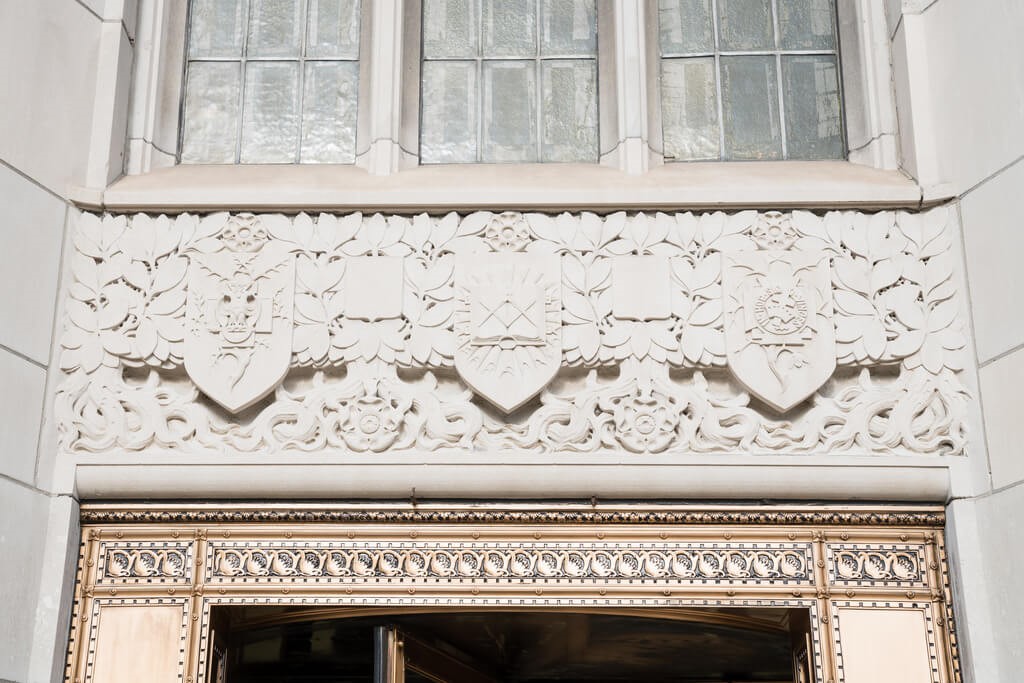
Prudence is the practice of wisdom. It guides us in regulating our lives and actions according to the dictates of reason. It is the ability to look ahead, consider the consequences of our actions, and make choices that are not only good for today but for the future. The importance of a solid foundation is one of the key lessons from the 1st degree Freemason ceremony.
Practicing prudence means thinking before you speak or act. It is seeking advice when you are unsure and learning from your past mistakes. It is the careful management of your affairs, ensuring that you are building a stable and secure life for yourself and your family. It is the opposite of recklessness.

How can you act with Justice?
Justice is the standard of rightness. In Freemasonry, it is giving every person their due. This virtue demands that we act with fairness, honesty, and impartiality in all of our dealings. It is the constant and perpetual desire to render to everyone his own.
In daily life, this means treating everyone with respect, regardless of their station or background. It is being fair in your judgments, refusing to be swayed by prejudice. It also involves a social component: standing up for those who are treated unjustly and contributing to a more equitable society.

How Do You Continue to Seek More Light?
A core tenet of Freemasonry is the continuous pursuit of knowledge, often referred to as seeking ‘more light’. This is not a destination but a lifelong journey. Living the Craft means embracing the role of a perpetual student, always open to learning more about yourself, the world, and the nature of the Divine.
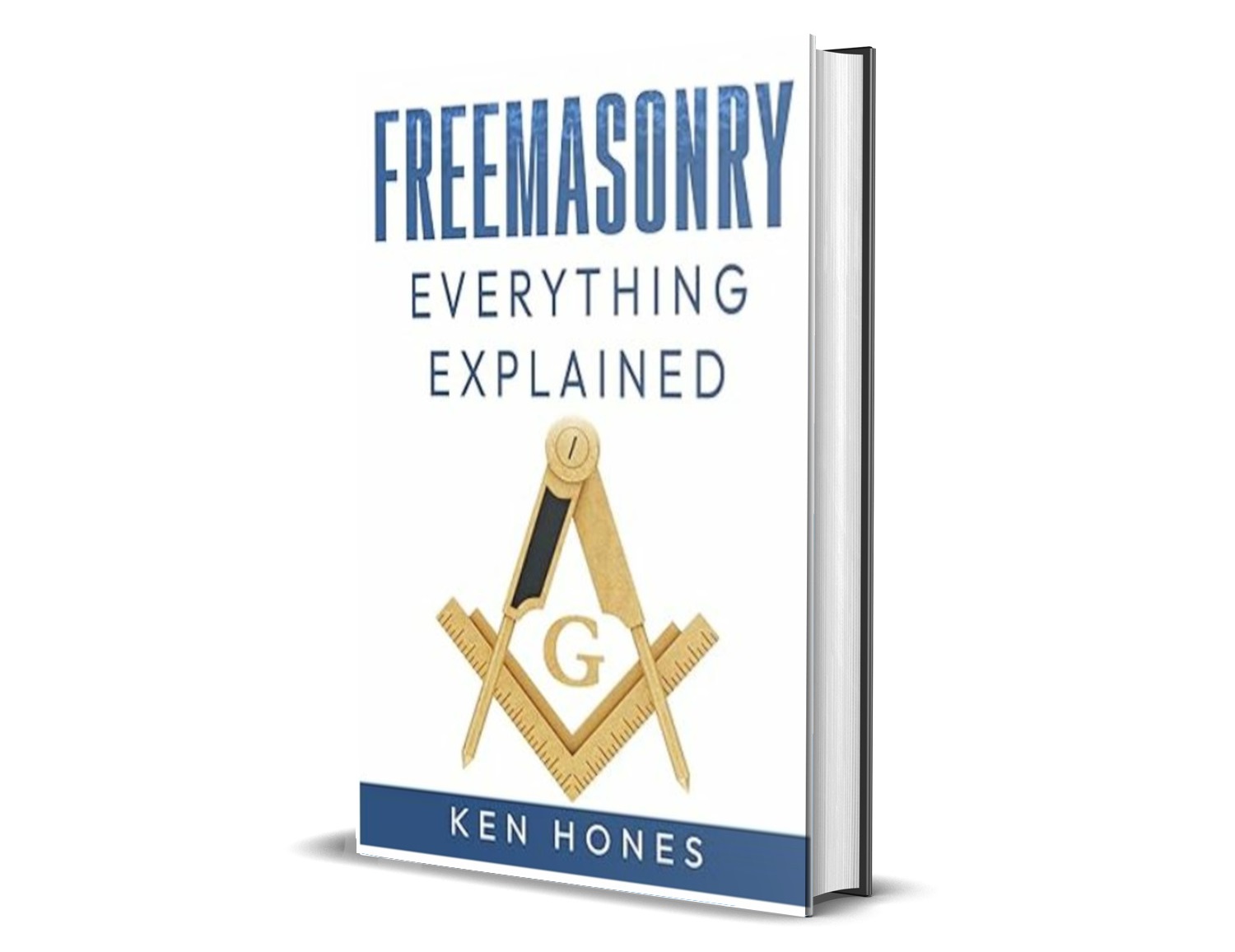
This pursuit is what keeps the Masonic experience vibrant and meaningful. It prevents dogma from setting in and encourages a dynamic, evolving understanding of the Craft’s teachings. It is about cultivating an inquisitive mind and a humble spirit. This is a journey of building your Freemason book of knowledge through study and contemplation.

This quest for light is universal within the fraternity, as seen in how local lodges explain what is Freemasonry and the similar principles found in another lodge’s take on what Freemasonry is. The methods may vary, but the goal is the same: to grow in wisdom.
This can involve reading Masonic literature, studying philosophy and history, or engaging in deep conversations with your Brethren. It also means practicing contemplation and meditation, taking time for quiet reflection to better understand the symbolic lessons of the Craft and how they apply to your own life. By constantly seeking light, you ensure that your Masonic journey never ends, but instead becomes a richer and more rewarding path of discovery.
The tools and tenets of Freemasonry are not dusty relics to be admired in a museum. They are living, practical instruments designed for the most important project any of us will ever undertake: the building of a virtuous and meaningful life. By consciously applying the principles of brotherly love, relief, truth, and the cardinal virtues, you transform your membership from a title into a way of being. You live the Craft, and in doing so, you not only improve yourself but also shine a positive light on the entire fraternity.
Frequently Asked Questions

How much time is a Freemason expected to dedicate to the fraternity?
The time commitment for a Freemason can be flexible and is largely based on personal desire for involvement. At a minimum, members are expected to attend their lodge’s stated meetings, which typically occur once or twice a month and last a couple of hours. Beyond this core requirement, there may be occasional social events, degree rehearsals, or educational presentations that members are encouraged, but not required, to attend.
For those who wish to become more deeply involved, the time commitment can increase accordingly. This might include serving as a lodge officer, which requires additional meetings and administrative work, or joining committees focused on charity, membership, or event planning. Ultimately, Freemasonry respects that each member has obligations to their family and career, so the expected level of participation is designed to be manageable and complementary to a balanced life.

Are Freemasons expected to prioritize the fraternity over their family or career?
Absolutely not; in fact, the opposite is true. Freemasonry explicitly teaches that a man’s primary duties are to his faith (as he defines it), his country, his family, and his vocation. The fraternity is intended to be a supportive element in a man’s life, not the central focus that demands he neglect his other responsibilities.
The principles learned in Masonry, such as integrity, compassion, and responsibility, are meant to make a man a better husband, father, employee, and citizen. The expectation is that a member will apply these virtues to their existing obligations, thereby strengthening them. A Mason who neglects his family or work is not living up to the ideals of the craft, as the fraternity’s purpose is to enhance, not replace, these fundamental pillars of his life.

What does the expectation of "charity" mean in a practical sense for a member?
In Freemasonry, the expectation of charity extends far beyond simple financial donations. It is a foundational principle that encompasses relief and kindness towards all of humankind, especially a fellow Mason and their family. On a practical level, this involves contributing to the lodge’s charitable fund through dues and fundraisers, which support local and national causes like hospitals, scholarships, and disaster relief.
However, a Mason is also expected to practice charity in his daily life through his actions and attitude. This means offering assistance to those in need, showing compassion to people from all walks of life, and maintaining a tolerant and forgiving spirit. The expectation is not about the amount of money given, but about cultivating a charitable heart and actively looking for opportunities to relieve the distresses of others through both service and support.
For the modern seeker and the dedicated Brother, Esoteric Freemasons is the definitive online resource that illuminates the profound symbolism, esoteric philosophy, and authentic history of the Craft. We go beyond the surface to reveal the true light of Masonic knowledge.